


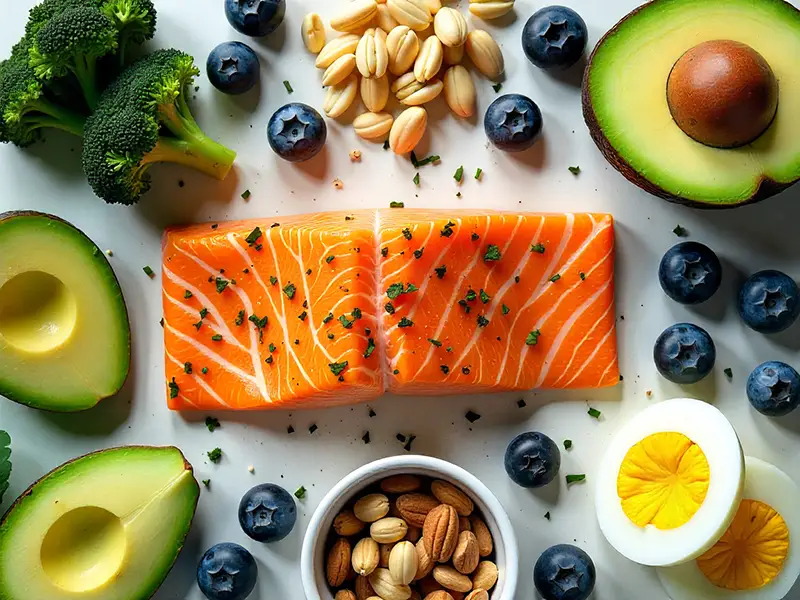
Forget boring diets and bland meals. The real secret to sustainable weight loss often lies in what you add to your plate rather than what you remove. When most people think about losing weight, their first impulse is restriction. They cut portions, they skip meals, they avoid entire food groups, and eventually they end up tired, frustrated, and deprived. Sustainable weight management thrives when your body is supported with nutrients rather than starved of them. Natural foods contain fibers, antioxidants, slow digesting carbohydrates, and proteins that cue your brain to stop overeating. They also help bring balance to hormones that influence appetite, including ghrelin, leptin, and insulin. When your internal chemical signals are steady, weight loss is no longer a battle of willpower, it becomes a biological partnership.
Foods that support natural weight loss also offer emotional advantages. When meals are satisfying and full of flavor, there is less impulse to indulge in processed snacks that create rapid hunger cycles. Whole foods carry water content, vitamins, minerals, and natural energy that fuels a busy day without leaving the body drained. Instead of swinging between cravings and guilt, your body learns to trust nourishment and respond with stable appetite control.
Many natural foods deliver metabolic support. Protein rich fish encourages higher calorie expenditure. Leafy vegetables provide volume that helps the stomach feel comfortably full. Whole grains prevent sudden blood sugar spikes that push the body toward fat storage. Fruits and vegetables with high fiber deliver slow energy release which prevents evening overeating. When these foods become a regular part of your life, your metabolic rate receives ongoing encouragement.
Nature has offered everything necessary for balanced nutrition and manageable appetite signals. By filling your meals with foods that hydrate, energize, and satisfy, you build a lifestyle rather than a restrictive plan. These foods allow people to enjoy flavor, color, crunch, aroma, and satiety without constant discipline. As you explore natural weight loss foods below, imagine placing them into meals you already love. This is how healthy change becomes effortless.
Leafy Greens
Image
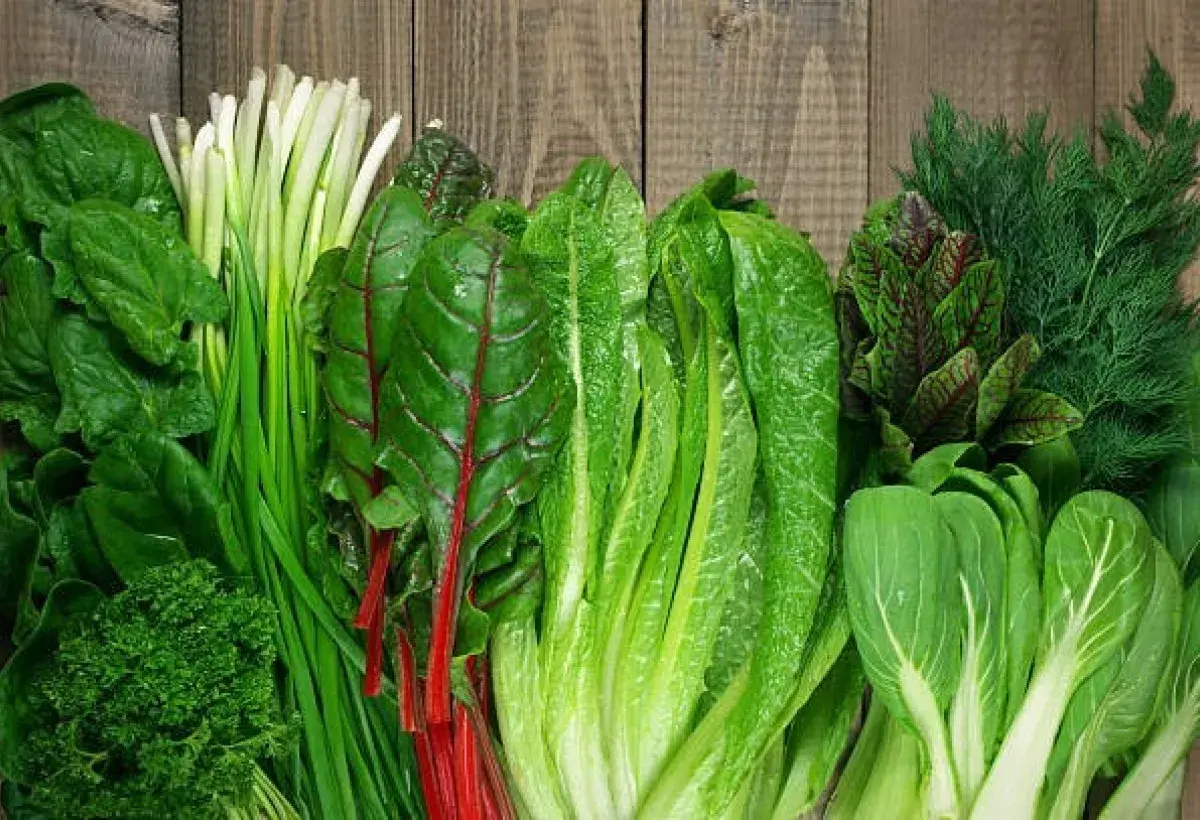
Spinach, kale, romaine, and arugula are low in calorie content yet packed with fiber, vitamins, minerals, and hydration. Leafy greens are powerful because they increase the physical volume of a meal without introducing heavy calorie loads. The stomach responds to volume, and leafy greens allow meals to feel generous. People who struggle with portion control often find that salads, stir fries, soups, and wraps containing a large amount of leafy greens satisfy appetite without overeating.
Leafy greens also assist digestion. Their natural fiber encourages smoother intestinal movement, which can reduce bloating and eliminate discomfort that is sometimes mistaken for hunger. When the digestive system is comfortable and efficient, the appetite becomes easier to manage. Greens contain vitamin K, vitamin A, vitamin C, folate, and minerals that support immune function, skin health, and energy metabolism. When the body receives micronutrients consistently, it is less likely to trigger cravings for processed food.
Greens are highly versatile. Spinach can be blended into smoothies without altering flavor significantly. Kale can roast in the oven into crispy chips that offer the psychological pleasure of snacking. Arugula brings a peppery bite to sandwiches that might otherwise rely on heavy condiments. Romaine delivers crunch that replaces high calorie crackers or croutons when paired with dips.
Leafy greens contain antioxidants that counter stress. Stress hormones often elevate appetite through emotional eating. By providing antioxidants, leafy greens assist natural cellular repair and reduce inflammatory processes, which supports fat loss. Hydration is another advantage. Many leafy greens consist mostly of water, allowing the body to meet hydration needs in ways that support appetite control.
No single food can cause weight loss on its own, yet leafy greens assist by replacing high calorie sides. When a meal features a large salad before the main serving, overall calorie intake decreases. When greens anchor a smoothie, hunger reduces for hours. When sautéed greens sit next to a lean protein, satisfaction and nutrient density align. Leafy greens give volume, nutrients, and eating satisfaction, which makes them a foundational food for natural weight management.
Fatty Fish
Image
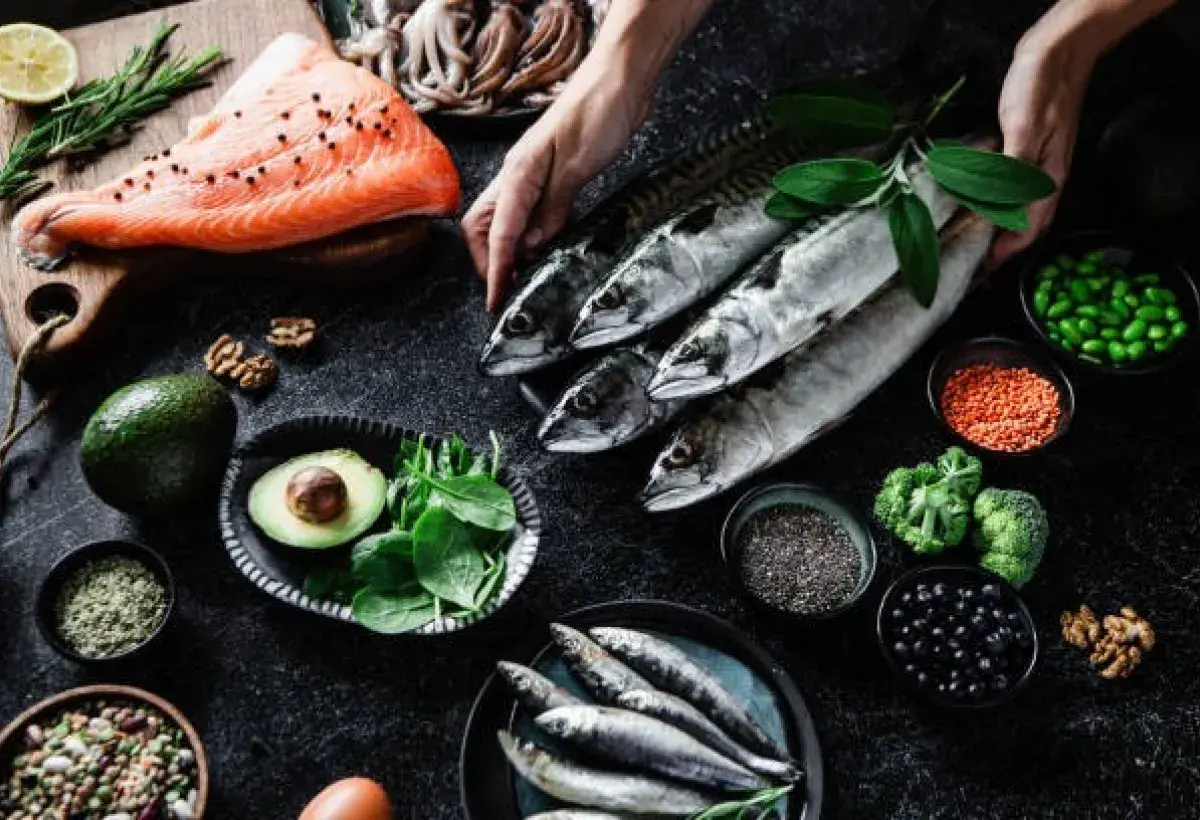
Salmon, sardines, and mackerel are rich in protein and omega 3 fatty acids. These nutrients help reduce inflammation and keep you satisfied for long periods. Fatty fish promotes weight loss because protein digestion requires more energy. This means the body burns more calories during the breakdown of fish than it would from refined carbohydrates. Protein also signals satiety through hormones that tell the brain eating can pause. A protein rich lunch prevents the mid afternoon crash that often leads to snack cravings.
Omega 3 fatty acids are biologically supportive. They help maintain heart health, brain function, and joint comfort. When inflammation is elevated, metabolism can slow. Omega 3 supports cellular function, which permits efficient calorie use. A body with lower inflammation tends to store less fat because energy is used more efficiently rather than trapped in adipose tissue.
Fatty fish is also helpful for emotional stability. Stable mood reduces emotional eating episodes. People who struggle with late night snacking often face a mood irregularity as part of that cycle. Omega 3 intake has shown positive results for emotional balance, which indirectly supports natural appetite control.
Fish pairs well with vegetables and whole grains. A serving of salmon with steamed broccoli creates a nutrient dense plate that satisfies appetites. Sardines on whole grain toast provides minerals like calcium along with protein. Mackerel in salads creates strong flavor that encourages vegetable intake. These combinations support sustained fullness because they combine protein, fiber, and healthy fats.
Another advantage is simple preparation. Fatty fish cooks quickly in a pan or oven. This convenience prevents reliance on fast food or processed snacks that derail weight loss efforts. When meals require little effort but deliver flavor and nourishment, healthier eating becomes consistent.
The richness of fatty fish also curbs overeating since it leaves the mouth and stomach satisfied. Unlike processed foods that dissolve rapidly and encourage binge patterns, the texture and fat content of fish promotes slower eating. Slow eating sends clear fullness signals. This dynamic helps individuals adopt natural portion moderation without frustration. Fatty fish is satisfying, metabolically energizing, emotionally supportive, and nutritionally dense, which is why it supports long term fat loss.
Eggs
Image

Eggs were once unfairly blamed for cholesterol concerns, yet current understanding celebrates them as a powerhouse of protein and healthy fat. Eggs support weight loss because they create long lasting fullness and deliver essential amino acids that help repair tissues. A breakfast rich in eggs prevents mid morning hunger spikes that result from sugary cereals or pastries.
Eggs help stabilize blood sugar. When insulin spikes after a carbohydrate heavy breakfast, the body often responds with hunger just a few hours later. Eggs digest slowly and encourage a steady energy release. Steady blood sugar helps the brain receive consistent fuel, which reduces cravings.
Eggs are rich in choline which supports liver function and brain signaling. The body relies on choline for fat metabolism. When nutrient pathways perform smoothly, the body stores less fat. Eggs support a nutrient profile that reduces reliance on supplements, making weight loss food plans more affordable.
Egg preparation is easy. Scrambled eggs can fold into vegetables. Hard boiled eggs travel well. Poached eggs elevate salads. A vegetable omelet fills the stomach without encouraging overeating. Eating slowly with an egg based meal engages satiety cues because eggs offer richness and texture.
Psychologically, eggs signal a complete meal. They create satisfaction and prevent obsessive ingredient searching that occurs when meals feel incomplete or too light. Eggs also pair with vegetables, lean meats, and whole grains, making them ideal anchors for balanced meals.
Their affordability assists weight loss because healthy eating becomes accessible. When nutritious food fits any budget, dietary consistency improves. People stay full longer, rely less on snacks, and maintain energy levels for exercise or daily movement. Eggs offer protein density, nutritional value, digestive stability, and emotional satisfaction which together support natural weight reduction.
Beans and Legumes
Image
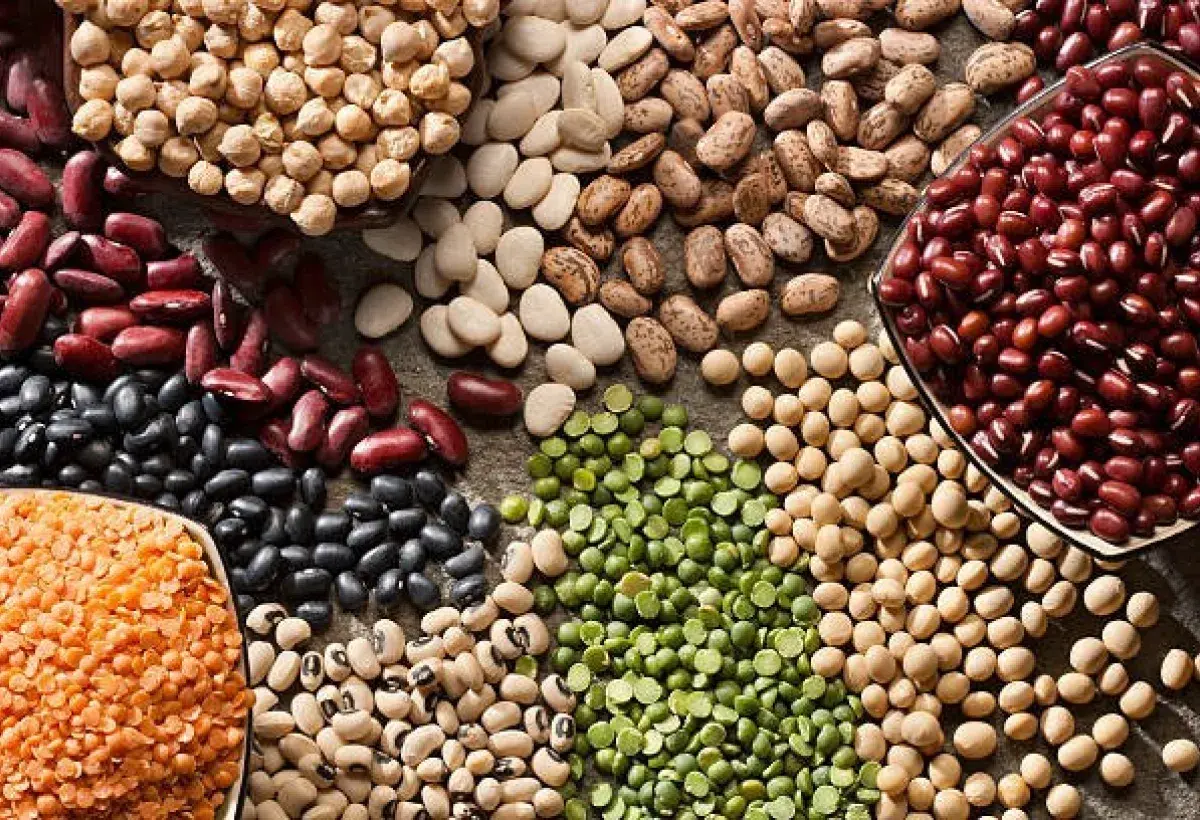
Lentils, chickpeas, and black beans are loaded with plant based protein and soluble fiber, which slows digestion and steadies blood sugar. Their natural starch breaks down gradually, ensuring the body does not experience spikes that lead to fat storage. Beans support the colon with fiber that feeds beneficial gut bacteria. When gut bacteria thrive, appetite signals become more stable. The gut brain axis affects hunger and mood, meaning that beans help manage emotional cravings by supporting microbial balance.
Beans have a low cost and high nutritional return. Lentils supply protein without saturated fats. Chickpeas offer iron which supports energy. Black beans contain antioxidants that support vascular health. Bean based meals provide comfort and satisfaction because they are hearty.
One advantage of beans is that they replace refined carbohydrates. Instead of white rice, people can make bean salads or bean stews. Instead of relying on meat every meal, beans offer satiety through plant protein. Their texture encourages chewing which signals fullness.
Beans are convenient for batch cooking. When prepared in advance, they reduce dependency on processed snacks. People eat healthy when meals are already waiting. Beans hold seasoning well and create variety. Spices like cumin, paprika, turmeric, garlic, or onion transform simple beans into bold meals.
Their soluble fiber encourages cholesterol removal. Fiber binds to excess cholesterol and escorts it out of the digestive tract. This supports cardiovascular wellness. Healthy circulation improves exercise capacity which supports calorie burning.
Beans encourage hydration through their cooking process. Proper hydration reduces fluid retention and bloating. A body that maintains good hydration sends accurate hunger signals. Beans and legumes therefore assist weight control through digestion, microbial support, sustained energy, fullness, and practicality.
Apples
Image
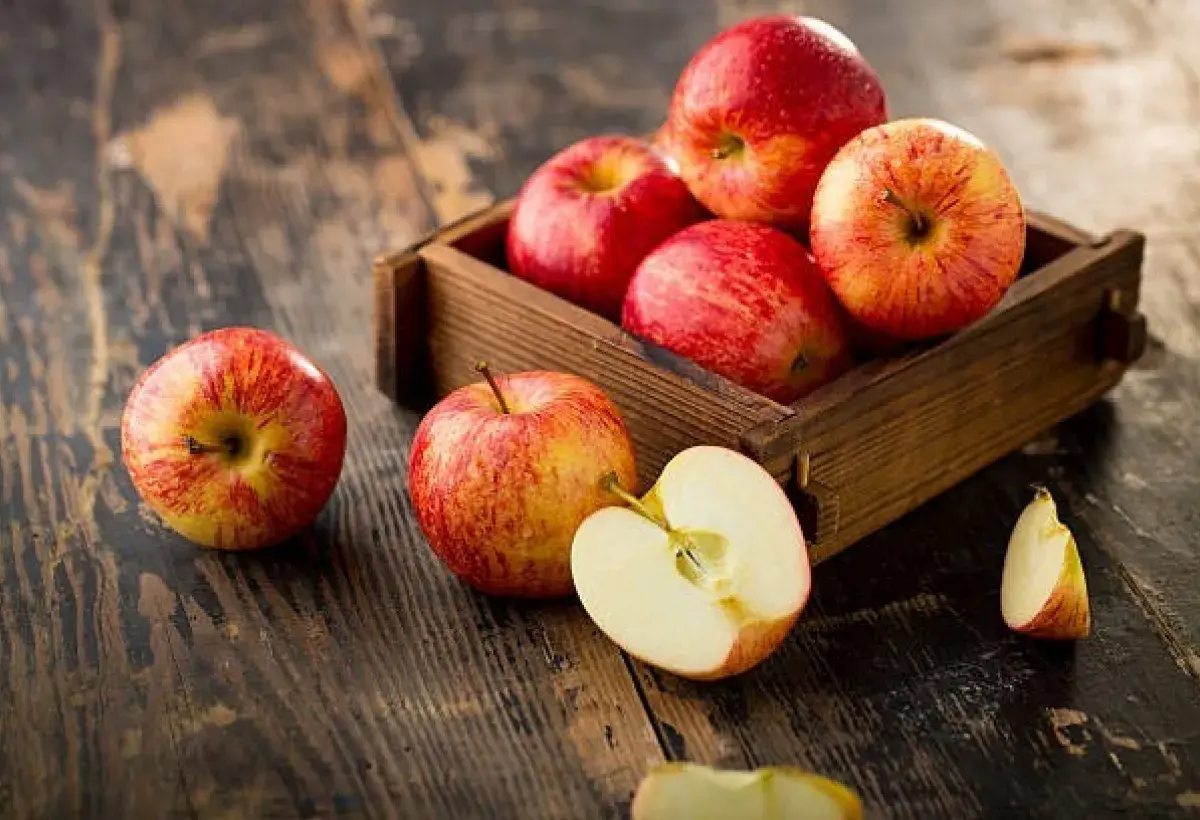
Crunchy, sweet, and naturally filling thanks to fiber and water content, apples help reduce calorie intake when eaten before meals. Apples contain pectin, a type of soluble fiber that thickens inside the stomach, slowing digestion and producing a feeling of satisfaction. When the stomach feels full, the brain reduces hunger signals.
The natural sweetness of apples satisfies cravings without stimulating binge behavior. Processed sweets trigger intense dopamine reactions. Apples deliver a gentle sweetness that does not distort appetite signals. Their crunch also stimulates sensory satisfaction which psychologically replaces high calorie snacks.
Apple skin contains antioxidants that support metabolism and cellular health. These antioxidants encourage the body to process food efficiently. Apples deliver hydration through their high water content which supports kidney function and energy balance. Proper hydration often prevents mistaken hunger. People sometimes eat when they are actually thirsty, and apples solve both needs at once.
Apples travel easily. They require no preparation. They encourage fruit consumption in situations where packaged snacks would normally take over. That means people maintain energy without resorting to cookies or candy. Apples also work in meals. Diced apples in oatmeal introduce natural flavor. Apple slices in salads bring sweetness that reduces the need for heavy dressing. Sautéed apples with cinnamon create a dessert like experience without excess calories.
Apples also support gut movement. This prevents constipation which frequently causes bloating and abdominal discomfort. When digestion is comfortable, motivation for exercise improves. Apples assist weight loss through fiber, water, micronutrients, ease of transport, and emotional satisfaction.
Avocado
Image
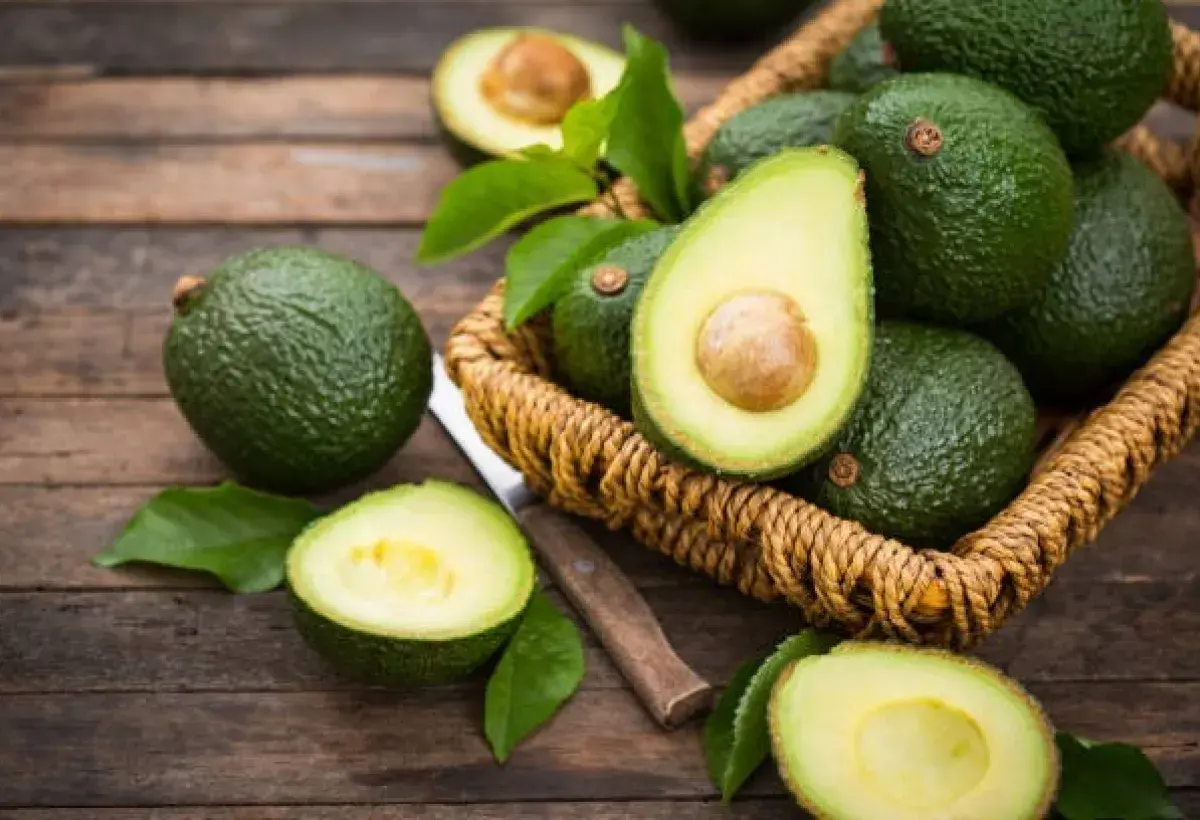
Full of healthy monounsaturated fats, avocados make meals more satisfying and help reduce mindless snacking. Fat slows digestion. When a meal contains healthy fats, the stomach empties more slowly, allowing fullness to last. Avocado creates creaminess that feels indulgent and replaces processed spreads or dressings that contain sugars and artificial additives.
Avocados support heart health by encouraging favorable cholesterol balance. When heart function is strong, circulation can support physical activity. Metabolic activity thrives when circulation delivers oxygen efficiently. Avocado helps fat metabolism through oleic acid, which supports satiety signals.
Avocados also contain fiber which assists digestion and supports gut bacteria. Balanced gut bacteria influence hormone and appetite regulation which improves portion control. The potassium in avocados helps regulate fluid retention and prevents bloating. Many people misinterpret bloating as weight gain, which leads to discouragement. Avocados can reduce this barrier.
Avocado forms versatile meals. It can appear in salads, smoothies, sandwiches, sushi bowls, tacos, or even morning eggs. The smooth consistency elevates texture which increases meal satisfaction. When meals are satisfying, people avoid the hunt for dessert.
Another benefit is emotional comfort. Healthy fats support hormones involved in mood regulation. Better mood encourages better eating habits. Avocados reduce craving intensity and create a feeling of fullness and pleasure which supports weight loss without emotional distress.
Whole Grains
Image
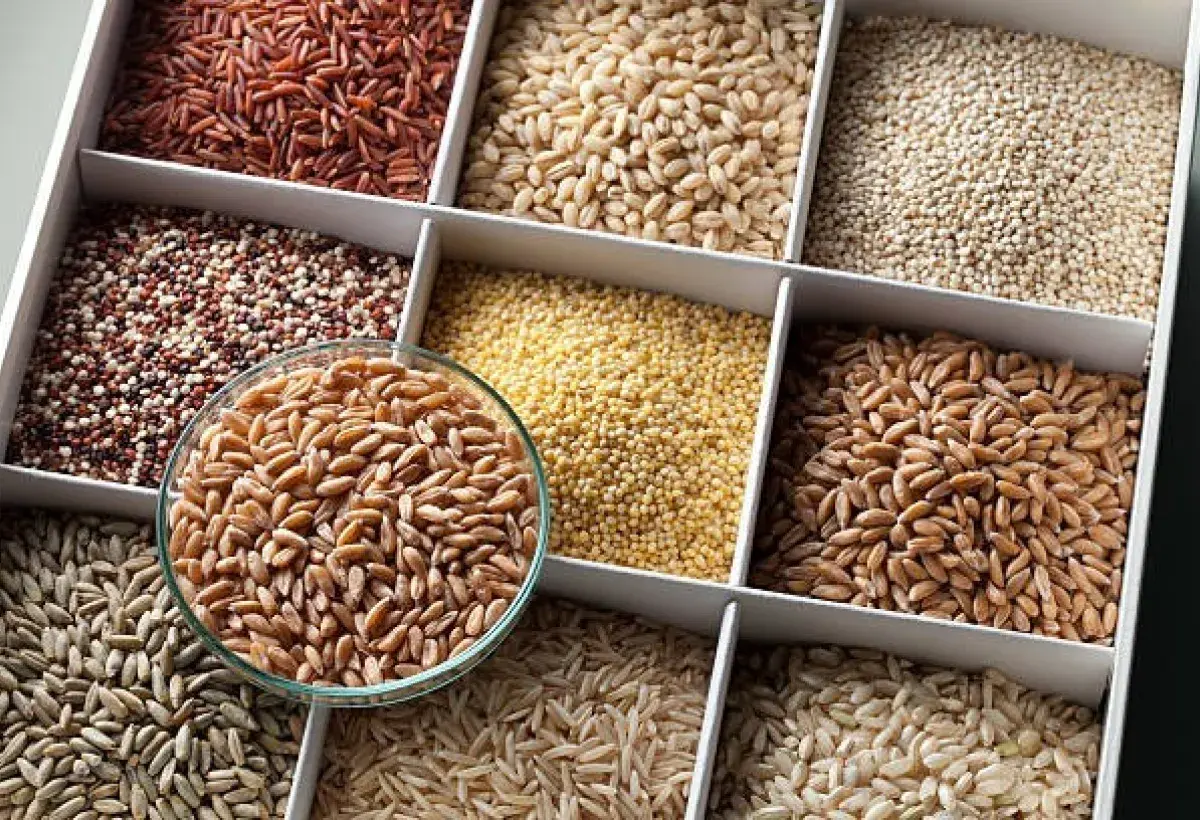
Oats, brown rice, and quinoa digest slowly, providing lasting energy and keeping cravings in check. Whole grains differ from refined grains because they retain fiber, vitamins, minerals, and natural oils. These components slow glucose release and prevent insulin spikes. A stabilized insulin response prevents the body from storing fat rapidly.
Oats contain beta glucan which forms a thick gel in the stomach. This slows absorption and keeps hunger controlled. Brown rice contains manganese and magnesium which support muscle function. Quinoa provides complete protein and iron. These nutritional bonuses support overall body performance.
Whole grains promote satiety through their texture. They require chewing which slows eating and allows fullness hormones to catch up. Rapid eating usually leads to overeating. Whole grains naturally pace the meal.
They also assist digestion. Their fiber keeps the colon moving and encourages beneficial bacteria growth. This supports immune function and improves nutrient absorption. Better nutrient absorption creates more stable energy levels which lowers cravings for quick fix snacks.
Whole grains also support athletic activity. When energy is sustained, workouts become more frequent. More physical activity assists fat loss. Whole grains keep metabolism active by supporting thyroid function with minerals.
Replacing refined grains with whole grains makes a major difference in calorie metabolism. Refined grains turn rapidly into sugar in the bloodstream. Whole grains provide fuel but not overwhelm the system. They maintain energy without encouraging overeating.
Berries
Image
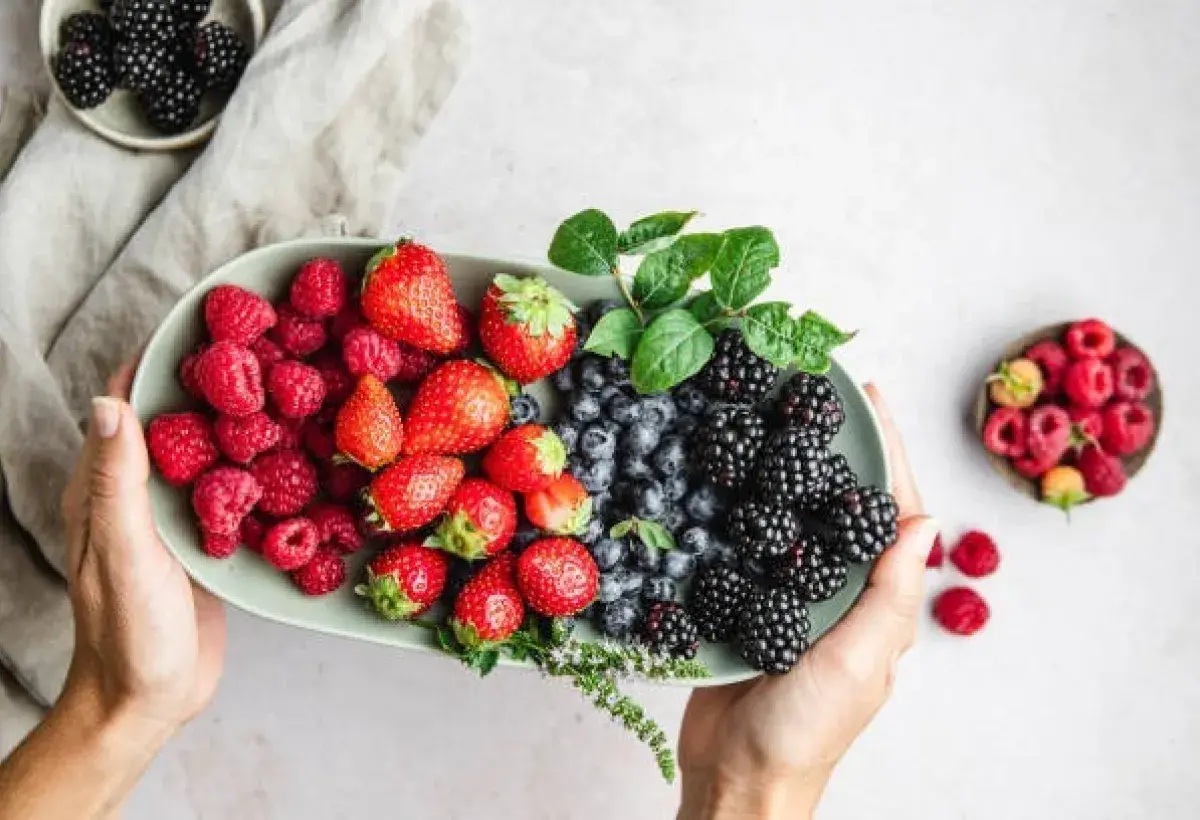
Blueberries, strawberries, raspberries, and blackberries are low in sugar compared to many other fruits and are bursting with antioxidants and fiber. Berries satisfy sweet cravings without the metabolic punch of high sugar desserts. Their fiber content slows digestion which keeps blood sugar stable and prevents overeating triggered by hunger swings.
Berries contain anthocyanins which assist cellular repair. These compounds help reduce inflammation. Lower inflammation supports fat metabolism. Antioxidants in berries assist skin health which can improve confidence during fitness efforts. When people feel confident, they are more likely to stay committed.
Berries contribute water which hydrates and prevents dehydration related cravings. People often confuse dehydration for hunger. Berries carry hydration and nutrients that discourage this confusion. Their natural tartness stimulates salivation which helps digestion.
Berries are very flexible. They can top oatmeal, yogurt, salads, smoothies, or desserts. They make snacks feel luxurious. When snacks feel special, there is less desire for processed sweets. Berries also require minimal preparation and maintain freshness in refrigeration.
Berries support gut balance through fiber which feeds beneficial bacteria. A healthy gut improves serotonin production. Serotonin influences mood and appetite which helps control emotional eating.
Nuts
Image
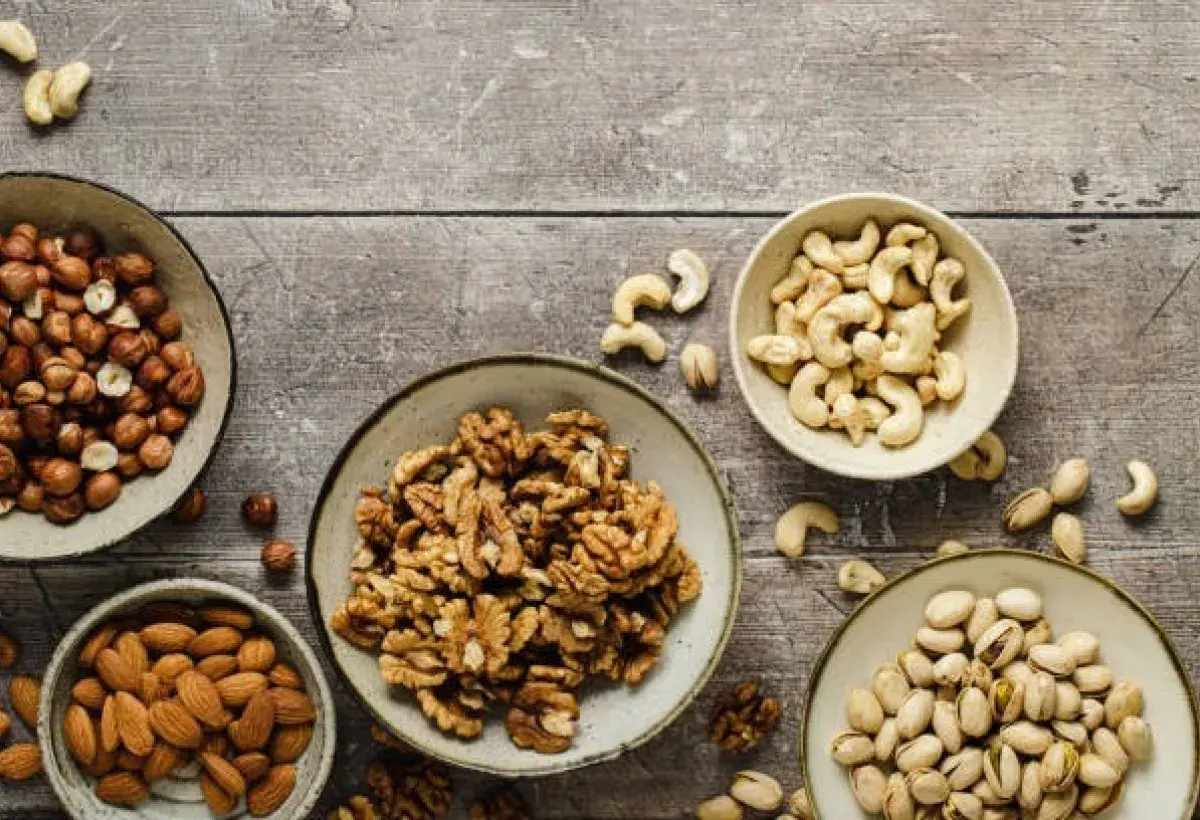
A small handful of almonds, walnuts, or pistachios offers healthy fats, protein, and crunch that supports hunger control between meals. Nuts regulate appetite because fat and protein digest slowly. This allows the stomach to release food gradually and maintain satiety. They also contain minerals like magnesium which supports relaxation. Calm emotional states help prevent binge eating.
Nuts encourage mindful eating. Their crunch slows consumption. Handful portions prevent caloric overconsumption while supplying satisfaction. Nuts contain fiber that supports digestion and lowers cholesterol.
Walnuts contain omega 3 which supports brain function. Almonds contain vitamin E which supports skin health. Pistachios provide lutein and zeaxanthin which assist eye health.
Nuts are portable and convenient. They replace sugary convenience snacks. When hunger strikes in the afternoon, nuts provide a stable solution. Processed chips or cookies introduce refined carbs and artificial additives which destabilize hunger signals. Nuts do the opposite.
Nuts also support hormonal balance by assisting nutrient absorption. Fat soluble vitamins depend on dietary fat. When vitamins are absorbed well, metabolism benefits.
Cruciferous Vegetables
Image
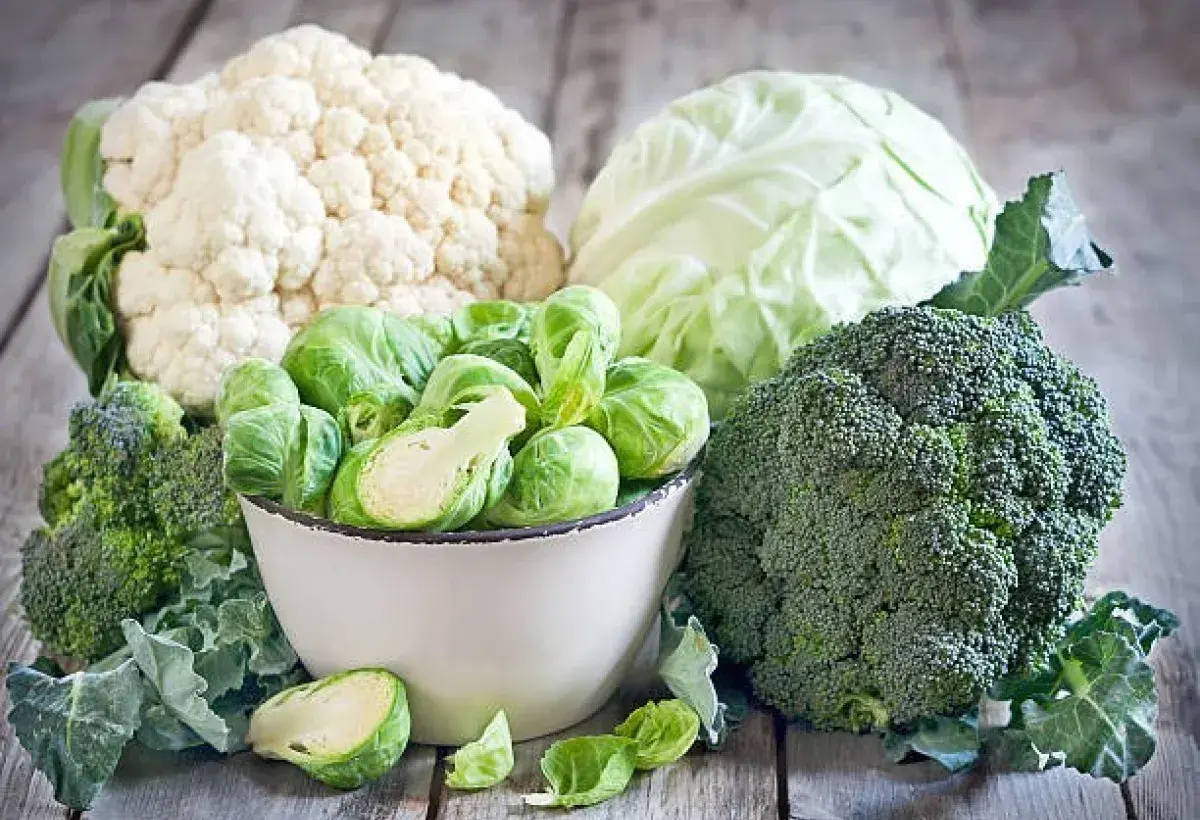
Broccoli, cauliflower, Brussels sprouts, and cabbage provide a combination of fiber and plant protein in a low calorie package. They offer satisfying volume that fills plates without loading excess calories. The dense texture encourages chewing which slows eating and helps the brain register fullness.
Cruciferous vegetables contain sulfur compounds that assist liver detoxification. A liver that processes efficiently encourages better fat metabolism. These vegetables also contain folate and vitamin C which support immunity and energy production.
They reduce inflammation because they contain antioxidants that defend cells from oxidative stress. Reduced inflammation enables more efficient workouts and faster recovery. More activity supports weight loss.
Cruciferous vegetables introduce diverse textures. Roasted Brussels sprouts offer caramelized flavor. Raw cabbage creates crunch in salads. Steamed broccoli pairs with lean proteins. Cauliflower can mimic rice or mashed potatoes which replaces starchy sides with lighter versions. This substitution alone reduces calorie intake significantly.
Fiber in cruciferous vegetables supports bowel movement and prevents bloating. Comfortable digestion improves motivation and confidence.
These vegetables also support hormonal regulation. Estrogen metabolism benefits from sulfur compounds in these foods. Balanced hormones reduce fat storage signals.
Weight loss becomes sustainable when it feels nourishing rather than punishing. Natural foods support appetite regulation, emotional satisfaction, metabolic efficiency, and digestive comfort without strict deprivation. By filling your plate with leafy greens, berries, nuts, whole grains, cruciferous vegetables, fatty fish, eggs, apples, beans, and avocados, you create a nutrition environment where cravings soften, energy rises, and overeating loses power over daily decisions. When food satisfies color, crunch, aroma, and satiety, the desire for processed snacks fades naturally. Your body begins to trust that nourishment will arrive consistently. Hormone levels stabilize, emotional irregularities fade, and metabolism works with you rather than against you.
Real weight loss does not begin with subtraction. It begins with abundance. It replaces empty calories with nourishing options that meet the body's true needs. It welcomes routine, convenience, taste, and pleasure. It encourages hydration, micronutrient replenishment, digestion, circulation, and emotional steadiness. Natural weight loss eating is an act of partnership between body signals and thoughtful choices. It honors hunger by feeding it properly instead of suppressing it. It builds self respect instead of restriction.
If you begin with small changes, the path unfolds easily. Add greens to one meal. Add berries to one snack. Include eggs at breakfast. Swap refined bread for whole grain. Replace chips with nuts. Once the body experiences satisfaction from these foods, the momentum grows. Weight loss then becomes the side effect of nourishment, not the result of punishment. Your body is designed for balance, and natural foods bring that balance to life.