
Bloody Sunday remains one of the most painful and defining events in the modern history of Northern Ireland. What began as a peaceful civil rights march ended in tragedy, shock, and long lasting consequences that reshaped politics, community relations, and public trust for generations. The events of January 30, 1972 are not just a historical moment but a turning point that continues to influence discussions about justice, accountability, and reconciliation today.
At the time, Northern Ireland was already deeply divided. Civil rights activists were protesting policies they believed unfairly targeted the Catholic and nationalist population, especially the practice of internment without trial. Marches had become a way for ordinary citizens to express frustration and demand reform. In Derry, a city with a strong nationalist identity, tensions were already high, but the march was intended to be nonviolent and symbolic.
What happened instead shattered any remaining sense of safety for many people. British soldiers fired on civilians, killing unarmed protesters and bystanders. The immediate aftermath was confusion, grief, and anger. Families lost sons, brothers, and friends. Communities lost trust. The event quickly became known as Bloody Sunday, a name that captured both the violence of the day and the bloodshed that followed in the years ahead.
The long struggle for truth took decades. Early investigations failed to satisfy victims’ families and were widely seen as dismissive and biased. Only years later did a full inquiry acknowledge the reality of what happened and formally clear the names of those who were killed. Bloody Sunday is remembered not only for the lives lost but for what it revealed about power, protest, and the human cost of political conflict.
1. It happened in Derry, Northern Ireland
On January 30, 1972, a large civil rights march took place in the city of Derry, also known as Londonderry, in Northern Ireland. The march was organized by the Northern Ireland Civil Rights Association and aimed to protest internment without trial, a policy that allowed authorities to arrest and detain individuals suspected of paramilitary involvement without formal charges. Many in the nationalist community viewed internment as deeply unjust and discriminatory, as it was applied almost exclusively to Catholics.
Derry itself held special significance. The city had a long history of political tension, economic inequality, and disputes over representation. Despite having a nationalist majority, political boundaries had been drawn in a way that favored unionist control, fueling resentment and frustration. By the early nineteen seventies, Derry had become a focal point for civil rights activism, making it a natural location for a major protest.
The march was planned as a peaceful demonstration. Organizers encouraged families, students, and local residents to participate. Many people attending did not expect violence and viewed the event as an opportunity to make their voices heard. The atmosphere at the start of the march was one of determination rather than aggression.
Image
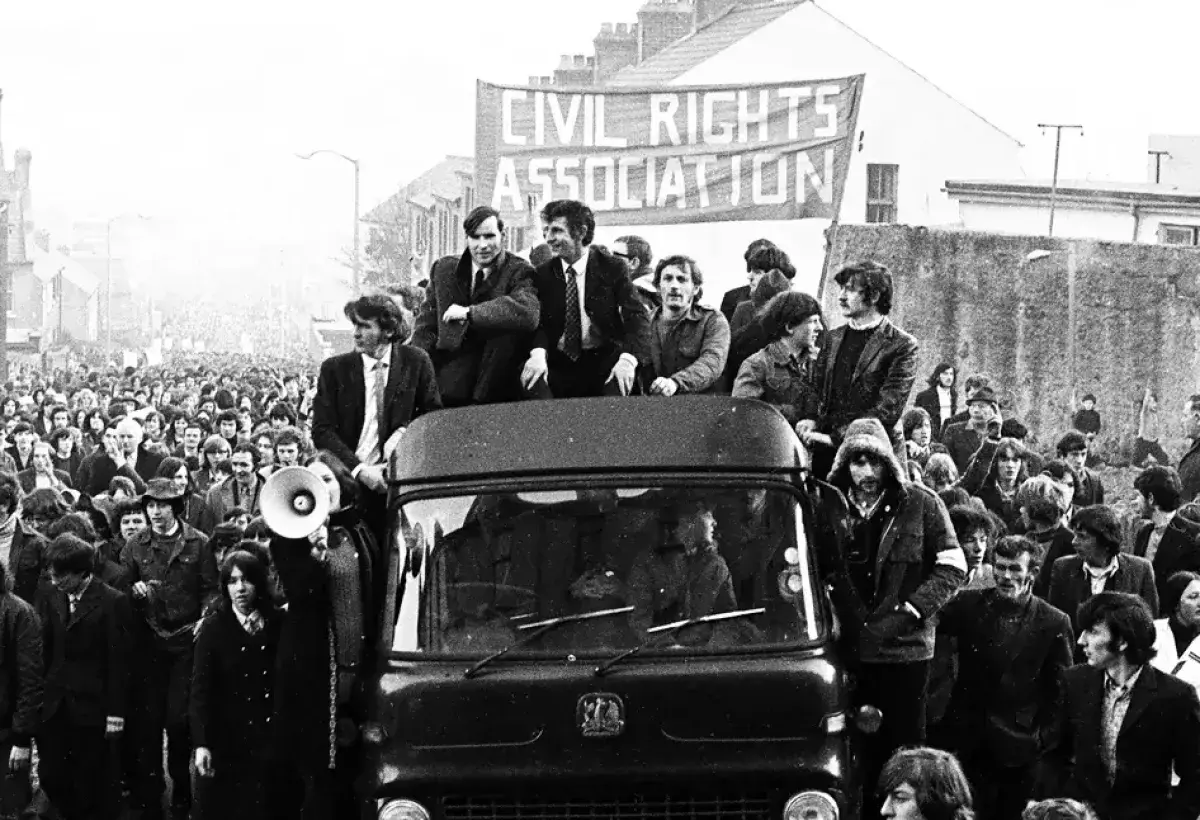
However, the presence of British Army units in the city reflected the fragile situation. Authorities had banned marches, and security forces were on high alert. As the crowd moved through the city, barriers and soldiers redirected parts of the march. What followed would forever link Derry’s name with one of the darkest chapters in Northern Ireland’s history.
2. British soldiers opened fire on civilians
During the march, soldiers from the British Army Parachute Regiment were deployed to police the event. Their stated role was to maintain order and respond to any disturbances. As the crowd approached areas blocked by security forces, confusion and tension increased. Some protesters threw stones, a common occurrence at demonstrations during that period, but the vast majority of marchers were unarmed and posed no serious threat.
Without warning, soldiers opened fire on the crowd. Gunshots echoed through the streets as people ran for cover. Some victims were shot while fleeing, others while trying to help those who had fallen. Eyewitnesses described scenes of panic and disbelief as protesters realized live ammunition was being used against civilians.
The use of lethal force shocked both those present and observers around the world. Many could not understand how a protest against government policy had escalated into deadly violence. The immediate military claims suggested that soldiers had responded to gunfire or bomb threats, but these accounts were quickly questioned by witnesses and journalists on the scene.
Image
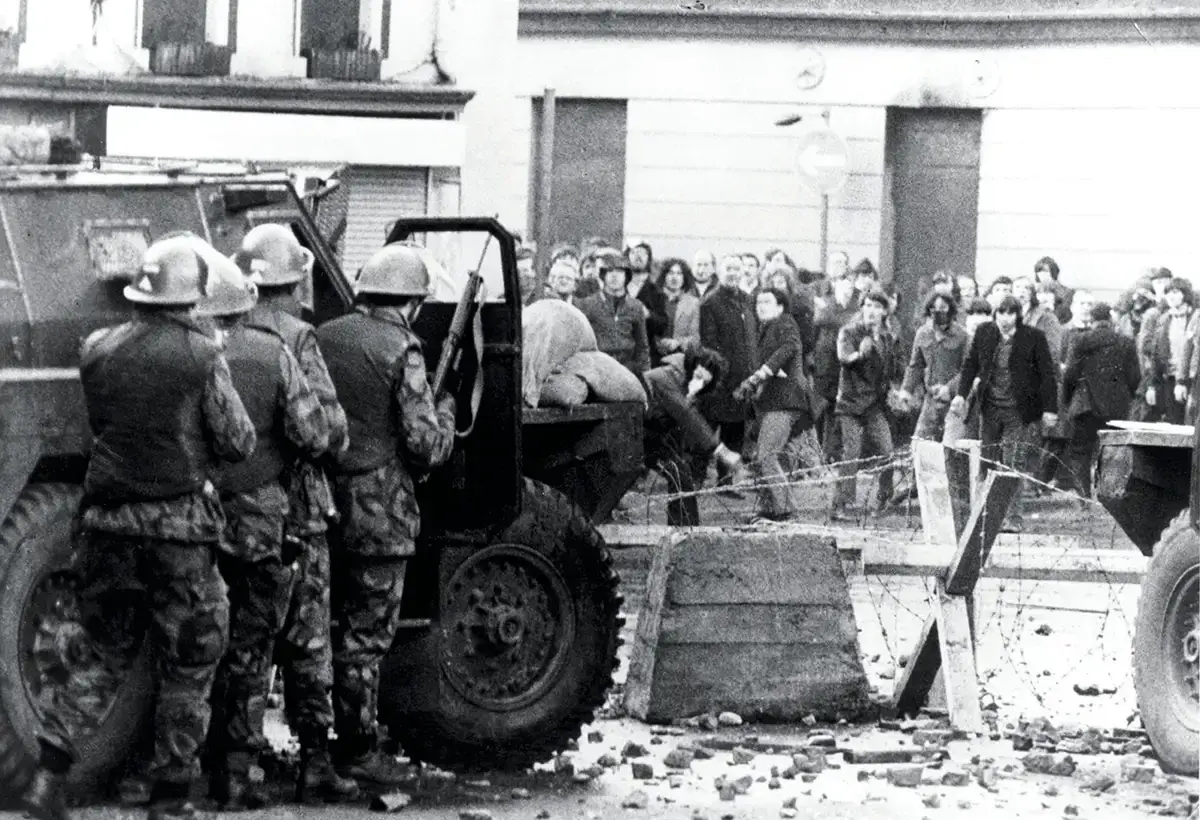
As details emerged, it became increasingly clear that those who were shot were not engaged in armed activity. The decision to open fire became the central issue in the search for accountability. For many families, this moment marked the beginning of a lifelong struggle for justice and recognition of the truth.
3. Fourteen people died
The human cost of Bloody Sunday was devastating. Thirteen people were killed on the day itself, all of them civilians. A fourteenth victim later died from injuries sustained during the shootings, bringing the total death toll to fourteen. Each life lost represented a family torn apart and a community plunged into grief.
The victims were shot in different locations, often far from any confrontation. Some were struck while running away from soldiers, others while attempting to assist wounded protesters. Medical aid was delayed in several cases due to ongoing chaos and fear, worsening the severity of injuries.
What made the deaths even more painful was the knowledge that none of those killed posed a lethal threat. Many families later described the frustration of seeing their loved ones labeled as rioters or gunmen in official statements, claims that added insult to unbearable loss.
Image
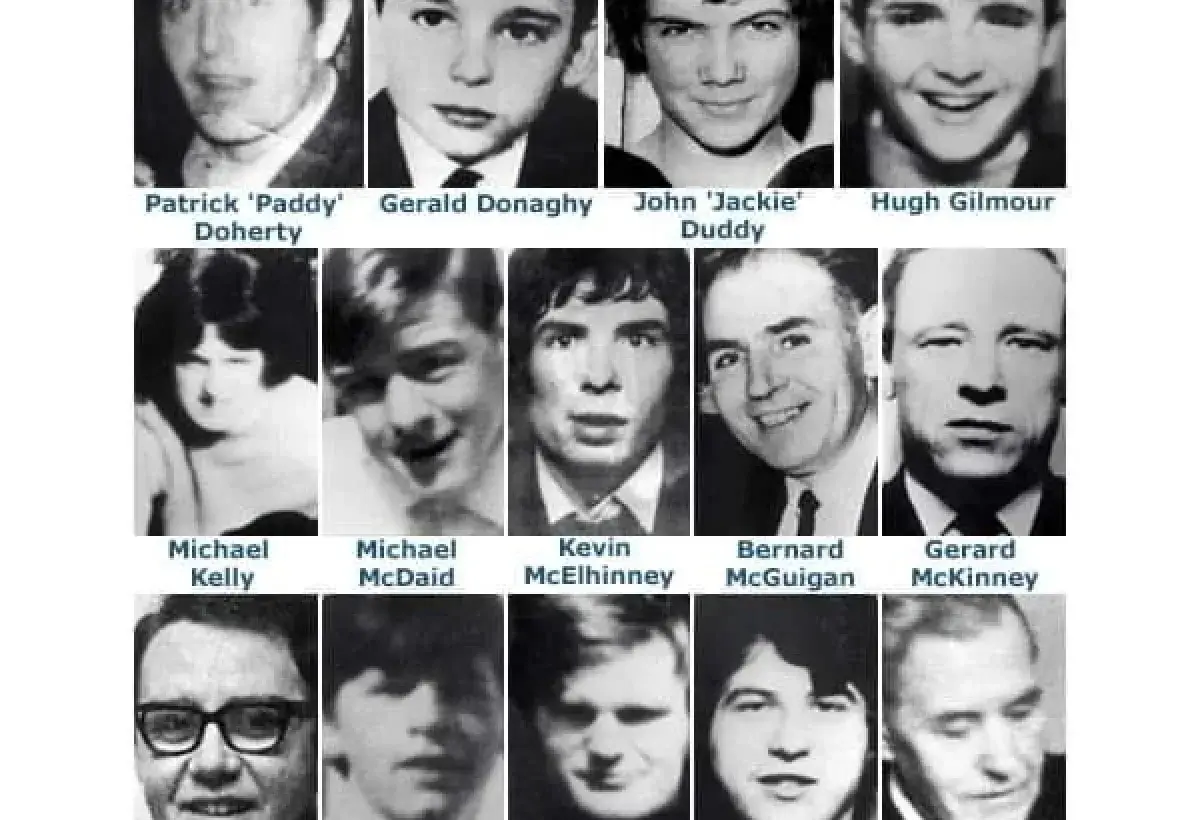
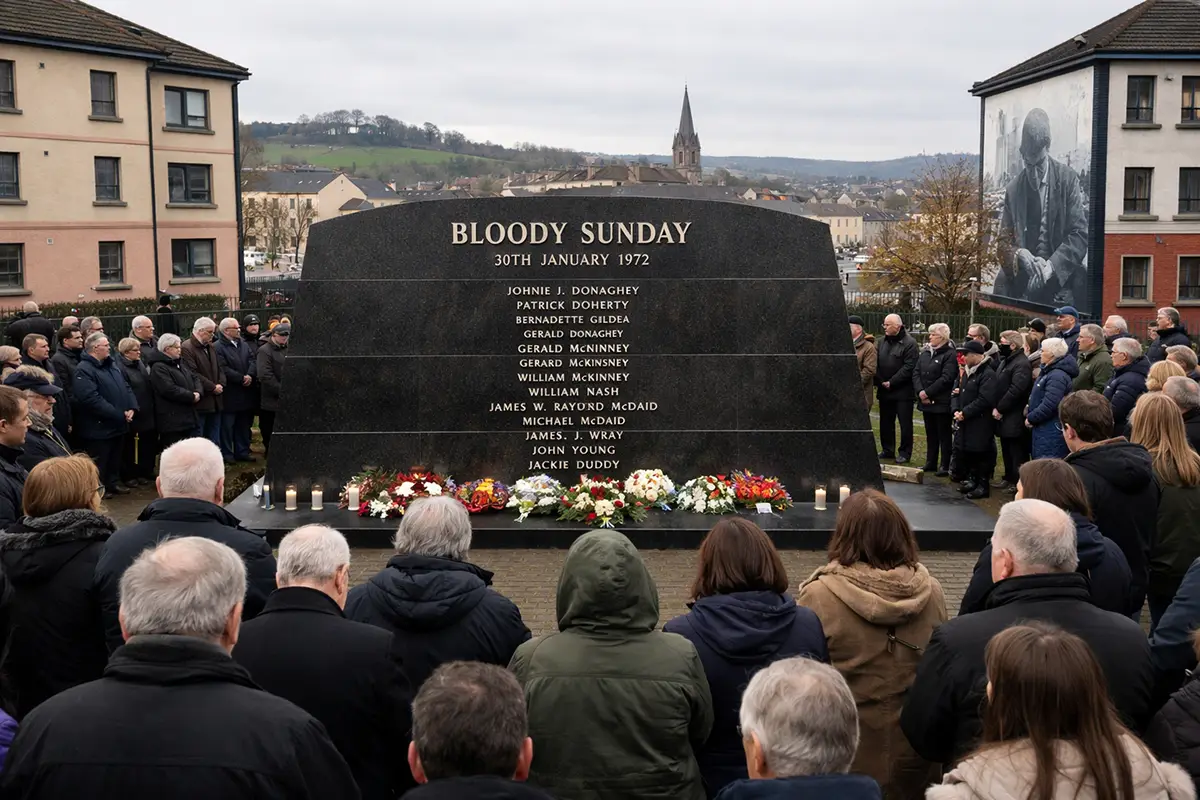
The names of the victims are now permanently associated with the event, remembered in murals, memorials, and annual commemorations. Their deaths became a powerful symbol of civilian suffering during The Troubles and a rallying point for demands for justice. The loss of fourteen lives in a single afternoon left a scar that Northern Ireland still carries today.
4. Most victims were young
One of the most heartbreaking aspects of Bloody Sunday is the age of many of those who were killed. Several victims were teenagers or young adults in their early twenties. They were students, workers, and sons who had gone out to take part in a peaceful protest or simply found themselves caught in the chaos.
The youngest victim, Jackie Duddy, was only seventeen years old. He was shot while running away from soldiers and later died from his injuries. His age became a stark reminder of how young lives were consumed by the conflict, often before they had the chance to fully begin.
Families described how their children had left home that day with no expectation of danger. Many parents believed their sons were attending a lawful march and would return safely. Instead, they were forced to identify bodies and face a lifetime of unanswered questions.
Image
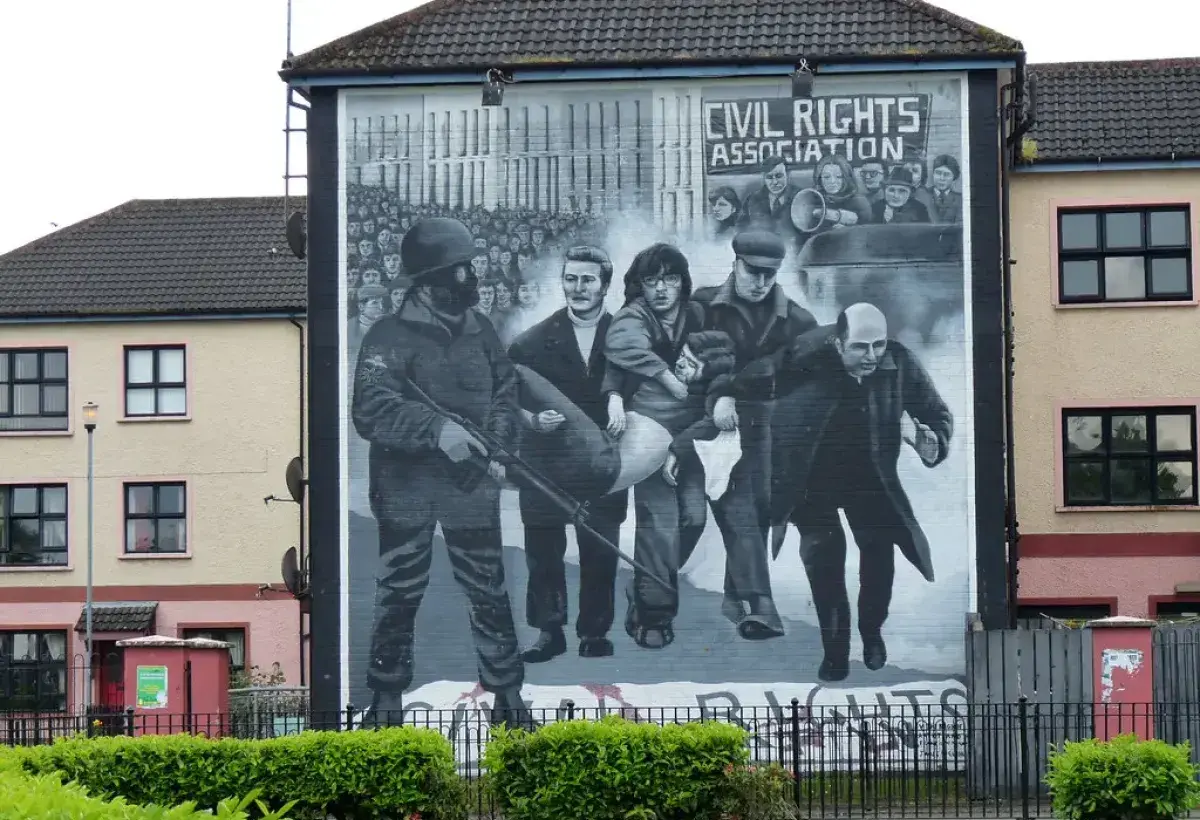
The youth of the victims intensified public anger and sorrow. It challenged any attempt to justify the violence and reinforced the sense that innocent lives had been taken without cause. For many people, Bloody Sunday became a symbol of how political conflict disproportionately harms the young and vulnerable.
5. It deepened the conflict known as The Troubles
Bloody Sunday had a profound impact on the conflict known as The Troubles, which had already been ongoing for several years. Rather than calming tensions, the killings dramatically escalated violence and mistrust. Many in the nationalist community lost any remaining faith in the British government and security forces.
In the weeks and months following the event, recruitment to paramilitary groups increased significantly, particularly to the Irish Republican Army. For some young people, Bloody Sunday confirmed the belief that peaceful protest was futile and that armed resistance was the only option left.
The event also hardened attitudes on all sides. Unionist communities viewed the aftermath with fear, while nationalist communities experienced deep anger and grief. Dialogue became more difficult, and cycles of retaliation intensified.
Image
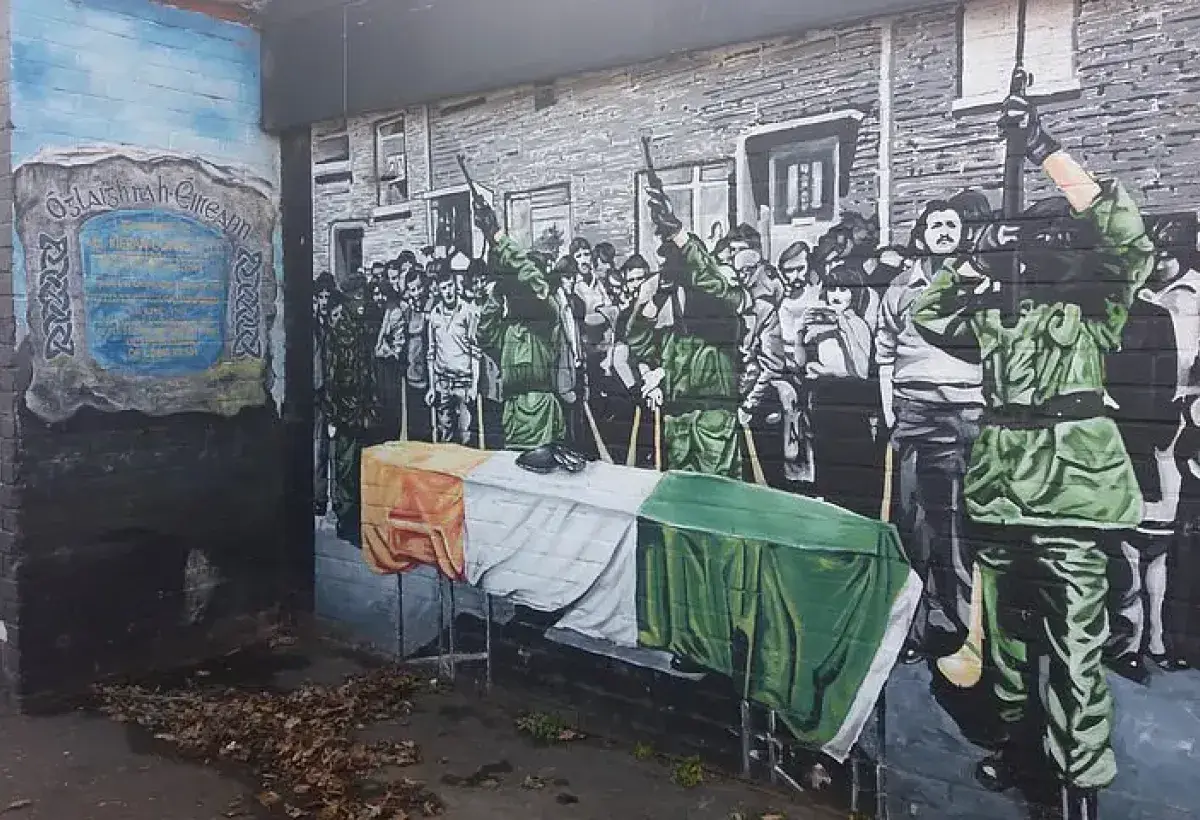
Bloody Sunday is often cited as one of the moments when The Troubles entered a darker and more violent phase. The consequences were felt not just in Northern Ireland but in Britain and Ireland as well, shaping policies, security measures, and public opinion for decades.
6. Victims were unarmed
One of the most important truths to emerge about Bloody Sunday is that the victims were unarmed. Early official statements claimed that soldiers had been fired upon and that those shot were armed or dangerous. These claims were used to justify the use of lethal force.
Over time, evidence from witnesses, journalists, and forensic analysis contradicted these accounts. No weapons were found on any of the victims. None were shown to have posed a serious threat to soldiers or others.
Image
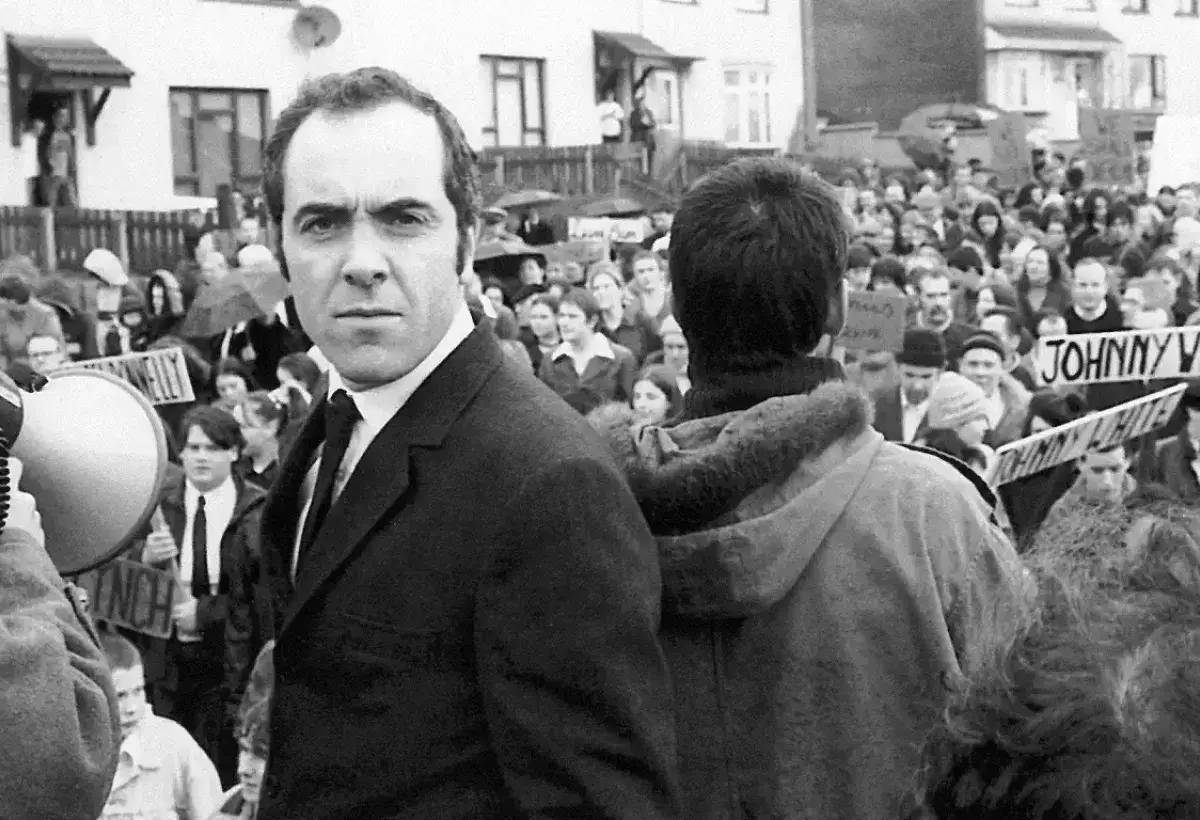
This revelation was central to later investigations and public understanding of the event. For families, it was a painful reminder that their loved ones had been falsely accused in death. The confirmation that victims were unarmed stripped away remaining defenses of the shootings and strengthened calls for accountability and apology.
7. Led to worldwide outrage
News of Bloody Sunday spread rapidly beyond Northern Ireland. Images and reports of soldiers shooting civilians shocked international audiences. Protests erupted in cities across Europe and beyond, condemning the actions of British forces.
In Ireland, anger was particularly intense. The British Embassy in Dublin was burned by protesters, reflecting the depth of public fury. International media coverage framed Bloody Sunday as a human rights violation, placing pressure on the British government to respond.
Image
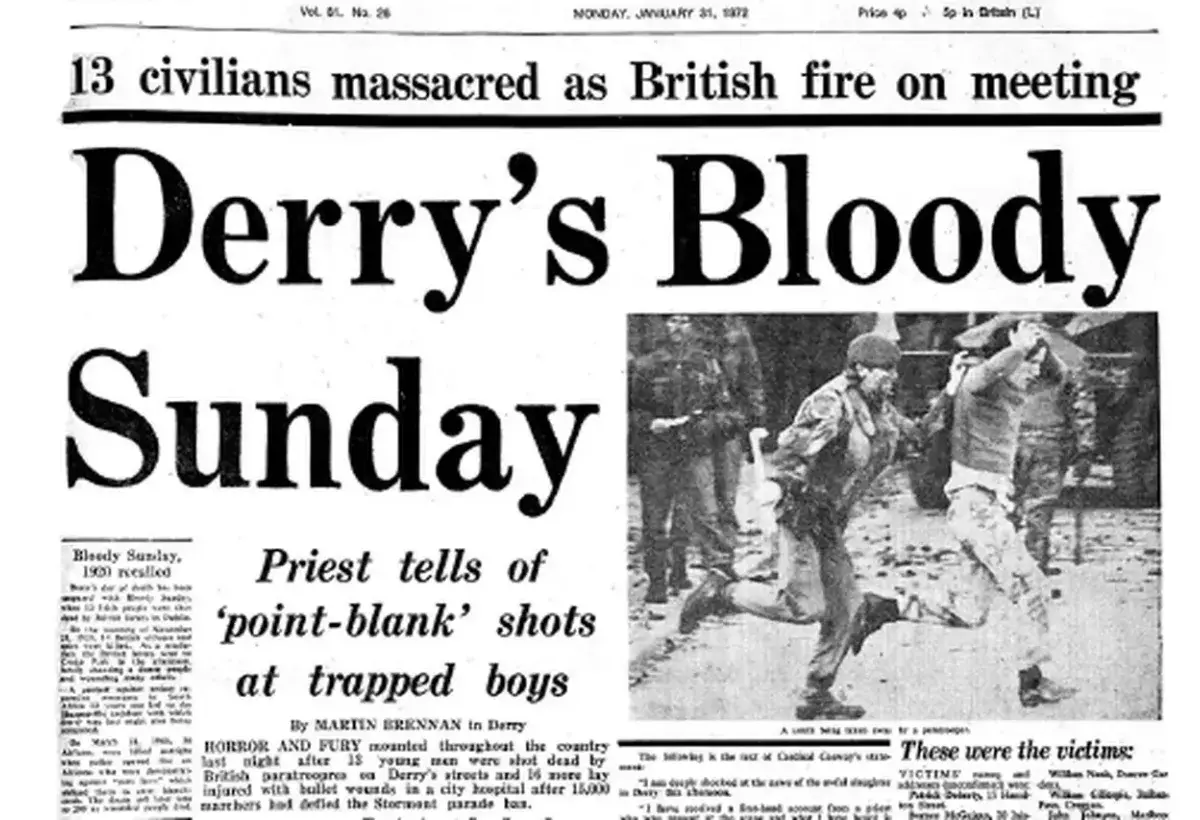
The event damaged Britain’s international reputation and became a reference point in discussions about state violence and civil rights. Worldwide outrage ensured that Bloody Sunday would not be forgotten or easily dismissed as a local incident.
8. Inspired songs and art
Bloody Sunday left a deep mark on cultural expression. Artists, musicians, poets, and filmmakers responded to the tragedy by creating works that explored grief, anger, and the search for justice. One of the most famous responses was the song Sunday Bloody Sunday by U2, which brought global attention to the event.
Murals in Derry and other parts of Northern Ireland depict scenes from the march and honor the victims. These artworks serve as both memorials and political statements, reminding viewers of the human cost of conflict.
Image
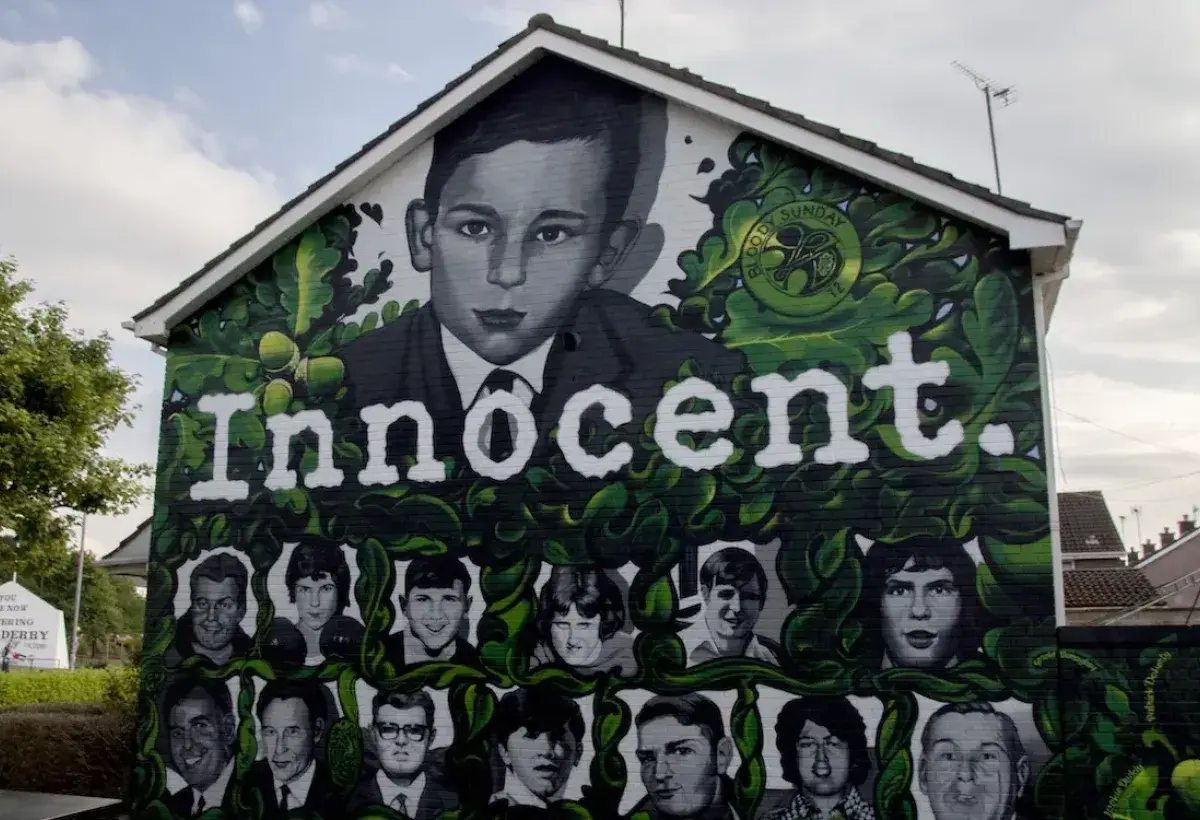
Through art and music, the story of Bloody Sunday reached audiences far beyond those directly affected. Creative expression helped preserve memory, challenge official narratives, and encourage reflection across generations.
9. The Saville Inquiry brought truth
Decades after Bloody Sunday, a second official investigation was launched known as the Saville Inquiry. Unlike earlier inquiries, it was thorough and extensive, hearing testimony from hundreds of witnesses over many years.
In 2010, the inquiry concluded that the killings were unjustified and unjustifiable. It confirmed that none of the victims posed a threat and that soldiers had given false accounts of their actions.
Image
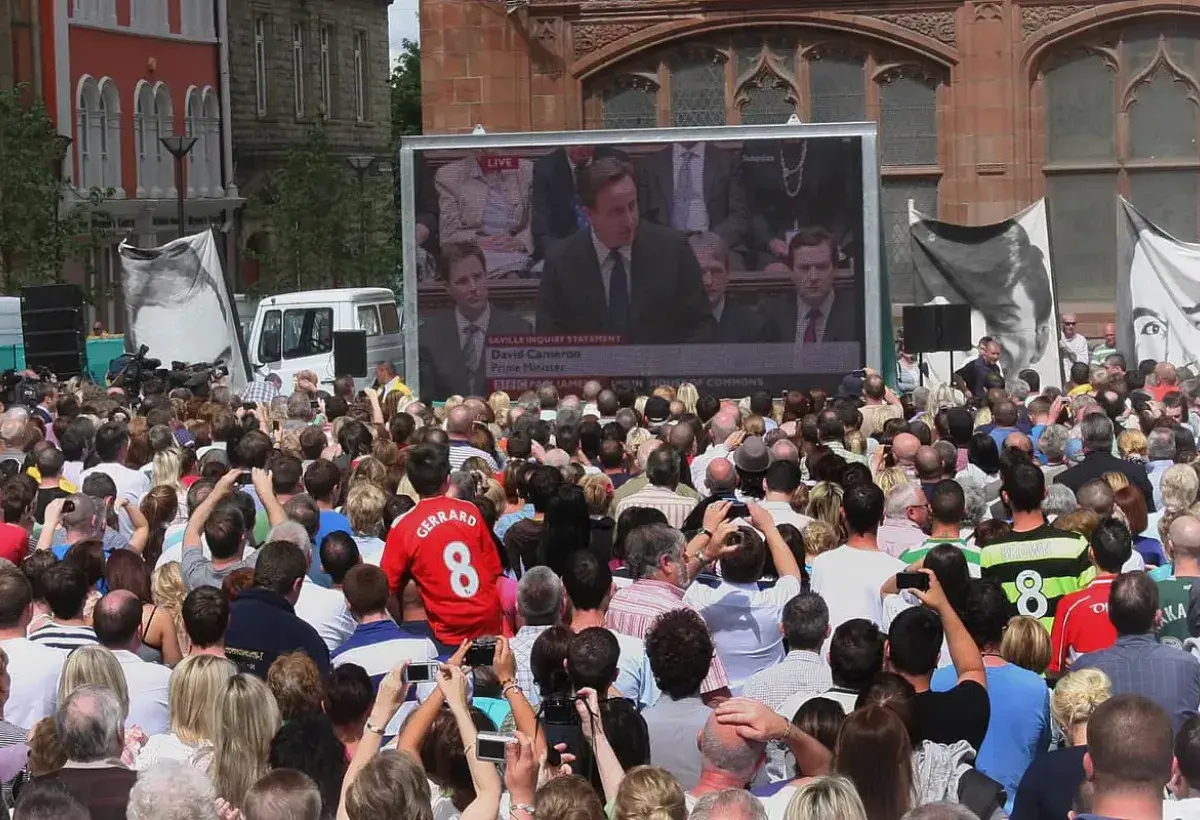
Following the report, British Prime Minister David Cameron issued a formal apology on behalf of the government. For many families, this acknowledgment was a moment of validation, though it did not erase decades of pain.
10. Remembered every year
Bloody Sunday is commemorated annually in Derry through marches, memorial services, and educational events. These commemorations honor the victims and reaffirm commitments to peace and civil rights.
Families of the victims continue to play a central role in remembrance efforts, ensuring that the truth is preserved and passed on to younger generations. Schools and community groups use the anniversary as an opportunity to discuss history, justice, and reconciliation.
Image
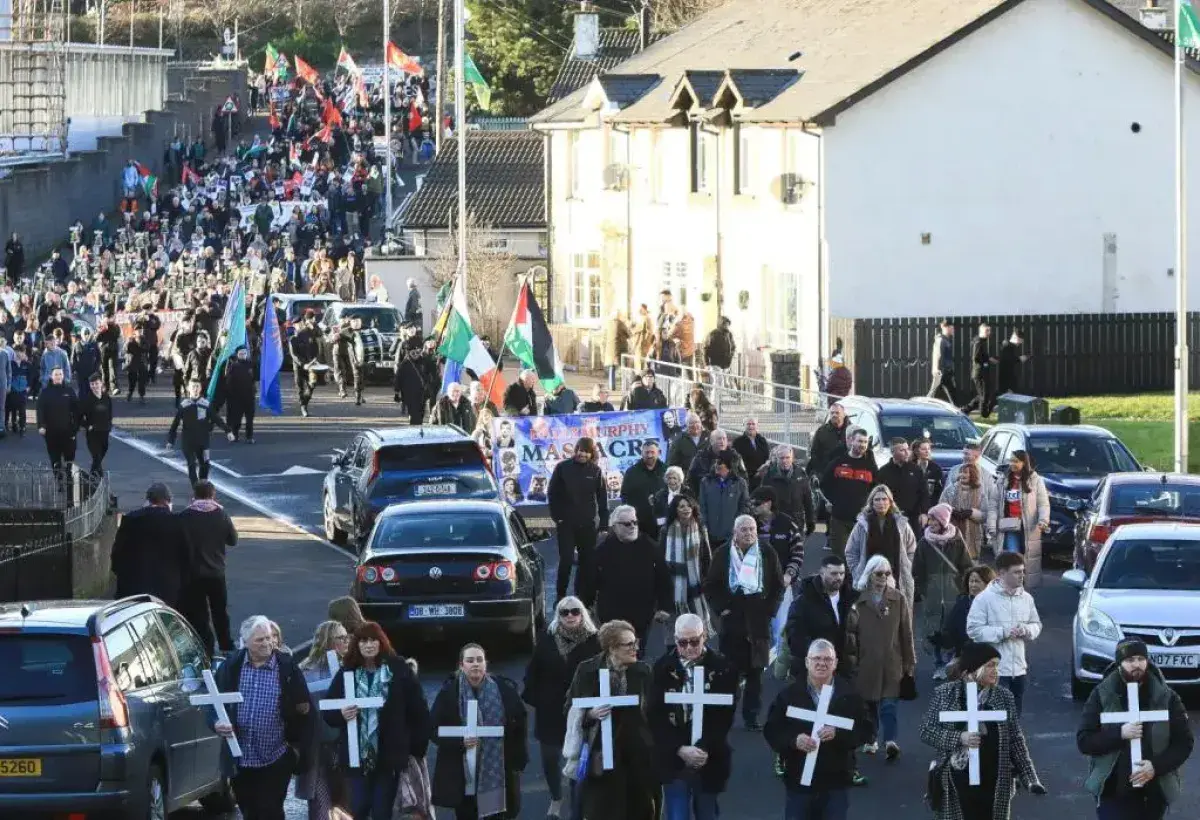
Remembering Bloody Sunday is not about reopening wounds but about acknowledging the past in order to build a more just future. The event remains a powerful reminder of why peaceful protest, accountability, and respect for human life matter.
Bloody Sunday stands as a solemn reminder of how quickly injustice can unfold when power is misused and voices are ignored. The events of January 30, 1972 were not inevitable. They were the result of decisions that carried irreversible consequences for families, communities, and an entire region.
Understanding Bloody Sunday requires more than memorizing dates or numbers. It demands empathy for the lives lost, respect for those who sought truth, and awareness of how history shapes the present. The long delay in acknowledging wrongdoing shows how painful and complex accountability can be, especially when state institutions are involved.
Today, Bloody Sunday is remembered not only as a tragedy but as a lesson. It highlights the importance of protecting civil rights, ensuring transparency, and listening to marginalized voices. The peace process in Northern Ireland owes much to the hard lessons learned during The Troubles, including the recognition that violence only deepens division.
As new generations learn about Bloody Sunday, its relevance remains clear. Remembering the past honestly is essential to preventing its repetition. The legacy of Bloody Sunday continues to call for justice, understanding, and a commitment to peace that honors those who never made it home that day.