

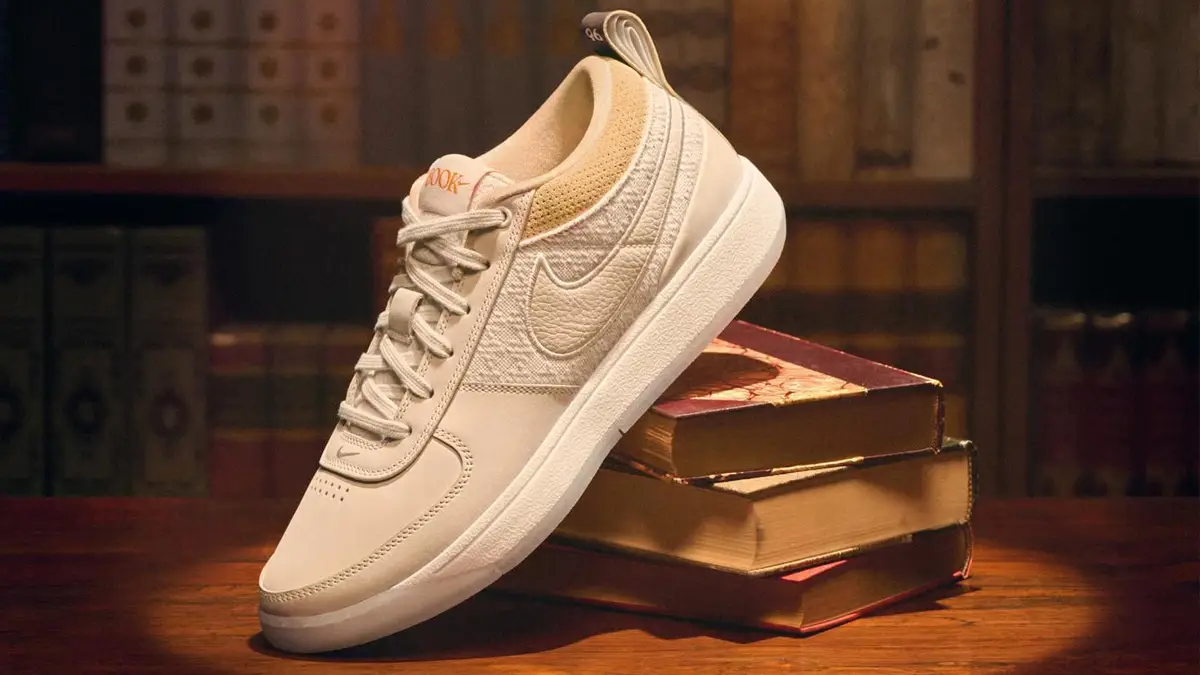
Nike is more than just a sportswear company. It is a cultural force that has shaped how people think about athletics, fashion, motivation, and even personal identity. From professional athletes breaking world records to everyday people lacing up sneakers for a morning walk, Nike has embedded itself into daily life across generations and continents. The swoosh logo is instantly recognizable, often carrying emotional weight tied to perseverance, confidence, and ambition.
What makes Nike especially fascinating is that its rise was never guaranteed. The brand grew through experimentation, bold risks, and moments of uncertainty that could have easily gone the other way. Behind the sleek marketing campaigns and billion dollar endorsements lies a story driven by curiosity, stubborn belief, and a willingness to try ideas that seemed strange at the time. Nike did not start with massive factories or global reach. It started with curiosity about better shoes and a belief that athletes deserved equipment designed with care.
Nike’s story is also deeply human. It includes students working late nights, coaches tinkering with household tools, designers being paid modestly for work that later became legendary, and athletes who took chances on an unproven brand. Many of the company’s biggest breakthroughs came from accidents, conversations, or experiments that were never meant to become historic moments.
Let's explores ten fun and surprising facts about Nike that reveal how the brand evolved from humble beginnings into a global powerhouse. Each fact highlights a different side of Nike’s journey, from creative inspiration to cultural impact. Whether you are a sneaker enthusiast, a sports fan, or simply curious about how iconic brands are built, these stories show that Nike’s success is rooted in imagination, persistence, and timing.
1. Born as Blue Ribbon Sports
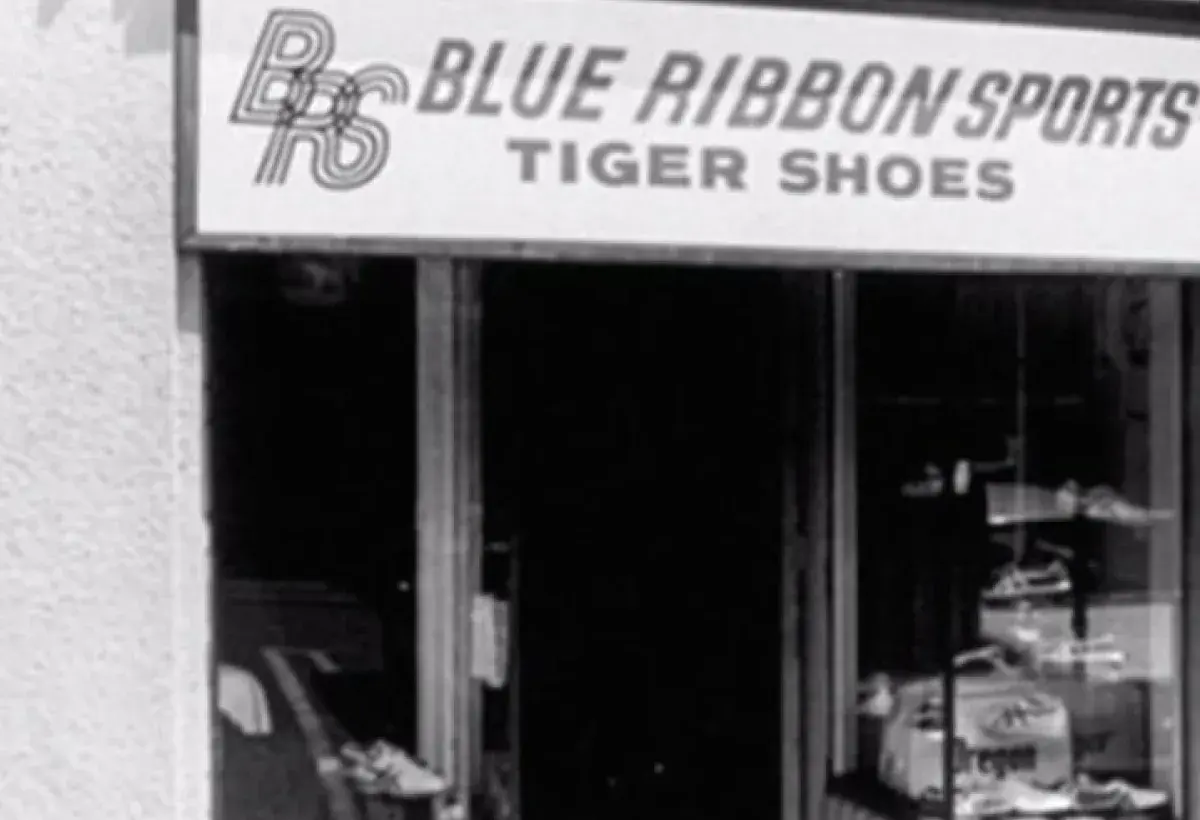
Before the name Nike ever existed, the company was known as Blue Ribbon Sports. Founded in 1964 by Phil Knight and his former track coach Bill Bowerman, the business began as a modest operation focused on importing and selling running shoes made by the Japanese brand Onitsuka Tiger. At the time, high quality athletic footwear was expensive and limited, especially for American runners who wanted performance without luxury pricing.
Phil Knight believed that Japanese manufacturers could produce well made shoes at a lower cost, similar to how Japanese cameras were competing with European brands. Blue Ribbon Sports did not have stores or warehouses in its early days. Instead, Knight sold shoes directly to athletes at track meets, often opening the trunk of his car to show different sizes and styles. This hands on approach allowed him to speak directly with runners and understand what they wanted from their footwear.
Bill Bowerman played a crucial role by constantly questioning how shoes could be improved. As a coach, he was obsessed with reducing weight and increasing comfort for his athletes. He took notes, tested ideas, and offered feedback to manufacturers. This collaboration between seller and coach created a foundation of athlete focused design that later became a defining trait of Nike.
Blue Ribbon Sports officially became Nike in 1971, marking a turning point from distributor to creator. The name change represented independence and ambition. What began as a side business fueled by passion and persistence became the starting line for one of the most influential brands in modern history.
Image
2. The Swoosh Cost Just $35
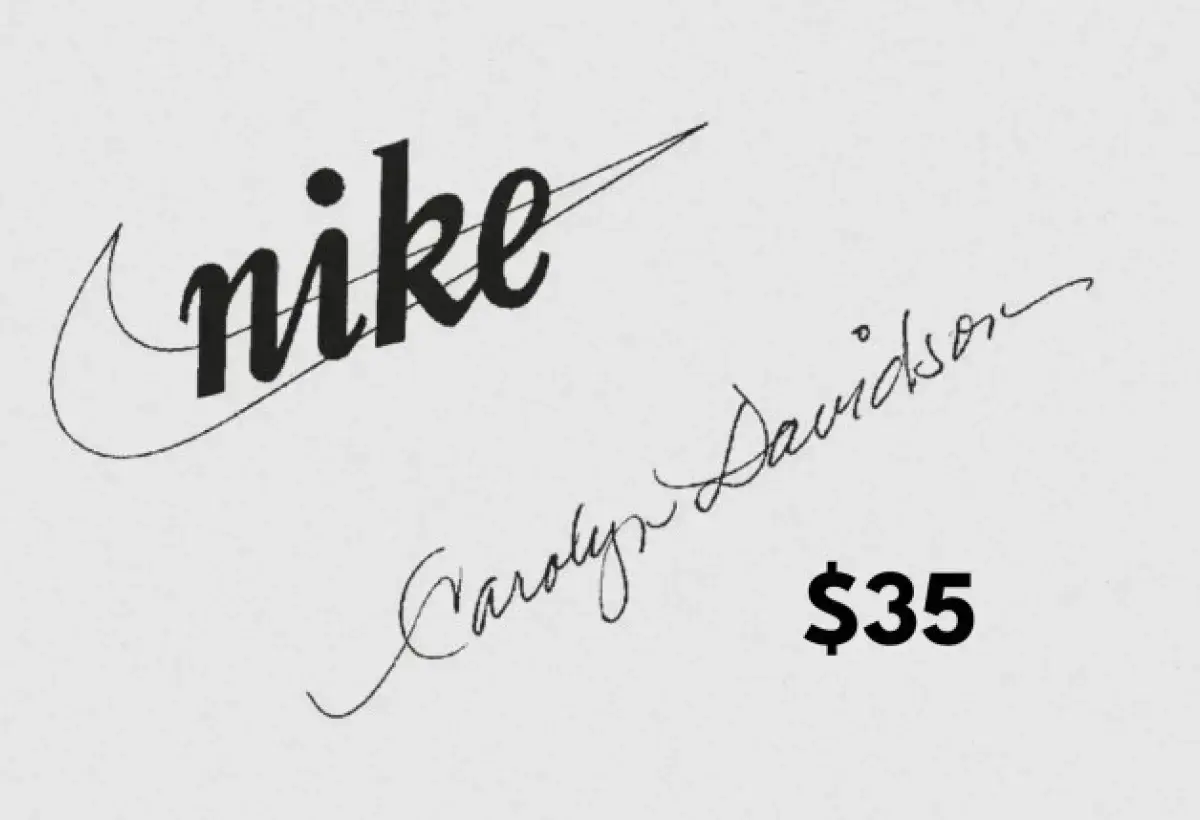
The Nike swoosh is one of the most recognizable logos in the world, yet its origin is surprisingly humble. In 1971, Phil Knight needed a logo for the newly renamed Nike brand and turned to Carolyn Davidson, a graphic design student at Portland State University. Knight had met Davidson while teaching accounting classes and knew she needed extra money for school.
Davidson was paid just thirty five dollars for the design. At the time, the logo was meant to represent motion and speed, inspired by the wing of the Greek goddess Nike. Phil Knight was not immediately in love with the design but decided it would work well enough to move forward. The swoosh was first used on shoes without fanfare or expectation that it would become iconic.
As Nike grew, so did the value of that simple curved mark. Years later, in 1983, Phil Knight invited Davidson to a company gathering and surprised her with a gold swoosh ring and shares of Nike stock. That stock eventually became worth millions, turning her modest freelance job into one of the most famous design stories in business history.
The swoosh proves that powerful branding does not always come from expensive agencies or complex ideas. Sometimes it comes from simplicity, timing, and a willingness to trust creative intuition. Today, the swoosh often appears without the Nike name at all, a testament to how deeply the symbol has embedded itself into global culture.
Image
3. Waffle Iron Innovation
One of Nike’s most famous innovations came not from a laboratory but from a kitchen. Bill Bowerman was constantly searching for ways to improve traction for runners, especially on different surfaces. While watching his wife use a waffle iron, he noticed the grid pattern and had a sudden idea. What if a shoe sole could mimic that texture to grip the ground better?
Bowerman experimented by pouring rubber into the waffle iron, permanently damaging the appliance in the process. The result was a lightweight sole with excellent traction that provided both flexibility and grip. This waffle sole became a breakthrough in running shoe design and gave Nike a competitive advantage in the market.
The innovation was not just about performance but also about philosophy. Bowerman believed that small changes could lead to meaningful improvements for athletes. His willingness to experiment with unconventional tools reflected Nike’s broader culture of curiosity and risk taking. The waffle sole helped establish Nike as a brand driven by innovation rather than imitation.
Today, the waffle sole is celebrated as a symbol of creative problem solving. It reminds people that inspiration can come from anywhere and that progress often begins with curiosity and a willingness to try something unusual.
Image

4. Greek Goddess Inspiration
The name Nike comes from the Greek goddess of victory, a powerful symbol associated with speed, strength, and triumph. In ancient mythology, Nike was often depicted with wings, representing swift movement and success in battle or competition. Choosing this name gave the brand a mythological depth that aligned perfectly with athletic achievement.
The decision to use Nike as the brand name helped distinguish it from competitors that relied on surnames or technical terms. It conveyed emotion and aspiration rather than function alone. The association with victory resonated with athletes who wanted to feel empowered and confident.
This mythological influence also shaped Nike’s branding language over time. Campaigns focused on winning, overcoming obstacles, and pushing limits echo the goddess’s symbolism. Even the swoosh itself reflects movement and momentum, reinforcing the idea of forward motion.
By drawing from ancient mythology, Nike connected timeless human desires with modern performance. The name continues to inspire athletes and everyday people alike to associate effort with achievement.
Image

5. “Just Do It” Has a Dark Origin
Nike’s iconic slogan Just Do It is one of the most famous advertising phrases ever created, yet its origin is unexpectedly dark. The phrase was inspired by the final words of Gary Gilmore, a convicted murderer who said Let’s do it before his execution in 1977. Dan Wieden, co founder of the advertising agency Wieden plus Kennedy, later adapted the phrase into something more motivational.
By slightly altering the wording, the slogan transformed into a powerful call to action. It encouraged people to stop overthinking and take the first step, whether in sports or in life. When Nike launched the campaign in 1988, the brand was struggling to compete with rivals and needed a unifying message.
Just Do It resonated across age groups and fitness levels. It was not limited to elite athletes but spoke to anyone facing self doubt or hesitation. The slogan helped redefine Nike as a brand about mindset as much as movement.
Despite its dark inspiration, the phrase became a symbol of positivity and empowerment. It demonstrates how context and intention can reshape meaning, turning a grim reference into one of the most uplifting messages in advertising history.
Image
6. From Track to Space
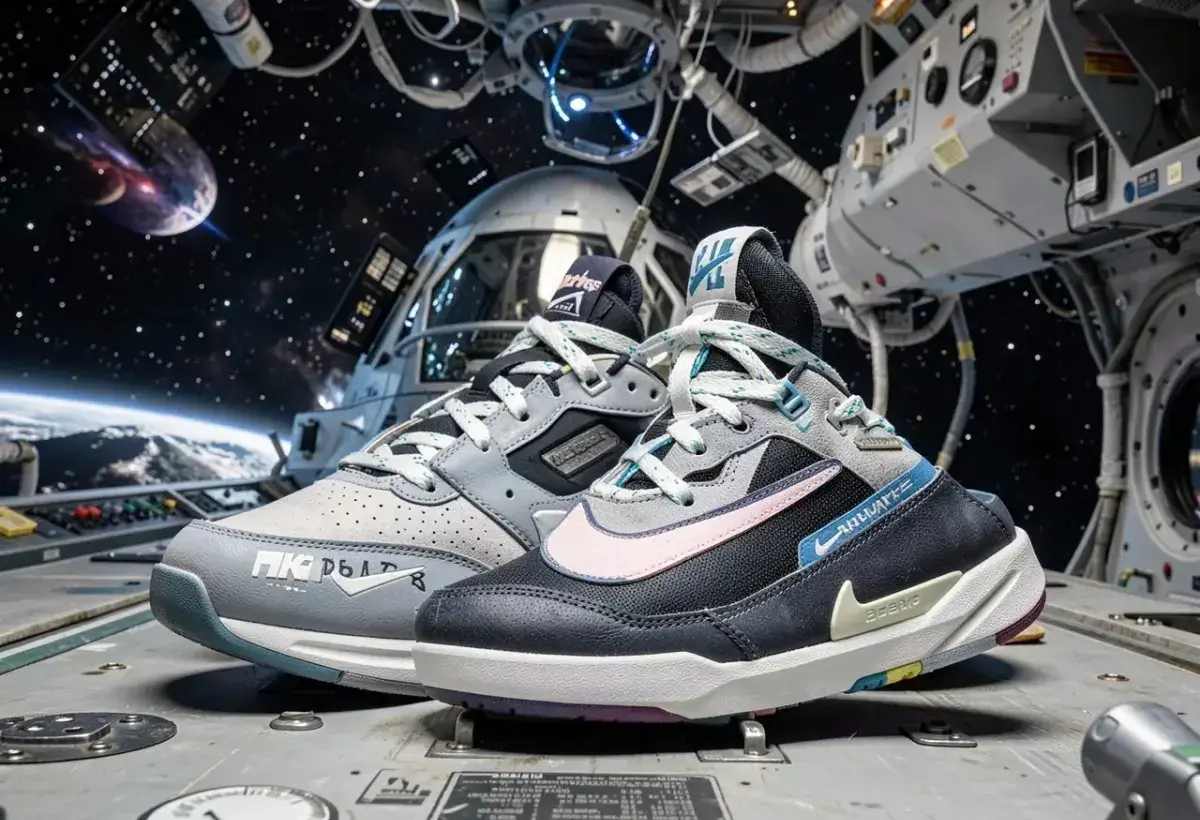
Nike’s influence has extended beyond Earth itself. In 1984, the company designed special athletic shoes for astronauts to wear inside the space shuttle. These shoes were intended to provide comfort and grip in zero gravity environments where traditional footwear was impractical.
The project highlighted Nike’s reputation for innovation and adaptability. Designing for space required thinking beyond conventional use cases and considering how materials behave in unique conditions. While the shoes were not commercially released, they symbolized Nike’s ambition to push boundaries.
This moment also reinforced Nike’s image as a brand willing to explore unconventional partnerships. From athletes to astronauts, Nike positioned itself as a companion for anyone pushing limits.
The idea that a running shoe company contributed to space missions adds a fascinating chapter to Nike’s story. It shows how far the brand’s influence has traveled from its humble beginnings.
Image
7. Air Jordans Changed Everything
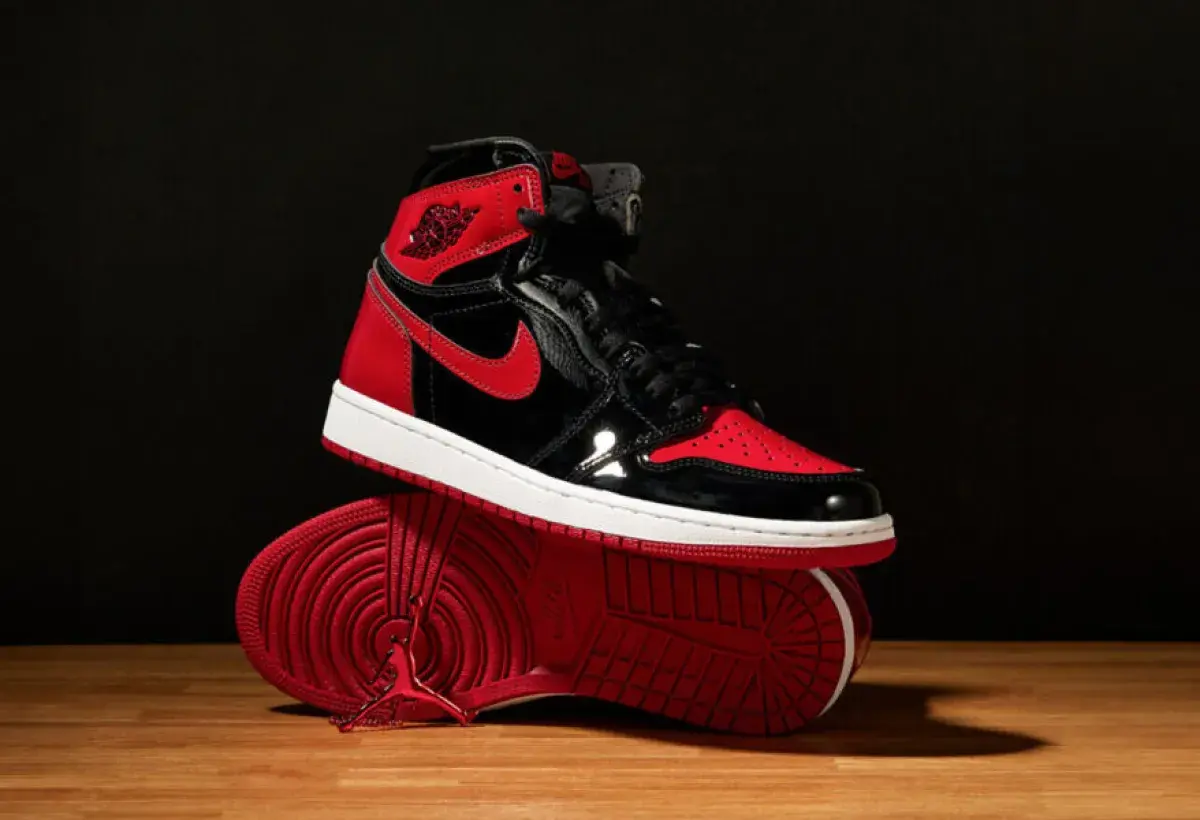
When Nike signed Michael Jordan in 1984, the company expected moderate success. Jordan was a rookie, and basketball shoes were not yet cultural icons. Nike projected sales of a few million dollars over several years. Instead, Air Jordans generated over one hundred million dollars in the first year alone.
The partnership transformed sneakers into symbols of identity and self expression. Air Jordans were not just performance shoes but fashion statements. Their bold colors and designs broke league rules, adding controversy and excitement.
The success of Air Jordans also changed athlete endorsements forever. It proved that athletes could be brands in their own right. Jordan’s line continues to generate billions annually and remains one of the most successful collaborations in history.
Air Jordans turned Nike into a cultural powerhouse. They bridged sports, music, and street culture, shaping how sneakers are perceived to this day.
Image
8. Sustainable Steps
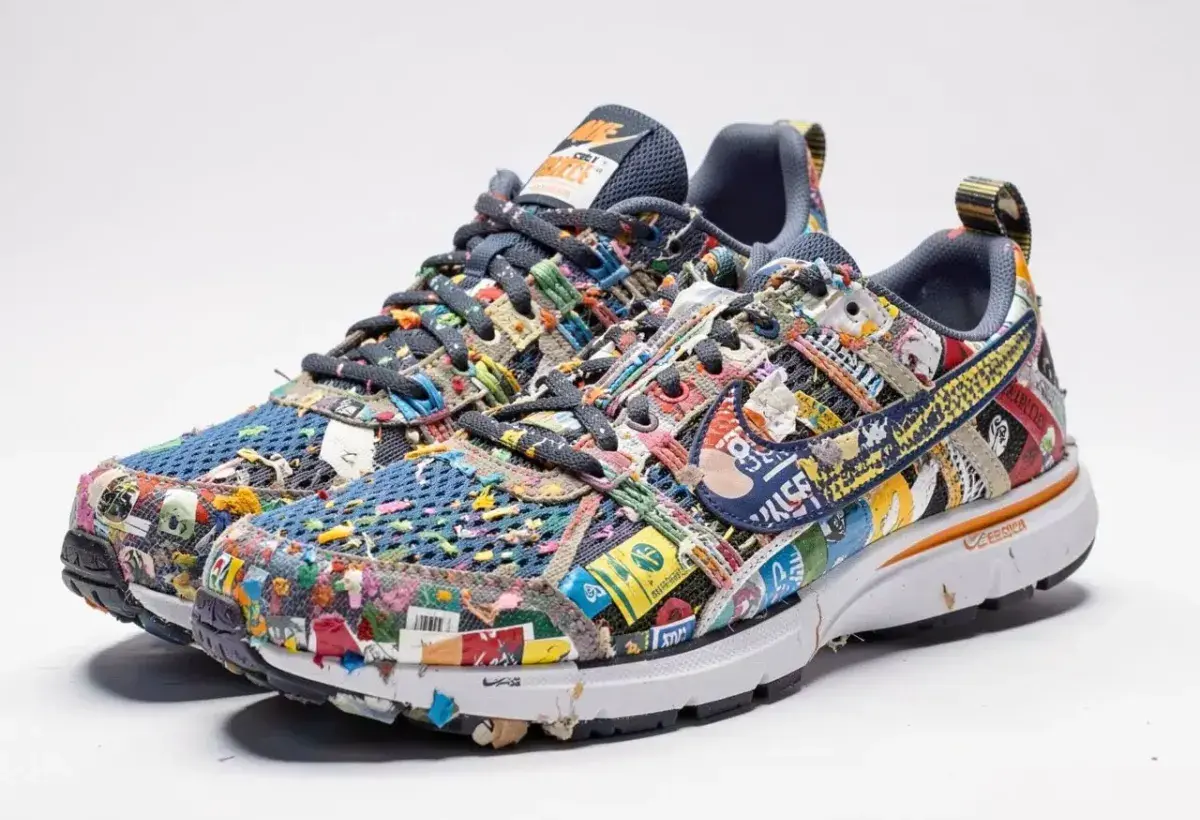
Nike has increasingly focused on sustainability through initiatives like Move to Zero. The campaign aims to reduce carbon emissions and waste across the company’s operations. Nike uses recycled materials such as plastic bottles and old sneakers to create new products.
This shift reflects changing consumer values and Nike’s recognition of its environmental impact. Sustainable design challenges Nike to innovate while maintaining performance standards. Many modern Nike shoes now include recycled polyester and rubber.
Nike also invests in renewable energy and more efficient manufacturing processes. These efforts show that large global brands can take responsibility for their footprint.
While sustainability remains a work in progress, Nike’s commitment marks an important step toward aligning performance with environmental care.
Image
9. Beyond Sports
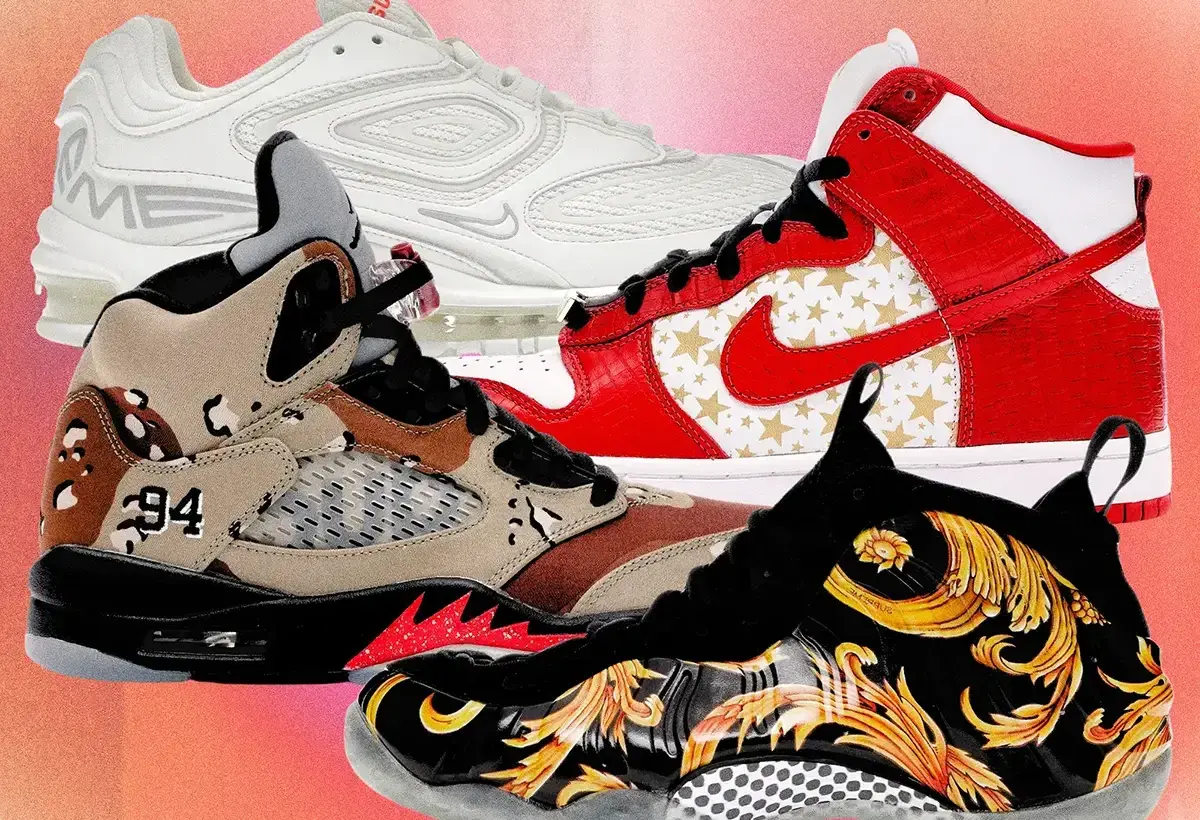
Nike’s influence goes far beyond athletics. The brand has become deeply embedded in music, art, and streetwear culture. Collaborations with designers and artists have turned sneakers into collectible pieces.
Limited releases and storytelling have created a sense of community and exclusivity. Sneakers are displayed in galleries, resold at high prices, and treated as cultural artifacts.
Nike’s ability to stay relevant across generations comes from understanding culture, not just sport. It listens, adapts, and collaborates.
This cultural reach ensures Nike remains more than a sports brand. It is a lifestyle symbol.
Image
10. A Global Empire That Started Small
Nike’s journey from selling shoes out of a car to becoming a global empire is a classic story of persistence and belief. The company now operates in nearly every country and influences countless aspects of sport and culture.
Despite its size, Nike often emphasizes its roots. Innovation, athlete feedback, and experimentation remain central to its identity. The brand continues to tell stories of effort and ambition.
Nike’s growth shows how small ideas can scale when paired with vision and resilience. It reminds entrepreneurs and creators that beginnings do not define limits.
From local track meets to global stages, Nike’s run is far from over.
Image
Nike’s story is not just about shoes or slogans. It is about curiosity, courage, and the willingness to move forward even when the path is unclear. From kitchen experiments to cultural revolutions, Nike’s journey reflects the power of belief combined with action.
Each fun fact reveals a layer of humanity behind the brand. Designers, athletes, coaches, and dreamers all played a role in shaping what Nike represents today. The brand’s success did not come from perfection but from persistence and adaptability.
Nike continues to evolve with changing times, embracing sustainability, inclusivity, and innovation. Yet its core message remains the same. Movement matters. Effort counts. Action creates possibility.
Whether you wear Nike to train, express style, or feel motivated, you are participating in a story that began with a simple idea and a lot of determination. And that story continues to inspire millions around the world to take the next step forward.
Image