

I recently read an article about what we can control and what we cannot.
At first, it sounded simple. Almost obvious. But the more I sat with it, the more it unsettled me. The article spoke about the internal and the external. About how the internal, our thoughts, opinions, plans, reactions, desires, and actions belongs to us. These things, it said, remain within our reach because they originate inside us. They are formed in the quiet spaces of the mind, long before they appear as words, decisions, or behavior.
What we choose to put into our bodies.
What we allow to enter our minds.
What we dwell on, rehearse, resist, or quietly accept.
These are ours.
But the external, the world beyond our doing, is not. Events, circumstances, news, outcomes, other people’s behavior, timing, loss, success, recognition, rejection. These things move independently of us. They arrive uninvited. They unfold without asking for permission. This idea isn’t modern. It traces back centuries to the opening lines of Enchiridion, where Epictetus writes with striking clarity that some things are up to us, and some things are not and that confusing the two is where human suffering quietly begins. The reflection I read continued in a tone that felt honest rather than comforting. It said something like this:
“Today, you won’t control external events. Is that scary? A little. But it balances out when you realize that you can control your opinion about those events. You decide whether they are good or bad, fair or unfair. You can’t control the situation but you can control what you think about it. All we truly have is our mind.”
All we truly have is our mind
I remember pausing after reading that last line: All we truly have is our mind. At first, the thought felt grounding. Even reassuring. But then another feeling crept in, quiet, heavy, difficult to name. If all we truly have is our mind… why does it feel like so many things are constantly trying to take it?
I began to notice something I had previously accepted without question.
Why do companies big or small spend enormous amounts of money and energy on advertising? Why are images polished, stories refined, emotions engineered? Why do influencers, whether famous or just starting out, curate every detail of how they look, live, speak, and move through the world? And why does everything now arrive wrapped in a narrative?
Products are no longer just products. Ideas are no longer just ideas. Even lifestyles are presented as templates. . . this is what happiness looks like, this is what success feels like, this is how love should appear, this is what a meaningful life resembles. The answer, once seen, feels both obvious and unsettling. Because the most valuable territory today is not land, or oil, or even information. It is attention.
Image
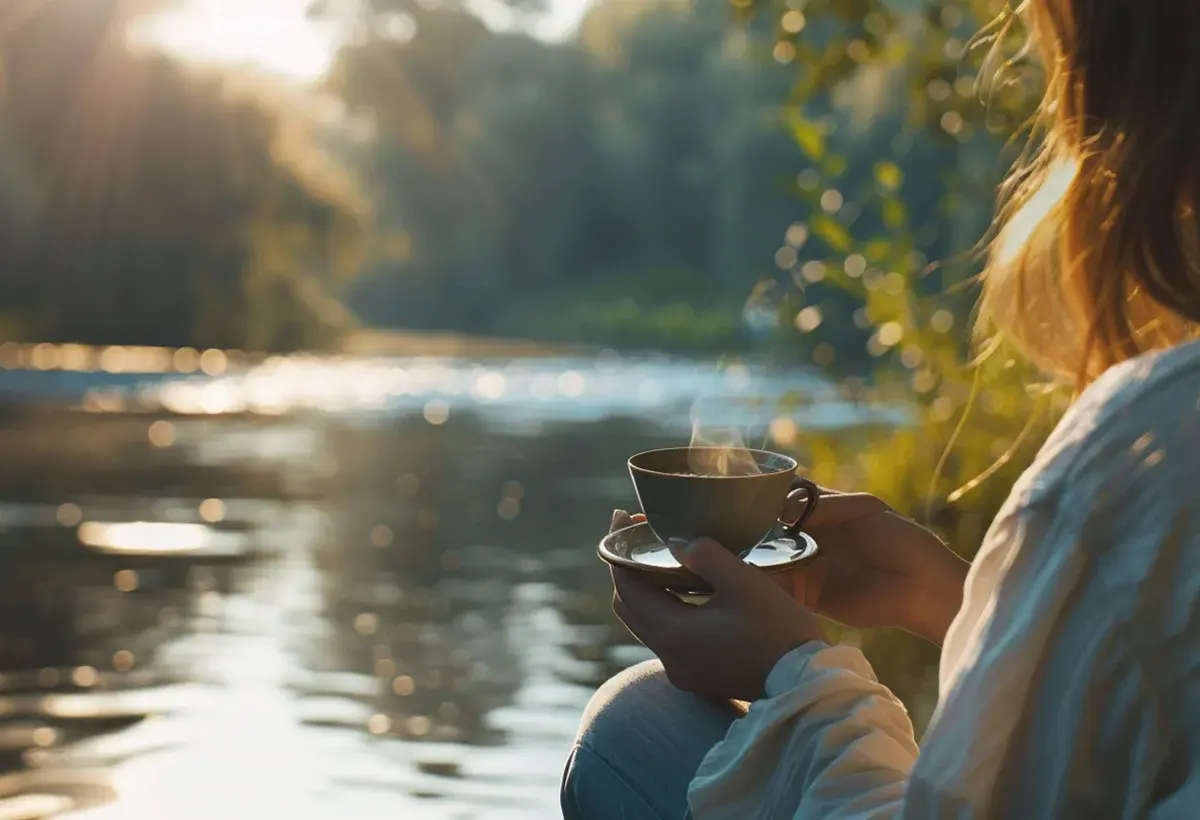
To enter someone’s mind is to sit quietly beside them as they make everyday decisions.
What to buy. What to admire. What to fear. What to desire. What to believe is normal, acceptable, or necessary. To enter the mind is to influence not just behavior, but identity. And the world has become exceptionally skilled at doing this.
There are almost no boundaries now
Influence travels instantly, invisibly, and continuously. It moves through screens we carry everywhere. Through voices we invite into our homes. Through images we scroll past while tired, distracted, or emotionally open. And here is the part that lingers uncomfortably: Most of us believe we are freely choosing. We feel autonomous. Independent. Rational. Yet often, the frame of choice has already been shaped before we even realize we are choosing. This realization stopped me deeply. I began to look backward, not with blame or regret, but with curiosity.
Who or what has most influenced the way I think?
Which institutions, people, beliefs, or ideas have quietly guided my decisions?
Which voices have I allowed into my inner world so consistently that they now sound like my own? The questions did not arrive loudly. They arrived gently, and that made them harder to ignore. When I answered honestly, I noticed things that surprised me.
Some of my goals did not originate from my deepest values, but from what I had seen repeatedly celebrated. Some of my desires mirrored advertisements more than inner longings. Some of my fears echoed headlines and social narratives rather than lived experience. Even my definition of “a good life” looked suspiciously similar to what I had been shown, rather than what I had chosen. And then came the more unsettling question:
Is my life a mosaic of other people’s ideas? Have I been planning based on what friends, family, culture, or influencers subtly suggested life should look like? Have I mistaken visibility for truth, popularity for wisdom, repetition for reality? Am I suppressing parts of myself not because they are wrong, but because they don’t fit the story I’ve been absorbing?
Image
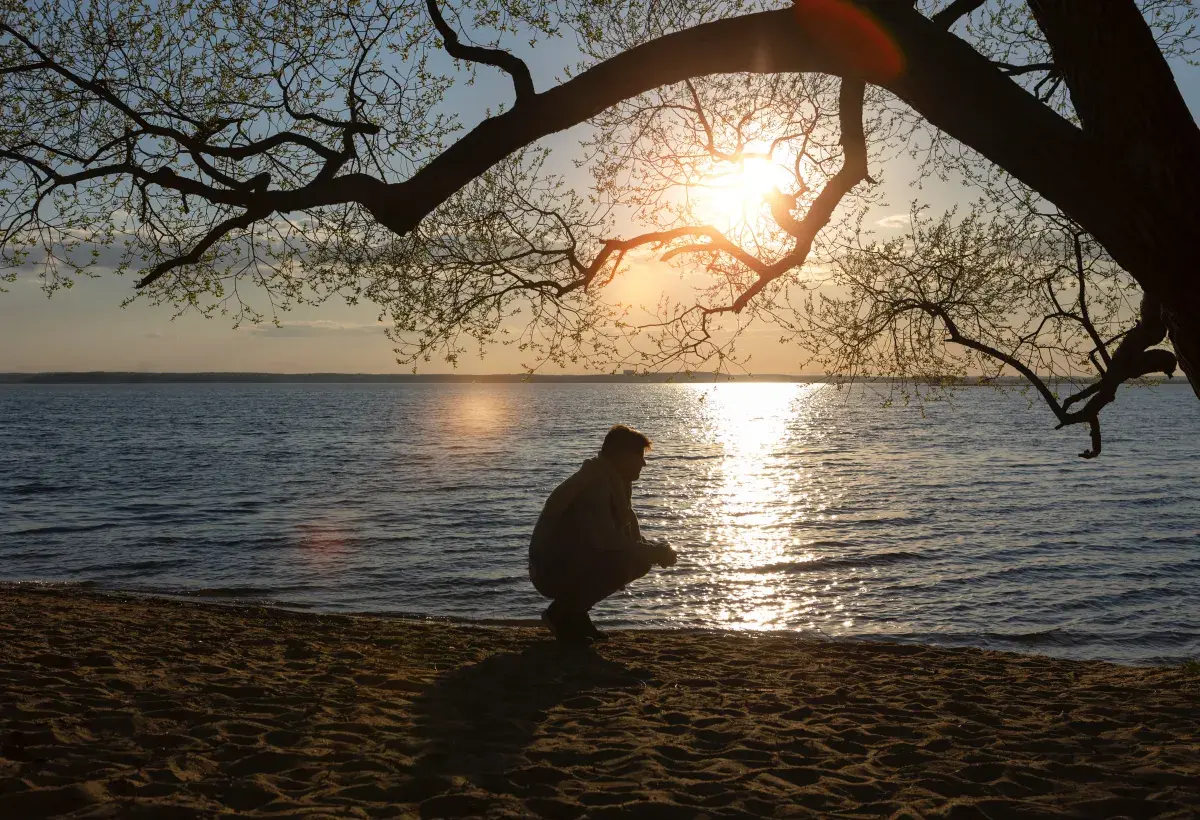
That question whispers, and once heard, it changes how everything sounds. What makes this moment in history particularly delicate is not that influence exists. Influence has always existed. Families, cultures, religions, philosophies all have shaped minds long before screens did.
What feels different now is speed
There is little space between exposure and response. Between seeing and wanting. Between hearing and believing. The mind barely has time to ask, Is this mine? before it is already moving. When the mind becomes crowded, discernment weakens. When discernment weakens, values blur. And when values blur, we begin to live reactively responding to what is loudest rather than what is truest.
This is not an argument against technology, marketing, or modern life. It is simply an observation. Awareness doesn’t require rejection. It only asks for honesty. Epictetus did not warn that the external world is evil. He simply reminded us that it is not ours to control. Our freedom, he suggested, lies in recognizing that boundary clearly and in guarding the inner space where judgment, meaning, and values are formed.
When that boundary dissolves, anxiety grows quietly. When it is restored, clarity returns just as quietly. Perhaps this is why values matter not as slogans, not as inherited rules, but as anchors. Without them, we drift wherever influence pulls us. With them, we can move through the world without being consumed by it. As I sit with all of this, I don’t feel panic. I feel awakening. Not the kind that demands immediate change. But a slow, steady noticing.
A realization that freedom does not come from controlling the world but from choosing, again and again, what we allow to shape our inner life.
This awareness does not require us to withdraw from the world. It only asks that we meet it consciously. To reflect before absorbing. To notice before reacting. To ask, gently, often:
Is this thought truly mine?
Did I choose this value, or did I inherit it unconsciously?
Does this direction align with who I am becoming or who I was told to be?
These are not questions meant to be answered quickly. They are questions meant to be carried. Perhaps the quiet work of living well today is not about adding more more information, more goals, more opinions but about refining what we allow inside…
Because if all we truly have is our mind, then tending to it may be the most meaningful act of care we can offer ourselves.
“So I walk on not to arrive, but to remember which voice is my own.” -The Wanderer
Image