
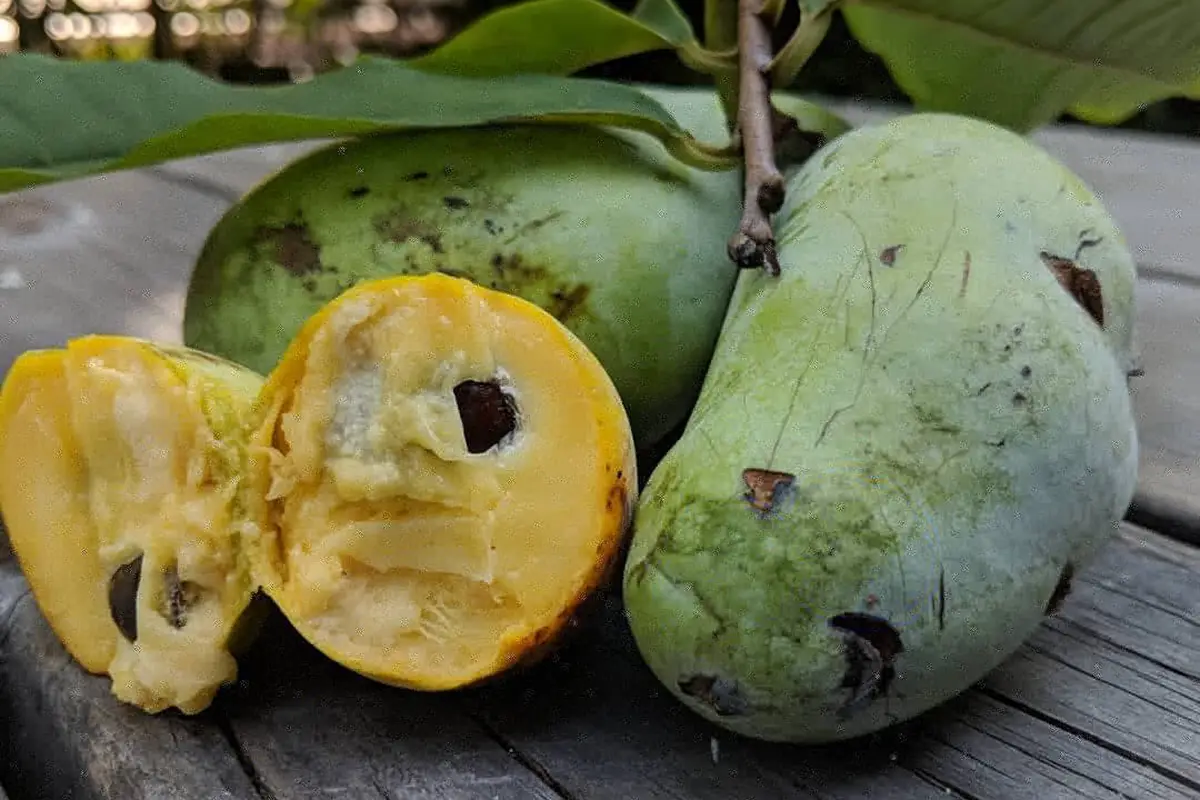
aw fruit might be the tastiest fruit most people have never tried, even though it has deep roots in American history and ecology. Native to the eastern and central United States, the pawpaw is a rare example of a fruit that feels tropical yet thrives in temperate forests. Long before supermarkets and global shipping, pawpaw trees quietly fed Indigenous communities, early settlers, and even some of the most famous figures in American history. Today, the fruit remains largely unknown to the general public, not because it lacks flavor or nutrition, but because it resists modern mass distribution.
The pawpaw has a creamy texture and rich sweetness that surprises first time tasters. Many people are shocked to learn that a fruit with flavors reminiscent of banana and mango grows naturally along rivers and woodland edges in states like Ohio, Kentucky, Indiana, and Pennsylvania. Despite this, pawpaw has remained absent from grocery stores and commercial orchards for decades. Its delicate skin and short ripening window make it a challenge for industrial agriculture, which has pushed it to the margins of food culture.
In recent years, interest in local food systems, native plants, and forgotten crops has sparked a revival of pawpaw appreciation. Chefs are experimenting with it in desserts and drinks, farmers are planting small orchards, and festivals are drawing attention to its cultural significance. Pawpaw is no longer just a curiosity for foragers. It is becoming a symbol of sustainable eating and regional identity.
Whether you are a food lover, a gardener, or simply curious about overlooked treasures, pawpaw has a story worth discovering.
1. It is America’s largest native fruit
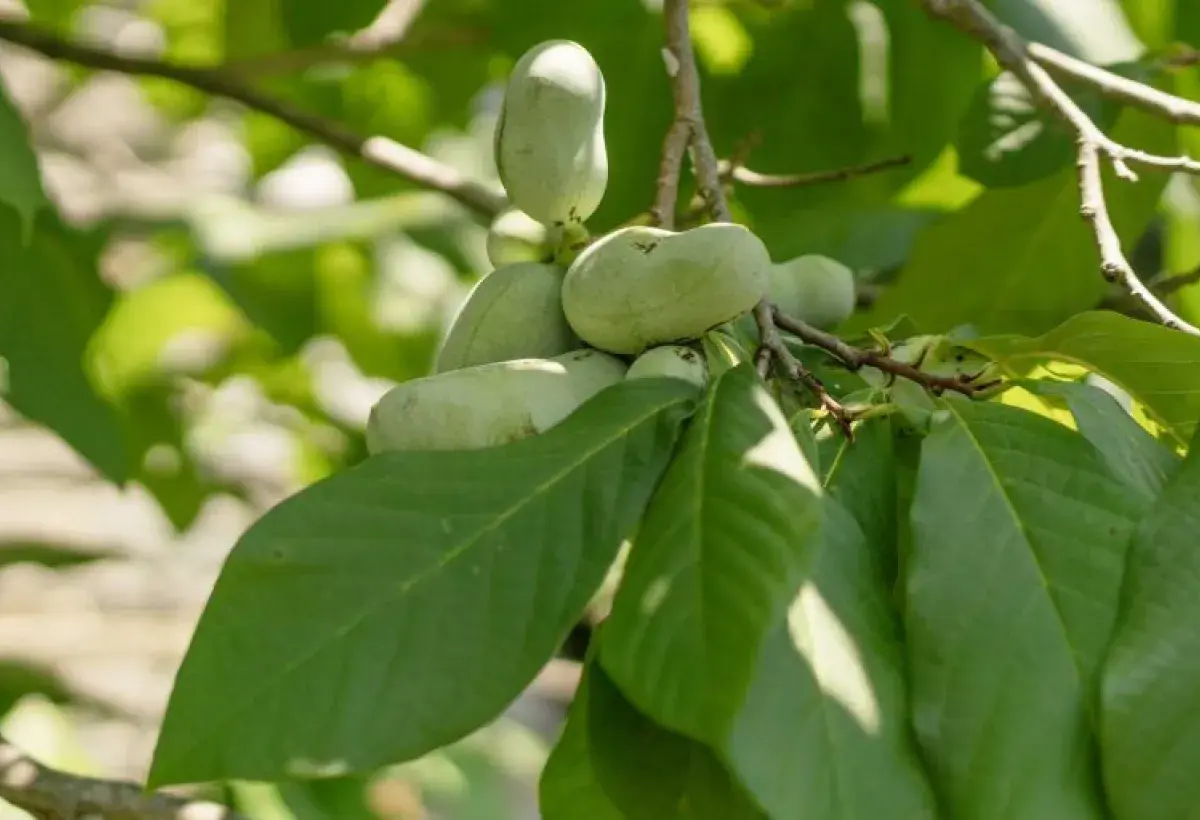
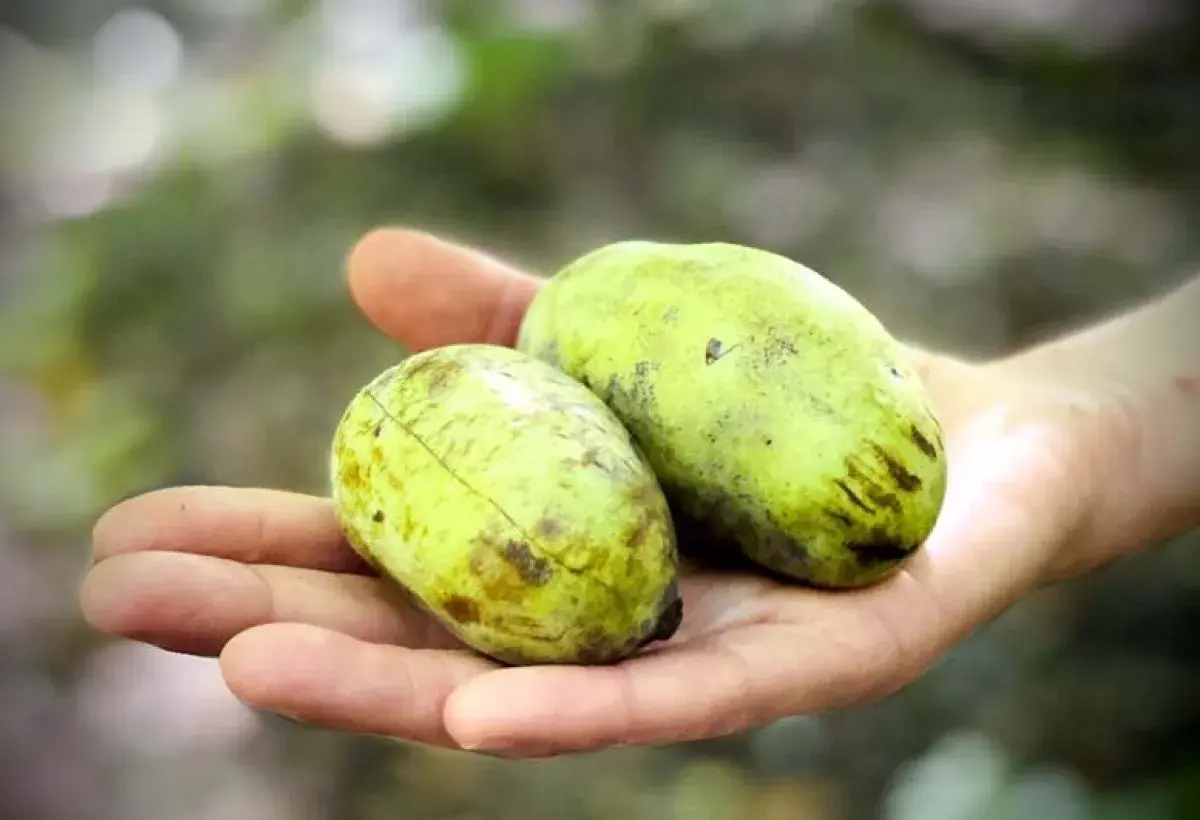
The pawpaw holds the impressive distinction of being the largest edible fruit native to the United States. Unlike berries or small orchard fruits, a single pawpaw can reach the size of a large mango and often weighs close to a pound. This makes it a standout among native plants and surprises many people who assume that large fruits only come from tropical regions.
Pawpaw trees grow as understory plants in forests, thriving in rich soil and partial shade. Their fruit clusters often hang low on branches, making them easy to spot during late summer and early fall. The size of the fruit was one reason it became a valuable food source for Indigenous peoples, who relied on it as a seasonal staple. Early American settlers quickly adopted it for the same reason, especially in rural areas where cultivated fruit trees were scarce.
The large size of the pawpaw is paired with an unusually high flesh to seed ratio compared to other native fruits. While the seeds are big, the soft edible pulp around them is generous and filling. This made pawpaw an efficient source of calories long before modern agriculture.
Today, the fruit’s size continues to attract attention from growers and researchers who see potential in native crops that require fewer chemical inputs. The pawpaw stands as proof that North America has its own impressive fruit heritage, even if it has been overlooked for generations.
Image
2. It tastes like a tropical dessert
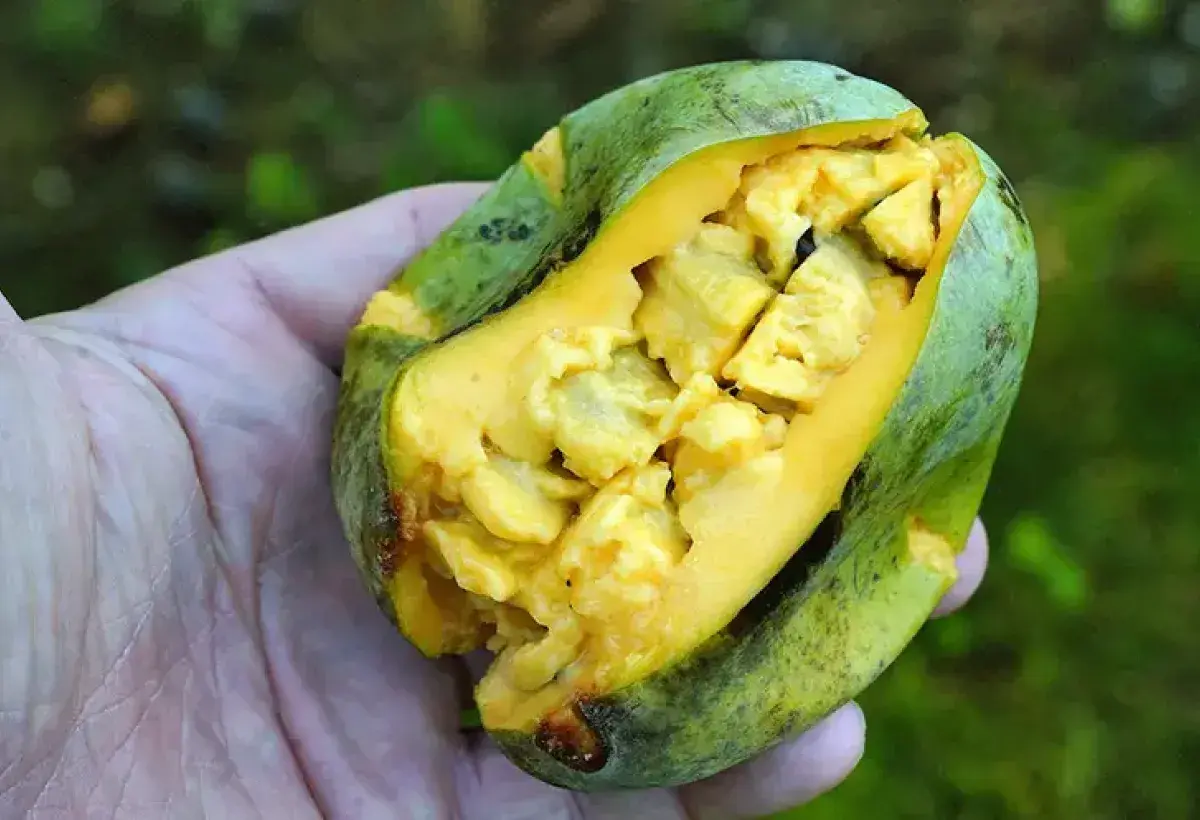
One of the most memorable qualities of pawpaw fruit is its flavor. People often struggle to describe it because it feels unexpected. The taste is commonly compared to a blend of banana, mango, and vanilla custard, with a smooth creamy texture that melts in the mouth. This dessert like quality makes pawpaw unlike any other fruit native to the region.
The richness of pawpaw comes from its natural sugars and soft flesh, which is closer to pudding than to crisp fruits like apples. When fully ripe, the aroma is sweet and inviting, signaling that it is ready to eat. This flavor profile explains why first time tasters are often shocked that such a fruit grows wild in American forests.
Because of its delicate taste, pawpaw is best enjoyed fresh or lightly prepared. Heating it too much can dull its flavor, which is why many chefs use it in ice cream, smoothies, or chilled desserts. The fruit pairs well with dairy, honey, and mild spices, allowing its natural sweetness to shine.
The tropical taste of pawpaw also highlights an interesting botanical history. Millions of years ago, North America had a warmer climate that supported plants now associated with tropical regions. Pawpaw is a living reminder of that ancient ecosystem, preserving flavors that feel out of place yet completely natural.
Image
3. Nicknamed the poor man’s banana
The pawpaw earned the nickname poor man’s banana during colonial times, and the name reveals much about its social and economic role. Because pawpaw trees grew wild and required no cultivation, they were freely available to anyone who knew where to look. This made the fruit especially valuable to people with limited resources.
For rural families and frontier communities, pawpaw provided a sweet and filling food without the need for orchards or trade. Bananas were imported and expensive, while pawpaws could be gathered during a walk through the woods. The similar flavor and texture reinforced the comparison, even though the two fruits are not closely related.
This nickname also reflects how pawpaw was viewed as a practical food rather than a luxury. It was eaten fresh, mashed into simple desserts, or mixed with cornmeal and other staples. Over time, as imported fruits became cheaper and farming practices changed, pawpaw lost its place in everyday diets.
Today, the term poor man’s banana feels outdated, but it reminds us how deeply pawpaw was woven into early American life. What was once seen as a necessity is now being rediscovered as a unique and valuable fruit with cultural significance.
Image
4. George Washington loved them
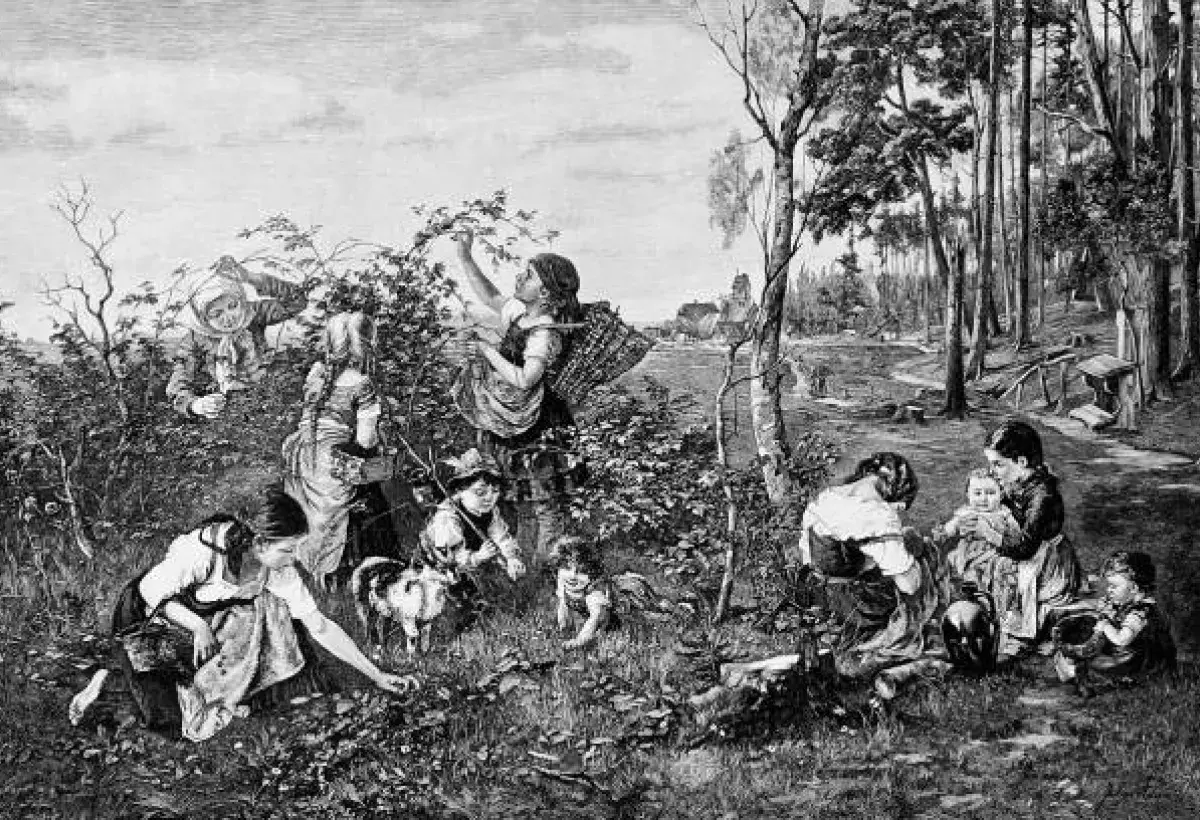
Pawpaw fruit was not only enjoyed by everyday Americans but also by some of the most famous figures in history. George Washington is known to have been particularly fond of pawpaws, reportedly enjoying them chilled as a dessert. This detail offers a charming glimpse into the personal tastes of the first president.
At the time, pawpaw was a familiar seasonal treat rather than a novelty. It appeared in letters, journals, and household accounts, showing that it was widely recognized and appreciated. Washington’s enjoyment of pawpaw reflects how common the fruit once was, even among the elite.
Serving pawpaw chilled suggests an understanding of its delicate nature and best qualities. Cooling the fruit enhances its creamy texture and sweetness, making it a refreshing end to a meal. This simple preparation remains one of the best ways to enjoy pawpaw today.
The association with George Washington adds historical weight to the fruit’s story. It reminds us that pawpaw was not always obscure. Instead, it was part of the shared culinary landscape of early America, enjoyed by farmers and presidents alike.
Image

5. It grows in the wild not on grocery shelves
Despite its flavor and history, pawpaw is rarely found in grocery stores. The main reason is its fragility. Pawpaw bruises easily and ripens quickly, often lasting only a few days once picked. This makes it unsuitable for long distance shipping and commercial storage.
Most pawpaws are still harvested from wild trees or small local orchards. Farmers who grow them usually sell directly to customers at markets or through special orders. This limited availability adds to the fruit’s mystery and appeal but also explains why so many people have never encountered it.
The absence of pawpaw from grocery shelves highlights a broader issue in modern food systems. Fruits that do not fit industrial models are often pushed aside, even if they are delicious and nutritious. Pawpaw challenges the idea that convenience should define what we eat.
For those willing to seek it out, finding pawpaw can feel like discovering a secret. Whether foraged responsibly or purchased locally, it offers a connection to the land and a taste that cannot be mass produced.
Image

6. It belongs to the custard apple family
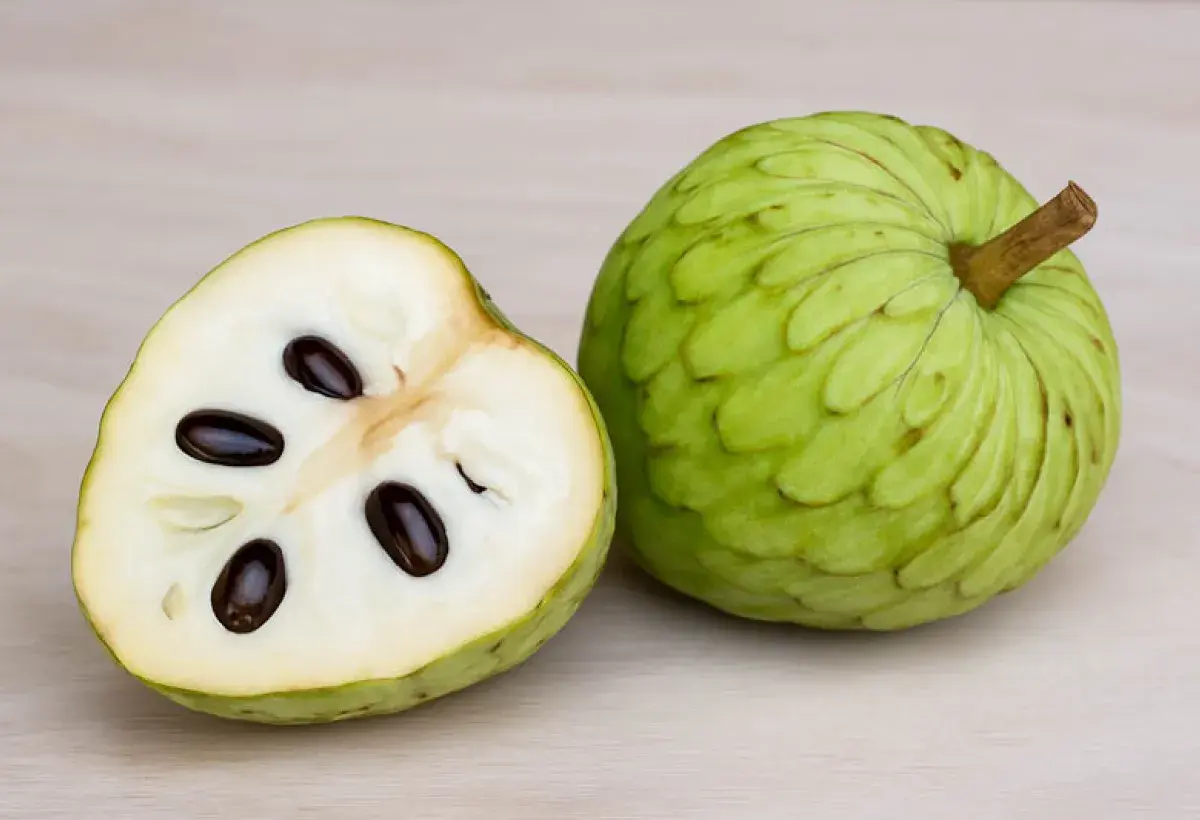
Although pawpaw grows in temperate climates, it belongs to the same plant family as tropical fruits like cherimoya and soursop. This family is known for soft textured fruits with rich flavors, often described as custard like. Pawpaw is the only member of this family native to the United States.
This botanical connection explains its unusual taste and texture. It also makes pawpaw an interesting subject for scientists studying plant evolution and climate adaptation. The fruit represents a lineage that survived dramatic environmental changes over millions of years.
The custard apple family is also known for aromatic compounds that contribute to strong flavors. In pawpaw, these compounds create the distinctive sweetness and fragrance that set it apart from other native fruits.
Understanding pawpaw’s family ties helps explain why it feels so unexpected. It is not an oddity but a survivor, carrying tropical characteristics into a non tropical world.
Image
7. Pawpaw trees have unique flowers
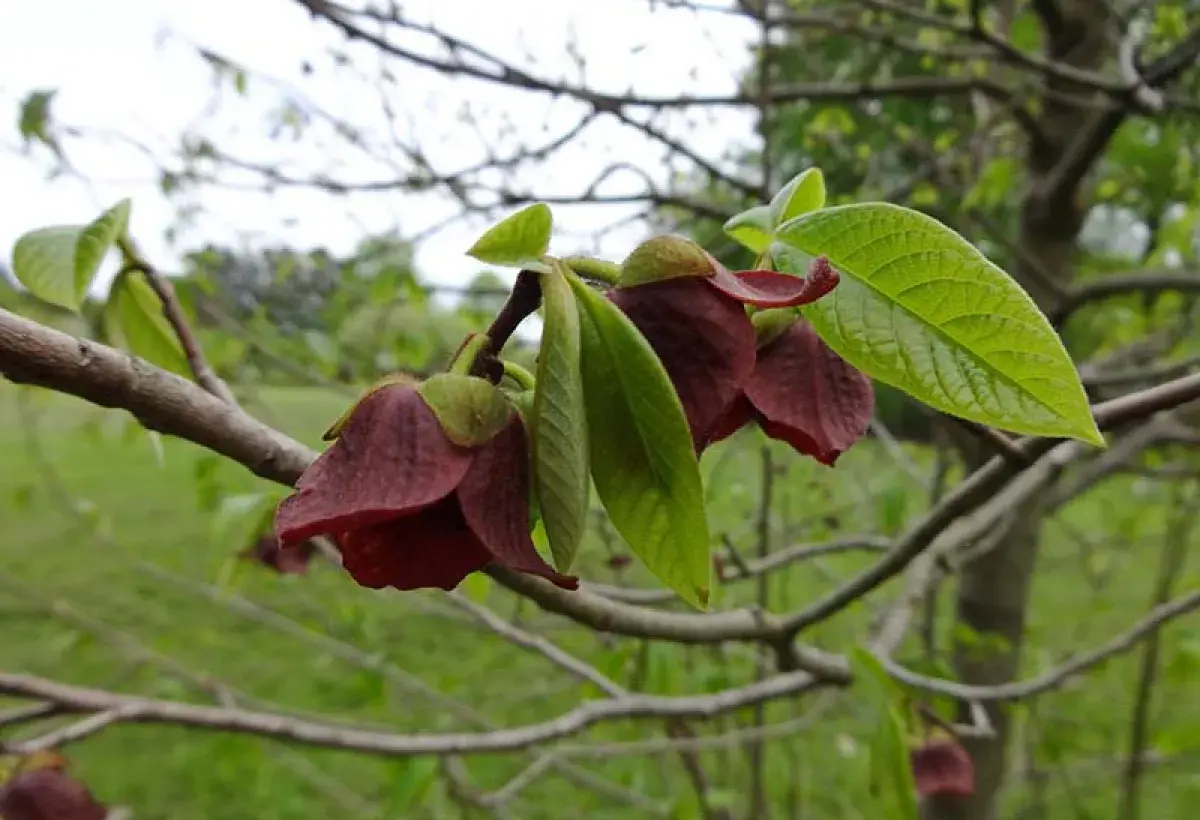
Pawpaw trees produce flowers that are as unusual as the fruit itself. The blooms are dark maroon or purple and have a faint smell similar to fermenting fruit. This scent is not accidental. It attracts flies and beetles, which are the primary pollinators of pawpaw trees.
Unlike many flowering plants that rely on bees, pawpaw evolved a different strategy. This makes its reproduction more complex and sometimes less reliable, especially in cultivated settings. Gardeners often hand pollinate flowers to improve fruit yield.
The flowers appear in early spring before the tree fully leafs out, giving them a striking appearance against bare branches. Their color and shape make them easy to miss unless you are looking closely.
These unique flowers are another reason pawpaw feels ancient and distinctive. They reflect an evolutionary path shaped by different pollinators and environments than most modern crops.
Image
8. Seeds are large and inedible
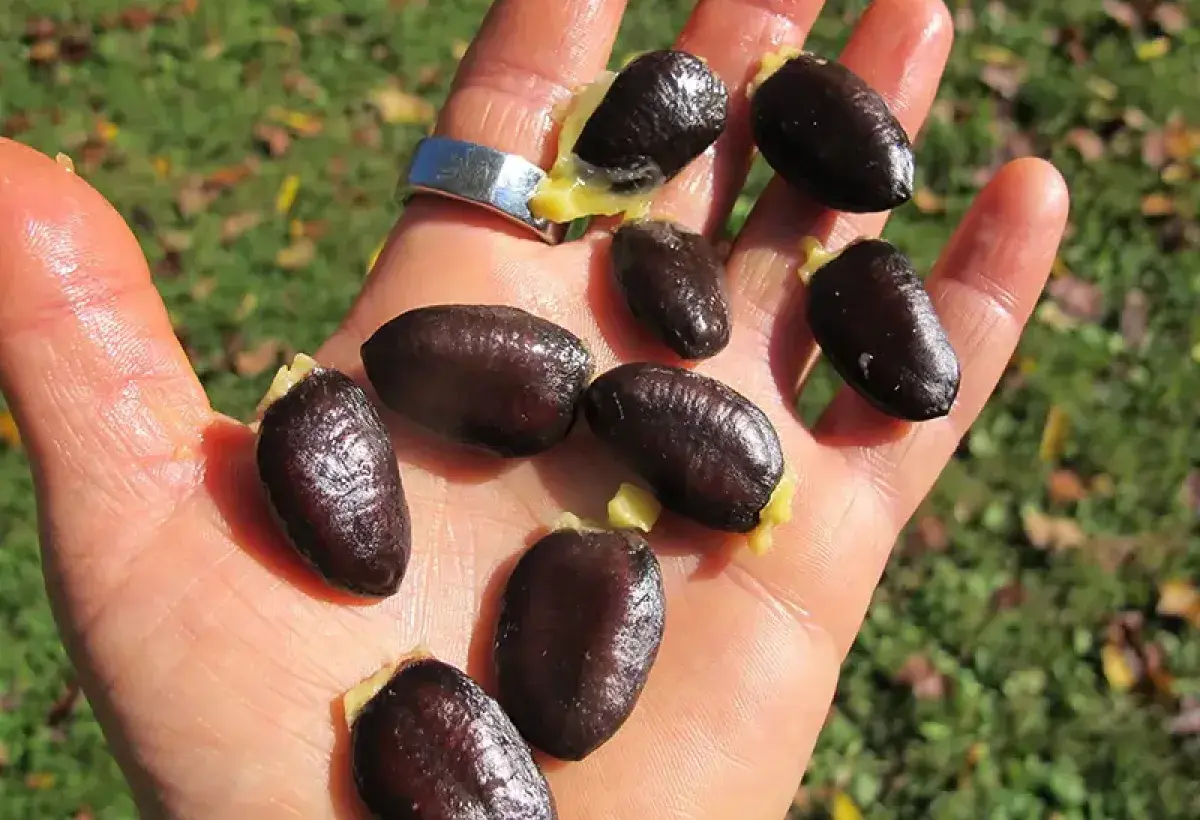
Pawpaw fruit contains several large dark seeds embedded in the soft flesh. These seeds should never be eaten, as they contain natural compounds that can be harmful if ingested. While the fruit itself is safe and delicious, the seeds must always be removed.
The size of the seeds surprises many first time eaters. They take up noticeable space inside the fruit and require careful handling when preparing pawpaw for recipes. This characteristic may be another reason the fruit never became widely commercialized.
Historically, people were well aware of the seeds and treated them with caution. Some cultures even used pawpaw seeds externally as natural insect deterrents, highlighting their potent properties.
Understanding the seeds is part of learning how to enjoy pawpaw safely and respectfully. Like many traditional foods, it comes with knowledge passed down through experience.
Image
9. It inspired folk songs and festivals
Pawpaw has left its mark on American culture through music and celebration. The folk song Way Down Yonder in the Paw Paw Patch is one of the most well known examples, teaching generations of children about the fruit even if they never tasted it.
Festivals dedicated to pawpaw now take place in several states, most notably in Ohio. These events celebrate the fruit with tastings, cooking demonstrations, and educational talks. They help reconnect communities with local food traditions.
Such cultural expressions show that pawpaw was never just food. It was part of shared memory and storytelling. Songs and festivals preserve its legacy even during periods when it faded from daily life.
The revival of these traditions reflects a growing appreciation for regional identity and heritage foods. Pawpaw is becoming a symbol of pride and rediscovery.
Image
10. Making a comeback with local growers
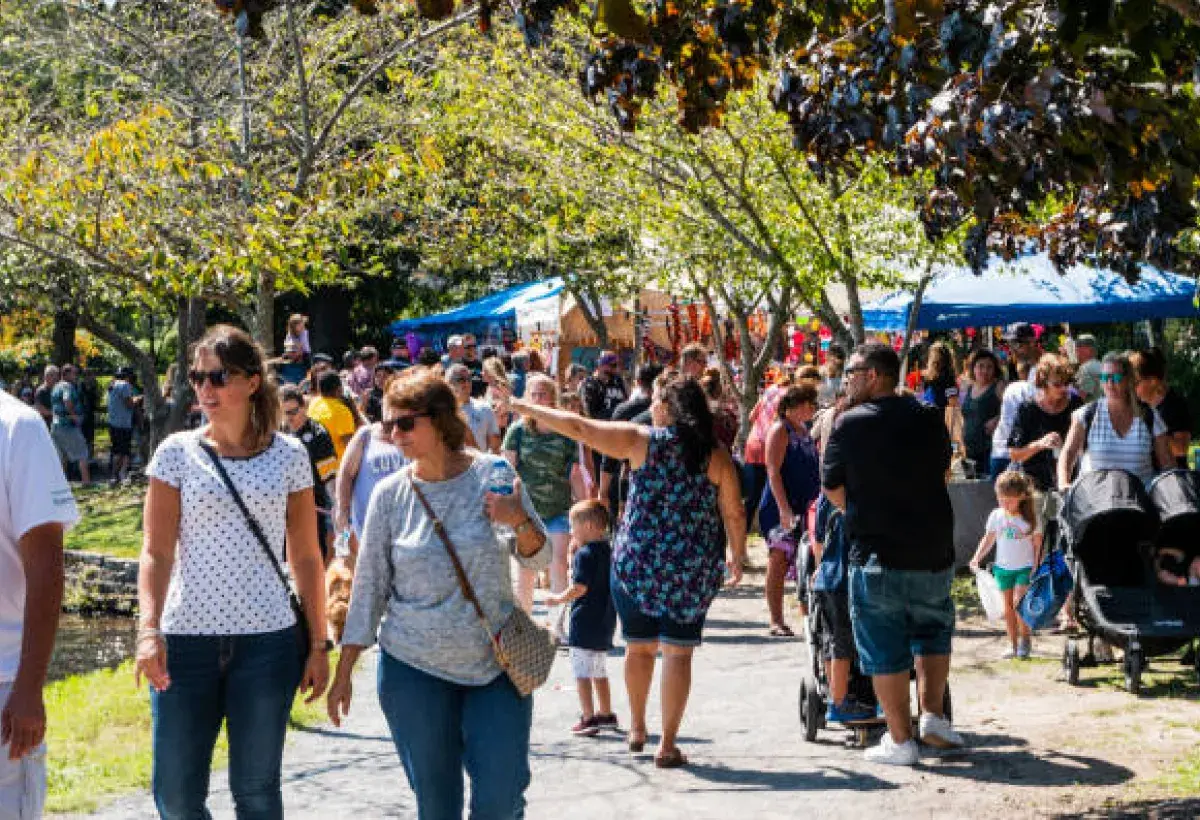
In recent years, pawpaw has been making a quiet but meaningful comeback. Local farmers, chefs, and food enthusiasts are planting orchards, developing recipes, and introducing the fruit to new audiences. Ice cream, baked goods, beer, and even savory dishes now feature pawpaw as a star ingredient.
This revival is driven by interest in sustainability and biodiversity. Pawpaw trees require fewer pesticides and are well adapted to local conditions. Supporting their cultivation helps strengthen regional food systems.
Universities and agricultural programs are also researching improved varieties and growing techniques. While pawpaw may never become a supermarket staple, it is finding a stable place in niche markets and local economies.
The return of pawpaw is not about mass production. It is about appreciation, connection, and honoring a fruit that has always belonged here.
Image
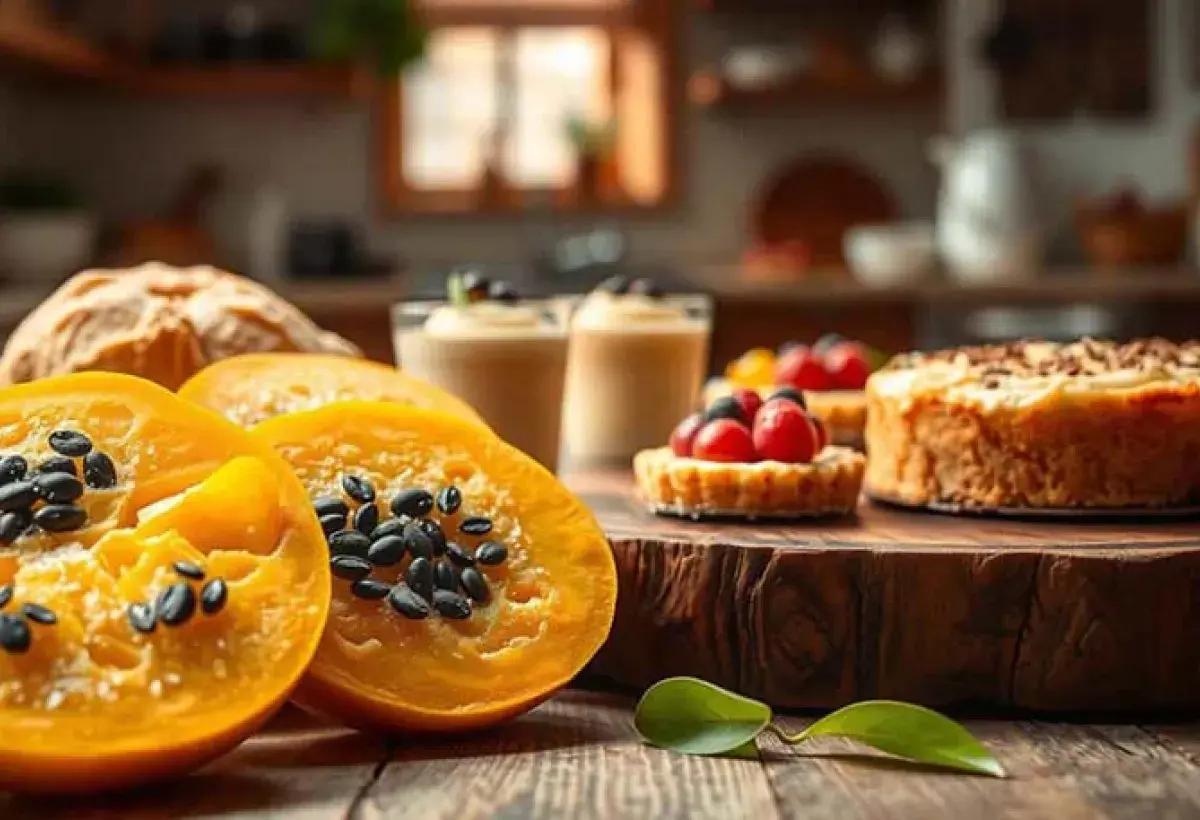
Pawpaw fruit is more than a curiosity or a forgotten snack. It is a living link to North America’s ecological and cultural past. From its massive size and tropical flavor to its role in history and folk tradition, pawpaw tells a story of resilience and rediscovery.
In a world dominated by global supply chains and uniform produce, pawpaw reminds us that some of the best foods are local, seasonal, and imperfect. Its short shelf life and delicate nature are not flaws but invitations to slow down and appreciate what grows nearby.
As interest in native plants and sustainable eating grows, pawpaw offers a powerful example of what can be gained by looking backward as well as forward. It challenges assumptions about what belongs on our plates and encourages curiosity about the land around us.
Trying pawpaw is not just about tasting something new. It is about reconnecting with a piece of American heritage that has been waiting patiently in the woods, ready to be remembered.
Image