
Nutrition has become one of the most confusing topics for many people, especially with the rise of social media influencers, trendy diets, and contradictory advice that seems to shift every year. Every time a new fad appears, it is often presented as the ultimate solution for weight loss, longevity, or energy, and many people easily adopt it without checking whether it is truly backed by evidence. This is how nutrition myths spread. Over time, these repeated ideas start to sound like facts even when they have little scientific support. The result is a world filled with people who fear carbs, avoid fats completely, skip entire food groups, and depend heavily on supplements while believing they are doing what is best for their bodies.
The truth is much simpler and far more grounded in common sense. The human body thrives when given a balanced, varied, and nutrient rich diet based on whole foods. Science does not support the extreme rules found in many modern diet trends, and it consistently shows that restrictive approaches can do more harm than good. Understanding what is true and what is not is the first step toward reclaiming control of your eating habits and health. This guide takes ten of the most common nutrition myths people still believe and breaks them down clearly so you can see what the evidence really shows.
Whether you have fallen for one or two of these myths or you have heard them repeatedly from friends, family, or online sources, we will give you the clarity you need. By the end, you will see that real nutrition is not about strict rules but about learning how to fuel your body with confidence and knowledge.
1. Carbs Make You Fat
Image
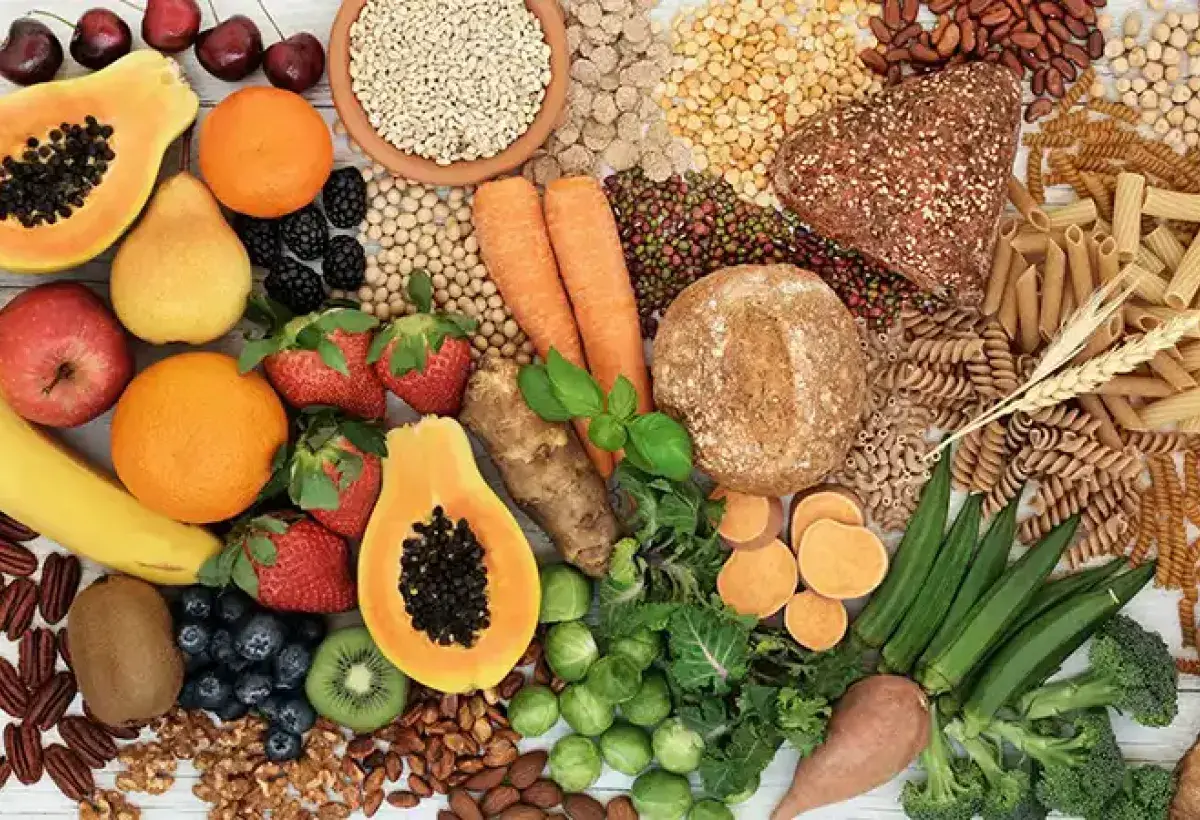
Many people continue to believe that carbohydrates should be avoided at all costs because they automatically cause weight gain. This idea became popular during the rise of low carb diets which promised fast weight loss by cutting out bread, pasta, and rice. The myth survives because people often notice that reducing refined carbs can help them feel lighter or eat fewer calories. However, the message became too simplified over time and created the false idea that all carbs are harmful.
In reality, carbohydrates are the body’s main source of energy. Every cell uses glucose, which comes from carbs, to function properly. Without enough carbs, people may feel sluggish, mentally foggy, and easily fatigued. The key difference that many overlook is that not all carbs are equal. Whole carbs found in foods such as fruits, vegetables, oats, brown rice, beans, and quinoa provide essential nutrients like fiber, vitamins, minerals, and antioxidants. These foods support digestive health, improve blood sugar stability, and make you feel full longer. They also help fuel workouts and daily activities.
The carbs that should be limited are refined or ultra processed ones. Examples include white bread, pastries, sugary drinks, and snacks that offer calories without real nutritional value. These foods digest quickly, cause blood sugar spikes, and contribute to overeating. Weight gain occurs when a person consumes more calories than their body uses, not because carbs exist in the diet. For many individuals, eliminating carbs entirely can lead to cravings, binge eating, or nutrient deficiencies.
Science consistently shows that balanced diets including whole carbohydrates support long term health and weight maintenance. Instead of fearing carbs, it is more helpful to understand which types nourish your body. Choosing whole food sources of carbohydrates provides steady energy and can be a vital part of a healthy lifestyle.
2. Fat Is Always Unhealthy
Image
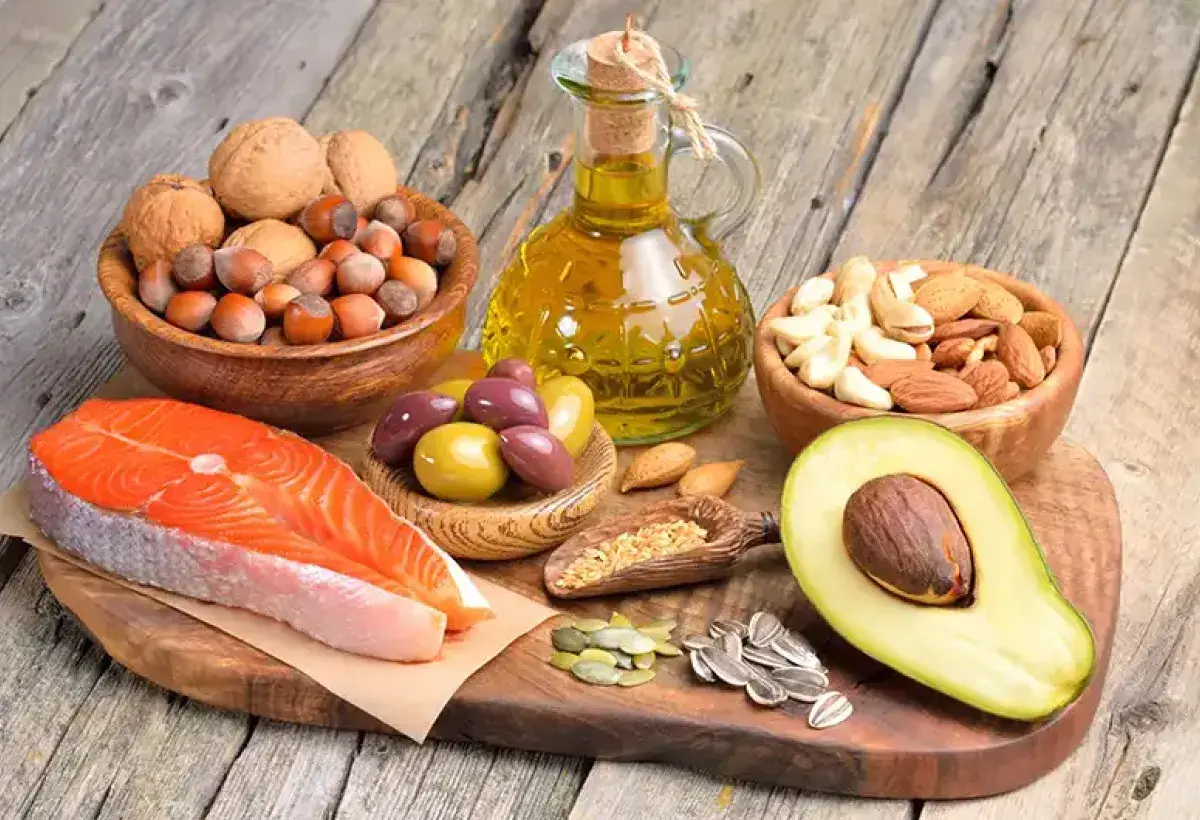
For decades, people were taught that fat was an enemy that clogged arteries and caused weight gain. This belief came from early nutrition guidelines that strongly encouraged low fat diets. Over time, the message expanded into the misconception that all fats should be avoided. Many individuals still gravitate toward low fat or fat free products thinking they are making healthier choices.
However, the body relies on fat for many essential functions. Fat supports brain health, protects organs, helps absorb vitamins A, D, E, and K, and is needed for hormone production. Healthy fats, especially unsaturated fats found in fish, avocados, olive oil, nuts, and seeds, can support cardiovascular health. Research shows that diets rich in these fats can help lower bad cholesterol levels and reduce inflammation.
The fats that deserve caution are trans fats and certain saturated fats found mainly in heavily processed foods. Trans fats, often found in packaged snacks and fast food, can raise bad cholesterol and increase the risk of heart disease. Many saturated fats found in processed meats and fried foods can also have negative effects when consumed excessively. But this does not mean all fats are dangerous.
When people avoid fat entirely, they often end up eating more sugar or refined carbs to compensate, which may be more harmful in the long run. Healthy fats also help with satiety, meaning they keep you full longer and prevent overeating. Including them in the diet creates a more balanced eating pattern and supports overall health.
Science continues to show that fat is not something to fear. The goal is not to eliminate fat but to choose the right types and consume them in moderation. Understanding this distinction empowers individuals to make smarter, not stricter, nutrition choices.
3. Juice Cleanses Detox Your Body
Image

Juice cleanses gained major popularity because they promise a quick reset for the body. Many people believe that drinking only juices for several days can flush out toxins, clear the digestive system, and lead to rapid weight loss. The idea sounds appealing, especially for those who feel bloated or sluggish. However, the notion that the body needs a cleanse is misleading.
The human body already has a powerful and effective detox system. The liver filters toxins, the kidneys remove waste through urine, the lungs filter the air you breathe, and the digestive system breaks down food and eliminates unnecessary material. These processes happen continuously without any need for special drinks or expensive detox packages.
Juice cleanses tend to be low in protein and healthy fats while containing high amounts of natural sugar. Without adequate protein, the body may break down muscle tissue for energy. Juice only diets can also slow metabolism and create nutrient imbalances. Some individuals experience dizziness, headaches, or fatigue during cleanses because the body is not receiving a balanced supply of nutrients.
While drinking juices can be part of a healthy diet, relying on them exclusively does not support long term health. Whole fruits and vegetables provide fiber that helps digestion and stabilizes blood sugar, something juice lacks. The better approach is to eat balanced meals rich in whole foods that naturally support the body’s detox functions.
Science shows that there is no need to cleanse a body that is already equipped to cleanse itself. What truly helps your system stay efficient is hydration, exercise, adequate sleep, and consistent intake of nutritious foods. Juice cleanses may offer the illusion of progress, but sustainable habits deliver lasting results.
4. Frozen Veggies Are Less Nutritious Than Fresh
Image

Many people assume that fresh produce is always more nutritious than frozen. This belief likely comes from the idea that fresh foods are untouched, natural, and closer to their original state. While fresh produce certainly has many advantages, frozen fruits and vegetables often offer equal or even greater nutritional value.
Frozen produce is usually picked at peak ripeness when nutrients are at their highest. After harvesting, the foods are quickly flash frozen, which locks in vitamins and minerals. Fresh produce, however, often travels long distances, sits in storage, and spends time on store shelves before being purchased. During this period, it can lose significant amounts of nutrients, especially vitamin C and B vitamins.
The freezing process does not destroy nutrients. In many cases, frozen vegetables retain their nutritional content better than fresh items that have been stored for several days or weeks. Frozen produce is also more affordable, lasts longer, and reduces food waste. It allows people to access a wide variety of vegetables and fruits even when they are out of season.
Some people avoid frozen options because they believe they taste inferior or are less natural. However, choosing plain frozen produce without added sauces or salt ensures you get the same health benefits as fresh. Frozen fruits and vegetables also cook quickly and are incredibly convenient for busy lifestyles.
Scientific research confirms that frozen produce is not only a practical choice but also a nutritionally reliable one. Instead of skipping vegetables during certain seasons or when fresh options are too expensive, frozen varieties make it easier to maintain a balanced diet year round.
5. Eating After 8 PM Causes Weight Gain
Image

The idea that eating after a specific time automatically causes weight gain has become widespread. Many people set strict rules for themselves and avoid any food after the evening hours. This belief likely stems from diet culture messages about metabolism slowing down at night or the body storing food as fat while sleeping. However, the timing of your meals is far less important than what you eat and how much you consume overall.
Weight gain occurs when you consistently consume more calories than your body needs. The clock does not play a role in calorie metabolism. Whether you eat at six in the evening or nine at night, the body processes food according to your total intake and activity level. People who work late shifts, students who study at night, or individuals from cultures that traditionally eat later meals do not automatically gain weight because of meal timing.
What often causes confusion is the type of late night eating that many people practice. When individuals snack late at night, they often reach for chips, ice cream, or sweets. These extra calories are easy to overconsume and may lead to weight gain over time. Additionally, emotional eating or boredom eating tends to happen more frequently in the evening.
If you eat a balanced dinner later in the night because it fits your schedule, there is no harm in doing so. Listening to your hunger cues and choosing nutritious foods is far more important than watching the clock. What matters is overall calorie balance and building sustainable eating habits.
Science clearly shows that timing does not outweigh the importance of consistent dietary patterns. Rather than fearing nighttime meals, focus on making mindful choices throughout the entire day.
6. Gluten Free Is Healthier for Everyone
Image
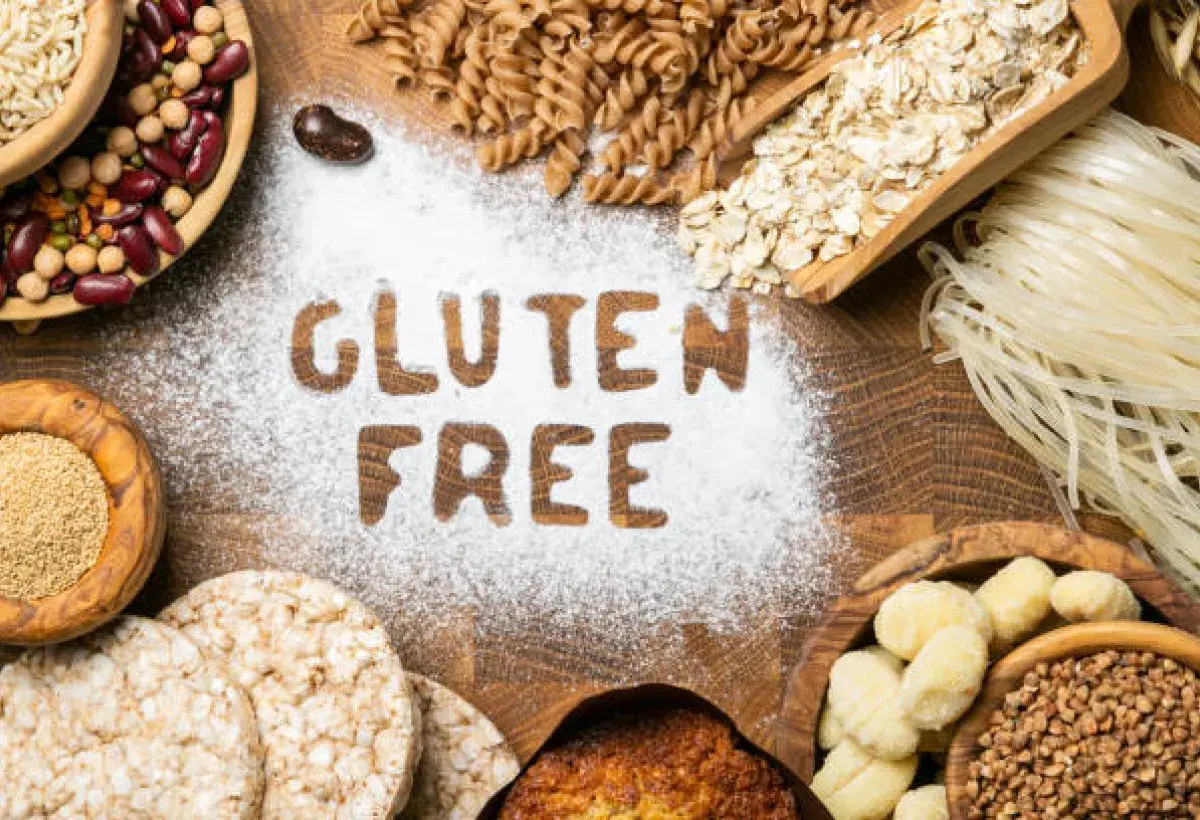
The rise of gluten free diets has led many people to believe that gluten is harmful for everyone. Marketing campaigns often present gluten free products as cleaner, lighter, or better for weight loss. As a result, people who have no medical reason to avoid gluten often eliminate it anyway, thinking it makes their diet healthier.
Gluten is a natural protein found in wheat, barley, and rye. It helps bread rise, improves texture, and gives baked goods their structure. For individuals with celiac disease or gluten sensitivity, gluten can cause digestive issues, nutrient malabsorption, and other health problems. For these people, a gluten free diet is essential.
However, for people without these conditions, avoiding gluten offers no health advantage. In fact, gluten containing whole grains such as whole wheat, bulgur, and barley provide important nutrients like fiber, B vitamins, and minerals. Many gluten free products are heavily processed and lack these nutrients. They are often made with refined starches such as rice flour, tapioca starch, or potato starch, which can cause blood sugar spikes.
Some individuals experience a placebo effect when switching to gluten free diets because they become more mindful of their eating habits. But this does not mean gluten was the problem. Removing gluten unnecessarily can limit food choices, reduce dietary diversity, and make meals more expensive.
Science supports the idea that gluten is safe for the vast majority of people. Choosing whole grains that naturally contain gluten can contribute to better digestion, heart health, and long term wellness. The goal should be to select nutrient rich foods rather than follow trends that are not grounded in scientific need.
7. Eating Small Meals Every Two to Three Hours Boosts Metabolism
Image

The belief that eating frequent small meals boosts metabolism has become extremely popular. Many people think that the digestive process burns enough calories to keep metabolism elevated throughout the day, so eating every few hours seems like a smart strategy. This idea sounds logical, but research does not support it for most people.
Metabolism refers to the complex process through which the body converts food into energy. While digestion does require energy, the number of calories burned is not significantly different whether you eat three larger meals or several small ones. What matters more is the total amount of food you eat and the quality of those foods.
Some individuals do feel better with smaller meals because it helps manage hunger and prevents overeating. People with certain medical conditions may also benefit from this style of eating. However, this does not mean everyone should adopt it. Many people thrive with three well balanced meals and feel satisfied throughout the day. Forcing frequent meals can lead to unnecessary calorie intake, especially if snacks are not chosen carefully.
Another misconception is that skipping snacks or going longer between meals slows metabolism. The body is highly adaptable and does not drastically change metabolic rate based on meal timing alone. What affects metabolism more significantly is muscle mass, physical activity, sleep quality, and overall diet patterns.
The best eating schedule is one that fits your lifestyle and helps you maintain consistent energy levels. Whether you prefer three meals or five smaller ones, the priority should be nutrient dense foods and balanced portions. Science confirms that meal timing is personal, not universal.
8. Eggs Raise Your Cholesterol
Image

For many years, eggs were viewed as a food to avoid because they contain dietary cholesterol. People were told that eating eggs would increase blood cholesterol and contribute to heart disease. As a result, egg whites became popular while many avoided whole eggs entirely. This belief persisted even as research began to show a different picture.
Dietary cholesterol found in foods such as eggs does not significantly raise blood cholesterol levels for most people. The body regulates cholesterol production based on intake. When dietary cholesterol goes up, the liver produces less to maintain balance. This means that most people can eat eggs regularly without negative effects on their heart health.
Eggs are nutritious and provide high quality protein, vitamin B12, choline for brain health, antioxidants like lutein and zeaxanthin, and several other essential nutrients. These nutrients support energy production, eye health, and overall well being. Eating eggs can help keep you full longer, which may prevent overeating later in the day.
Only a small percentage of people called hyper responders may experience increased cholesterol from eggs, but even in these cases, the increase usually affects both good and bad cholesterol without significantly raising heart risk. For most individuals, eggs can safely be part of a balanced diet.
Science has consistently updated its guidelines as more data becomes available. Modern research supports moderate egg consumption and recognizes their benefit within a nutrient rich eating pattern. Instead of avoiding eggs due to outdated beliefs, people can enjoy them with confidence.
9. Natural Sugars Like Honey Are Healthier Than Table Sugar
Image

Many people assume that natural sweeteners like honey, agave nectar, and maple syrup are healthier alternatives to table sugar. This belief often stems from the idea that natural sources contain nutrients and are processed less than refined sugar. While it is true that honey and similar sweeteners contain trace minerals and antioxidants, the differences are not significant enough to make them substantially healthier.
All added sugars, regardless of source, behave similarly in the body. They raise blood sugar levels, contribute calories without fiber, and can lead to weight gain when consumed in excess. Natural sweeteners still count as added sugars and should be consumed in moderation. The body does not distinguish them as dramatically healthier options.
Most natural sweeteners contain slightly more nutrients than white sugar, but the amounts are so small that they do not meaningfully affect health. For example, honey may contain antioxidants, but you would have to consume large quantities to gain any measurable benefit, which would also lead to excessive sugar intake.
Choosing natural sweeteners occasionally is fine, especially if you enjoy their flavor. But believing they offer major health advantages can lead to overeating and misunderstanding how sugar functions in the diet. The healthiest approach is to reduce all added sugars and focus on naturally sweet foods like fruits that contain fiber and essential vitamins.
Science makes it clear that moderation is the real solution. Natural sweeteners can be part of a balanced diet, but they are not free health boosters.
10. Supplements Can Replace a Healthy Diet
Image
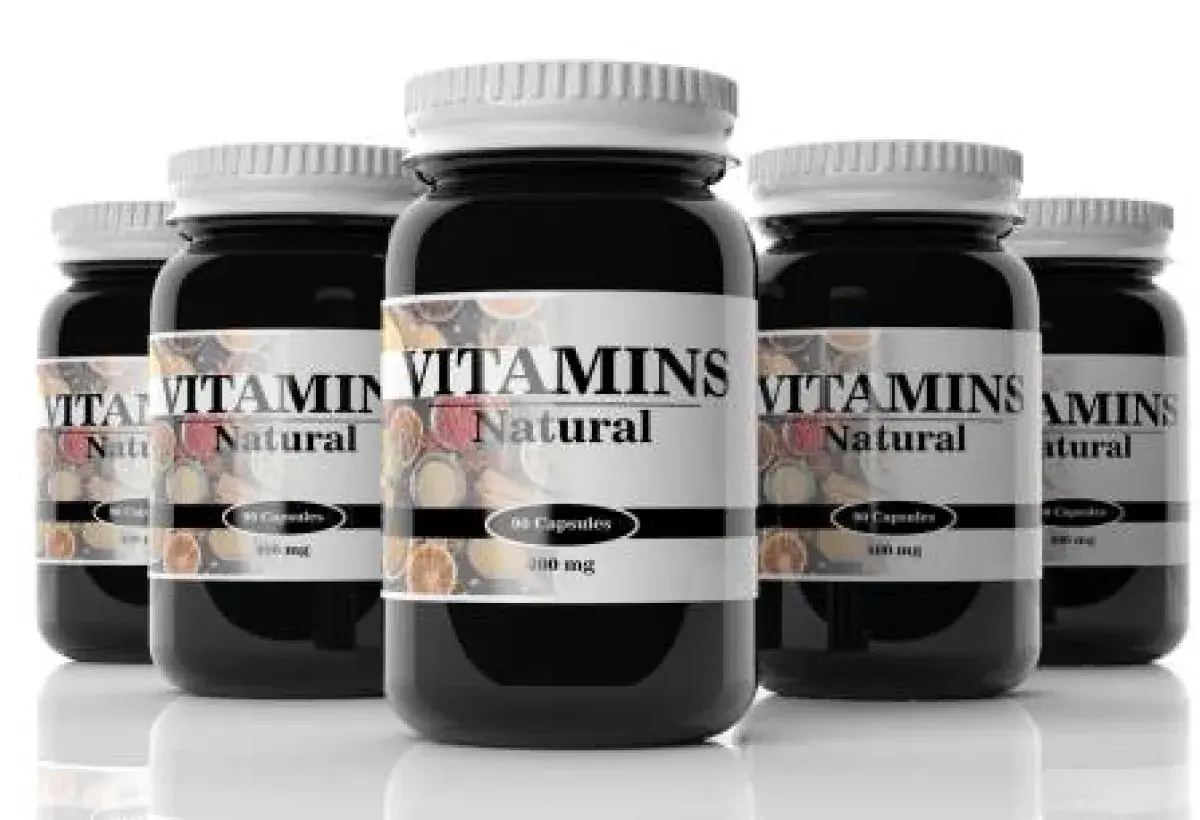
The supplement industry continues to grow rapidly because many people believe they can make up for poor eating habits by taking vitamins or powders. Supplements promise convenience and often appear to be an easy way to improve health without changing one’s diet. However, this belief is misleading and does not align with scientific evidence.
Supplements are meant to fill gaps, not replace whole foods. Whole foods provide complex combinations of nutrients, fiber, antioxidants, and phytochemicals that supplements cannot replicate. These compounds work together in ways science is still discovering, and isolating them into pills cannot produce the same effect. Relying on supplements instead of real food can lead to deficiencies in areas the supplements do not cover.
Some people do need supplements due to medical conditions, dietary restrictions, or deficiencies confirmed by testing. Examples include vitamin D, vitamin B12 for those avoiding animal products, or iron for individuals with anemia. These should ideally be taken under guidance from a healthcare professional. But randomly taking supplements without understanding what your body needs can lead to imbalances or excessive intake.
Supplements can support health when used correctly, but they cannot replace the comprehensive benefits of fruits, vegetables, whole grains, proteins, and healthy fats. Eating a varied diet ensures that the body receives nutrients in their most natural and effective form. Science consistently supports whole food based nutrition as the foundation of long term wellness.
The key takeaway is that supplements can be helpful tools but should never be seen as substitutes for healthy eating.
Nutrition has always been surrounded by myths, trends, and conflicting advice, making it difficult for people to feel confident about what they eat. Many of the beliefs covered in this guide became popular because they sounded logical or were presented as quick solutions to common health concerns. However, science consistently reveals that health is best supported through balance, moderation, and an understanding of how foods truly work in the body. When we let go of restrictive rules and fear based approaches, we can finally build a healthier relationship with food.
The most important lesson is that healthy eating is not about removing entire food groups, following extreme dieting schedules, or depending on supplements to fill every gap. It is about listening to your body, choosing nutrient rich whole foods, and recognizing that long term well being comes from sustainable habits rather than quick fixes. By understanding the truth behind these common myths, you gain the freedom to make informed nutrition decisions that support your lifestyle instead of limiting it.
As you apply this knowledge in your day to day life, you may find that eating becomes more enjoyable and less stressful. Instead of focusing on what you should fear or cut out, you can focus on foods that nourish your body and give you energy. The science is clear, and the myths no longer hold power once you see the evidence. A healthier future starts with understanding, and this guide is your foundation for that shift.