


Part 3 of the Silver Migration Series examines Southeast Asia’s readiness for aging both for its own citizens and for the growing number of foreign retirees drawn to the region. By comparing retirement visas, long-term care systems, and elder protections across ASEAN nations, this chapter asks a necessary question: is the region prepared for longevity, or merely marketing paradise?
The Silent Crisis Beneath the Paradise
Southeast Asia has become one of the world’s most desirable retirement regions. Its appeal is easy to understand: warm climates, relatively affordable living, strong family culture, and a rapidly improving healthcare sector. For many retirees, ASEAN represents not an escape, but an opportunity to live well, age gently, and remain connected to community. Yet beneath this allure lies a growing tension.
By 2050, Southeast Asia is projected to be home to nearly 200 million people aged 60 and above, a demographic transformation unfolding at a pace that far exceeds the region’s current elder care capacity (United Nations Economic and Social Commission for Asia and the Pacific [UN ESCAP], 2023). While countries such as Thailand and Singapore have made deliberate policy investments in aging, others including the Philippines and Indonesia continue to rely heavily on informal, family-based care.
For local populations, this reliance increasingly strains households already navigating urban migration and economic pressure. For foreign retirees, the promise of affordability and hospitality can quickly dissolve when confronted with fragmented care systems and unclear protections.
ASEAN now stands at a crossroads. Its choices will determine whether it evolves into a sustainable retirement region or becomes a cautionary example of demographic unpreparedness.
Image

The Aging Landscape in ASEAN
A demographic clock that cannot be slowed. The numbers are unambiguous. By mid-century, one in four Southeast Asians will be over the age of 60 (UN ESCAP, 2023). Thailand, Singapore, and Vietnam have already crossed the threshold into “aged societies,” with more than 14 percent of their populations aged 65 and above (World Bank, 2023).
The Philippines and Indonesia, often described as “young nations,” face a steeper curve ahead. Their senior populations are expected to double within two decades, compressing what took wealthier countries half a century to manage.
The Care Deficit
Despite this acceleration, approximately 70 percent of elder care across ASEAN remains family-provided, often without training, financial support, or respite (World Health Organization [WHO], 2022). Only Thailand and Singapore have established national long-term care frameworks. Elsewhere, systems remain fragmented, underfunded, or entirely absent.
Foreign retirees frequently encounter additional challenges. Insurance exclusions, limited coverage for chronic care, and dependence on private hospitals can quickly turn “affordable retirement” into financial vulnerability.
Country Portraits: Policy, Promise, and Practice
Singapore: Precision Without Openness
Singapore does not merely plan for aging it engineers it. Through its Action Plan for Successful Ageing, the city-state integrates smart housing with fall-detection sensors, AI-enabled appointment systems, and mandatory long-term care insurance through CareShield Life. The result is one of the most comprehensive aging infrastructures in Asia.
Yet this system is inward-facing. Singapore offers no dedicated retirement visa, effectively excluding most foreign retirees. It is a model of excellence, but not of inclusivity.
Thailand: Progress With Uneven Reach
Thailand stands as ASEAN’s most visible example of retirement readiness. Its retirement visa system is clear and accessible, and its long-term care model anchored by village health volunteers has been internationally recognized.
Still, disparities persist. Rural regions such as Isaan remain dependent on family care, and the government has acknowledged that nearly 80 percent of districts lack dedicated elder care centers (Thailand National Plan on the Elderly, 2021). Thailand’s strength lies in transparency and incremental reform but coverage remains uneven.
Image
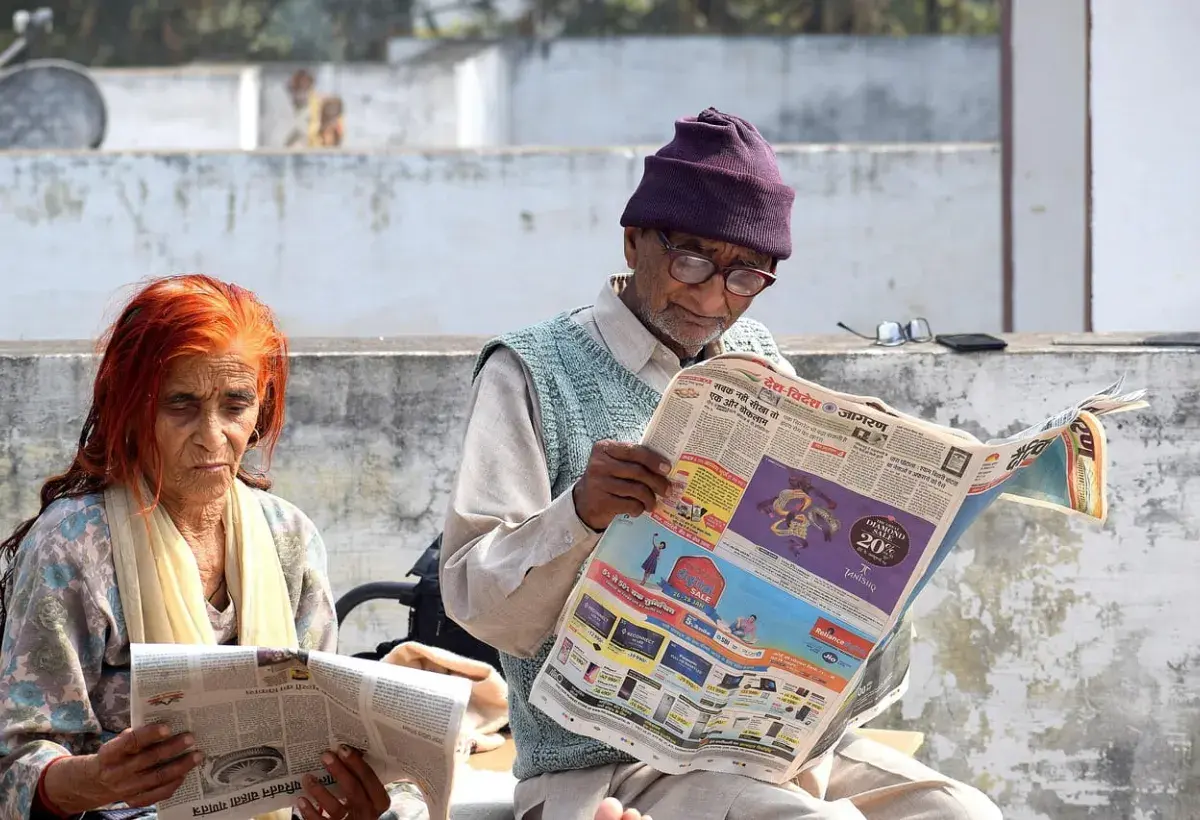
Malaysia: Between Vision and Implementation
Malaysia has positioned itself as a medical and retirement hub through the Malaysia My Second Home (MM2H) program, supported by private hospitals and internationally trained specialists. Its 2024 National Strategic Plan for Older Persons commits to integrated home-based care.
However, the long-awaited Aged Healthcare Act remains unimplemented. In practice, families continue to assemble care through a patchwork of domestic workers, private nurses, and public clinics an arrangement that exposes systemic gaps beneath strong private-sector capacity.
Philippines: Welcoming, Yet Structurally Fragile
The Philippines offers one of the most generous retirement visas in the region. The Special Resident Retiree’s Visa (SRRV) provides permanent residency, tax exemptions, and no age ceiling. On paper, it is among ASEAN’s most open systems.
Yet the country lacks a formal national long-term care framework. Elder care remains overwhelmingly family-based, often forcing middle-aged adults particularly women to leave the workforce. While caregiver training programs exist, they are largely oriented toward overseas deployment, leaving domestic elder care underdeveloped.
Indonesia: Cultural Resilience Under Pressure
Indonesia promotes destinations such as Bali as retirement-friendly havens, supported by an accessible Retirement KITAS visa. However, formal nursing facilities are scarce outside major cities, and the National Elderly Protection Strategy has remained in draft form since 2020.
Care continues to rely on gotong royong the tradition of communal support. While culturally powerful, this system is increasingly strained by urbanization, migration, and smaller family units.
Image
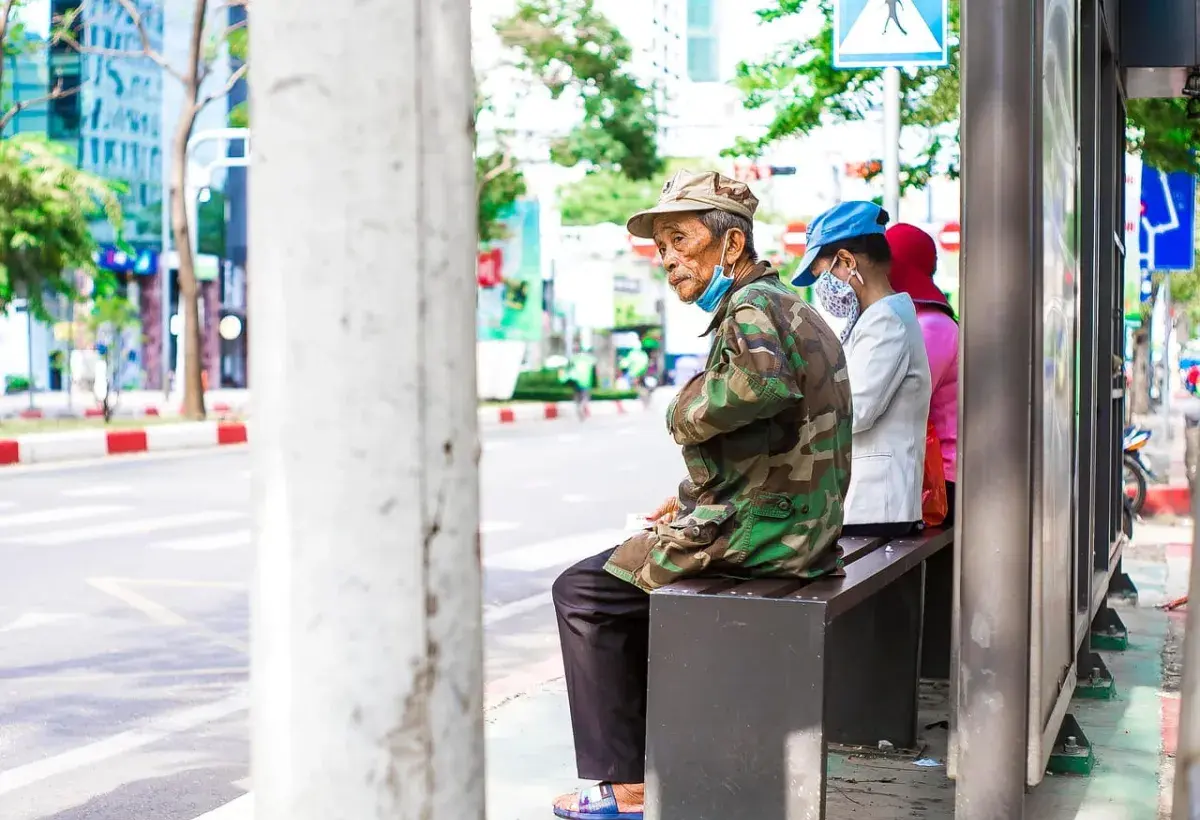
A Regional Race Against Time
Recognizing the scale of the challenge, ASEAN has not stood entirely still. Since 2022, collaboration between the World Health Organization and UN ESCAP has supported pilot programs in dementia care, rural long-term care clinics, and legislative advocacy (WHO–UN ESCAP, 2023). Progress is real but insufficient for the demographic wave ahead.
Technology has emerged as a stopgap. Digital platforms connect caregivers to services, and telemedicine extends reach where infrastructure lags. Yet these solutions risk excluding older adults who remain digitally marginalized.
Meanwhile, governments face a delicate balance. Foreign retirees bring capital and consumption, but also place pressure on healthcare systems. In response, Thailand has raised income requirements, the Philippines is considering mandatory local insurance for retirees, and Malaysia now requires proof of offshore income signals of an evolving recalibration between openness and sustainability.
To bring these differences into clearer focus, the following table summarizes how selected ASEAN countries compare across key dimensions of retirement readiness, including long-term care policy, visa accessibility, healthcare infrastructure, affordability, and inclusivity.
ASEAN Aging Scorecard
| Country | LTC Policy | Retirement Visa | Health Infrastructure | Affordability | Inclusivity |
| Thailand | Yes | Yes | Moderate | High | Growing |
| Singapore | Yes | No | High | Costly | Limited |
| Philippines | Partial | Yes (SRRV) | Fragmented | High | Open |
| Malaysia | Partial | Yes (MM2H/S-MM2H) | Moderate to High | High | Inclusive |
| Indonesia | None | Yes (KITAS) | Patchy | High | Limited |
The comparison reveals a region moving at uneven speeds. While countries such as Singapore and Thailand demonstrate structured planning and institutional capacity, others rely heavily on informal care and partial frameworks. The table underscores that ASEAN’s attractiveness as a retirement destination rests not on climate or cost alone, but on the depth and coherence of systems that support aging with dignity.
Image

ASEAN at the Threshold
ASEAN’s appeal as a retirement destination is undeniable. Its climate, culture, and cost advantages rival established hubs such as Spain and Costa Rica. Yet readiness remains uneven.
Singapore and Thailand demonstrate what policy foresight can achieve. Malaysia shows promise constrained by delayed legislation. The Philippines and Indonesia reveal the limits of hospitality without infrastructure.
By 2030, Thailand will have more seniors than children. Indonesia’s elderly population will double within fifteen years. Even the Philippines’ youthful demographic will begin to gray by 2035 (UN ESCAP, 2023).
The Path Forward
For ASEAN to move from promise to preparedness, three shifts are essential:
-
From family dependence to formal long-term care systems that are publicly supported and nationally coordinated
-
From visa incentives to retiree-inclusive healthcare access, ensuring affordability and continuity
-
From informal caregiving to workforce investment, particularly in rural and underserved areas
The question is no longer whether ASEAN will attract retirees. It already does. The real question is whether its nations will adapt in time to support aging with dignity for both those who arrive and those who have always been there. In the end, choosing where to retire is not about geography. It is about whether a society is prepared to honor longevity not as an afterthought, but as a shared future.
Author’s Reflection
Writing this chapter required holding two truths at once: the undeniable appeal of Southeast Asia as a place to grow old, and the uneven reality of its preparedness for aging. What emerged most clearly is that longevity exposes systems exactly as they are strong where policy is intentional, fragile where care remains assumed rather than designed. This reflection is offered not as judgment, but as an invitation to think more carefully about how societies honor those who have already given their working lives.
Image

Acknowledgment: Images used in this article were sourced from Pixabay and Freepik
References
-
Department of Social Welfare and Development. (2010). Administrative 05: Guidelines on community-based programs on older persons. Manila: Department of Social Welfare and Development.
-
Ministry of Health Singapore. (2023). Action plan for successful aging. Singapore: Ministry of Health.
-
National Center for Biotechnology Information. (2023). Thailand's long-term care evolution. Bethesda: NCBI.
-
Philippine News Agency. (2024). Foreign retiree policy update. Manila: PNA.
-
Tourrific Indonesia. (2023). Retirement KITAS program. Jakarta: Tourrific Indonesia.
-
United Nations ESCAP. (2023). Long-term care for older persons in Southeast Asia. Bangkok: UN ESCAP.
-
World Health Organization. (2023). Decade of healthy aging baseline report. Geneva: World Health Organization.