


Personal safety is not about living in fear. It is about awareness, preparation, and confidence in everyday situations. For women especially, safety considerations can come into play during routine activities like commuting to work, meeting friends, exercising outdoors, or traveling alone. The goal is not to limit freedom but to strengthen independence by building habits that reduce risk and increase peace of mind.
Modern life offers many conveniences, but it also creates new vulnerabilities. Smartphones, social media, rideshare services, and global travel all provide opportunities while also requiring smarter safety choices. Knowing how to move through the world with awareness allows women to enjoy these conveniences without unnecessary exposure to danger.
Safety is also deeply personal. What feels comfortable for one person may feel unsafe for another. Trusting your judgment, setting boundaries, and honoring your instincts are essential skills that develop over time. These are not weaknesses but strengths rooted in experience and intuition.
This guide focuses on practical actions that can be integrated into daily life without causing stress or disruption. Each tip is simple, realistic, and adaptable across cultures and environments. Whether you live in a busy city, a quiet town, or frequently travel, these principles remain relevant.
Confidence plays a critical role in safety. People who appear alert, decisive, and self assured are less likely to be targeted. Small habits such as posture, eye contact, and awareness of surroundings can make a meaningful difference.
The following ten tips are not meant to overwhelm. They are tools you can choose from and personalize. When practiced consistently, they help build a sense of control and readiness. Safety is not about expecting the worst. It is about being prepared for anything while continuing to live fully and freely.
1. Trust your instincts
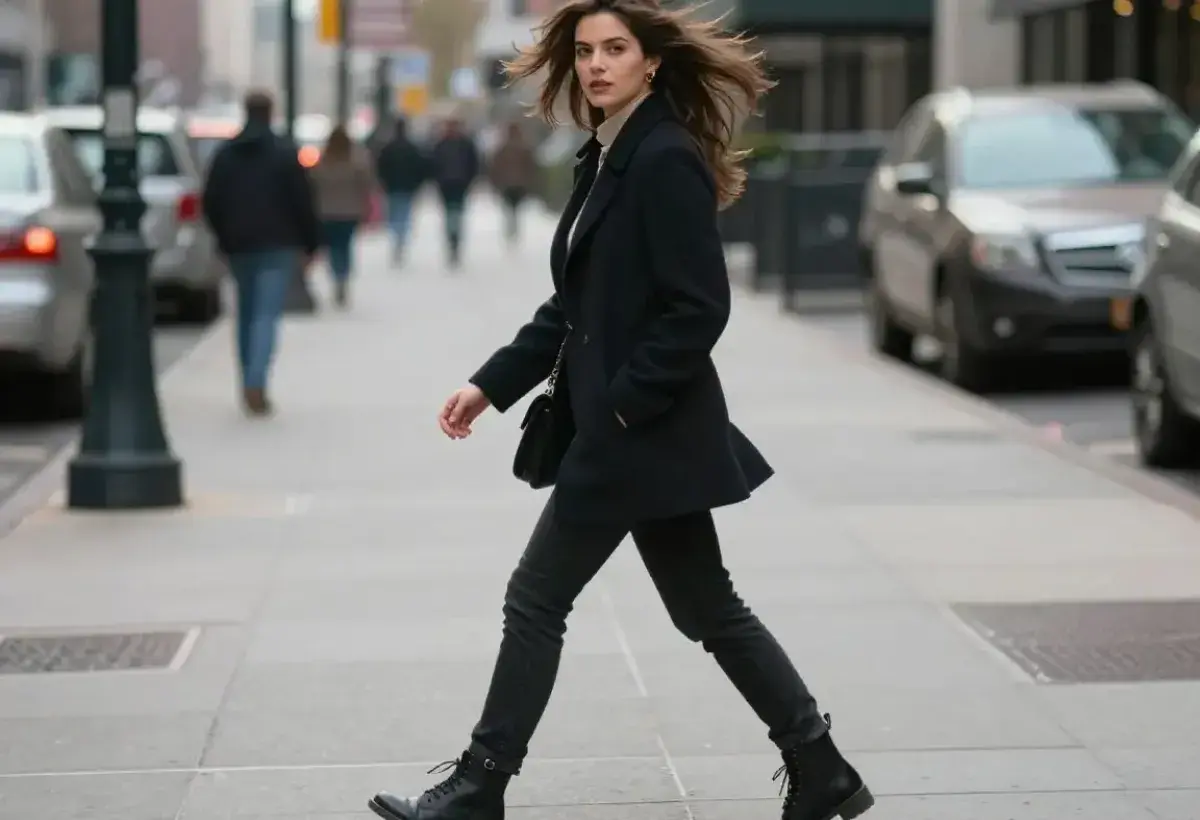
Your instincts are one of the most powerful safety tools you possess. They are shaped by experience, observation, and subconscious pattern recognition. When something feels wrong, even if you cannot logically explain it, that feeling deserves your attention.
Many people are taught to ignore discomfort to appear polite or avoid embarrassment. This can be dangerous. If a situation feels unsettling, you are not obligated to stay, explain yourself, or wait for confirmation. Safety always comes before social expectations.
Trusting your instincts may mean changing direction while walking, leaving a store early, declining a conversation, or stepping away from someone who makes you uneasy. These decisions do not require justification. You are allowed to prioritize your well being without apology.
Instincts often register subtle signals before the conscious mind catches up. Body language, tone of voice, eye contact, and environmental cues all contribute to these feelings. Listening to them helps you respond early rather than react late.
Developing trust in your instincts takes practice. Start by noticing how your body reacts in different situations. Tension, rapid heartbeat, or a sudden urge to leave are signals worth honoring. Over time, responding to these signals builds confidence and clarity.
Trusting yourself also strengthens self respect. When you act on your instincts, you reinforce the belief that your safety matters. This mindset carries into other areas of life, making decision making clearer and boundaries stronger.
Image
2. Share your location with someone you trust
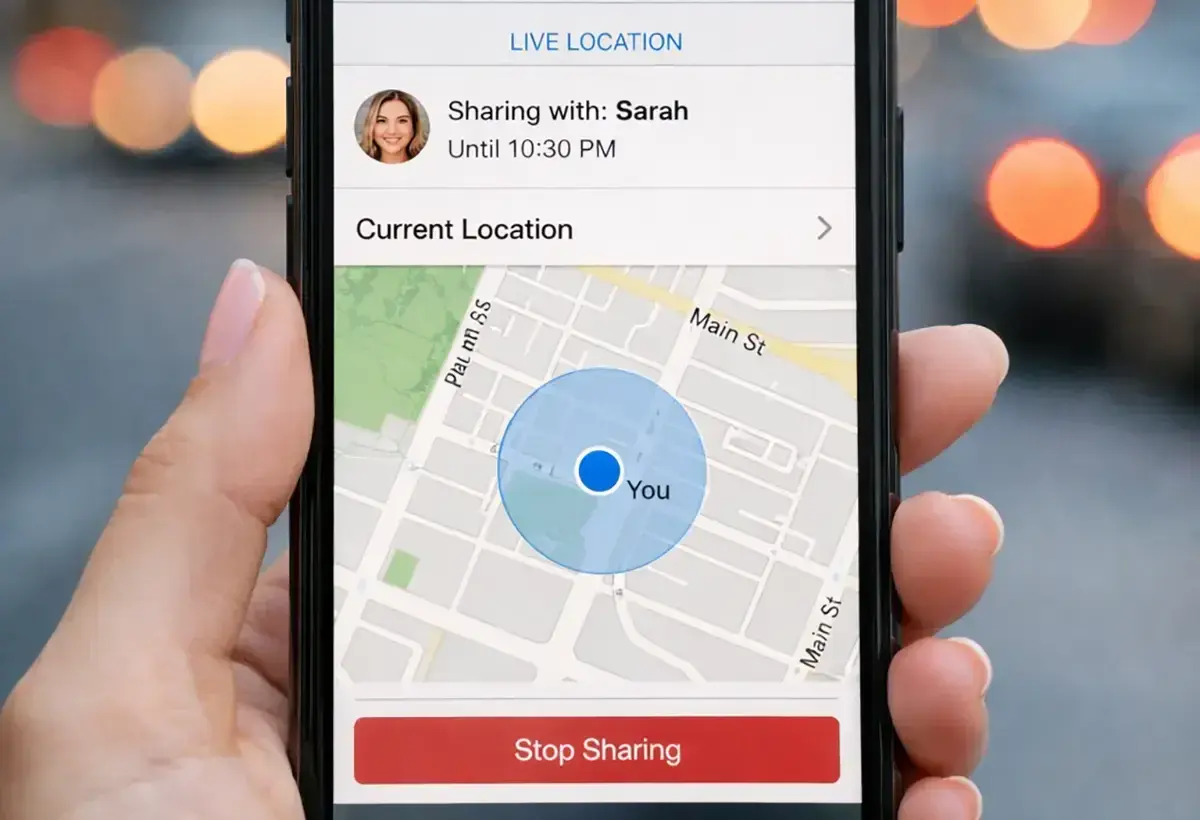
Sharing your location is a simple yet effective way to add a layer of security when you are alone. Most smartphones allow live location sharing, making it easy for someone you trust to know where you are in real time.
This is especially helpful when traveling, meeting someone new, walking at night, or exploring unfamiliar places. Knowing that someone can check on you provides reassurance and accountability.
Choose people you trust completely, such as close friends, family members, or partners. Let them know when and why you are sharing your location so they understand the context and can respond if something seems unusual.
Location sharing does not mean constant monitoring. It is a temporary safety measure that can be turned on and off as needed. Use it intentionally rather than leaving it active indefinitely.
In addition to live sharing, communicate your plans. Let someone know where you are going, how long you expect to be there, and when you plan to return. A simple message can make a significant difference.
Technology is a tool, not a solution by itself. Combine location sharing with awareness and good judgment. Together, these actions create a safety net that supports independence rather than limiting it.
Image
3. Keep valuables close and discreet
Visible valuables can draw unwanted attention, especially in crowded or unfamiliar environments. Phones, wallets, jewelry, and bags should be kept close to your body and used discreetly when possible.
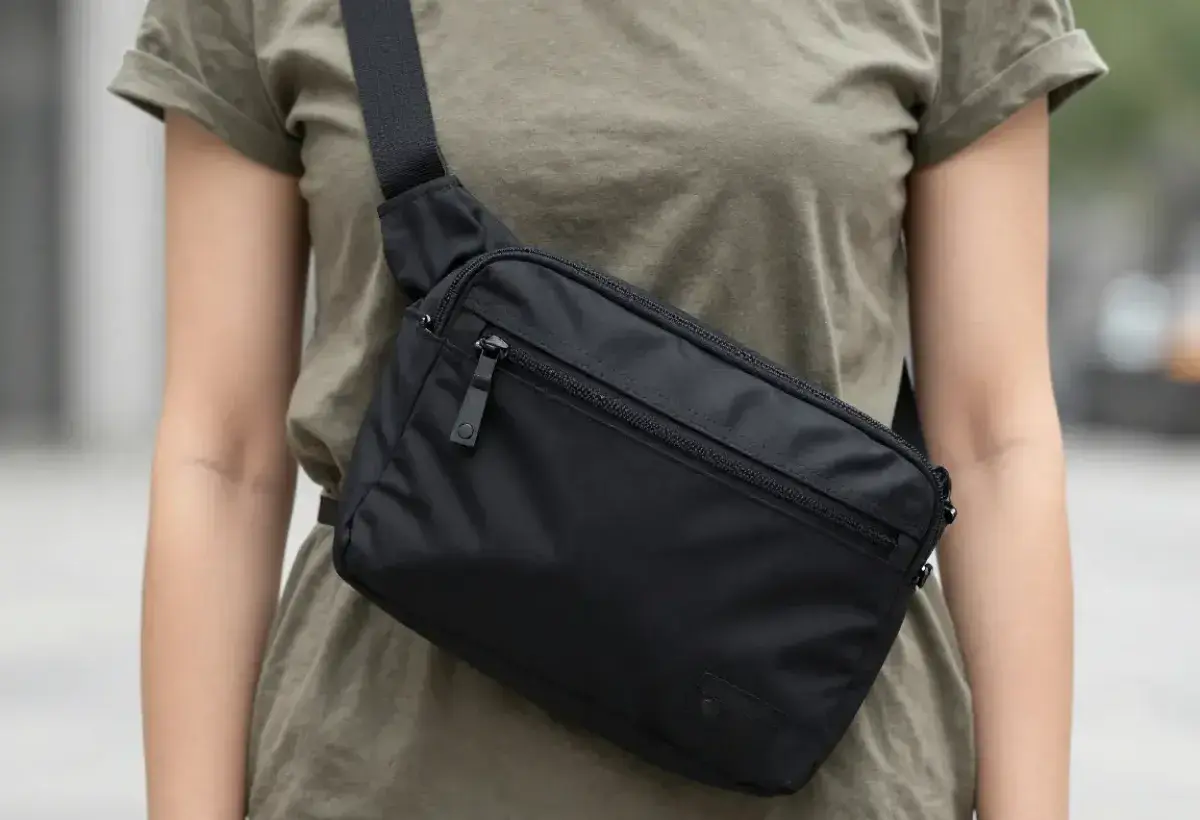
Avoid leaving items unattended or placing them in easily accessible pockets. Crossbody bags with secure closures, interior compartments, and minimal branding offer better protection.
When using your phone in public, stay aware of your surroundings. Stepping aside or holding it firmly reduces the risk of theft. Consider using headphones with awareness features rather than blocking out sound completely.
Discretion does not mean hiding who you are. It means being mindful of how visible possessions can affect safety. Simple adjustments in how you carry and use items can significantly reduce risk.
Regularly check that your belongings are secure, especially when transitioning between locations. Trains, cafes, and busy sidewalks are common moments when attention slips.
By keeping valuables close and controlled, you reduce distractions and maintain awareness. This helps you move confidently and focus on your surroundings rather than worrying about loss.
Image
4. Use well lit and busy routes
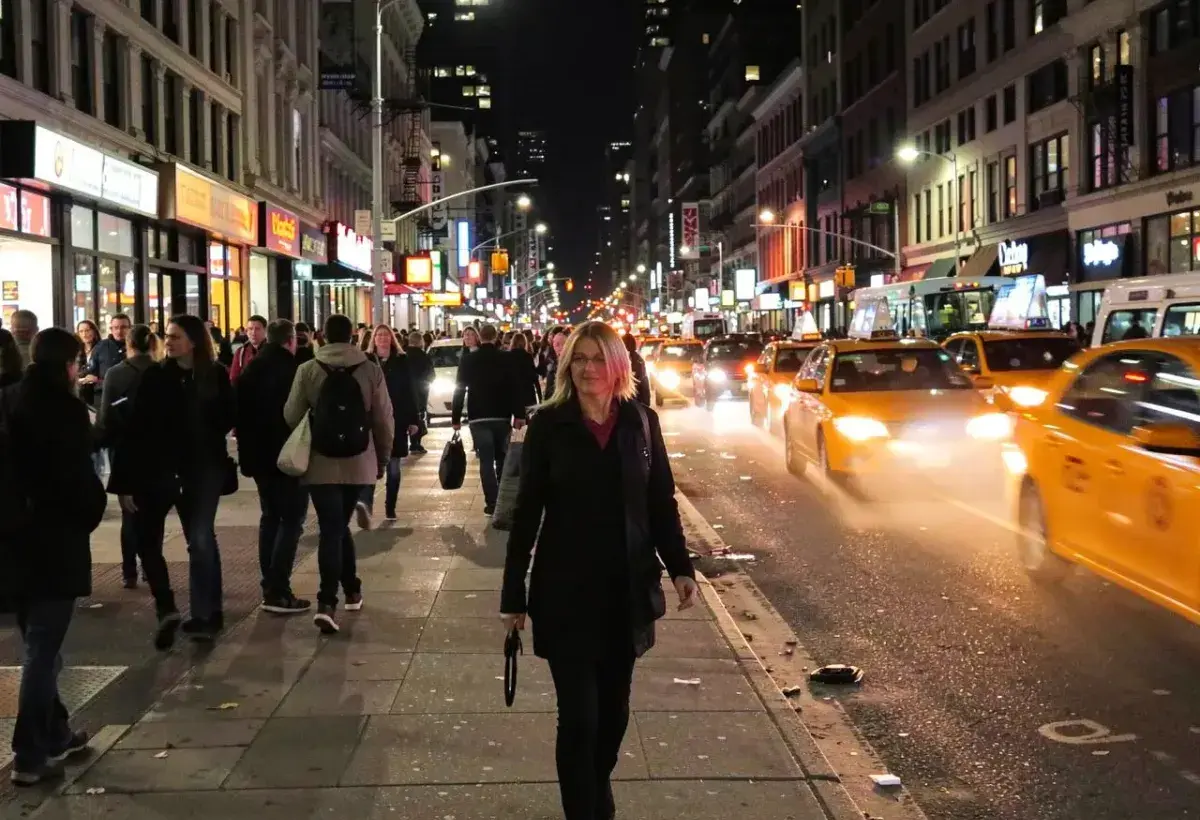
Choosing where you walk can be just as important as how you walk. Well lit streets with regular foot traffic offer greater visibility and natural oversight, which can deter unwanted behavior.
Shortcuts through quiet areas may seem convenient, but they often reduce escape options and access to help. Opting for main roads, even if they take longer, increases safety.
Lighting improves visibility and helps you stay aware of who and what is around you. It also makes you more visible to others, which can be protective.
Busy routes provide witnesses and opportunities to seek assistance if needed. Cafes, shops, and open businesses create environments where help is nearby.
Plan routes ahead of time, especially at night. Familiarity reduces uncertainty and allows you to move with confidence rather than hesitation.
Your path should support your comfort and awareness. Walking with purpose in well lit areas reinforces confidence and reduces vulnerability.
Image
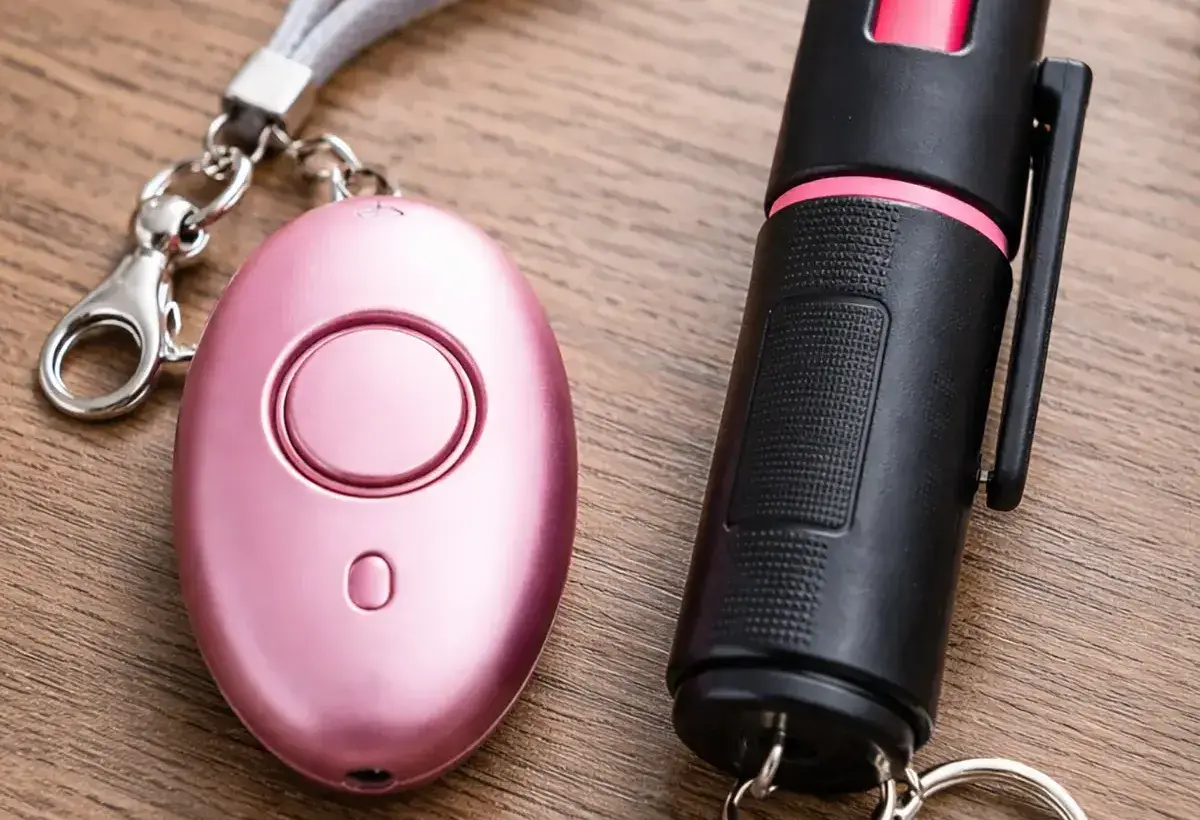
5. Carry a safety tool
Personal safety tools can provide an added sense of security when carried responsibly and legally. Options such as pepper spray, personal alarms, or whistles are commonly used and easy to carry.
The most important factor is accessibility. A safety tool is only helpful if you can reach it quickly. Keep it in your hand, pocket, or an outer bag compartment rather than buried inside.
Before carrying any tool, understand local laws and proper usage. Practice using it so you feel confident rather than hesitant in an emergency.
Safety tools are not a replacement for awareness. They are a backup that supports other safety habits. Confidence in using them can also affect how you carry yourself.
Choose tools that fit your comfort level. Feeling empowered matters more than carrying something you are unsure about.
Preparedness builds confidence. Knowing you have an option can reduce anxiety and help you stay calm in uncertain situations.
Image
6. Be cautious with rideshares
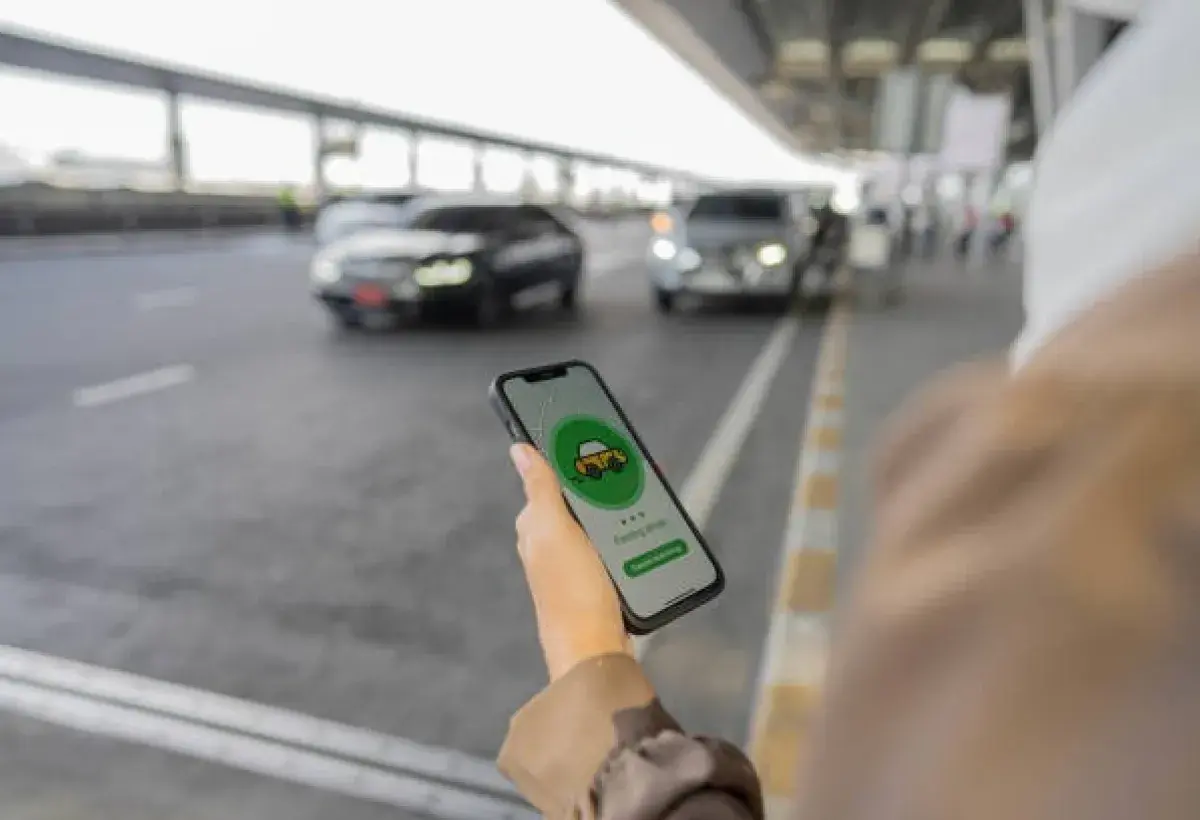
Rideshare services offer convenience but require attention to detail. Always confirm the vehicle license plate, driver name, and photo before entering the car.
Avoid sharing unnecessary personal information during the ride. Keep conversations neutral and focused on the trip.
Sit in the back seat when possible. This provides personal space and easier exit options.
Share your trip details with someone you trust through the app. Many platforms offer built in safety features including emergency assistance.
Trust your instincts during the ride. If something feels wrong, you can ask to end the trip early in a public area.
Using rideshares safely means staying alert and informed. Small checks make a significant difference.
Image
7. Limit sharing your real time location on social media
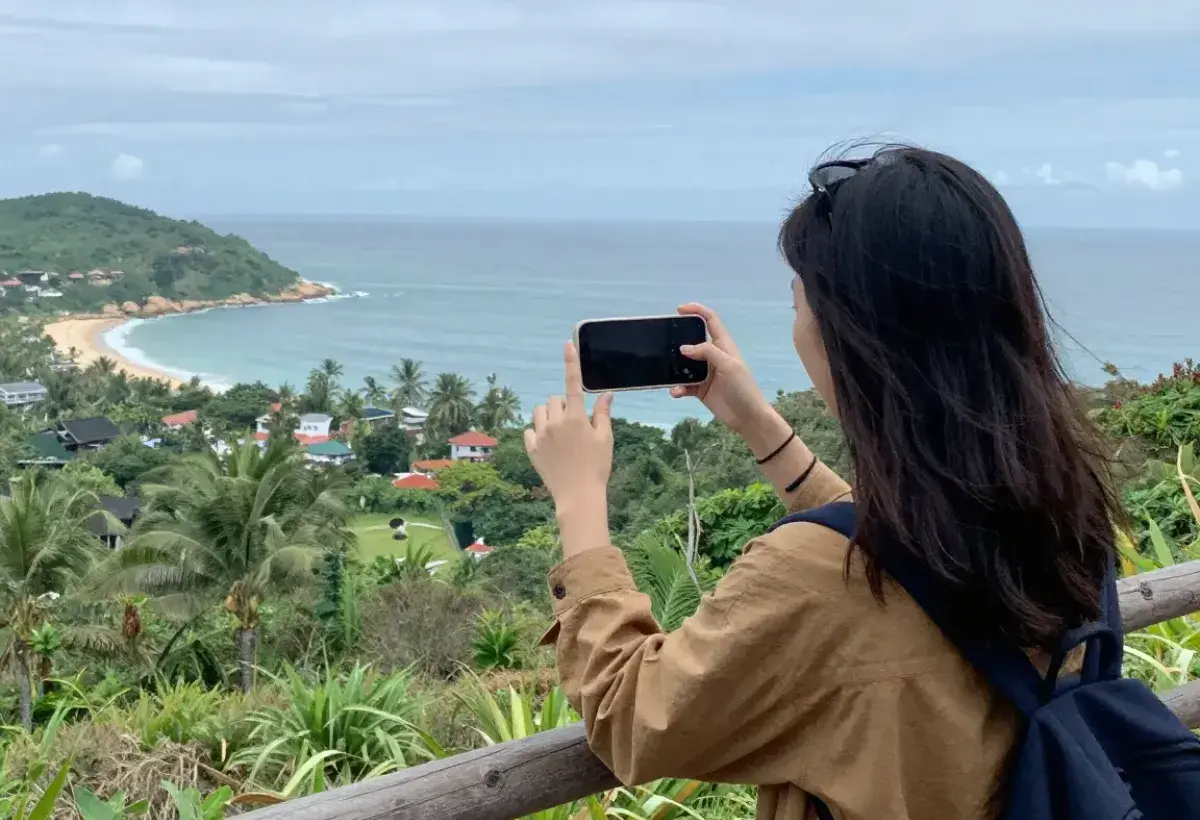
Social media can unintentionally reveal more than intended. Posting your location while you are still there can expose you to unwanted attention.
Sharing photos and updates after leaving a place helps protect your privacy. This simple delay reduces the risk of someone knowing exactly where you are.
Review privacy settings regularly and be mindful of who can see your posts. Not every moment needs to be public.
Tagging locations and events can be enjoyable, but consider timing and audience. Safety should always come first.
Your online presence is part of your personal safety. Treat it with the same awareness as physical spaces.
Maintaining boundaries online supports freedom offline.
Image
8. Learn basic self defense moves
Self defense training builds awareness, confidence, and physical readiness. Even basic techniques can make a difference in emergencies.
Classes teach how to break free, create space, and protect vital areas. They also emphasize situational awareness and prevention.
Confidence gained through training often affects posture and body language, which can deter potential threats.
You do not need advanced skills to benefit. Simple techniques practiced regularly are effective.
Self defense is about empowerment rather than confrontation. It gives you options.
Learning these skills reinforces belief in your ability to protect yourself.
Image

9. Lock your car immediately after getting in
Locking your car doors as soon as you enter is a simple habit with strong safety benefits. It prevents unauthorized access in vulnerable moments.
Whether parked or stopped briefly, locking doors adds a layer of protection.
Make it automatic. Muscle memory reduces hesitation.
Be aware of surroundings while entering and exiting your vehicle. Preparation starts before you sit down.
This habit takes seconds and offers peace of mind.
Consistency turns small actions into reliable safety routines.
Image

10. Stay alert not distracted
Awareness is one of the strongest safety tools. Distractions reduce your ability to notice changes in your environment.
Avoid walking while deeply focused on your phone. Lower headphone volume to hear what is happening around you.
Scan surroundings regularly. Notice people, exits, and movement.
Alertness does not mean fear. It means presence.
Being engaged with your environment supports confident movement.
Staying aware helps you respond early rather than react late.
Image
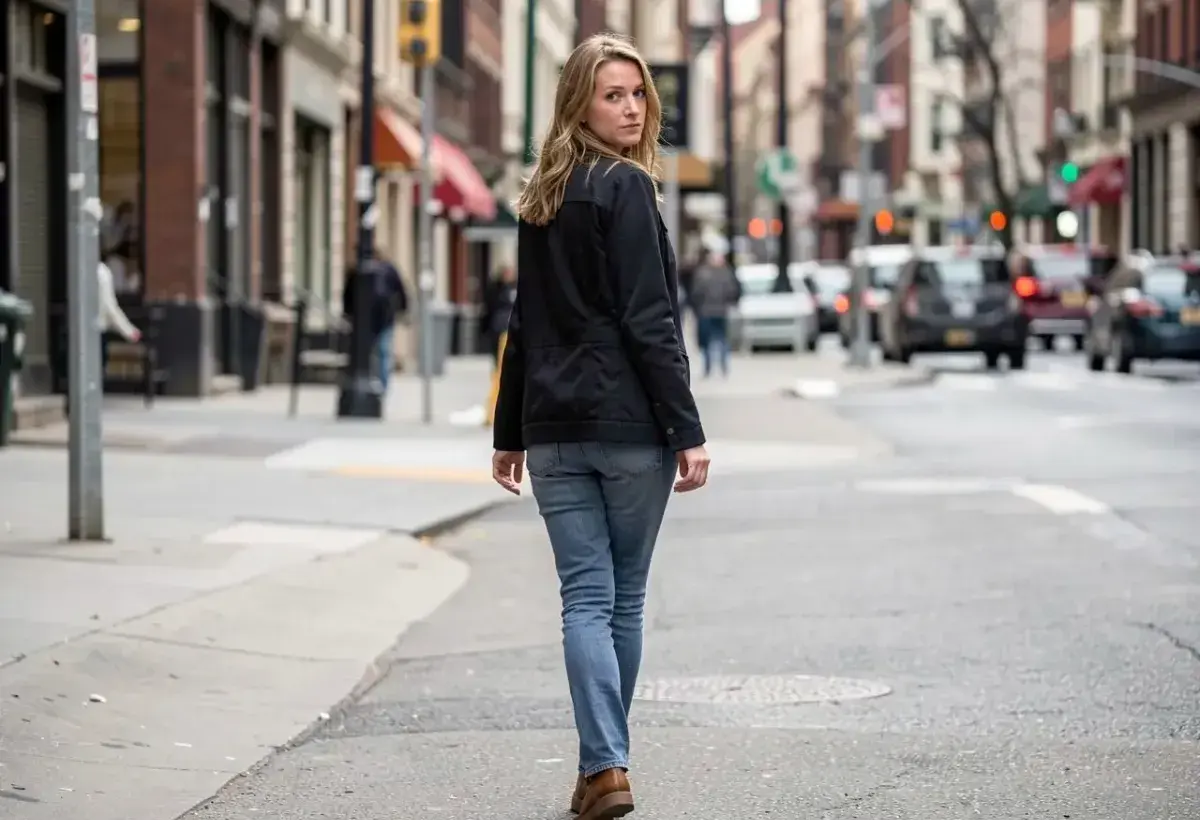
Safety is not about restriction. It is about empowerment. When you develop awareness, trust your instincts, and adopt practical habits, you create a foundation that supports confidence and independence.
Each of these tips is a tool, not a rule. You choose what fits your lifestyle, environment, and comfort level. The goal is progress, not perfection.
By practicing small actions consistently, safety becomes second nature rather than a source of anxiety. Confidence grows through preparation and self trust.
Every woman deserves to move through the world with assurance and freedom. Safety habits make that possible without limiting joy or opportunity.
Your presence matters. Your instincts matter. Your safety matters.