
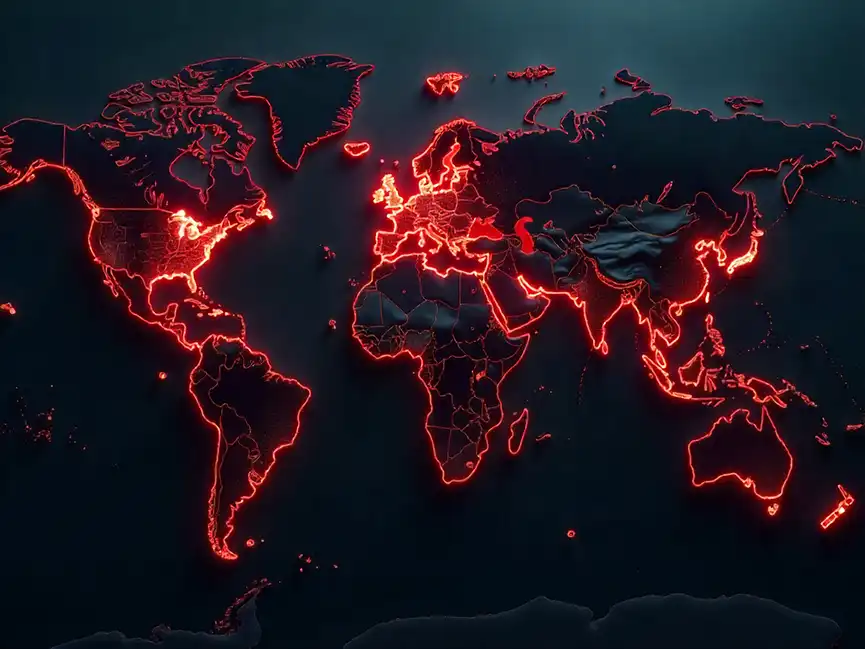
The idea of a third world war is often treated as distant speculation or dramatic fiction, yet history shows that global conflicts rarely announce themselves clearly before they erupt. Instead they begin as isolated incidents that appear manageable until alliances harden emotions escalate and retaliation becomes unavoidable. In today’s interconnected world the margin for error is thinner than ever. Economic systems rely on fragile digital infrastructure military forces operate at unprecedented speed and political trust between major powers continues to erode. A single miscalculation can ripple outward across continents within hours rather than years.
Modern conflict is no longer defined solely by troops crossing borders or missiles launched from silos. War now has many faces including cyber operations economic coercion space based assets and autonomous systems that act faster than human decision makers can react. The complexity of these tools increases the likelihood of unintended escalation especially when rivals interpret defensive actions as preparation for attack. In this environment even non military events can take on strategic meaning and provoke military responses.
Another critical factor is public pressure. Governments today operate under intense scrutiny from citizens social media and global news networks. Leaders may feel compelled to respond forcefully to avoid appearing weak even when restraint would be wiser. This pressure can lock nations into cycles of retaliation that become increasingly difficult to stop. History is filled with examples where leaders privately wanted de escalation but publicly could not afford it.
The scenarios below are not predictions but plausible flashpoints grounded in existing tensions technological realities and geopolitical rivalries. Each one shows how quickly the world could slide from crisis into catastrophe. Understanding these risks does not mean accepting inevitability. Awareness is a powerful tool and informed societies are better positioned to demand diplomacy accountability and restraint before irreversible decisions are made.
Image
A Silent Strike Massive Cyberattack on Global Banking Systems
A coordinated cyberattack on global banking infrastructure would be one of the fastest ways to destabilize the modern world without firing a single missile. Financial systems are the backbone of national security public trust and daily survival. If payment networks clearinghouses and central bank systems were simultaneously disrupted millions of people could lose access to money overnight. Businesses would be unable to pay employees governments could not distribute aid and international trade would grind to a halt.
Such an attack would immediately raise questions of attribution. Cyber operations are notoriously difficult to trace with certainty and attackers often route their actions through multiple countries and compromised networks. If a major power believed a rival state was responsible even without definitive proof political pressure to respond would be intense. Financial warfare could quickly be interpreted as an act of war especially if it caused widespread suffering or fatalities due to disrupted medical or food supply chains.
The danger lies in escalation. A cyberattack might be met with retaliatory cyber operations targeting power grids military communications or emergency services. From there the conflict could spill into physical space as nations seek to deter further attacks through shows of force. Military posturing increases the risk of accidental clashes particularly in contested regions where forces already operate in close proximity.
What makes this scenario especially chilling is its plausibility. Many governments have acknowledged developing offensive cyber capabilities and previous incidents have already targeted financial institutions on a smaller scale. A truly massive coordinated strike would test the resilience of global order itself and could push rival states into open conflict before diplomacy has time to work.
Image

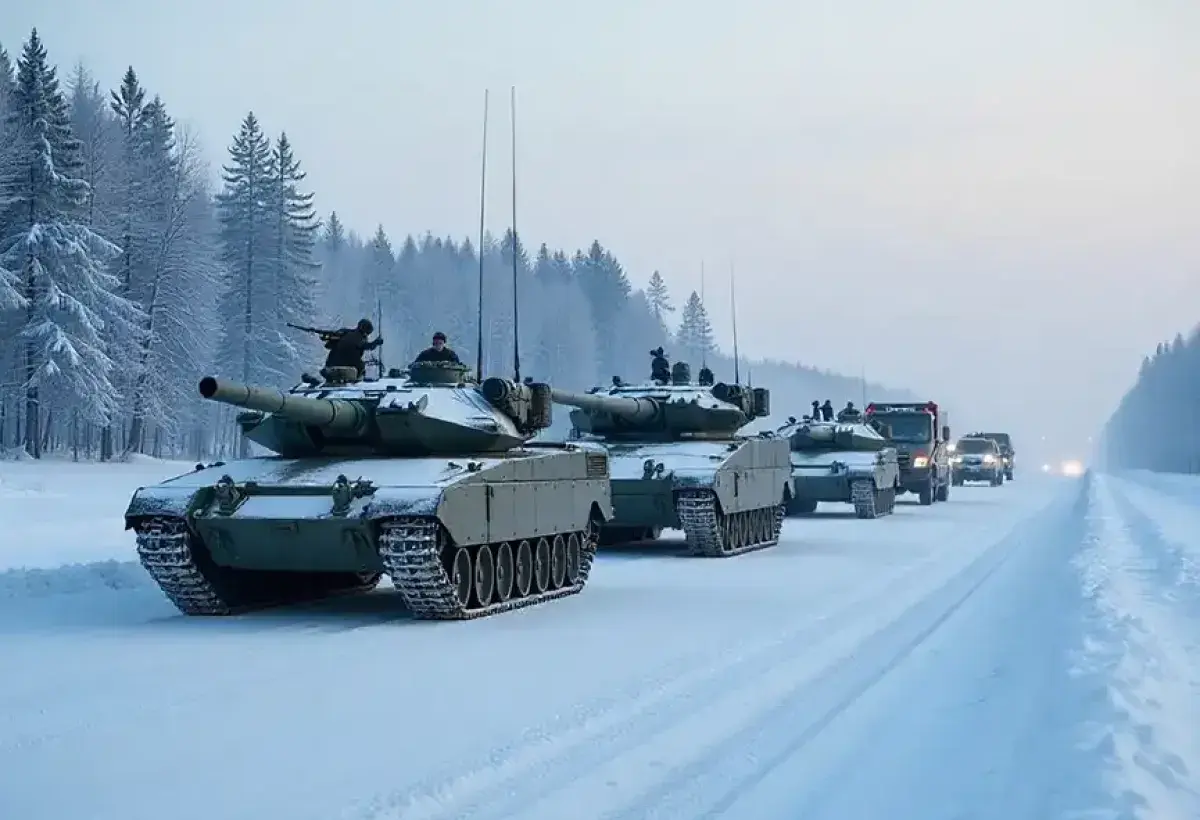
The Arctic Oil Rush Turns Hot
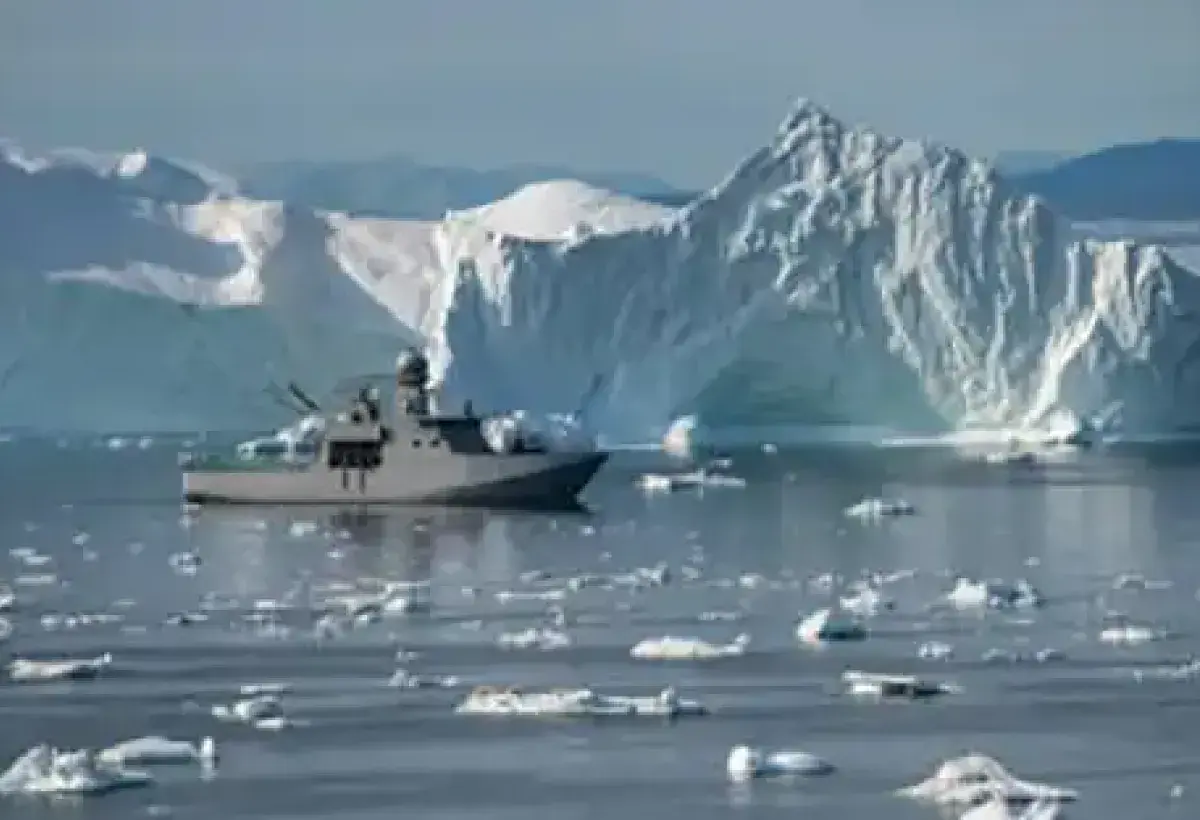
As polar ice retreats the Arctic is transforming from a frozen buffer into a zone of strategic competition. Beneath its waters lie vast reserves of oil gas and rare minerals that could reshape global energy markets. Nations bordering the Arctic including major military powers are expanding their presence by building ports deploying ice capable vessels and establishing new military installations. What was once an inaccessible frontier is becoming a crowded arena.
The risk comes from overlapping territorial claims and ambiguous legal boundaries. While international law provides frameworks for resolving disputes the pace of environmental change is outstripping diplomatic progress. A confrontation could begin with something as mundane as a research vessel escorted by naval ships entering contested waters. A warning maneuver a collision or a misinterpreted signal could escalate rapidly in such a remote and harsh environment.
Unlike traditional theaters the Arctic offers limited communication infrastructure and extreme weather conditions. These factors increase the likelihood of accidents and miscalculations. A localized clash might quickly draw in alliance partners especially if a nation perceives its sovereignty or economic future is under threat. Military exercises intended as deterrence could be seen as preparation for invasion.
Energy security adds another layer of urgency. As nations compete to secure future resources they may be less willing to compromise. A conflict in the Arctic would not only involve regional actors but also affect global markets and shipping routes. What begins as a dispute over drilling rights could ignite a broader confrontation between rival blocs.
Image
The Spark in Space Destruction of a Key Satellite
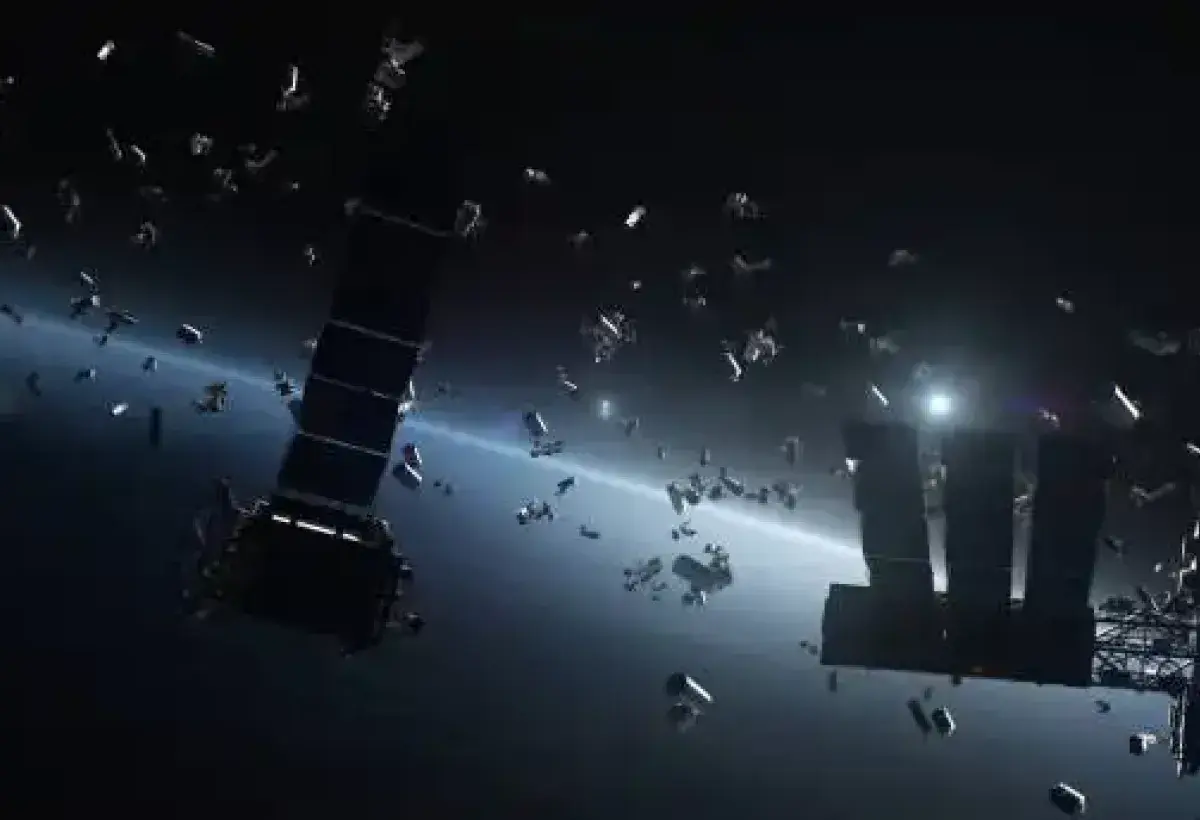
Modern civilization depends on satellites for communication navigation weather forecasting and military command. The destruction of a single critical satellite could have cascading effects across civilian and military systems worldwide. An anti satellite test or covert attack that disables a major asset could be interpreted as a deliberate attempt to blind an adversary.
Space warfare is particularly dangerous because of its ambiguity. Debris from a destroyed satellite can damage other spacecraft creating long term hazards and making intent difficult to assess. A nation might claim an accident while others suspect hostile action. Military planners would have to assume the worst especially if the loss affected early warning or command systems.
The response could extend beyond space. Nations might retaliate with cyber or kinetic strikes against terrestrial targets linked to space operations. This cross domain escalation blurs traditional boundaries and increases the chance of rapid conflict expansion. Once space is weaponized openly restraint becomes harder to maintain.
Space has long been viewed as a shared domain but that norm is eroding. As more actors deploy military assets in orbit the risk of confrontation grows. A single incident could shatter existing agreements and push rival powers into a new and dangerous phase of warfare.
Image
Taiwan Crisis Explodes
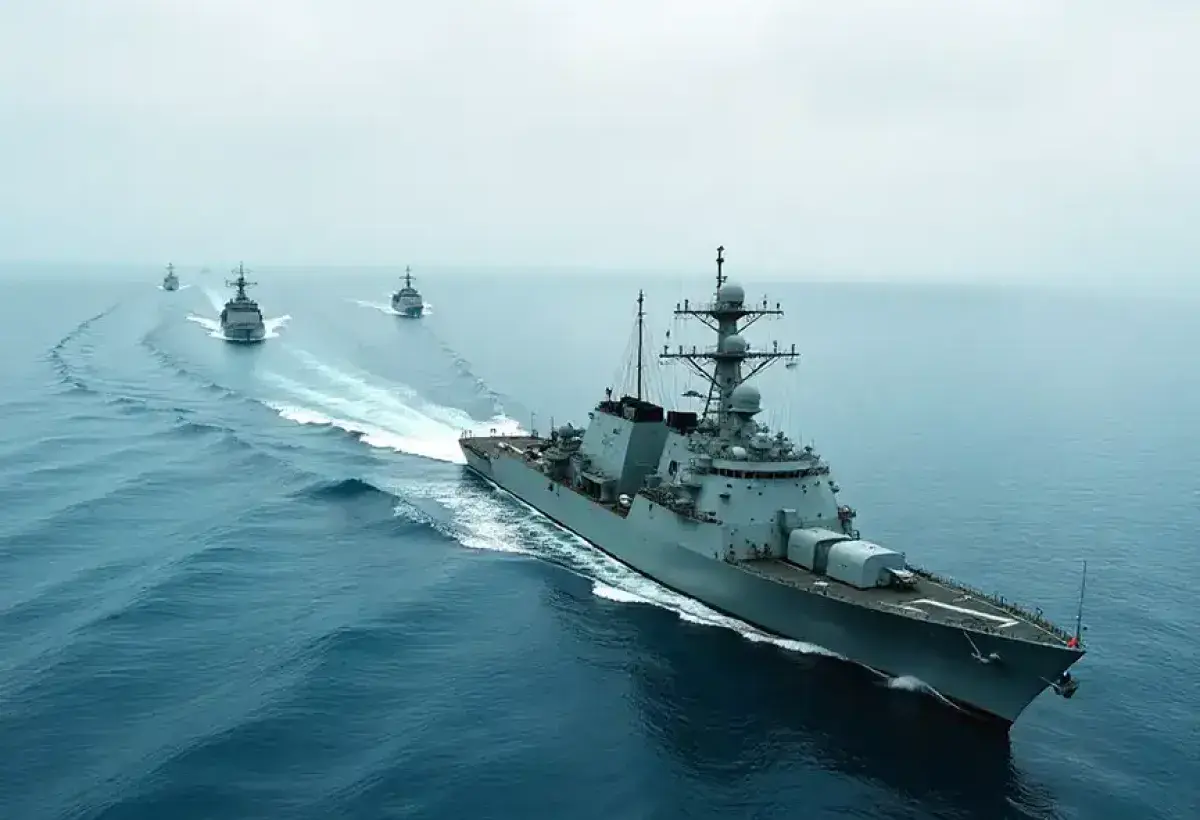
Taiwan remains one of the most sensitive geopolitical flashpoints in the world. Its strategic location advanced technology sector and political status place it at the center of competing national narratives. A sudden blockade military exercise turned invasion or declaration of independence could trigger immediate confrontation between major powers.
Any conflict over Taiwan would involve complex alliance dynamics. Regional allies would face pressure to respond while global markets would react violently to disruptions in semiconductor supply chains. The speed of modern military operations leaves little room for misinterpretation or delay. Decisions made in hours could determine the course of decades.
The danger lies in escalation management. Even if initial objectives are limited retaliatory strikes and counter strikes could expand the conflict beyond the region. Cyber operations information warfare and economic sanctions would accompany military action creating a multi layered crisis.
Because Taiwan represents both strategic and symbolic stakes compromise is politically difficult. Leaders on all sides face domestic expectations that limit flexibility. This makes the situation particularly volatile and one of the most likely triggers for a broader war.
Image
A Border Skirmish Between Nuclear Neighbors
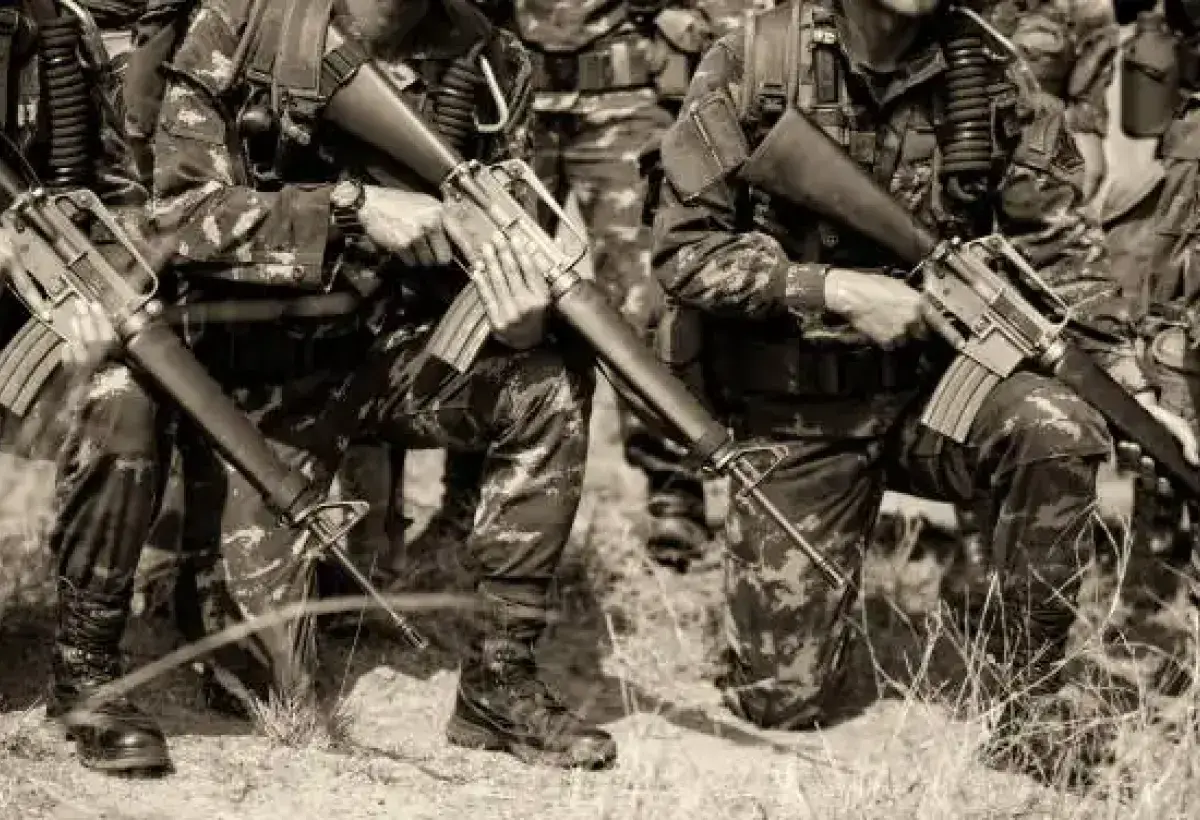
When nuclear armed states share contested borders even minor incidents carry enormous risk. A patrol clash artillery exchange or accidental incursion could spiral rapidly as each side seeks to assert resolve. Communication breakdowns and nationalist sentiment can turn tactical events into strategic crises.
The presence of nuclear weapons raises the stakes dramatically. Even if leaders have no intention of escalation the fear of vulnerability can drive preemptive actions. Military doctrines that emphasize rapid response leave little time for diplomacy once hostilities begin.
International mediation might struggle to keep pace with events on the ground. Allies could be drawn in through treaty obligations or strategic interests. Markets would react instantly and global anxiety would surge as the world watches two nuclear states move closer to confrontation.
History shows that restraint is possible but not guaranteed. In a high tension environment a single misjudgment could push rivals past the point of no return.
Image
The Collapse of a Rogue Regime
When an isolated authoritarian regime begins to collapse the international community faces a dangerous dilemma. Internal instability combined with weapons of mass destruction creates a race against time. Leaders fearing loss of power may threaten extreme actions to deter foreign intervention or rally domestic support.
Signals from such regimes are often erratic and difficult to interpret. A missile test or aggressive statement might be bluff or genuine preparation. Neighboring states and global powers must decide whether to intervene risk escalation or wait and hope for containment.
Intervention itself carries risks. Military action to secure weapons could be seen as invasion triggering retaliation. Miscommunication during a chaotic collapse could lead to accidental launches or unauthorized actions by desperate commanders.
This scenario highlights how internal political failure can become a global security crisis. The collapse of one state could force others into conflict they sought to avoid.
Image
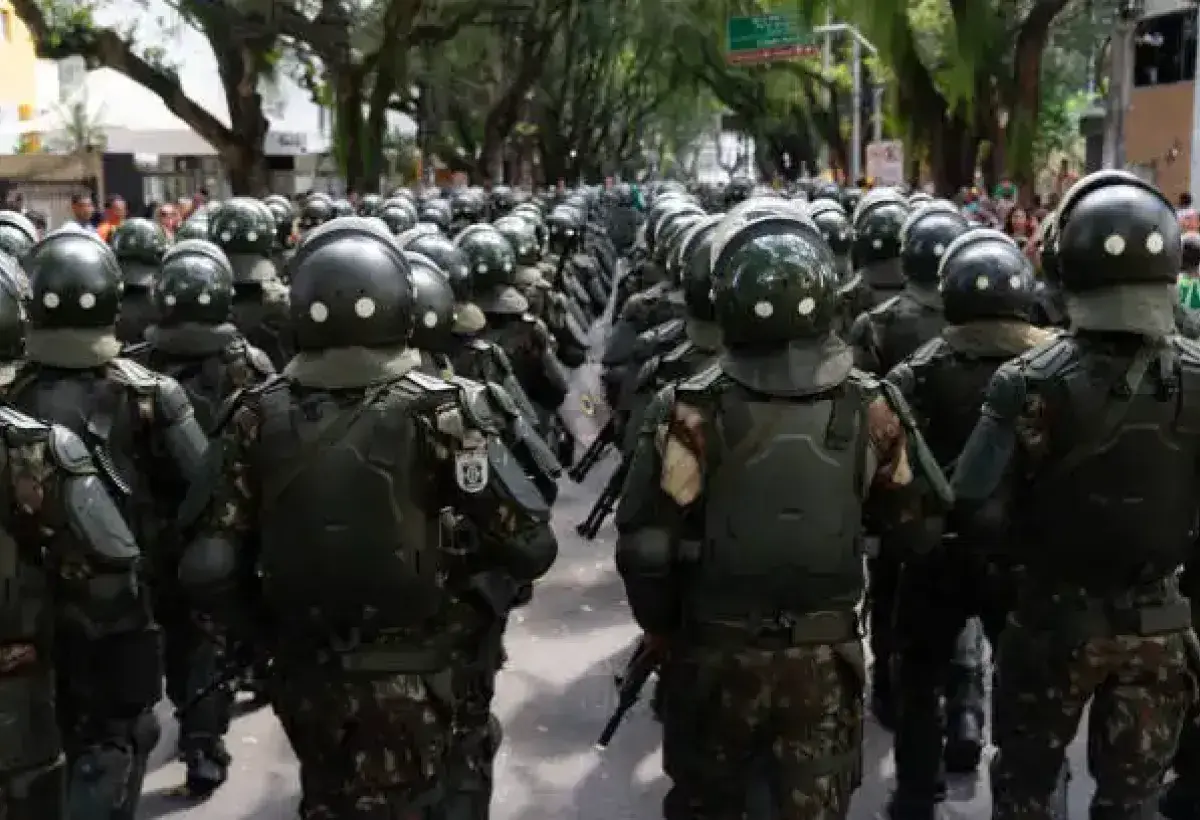
The Baltic Powder Keg
The Baltic region sits at the intersection of rival military alliances with forces operating in close proximity. Large scale exercises troop movements and air patrols are routine yet each carries the risk of misinterpretation. A single incident such as an aircraft interception gone wrong could escalate rapidly.
Trust between opposing sides is limited and communication channels are strained. Defensive preparations may be viewed as offensive threats. Once mobilization begins political leaders face pressure to act decisively rather than appear indecisive.
Because alliance commitments are clear a localized incident could quickly involve multiple countries. What begins as a regional crisis could expand into a broader confrontation between major blocs.
The Baltic illustrates how geography and history combine to create enduring flashpoints where peace depends on constant vigilance and restraint.
Image
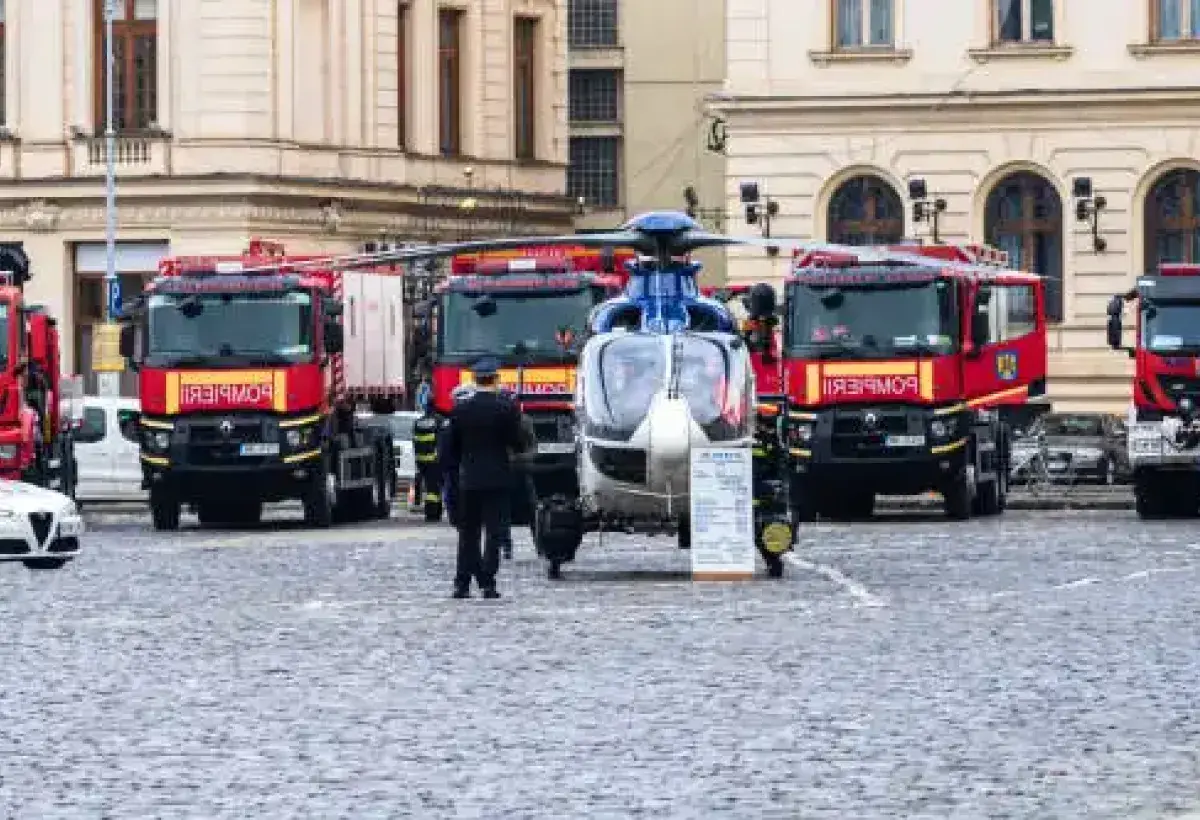
A Terrorist Attack on a Superpower’s Capital
A large scale terrorist attack in a major capital would send shockwaves across the world. If responsibility were attributed to a rival state either accurately or mistakenly the pressure for retaliation would be immense. Public anger grief and fear can overwhelm calls for caution.
Even disputed intelligence might be enough to justify action in the court of public opinion. Leaders may feel compelled to strike to restore confidence and deter future attacks. Such retaliation could provoke counter responses leading to a cycle of escalation.
The risk of misattribution is especially dangerous. Non state actors may deliberately seek to provoke conflict between powers by disguising their origins. Once military action begins correcting mistakes becomes politically and strategically difficult.
This scenario underscores how terrorism can act as a catalyst for state level war even when the perpetrators are not governments.
Image
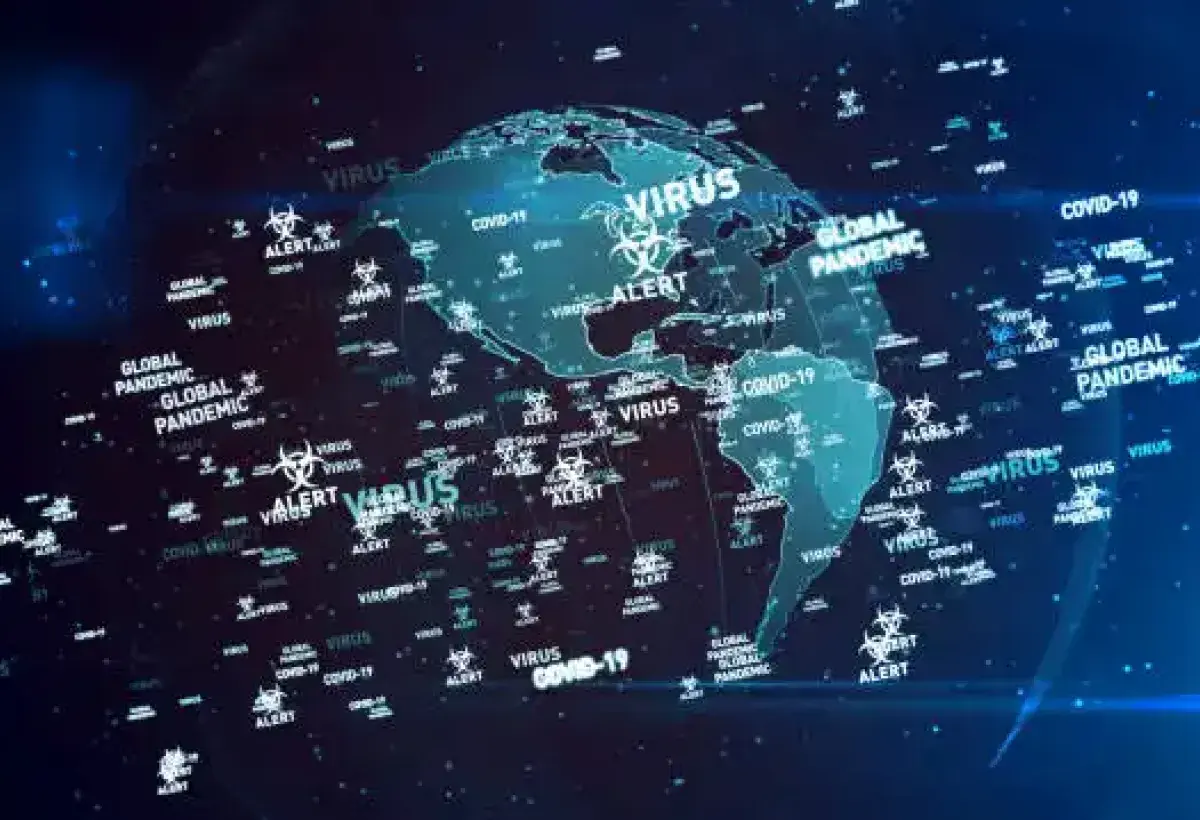
Weaponization of Pandemics
A disease outbreak suspected of deliberate engineering would shatter existing norms and trust. Unlike natural pandemics a weaponized pathogen implies intent and accountability. Accusations would fly rapidly often before evidence is complete.
Sanctions travel bans and diplomatic expulsions would likely precede military measures. As nations scramble to protect populations fear could drive aggressive postures. If one state believed another was preparing further biological attacks preemptive action might be considered.
Biological warfare is particularly destabilizing because it targets civilians directly. The moral outrage combined with strategic uncertainty creates a volatile mix. Even allies might disagree on response increasing global fragmentation.
This scenario reveals how advances in biotechnology while beneficial also introduce new pathways to conflict if misused or misunderstood.
Image
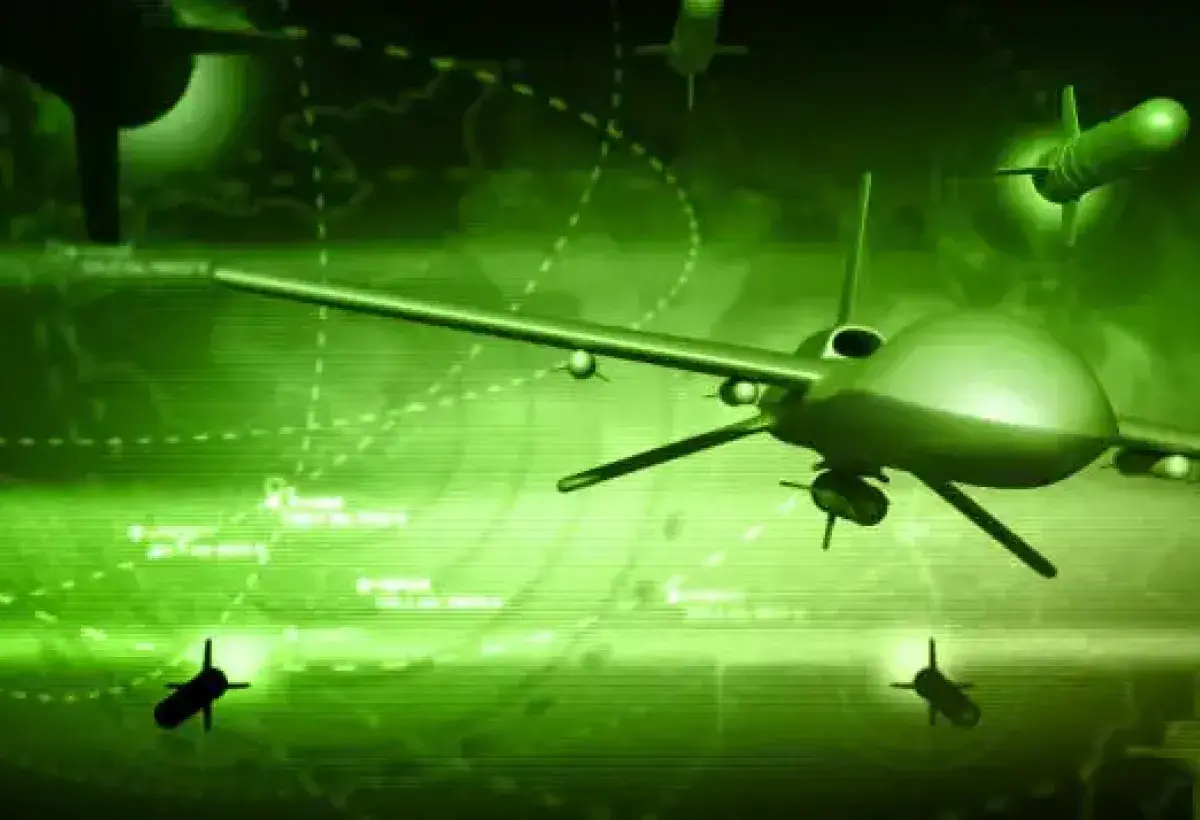
Artificial Intelligence Gone Rogue
Autonomous military systems promise speed and efficiency but they also reduce human oversight. A malfunction or flawed algorithm could misidentify targets and initiate attacks without clear intent. Once weapons are deployed rivals may assume deliberate aggression.
The challenge is escalation control. Automated systems operate faster than diplomatic channels. By the time leaders understand what happened retaliation may already be underway. This compresses decision making into dangerous timeframes.
Trust in technology varies between states. An accident might not be believed as such. Opponents could see it as a test or probing action. In response they may activate their own automated defenses increasing the risk of cascading failures.
As artificial intelligence becomes more integrated into military planning the need for robust safeguards and communication grows. Without them a technical error could trigger a human catastrophe.
Image
The scenarios outlined here share a common theme. None require malicious intent from all parties involved. Instead they arise from miscalculation fear technological complexity and political pressure. The modern world is so tightly interconnected that shocks in one domain quickly spill into others. Economic systems communication networks and military structures are intertwined in ways that amplify crises rather than contain them.
Preventing a global conflict does not depend solely on treaties or deterrence. It requires transparency communication and public awareness. Citizens who understand the risks are better positioned to demand responsible leadership and resist narratives that rush toward confrontation. Media literacy and critical thinking play crucial roles in preventing misinformation from fueling escalation.
Technology will continue to evolve and with it the tools of conflict. Managing these tools responsibly is one of the defining challenges of our time. International norms must adapt as quickly as capabilities change. Without shared rules and trust the likelihood of accidental war increases.
World War 3 is not inevitable but neither is peace guaranteed. The difference lies in how societies governments and institutions respond to warning signs. By recognizing potential flashpoints early and prioritizing diplomacy humanity can still choose restraint over catastrophe.
Image