
Your liver works quietly but constantly to keep your body in balance. Every day it filters toxins from your bloodstream, processes nutrients from food, regulates cholesterol, and supports digestion and metabolism. It also plays a vital role in hormone balance, immune defense, and energy production. Because of these responsibilities, the liver is exposed to stress from processed foods, alcohol, environmental toxins, and daily metabolic demands. Over time, that stress can affect how efficiently it performs its many tasks.
The good news is that your diet can make a meaningful difference. The liver is remarkably resilient and responds well to supportive nutrition. Certain foods contain compounds that help activate natural detox pathways, reduce inflammation, and protect liver cells from damage. Others support the production of antioxidants that the liver uses to neutralize harmful substances before they can cause trouble. When you regularly include these foods in your meals, you are giving your liver the tools it needs to repair, cleanse, and function at its best.
Liver supportive foods are not exotic or hard to find. Many are everyday ingredients that also taste great and fit easily into a balanced lifestyle. From aromatic spices to colorful fruits and healthy fats, these foods nourish your body while quietly supporting one of its most important organs. They work best as part of a consistent pattern of healthy eating rather than a short term cleanse or restrictive plan.
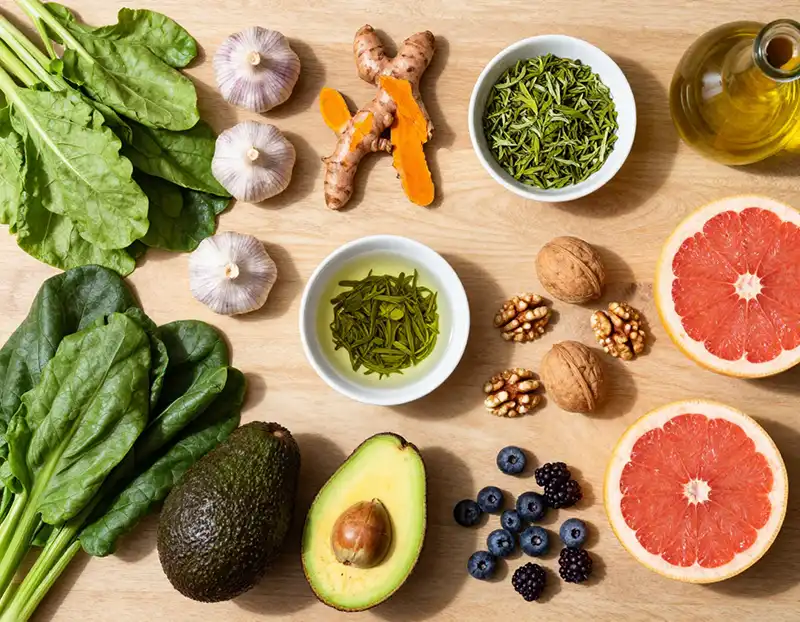
Below, you will find ten delicious foods known for their liver loving properties. Each one offers unique benefits, from boosting antioxidant levels to supporting healthy fat metabolism. Simple ways to enjoy them are included so you can start incorporating them right away. With mindful choices and consistent habits, you can support your liver naturally and enjoy better overall wellness for years to come.
1. Garlic
Image
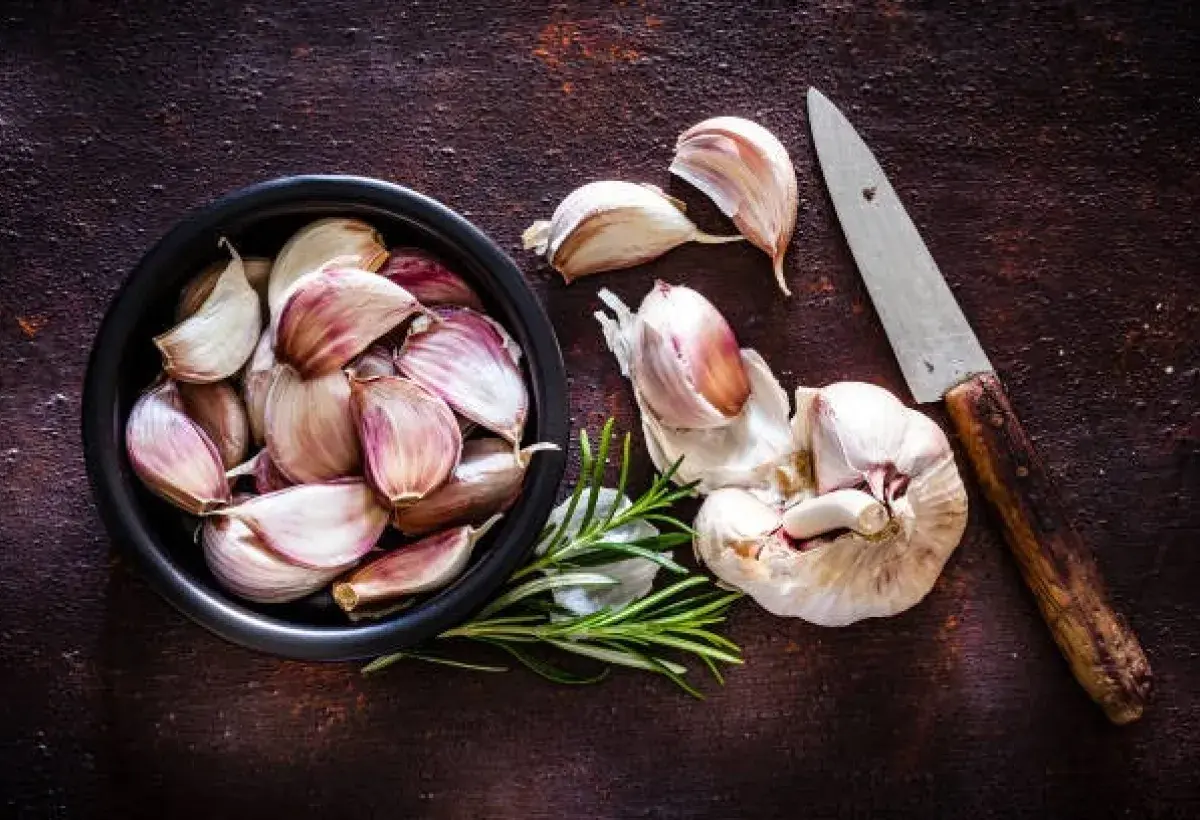
Garlic has long been valued for its medicinal properties, and modern nutrition science continues to confirm its benefits for liver health. One of garlic’s key strengths lies in its sulfur containing compounds, particularly allicin. These compounds help activate enzymes in the liver that are responsible for flushing out toxins from the bloodstream. When these enzymes work efficiently, the liver can process harmful substances more effectively and reduce overall toxic burden.
Garlic is also a natural source of selenium, a trace mineral that plays an important role in antioxidant defense. Selenium supports the activity of glutathione, one of the liver’s most powerful protective antioxidants. Adequate glutathione levels help shield liver cells from oxidative stress and may support regeneration when the liver has been under strain.
In addition to detox support, garlic may help reduce fat accumulation in the liver. Research suggests that garlic compounds can influence lipid metabolism, which is especially beneficial for people concerned about fatty liver conditions. Its natural anti inflammatory effects also help calm liver tissue and support long term resilience.
Adding garlic to your diet is simple and versatile. Fresh garlic can be sautéed with vegetables, blended into sauces, or roasted for a milder flavor. Crushing or chopping garlic and letting it rest briefly before cooking helps activate allicin, enhancing its benefits. Regular, moderate intake is key, making garlic an easy and flavorful ally for everyday liver care.
2. Leafy Greens
Image
![Leafy green vegetables that support liver detox]](/sites/default/files/styles/large/public/2025-12/255-entry-1-1752577316.jpg.webp?itok=JdQlp5t6)
Leafy greens such as spinach, kale, and arugula are nutritional powerhouses that provide exceptional support for liver function. These vegetables are rich in chlorophyll, a natural compound that helps bind and neutralize toxins in the bloodstream. By capturing heavy metals and chemical residues, chlorophyll reduces the workload placed on the liver and supports more efficient detoxification.
These greens also supply a wide range of vitamins and minerals that the liver relies on for daily operations. Folate supports cell repair, while magnesium helps regulate enzyme activity involved in detox pathways. Leafy greens are also high in fiber, which supports healthy digestion and encourages the elimination of waste products before they can be reabsorbed into circulation.
Another important benefit of leafy greens is their role in supporting bile production. Bile is essential for breaking down fats and removing waste from the liver. When bile flows efficiently, the liver can process fats more smoothly and avoid buildup that can interfere with function. This makes leafy greens particularly valuable for people aiming to maintain healthy cholesterol and fat metabolism.
Incorporating leafy greens into meals does not have to be complicated. They can be enjoyed raw in salads, blended into smoothies, lightly sautéed, or added to soups and grain bowls. Mixing different types of greens provides a broader range of nutrients and keeps meals interesting while giving your liver consistent, gentle support.
3. Turmeric
Image
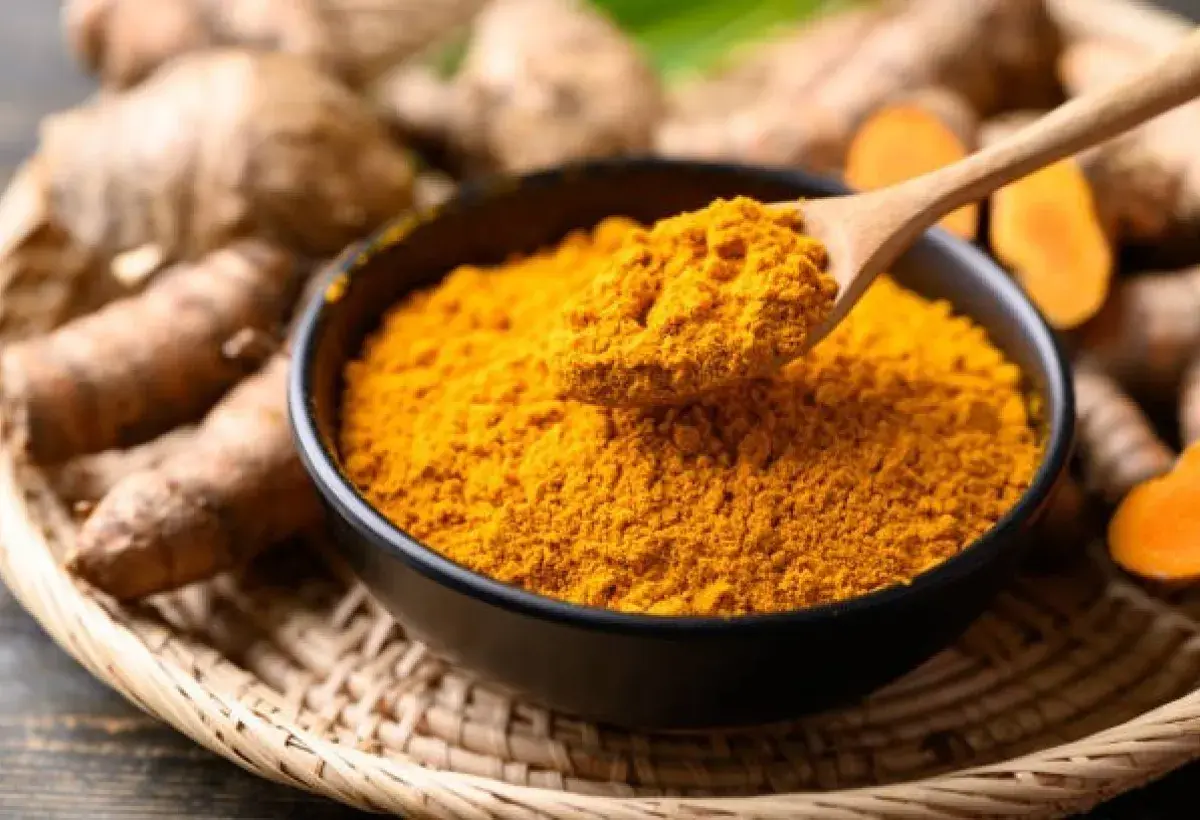
Turmeric is a vibrant golden spice celebrated for its powerful effects on inflammation and cellular health. Its primary active compound, curcumin, has been widely studied for its ability to support liver function. Curcumin helps reduce inflammation within liver tissue, which is essential for maintaining healthy structure and long term performance.
One of turmeric’s most valuable roles is its influence on antioxidant activity. Curcumin encourages the production of protective enzymes that neutralize free radicals before they can damage liver cells. This antioxidant support helps the liver cope with environmental toxins and metabolic byproducts that arise during everyday life.
Turmeric may also support bile production and flow, which is crucial for digestion and detoxification. Improved bile movement allows the liver to process fats more efficiently and eliminate waste products through the digestive tract. This can contribute to better digestive comfort and overall metabolic balance.
To maximize turmeric’s benefits, it is often paired with black pepper, which enhances curcumin absorption. Turmeric can be added to soups, stews, rice dishes, and vegetable sautés. It also works well in warm beverages such as golden milk made with plant based or dairy milk. With regular use, turmeric offers gentle yet effective support for liver health.
4. Green Tea
Image
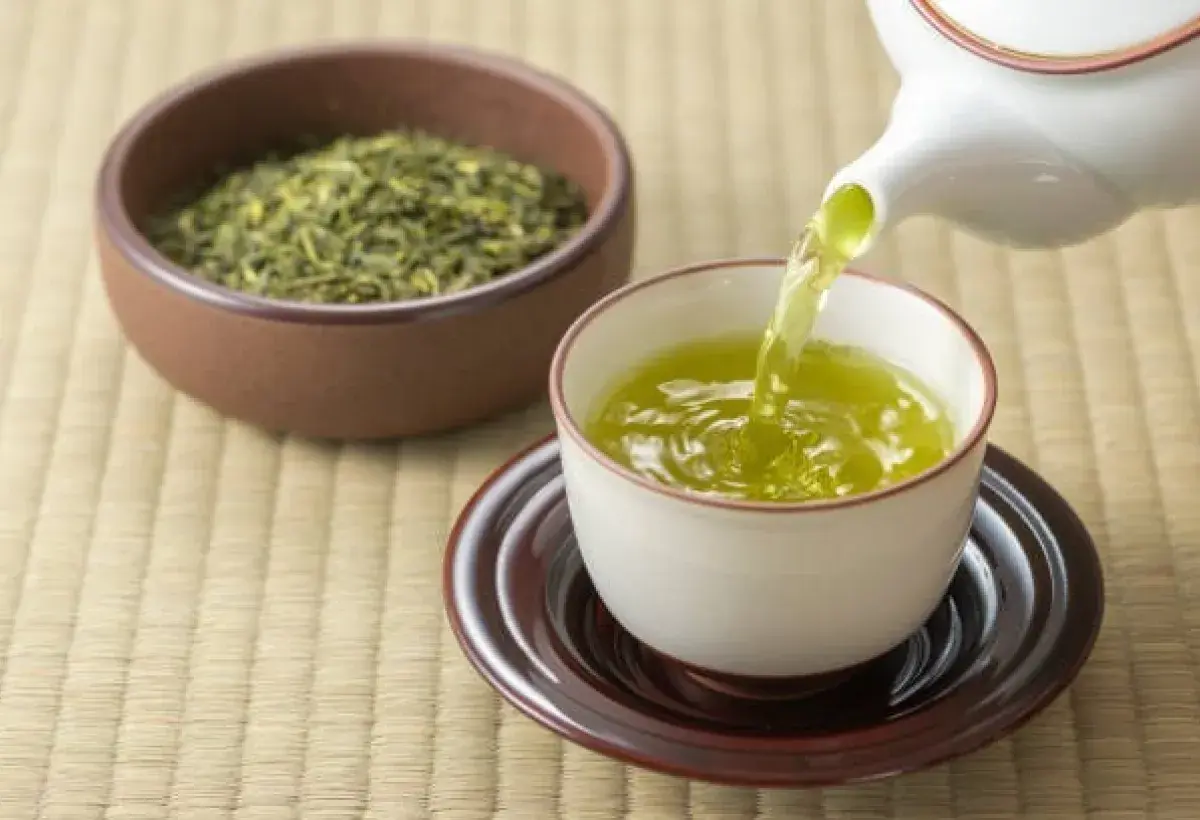
Green tea is well known for its antioxidant content, particularly catechins, which play a significant role in protecting liver cells. These compounds help reduce oxidative stress by neutralizing free radicals that can damage tissue over time. For the liver, this protection is essential, as it is constantly exposed to potentially harmful substances during detox processes.
Studies suggest that green tea may help reduce fat accumulation in the liver and support healthy enzyme levels. This makes it especially beneficial for individuals focused on maintaining metabolic balance. The gentle caffeine content in green tea also supports alertness without placing excessive strain on the liver when consumed in moderation.
Green tea’s anti inflammatory properties further contribute to liver protection. By calming inflammatory responses, it helps preserve healthy liver structure and function. Regular consumption has been associated with improved markers of liver health in various populations.
Enjoying green tea is easy and calming. It can be sipped hot or cold, plain or with a hint of lemon. Brewing it at a slightly lower temperature helps preserve its delicate antioxidants and prevents bitterness. Making green tea a daily habit is a simple way to provide consistent support to your liver.
5. Avocados
Image
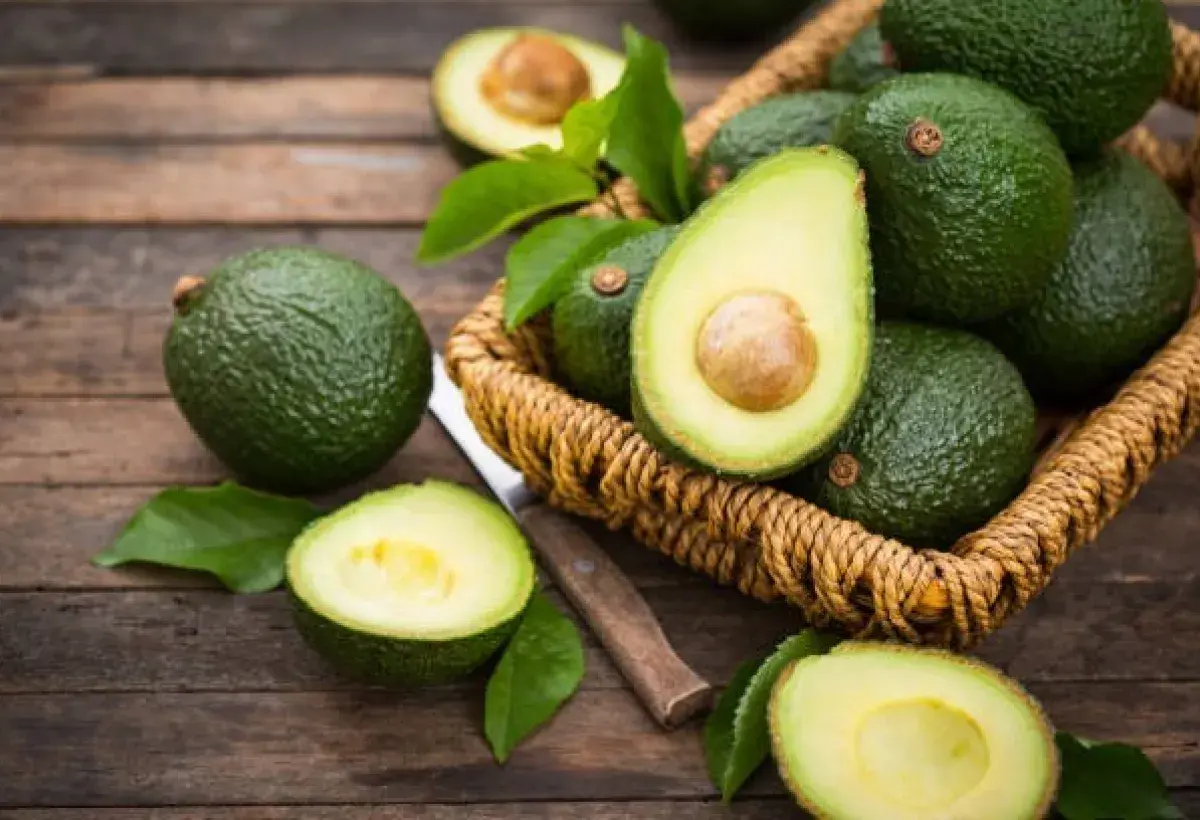
Avocados are rich, creamy fruits that deliver powerful benefits for liver health. One of their most important contributions is their role in boosting glutathione production. Glutathione is a key antioxidant used by the liver to neutralize toxins and protect cells from oxidative damage.
In addition to antioxidant support, avocados provide healthy monounsaturated fats that help regulate cholesterol and reduce excess fat storage in the liver. These fats support cell membrane integrity and promote balanced lipid metabolism, which is essential for long term liver function.
Avocados also contain fiber, potassium, and a variety of vitamins that support overall metabolic health. Fiber aids digestion and waste elimination, while potassium helps maintain fluid balance and cellular function. Together, these nutrients create a supportive environment for the liver to perform efficiently.
Adding avocados to your diet can be as simple as slicing them onto salads, blending them into smoothies, or spreading them on whole grain toast. Their versatility and satisfying texture make them easy to enjoy regularly while giving your liver valuable nutritional support.
6. Walnuts
Image
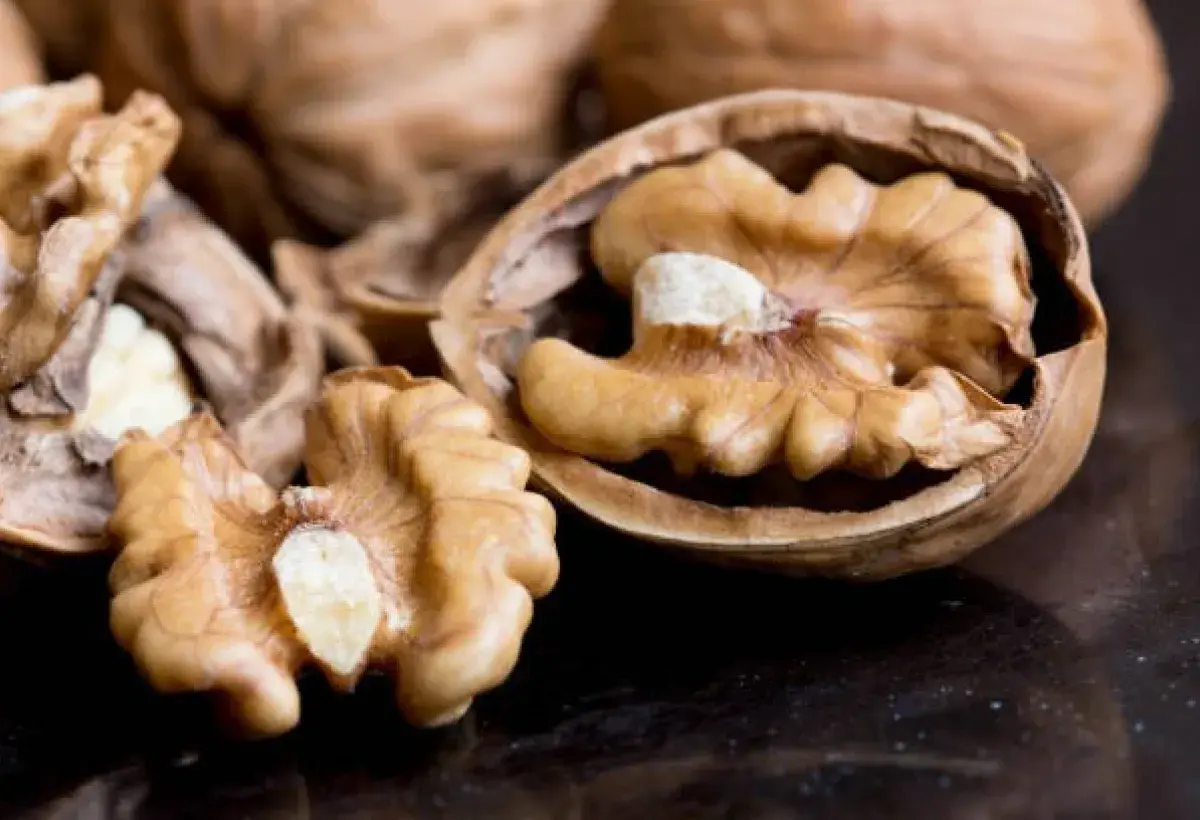
Walnuts offer a unique combination of nutrients that make them especially beneficial for liver health. They are rich in omega three fatty acids, which help reduce inflammation and support healthy fat metabolism within the liver. These fats play a role in maintaining balanced lipid levels and protecting liver tissue.
Walnuts are also a natural source of glutathione and the amino acid arginine. Arginine supports the liver’s ability to detoxify ammonia, a waste product that can build up during protein metabolism. Efficient ammonia removal is essential for preventing stress on the liver and maintaining overall metabolic balance.
The antioxidant compounds found in walnuts further protect liver cells from oxidative damage. These compounds work alongside healthy fats to support cellular repair and long term resilience. Including walnuts in your diet may also support cardiovascular and cognitive health, adding to their overall value.
Walnuts can be enjoyed as a snack, sprinkled over salads, mixed into oatmeal, or blended into sauces. A small handful is sufficient to deliver benefits, making them an easy addition to a balanced, liver supportive diet.
7. Grapefruit
Image
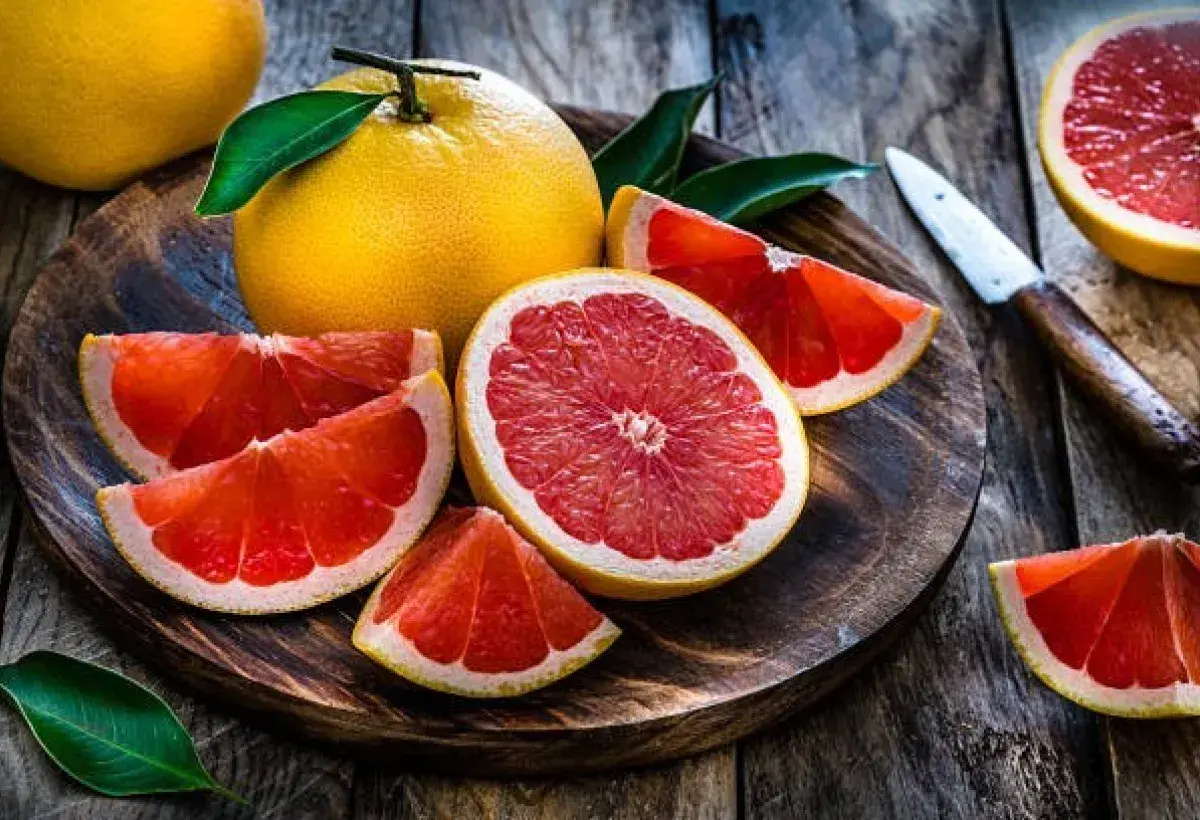
Grapefruit is a refreshing citrus fruit packed with compounds that support liver protection. Two of its most notable components are naringenin and naringin, antioxidants that help reduce inflammation and oxidative stress in liver tissue. These compounds support the liver’s natural defense systems and may help slow damage caused by toxins.
Grapefruit also supports healthy enzyme activity involved in detoxification. By enhancing these pathways, it helps the liver process and eliminate harmful substances more efficiently. Its high vitamin C content further strengthens antioxidant defenses and supports immune health.
In addition, grapefruit is hydrating and low in calories, making it a smart choice for those aiming to support metabolic health. Proper hydration is essential for detox processes, and water rich fruits like grapefruit contribute to overall fluid balance.
Grapefruit can be enjoyed fresh, added to salads, or blended into smoothies. It is important to note that grapefruit can interact with certain medications, so individuals taking prescription drugs should consult a healthcare provider before increasing intake.
8. Berries
Image
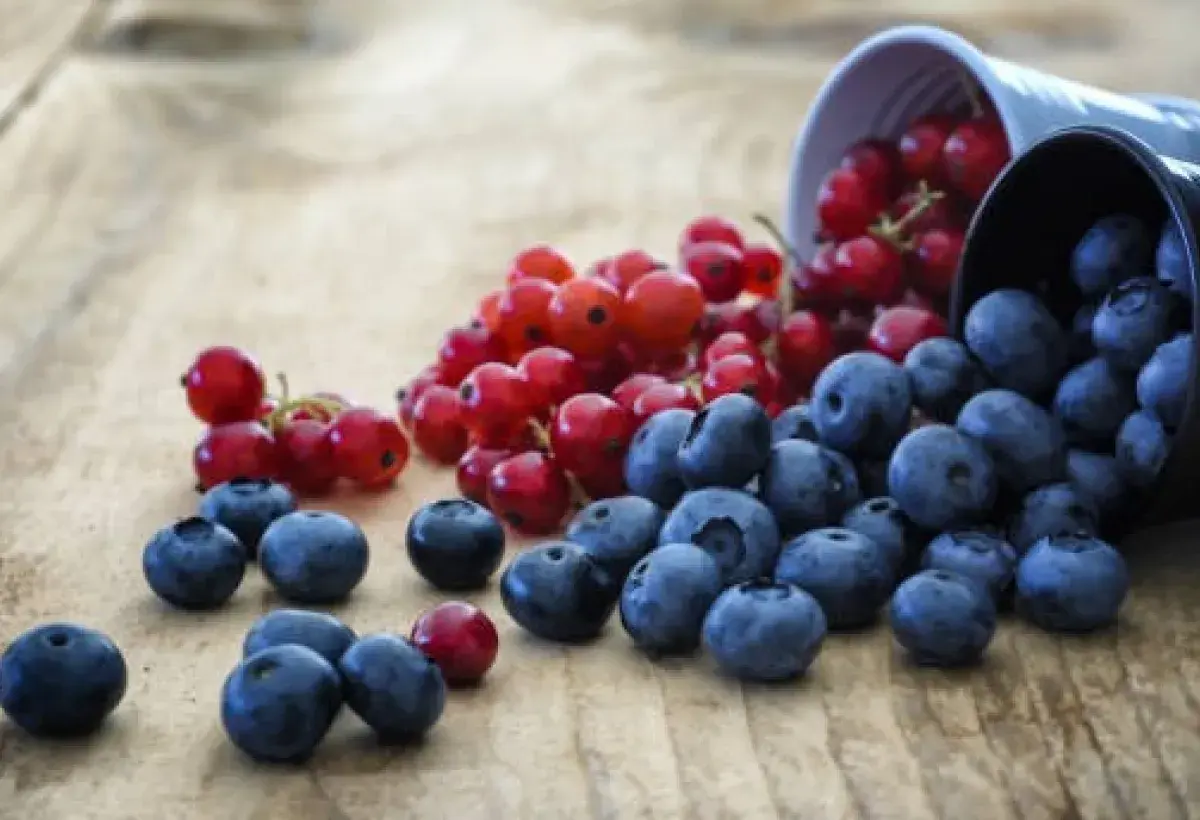
Berries such as blueberries and cranberries are rich in anthocyanins, powerful antioxidants that give them their deep color. These compounds help protect liver cells from oxidative stress and may slow the progression of liver scarring by supporting healthy cellular responses.
Berries also support immune function and reduce inflammation, both of which contribute to overall liver resilience. By calming inflammatory signals, they help preserve healthy tissue and support long term function. Their natural sweetness provides a satisfying alternative to processed desserts, reducing added sugar intake that can strain the liver.
Fiber is another key benefit of berries. Adequate fiber supports digestion and helps regulate blood sugar levels, reducing metabolic stress that can affect liver health. Stable blood sugar allows the liver to focus on detoxification and nutrient processing rather than constant glucose regulation.
Berries can be enjoyed fresh, frozen, or blended into smoothies and yogurt. Including a variety of berries ensures a broader range of protective compounds and adds color and flavor to daily meals.
9. Beets
Image
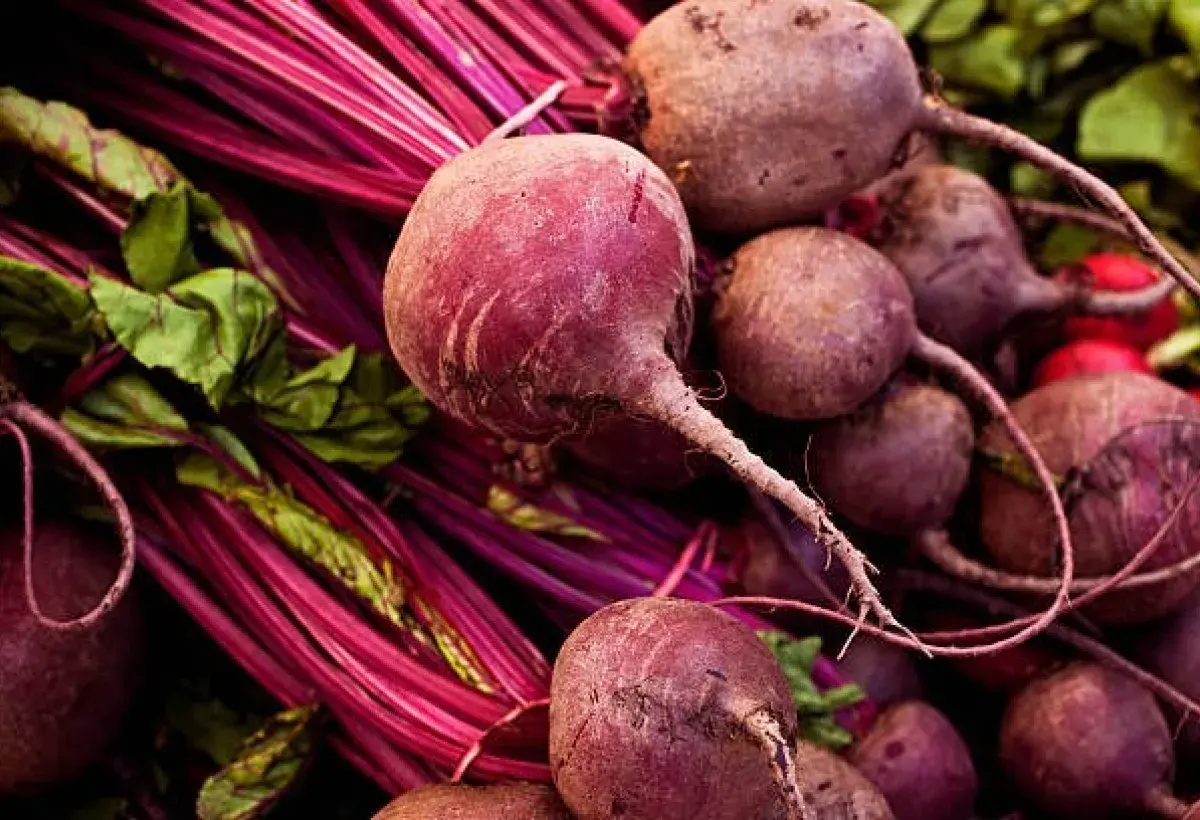
Beets are well known for their deep red color and impressive nutritional profile. They contain betalains, compounds that support detoxification and reduce oxidative stress in the liver. Betalains help activate enzymes that assist in breaking down and removing toxins from the body.
Beets are also rich in natural nitrates, which support healthy blood flow. Improved circulation helps deliver oxygen and nutrients to the liver while supporting efficient waste removal. This contributes to overall organ vitality and metabolic balance.
In addition, beets provide fiber and essential minerals that support digestion and cellular health. Their gentle sweetness makes them easy to incorporate into a variety of dishes without added sugars.
Beets can be roasted, juiced, grated into salads, or blended into smoothies. Regular consumption supports detox pathways and provides steady antioxidant support for the liver.
10. Olive Oil
Image

Olive oil is a cornerstone of many healthy eating patterns and offers significant benefits for liver health. High quality olive oil contains healthy fats that support balanced cholesterol levels and reduce excess fat accumulation in the liver. These fats help improve insulin sensitivity and metabolic efficiency.
Olive oil also provides antioxidants such as vitamin E and polyphenols, which protect liver cells from oxidative stress. These compounds support long term liver resilience and reduce inflammation that can interfere with normal function.
Studies suggest that moderate olive oil consumption may improve liver enzyme levels and support overall metabolic health. Its anti inflammatory properties further enhance its protective role, making it a valuable addition to daily meals.
Using olive oil as a primary cooking and dressing fat is an easy way to gain its benefits. Drizzling it over vegetables, using it in salad dressings, or adding it to cooked grains provides flavor and nourishment while supporting liver health.
Your liver is remarkably adaptable, but it depends on consistent support to perform its many vital roles. By choosing foods that nourish detox pathways, reduce inflammation, and protect liver cells, you create an environment where your liver can thrive. The ten foods highlighted here are not quick fixes or extreme solutions. They are practical, enjoyable ingredients that fit naturally into everyday meals.
What makes these foods especially powerful is their cumulative effect. When consumed regularly as part of a balanced diet, they work together to support antioxidant defenses, healthy fat metabolism, and efficient waste elimination. Over time, these small daily choices can have a meaningful impact on energy levels, digestion, and overall wellness.
Supporting your liver does not require restriction or complicated plans. It starts with mindful eating, variety, and consistency. By embracing these delicious, nutrient rich foods, you are investing in long term health and giving your body one of the greatest gifts it can receive.