


Sports have always operated as a shared global language that connects strangers, unites divided communities, and gives billions of people a sense of identity and belonging. In nearly every nation adults and children gather in front of televisions or stream on their phones or crowd inside arenas to witness the drama of competition. Sports are more than athletic contests. They function as cultural movements, emotional experiences, and international exports that generate careers, hero worship, political influence, emotional storylines, and lifelong memories. Every country has local games or recreational favorites, but a select group of sports have reached levels of recognition that extend far beyond borders or language barriers. These sports produce transcendent athletes who become larger than life figures admired by millions. They create annual and seasonal events that pause commerce and culture because so many fans tune in. They also inspire economic networks including apparel, betting, youth development, tourism, and international broadcasting.
The reason global sports succeed is not limited to talent. A successful sport allows fans to feel a part of something bigger. Supporters scream inside stadiums and feel tension in the final seconds of a major match. They mourn a loss as if it touched their family. They celebrate championships with tears and chanting. These moments remind people that discipline, teamwork, and the pursuit of perfection remain inspirational human values. The global sports listed here represent a massive combined audience that stretches into billions. They thrive on history, accessibility, competitive drama, and ritual. Many of these sports allow a child in a village, a working professional in a metropolis, or a retiree in a coastal town to watch the same athletic confrontation unfold in real time. These sports help sustain international conversation.
1. Soccer Football
Image

Soccer often called football outside the United States is widely recognized as the most popular sport on Earth because nearly every populated region has embraced it. The simplicity of the sport makes it universal. All a player needs is an open space and a ball and the game begins. The sport is easy to understand yet endlessly complex in terms of tactics, formations, and psychological pressure. International institutions like FIFA, continental tournaments, and domestic leagues build an enormous ecosystem. The English Premier League, La Liga, Serie A, Bundesliga, and Ligue 1 draw loyal fans who watch through passionate club identities. Fans pass down these emotional commitments through generations the same way families hand down cultural traditions.
The World Cup is the single largest sporting event on Earth. Nations pause normal activities to watch. A single player can influence a country’s confidence or morale. Legends like Pelé, Diego Maradona, Lionel Messi, and Cristiano Ronaldo represent decades of brilliance. Their jerseys sell globally. Children in different regions copy their celebrations or hairstyles. A victory in a major tournament can shift national pride. Countries like Brazil, Argentina, Italy, France, Germany, and many African nations treat the sport as national heritage. Meanwhile Asia and North America continue expanding professional leagues and developing youth academies.
The economic power of soccer is extraordinary. It supports intense club rivalries. It sustains tourism because fans travel for Champions League matches. Broadcast rights for major tournaments cost billions. Youth are constantly inspired to play at school or in amateur leagues. The sport promotes emotional longevity because even loyal fans of struggling teams maintain hope. Soccer symbolizes an international passport. Watching the sport makes a person feel included in a worldwide conversation. For many, the sport stands as a religion without sermons. It invites participation, emotional vulnerability, celebration, and heartbreak. No other sport matches its fan scale or cultural penetration.
2. Cricket
Image

Cricket commands massive devotion particularly across South Asia where population size and cultural passion heighten its global numbers. India, Pakistan, Bangladesh, Sri Lanka, and Afghanistan treat cricket like a central national pastime. Stadiums fill with noise, song, and rhythmic drumming. Children practice on dusty fields. Fans memorize field placements, bowling variations, and run strategies. In countries like Australia, England, South Africa, and New Zealand cricket carries historical legacy through long format test matches. These games stretch across several days and reward patience, mental stamina, and statistical planning.
The modern expansion of short form cricket including the Twenty Twenty format changed everything. These short contests increased entertainment value, boosted television ratings, and introduced high scoring drama that feels friendly to newer spectators. The Indian Premier League became one of the richest sports leagues in existence. The IPL turns cricketers into global celebrities. Franchise owners include actors and billionaires. Auctions resemble economic drama. Fans buy merchandise, attend team festivals, and support players across countries.
Cricket also functions as a geopolitical and emotional space. A match between India and Pakistan affects diplomatic sentiment, emotional anxiety, and national identity. When teams like England confront long standing rivals like Australia in the Ashes, the historical memory of colonization and sporting dominance feeds competitive tension. Cricket does not purely exist as entertainment. It provides catharsis. It offers narrative arcs about legacy, redemption, and rivalry.
The sport thrives on commentary and analysis. Fans dissect spin variation, reverse swing, power hitting, wicket strategies, and captaincy decision making. Legendary names like Sachin Tendulkar, Brian Lara, Muttiah Muralitharan, Ricky Ponting, Shane Warne, Virat Kohli, and Mahendra Dhoni stay imprinted on global sports history. These individuals represent elegance and competitive ferocity.
Youth development is relentless. Cricket academies train children who dream of international selection. Stadiums host major world tournaments that draw massive broadcast audiences. Cricket grows every year across the Caribbean, North America, and the Middle East. It remains a sport fueled by statistics, superstition, loyalty, and national hysteria. Its global influence ranks second only to soccer because the emotional temperature is unmatched.
3. Basketball
Image

Basketball was invented in the United States but quickly transformed into a sport embraced by global audiences. The sport requires minimal equipment and thrives in urban spaces, school courts, playgrounds, and competitive gyms. Its rules are simple enough for quick adoption yet the range of skill expression is vast. Dribbling styles, vertical leaping, shot creativity, defensive strategy, and transition speed create endless forms of athletic expression. The National Basketball Association represents the highest tier of the sport and broadcasts to countries across multiple continents.
Basketball developed a personality linked to culture. Hip hop, street fashion, sneakers, and creative self identity influence the sport. Players build narratives around personal struggle, community origins, and superstar ascension. Michael Jordan’s era demonstrated the marketing potential of a basketball icon. LeBron James, Stephen Curry, and international talents like Giannis Antetokounmpo and Luka Dončić carry the sport forward. Their presence inspires millions. Shoe companies build billion dollar deals around star athletes. Fans connect through apparel, social media, and global fan clubs.
Unlike cricket and soccer which promote national allegiance, basketball encourages individual player attachment. A fan in the Philippines or China might support specific athletes rather than specific teams. That personal fandom increases the sport’s reach. Basketball also circulates through the Olympics and FIBA events. Youth programs operate everywhere. Nations like Spain, France, Serbia, Lithuania, and Argentina produce elite international competitors. China invests heavily in basketball development and the Philippines treats basketball as a cultural heartbeat.
The appeal of basketball lies in speed and immediacy. Scores change quickly. A deficit can be erased within minutes. A final possession can alter a series. Drama lives in real time. Fans never feel bored. The combination of athletic agility and creativity provides a type of spectacle that appeals to younger digital audiences. The sport is deeply social media friendly because highlights compress into short clips. With rising investments in African academies and European leagues, basketball will continue expanding global reach. It offers showmanship, emotional swagger, and global accessibility.
4. Tennis
Image
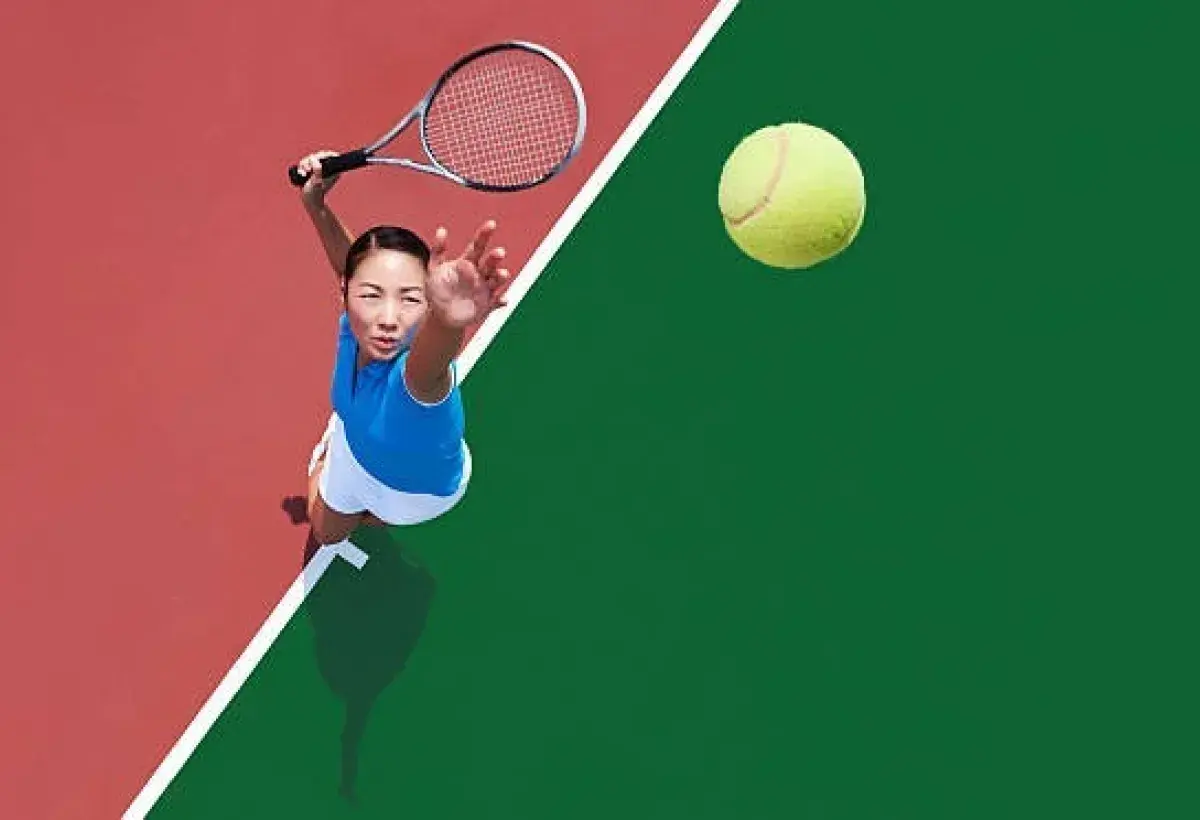
Tennis stands apart from many global sports because it relies heavily on individual performance rather than team support. A single player must manage stamina, psychology, footwork, and strategic shot selection. The sport maintains a reputation for elegance and competitive honor. Its Grand Slam events including Wimbledon, the French Open, the US Open, and the Australian Open capture enormous broadcast attention. These events are cultural showcases that mix celebrity attendance, royal observance, national pride, and fashion.
Unlike sports linked to regional identity, tennis thrives through individual rivalries. Roger Federer versus Rafael Nadal, Novak Djokovic versus Federer, Serena Williams dominating through multiple eras, and continuing debates about greatest of all time discussions sustain emotional passion. A superstar driven sport has the advantage of generating icons who transcend national borders.
Fans appreciate tennis because every point matters. The scoring system produces tension. A match can swing based on a handful of rallies. Fifth set battles in men’s Grand Slam finals produce unforgettable drama. Women’s tennis carries global influence because athletes like Serena Williams, Naomi Osaka, and Iga Świątek maintain international followings and cross industry brand partnerships.
Tennis also promotes a lifestyle around fitness, etiquette, and travel culture. Fans attend tournaments as tourism. Host cities generate economic benefit through hotels, fine dining, and shopping. The sport encourages youth participation through private coaching, school programs, and club membership. Tennis is widely perceived as inclusive because amateur players of any age can participate.
The international distribution of tournaments ensures year round attention. European red clay, American hard courts, English grass, and Australian summer heat provide narrative variation. Each surface favors distinct player traits. Tennis also encourages longevity. Fans often follow their favorite players for decades. The sport rewards discipline, mental psychology, hydration management, and crowd composure.
Tennis appeals to spectators who enjoy a thoughtful sport that combines endurance and technique. It also attracts viewers who appreciate elegant presentation. Historically the sport projected exclusivity, but current outreach programs continue expanding accessibility. Tennis maintains global fan loyalty because it offers emotional purity, individual storytelling, and global tradition.
5. Volleyball
Image

Volleyball carries enormous popularity both as a professional sport and as a recreational activity. Unlike sports tied entirely to elite leagues, volleyball thrives on public participation. School programs, beach gatherings, and work outings all include volleyball because the rules are simple and the playing environment is flexible. Indoor volleyball energizes major tournaments through high intensity rallies, blocking battles, and coordinated teamwork. Outdoor beach volleyball offers a contrasting environment where athletes compete against environmental elements like wind and sand.
Countries like Brazil, Russia, Poland, Italy, China, and Japan demonstrate intense volleyball culture. Brazil treats volleyball as a national strength in both indoor and beach formats. China maintains rigorous training regimens for youth development. Poland fills arenas for club competitions. Italy combines stylish club leagues with powerhouse national teams. Japan elevates organization and precision. The volleyball world thrives on club and national formats. International tournaments like the Volleyball Nations League bring continuous competitive rotation.
Volleyball’s popularity stems from equality in representation. Women’s volleyball commands enormous fan devotion and media coverage. Female stars gain celebrity attention across East Asia and South America. Men’s volleyball showcases high vertical athleticism and powerful serves that approach extreme speed. Fans follow athletes for their combination of teamwork, humility, and emotional rallying.
The sport is drama driven. A two point difference in the fifth set can determine victory. Momentum can shift instantly because communication and chemistry matter. Coaches serve as strategic architects. Substitutions, service targeting, and defensive assignments create tactical subplots. In beach volleyball, pairs must communicate perfectly because no substitutes are allowed.
Spectators enjoy the combination of aesthetic movement and competitive suspense. Leaping blocks, diving saves, and high pressure serves create constant highlight moments. The sport’s accessibility at amateur levels keeps the global fan pipeline strong. Anyone who plays at school may eventually watch professional matches. The Olympics magnify exposure. Volleyball continues to expand across North America and the Middle East with professional leagues emerging. With continued investment in athlete performance science, volleyball remains a sport that balances inclusivity with world class athleticism.
6. Ice Hockey
Image

Ice hockey thrives particularly in colder regions because natural climate encourages skating culture. Countries like Canada, Russia, Finland, Sweden, the Czech Republic, and the United States treat ice hockey as a sacred competitive space. The National Hockey League represents the most visible venue for elite players. The speed of the sport separates it from many traditional field based competitions. Skaters glide at high velocity and perform rapid directional changes. Sticks, pucks, and protective gear add to the sport’s intense physicality.
Fans admire hockey because it demands toughness and grace simultaneously. Players operate inside a confined rink where decisions are made within seconds. The boards add collision elements. Fights occur and serve as emotional release and audience spectacle. Goalkeepers wear specialized equipment and react to shots traveling at extreme speeds. The playoff culture of the NHL creates monumental pressure. The Stanley Cup remains one of the hardest trophies to win because the postseason is extremely long and physically exhausting.
International competitions like the Winter Olympics and the Ice Hockey World Championships fuel rivalry narratives. When Canada faces Russia memories of Cold War competition resurface. Sweden’s technical precision influences younger leagues. Finland prides itself on gritty defensive setups. Eastern European nations produce talent through rigorous local club systems.
Hockey’s appeal grows through youth programs that teach skating at early ages. Communities build rinks as cultural hubs. Parents invest heavily in equipment. This investment fosters lifelong loyalty. Fans love hockey because every second offers potential scoring. Goals require precision. A small mistake can change the match instantly.
Hockey also expands through marketing. Stars like Wayne Gretzky created generational inspiration. More recent icons including Alex Ovechkin, Sidney Crosby, Connor McDavid, and rising European stars help broaden the sport’s profile. Although temperature limits natural expansion, artificial rinks emerge globally. China invested heavily in winter sports ahead of the Beijing Winter Olympics.
Ice hockey continues to increase nontraditional market exposure. Youth leagues expand in California, Texas, and across parts of Europe that historically focused on soccer. The sport promotes teamwork, emotional adrenaline, and endurance. Fans appreciate the raw intensity combined with strategic playmaking.
7. American Football
Image

American football is primarily concentrated in the United States but its scale inside that market creates a massive global footprint. The National Football League dominates American broadcasting with weekly schedules that resemble national rituals. The Super Bowl functions like a cultural holiday that includes halftime concerts, major advertising expenditures, and peak viewership. The entire sport thrives on strategic design. Coaches create complex playbooks that involve audibles, formations, and tactical mismatches. Fans treat understanding these structures as intellectual participation.
American football rewards physical strength, agility, reading ability, and collective teamwork. Quarterbacks receive disproportionate attention because they orchestrate offensive drives. Wide receivers create dramatic moments through acrobatic catches. Running backs showcase acceleration and vision. Defensive ends crash through blockers with violent force. The uniforms and equipment create a visual identity that differs significantly from global sports that emphasize continuous motion.
College football also feeds massive loyalty. Universities pack stadiums with one hundred thousand spectators. Alumni sustain identity through football. The sport fuels billion dollar conferences and broadcast agreements. This college atmosphere creates storylines of emerging talent. Fans witness young players ascend to the NFL through draft spectacles.
The NFL pursues international expansion through regular season games in London, Germany, and soon other European cities. Youth development programs exist in Mexico and Brazil. There is interest in expansion across Africa and the Philippines where basketball currently leads. The challenge remains accessibility because American football requires expensive gear and significant coaching.
Violence and injury debates surround the sport. Concussions and long term trauma influence public opinion. Yet despite health concerns, audience numbers remain colossal. American football offers fans a shared mythology about underdogs, tactical genius, and heroic comebacks. It also aligns with advertising culture and merchandise loyalty.
As the NFL pushes global marketing, American football may continue improving international fan adoption. The league cultivates star quarterbacks, international broadcast packages, and off field storytelling. While geographically concentrated, the psychological investment from fans boosts its global ranking.
8. Baseball
Image

Baseball positions itself as a rhythm sport defined by anticipation and statistical nuance. The United States adopted baseball as a national pastime through generational identity. Families attend MLB games as seasonal tradition. Fathers and mothers teach children the rules. Popcorn, peanuts, and ballpark food symbolize comfort. But baseball is not limited to America. Japan’s Nippon Professional Baseball operates as a cultural phenomenon. Fans sing organized chants, wave coordinated flags, and treat players like anime inspired heroes. South Korea’s baseball culture merges sports with entertainment. Cheerleaders influence mood. Youth adoption is strong. Latin America also produces baseball passion particularly in the Dominican Republic, Venezuela, Puerto Rico, and Cuba.
The sport relies heavily on measurable achievement. Fans debate batting averages, earned run averages, home run counts, and pitcher velocity. The long schedule of professional seasons creates familiarity. Teams play daily which gives fans constant content. Legendary athletes like Babe Ruth, Hank Aaron, Ichiro Suzuki, Shohei Ohtani, and Derek Jeter remain symbols of excellence.
World Baseball Classic events attempt to simulate World Cup energy. National teams compete. Fans discover cross cultural talent. The effort is successful because it validates baseball as a global identity sport.
Baseball captivates because pressure builds slowly. A game can remain quiet for several innings until a dramatic home run shifts the narrative. Pitchers control tempo. Batters study patterns. Strategy determines lineup decisions. The sport encourages nostalgia. Stadiums maintain history plaques and retired numbers.
Growth challenges exist because younger audiences often prefer faster paced sports. However teams invest in rule adjustments and youth marketing. Broadcasting partners encourage highlight packaging. The sport expands into Europe and Oceania. Entertainment crossovers with film and celebrity ownership also contribute to visibility.
Baseball retains emotional generosity. It symbolizes childhood, patience, and community. Fans remain attached because they inherit team loyalty. A single walk off hit in the postseason can transform a city’s emotional landscape.
9. Table Tennis Ping Pong
Image

Table tennis also known as ping pong combines finesse with lightning fast reflexes. The sport flourishes in China where state supported training builds legions of world class athletes. China dominates medal counts at the Olympics and World Championships. The sport’s accessibility makes it popular in schools, youth centers, parks, and recreation halls. A match requires a table, a paddle, and a ball. That low barrier ensures global participation.
Spectators are amazed by the precision involved in spin shots, counter attacks, and drop placements. An elite player manipulates the ball with technical mastery. The margin for error is tiny. Reaction time separates champions from amateurs. The sport moves so rapidly that audiences often rely on slow motion replays.
Ping pong enjoys competitive visibility in South Korea, Japan, Germany, Sweden, and other European countries. Historically Sweden challenged Chinese dominance. Japan continues to produce rising prodigies. Germany invests in developmental coaching.
Because table tennis does not require physical size, the sport highlights inclusivity. Children, older adults, and recreational players find joy in the game regardless of strength. Yet elite competition demands conditioning, forearm endurance, quick footwork, and psychological patience. A player must recover emotionally from mistakes because matches can swing quickly.
The Olympics elevated table tennis to household recognition. It now represents national identity in East Asia. Fans celebrate personalities. Athletes receive corporate sponsorships. Schools in China identify gifted players early and support their athletic careers. Ping pong also provides an easy recreational bonding activity for office workers, college students, or families.
Expansion continues through youth outreach and international training exchanges. The sport appeals to spectators who enjoy precision and speed rather than physical size or heavy contact. It blends scientific spin dynamics with athletic discipline. As long as recreational participation remains global, table tennis will maintain strong fan reach.
10. Boxing
Image
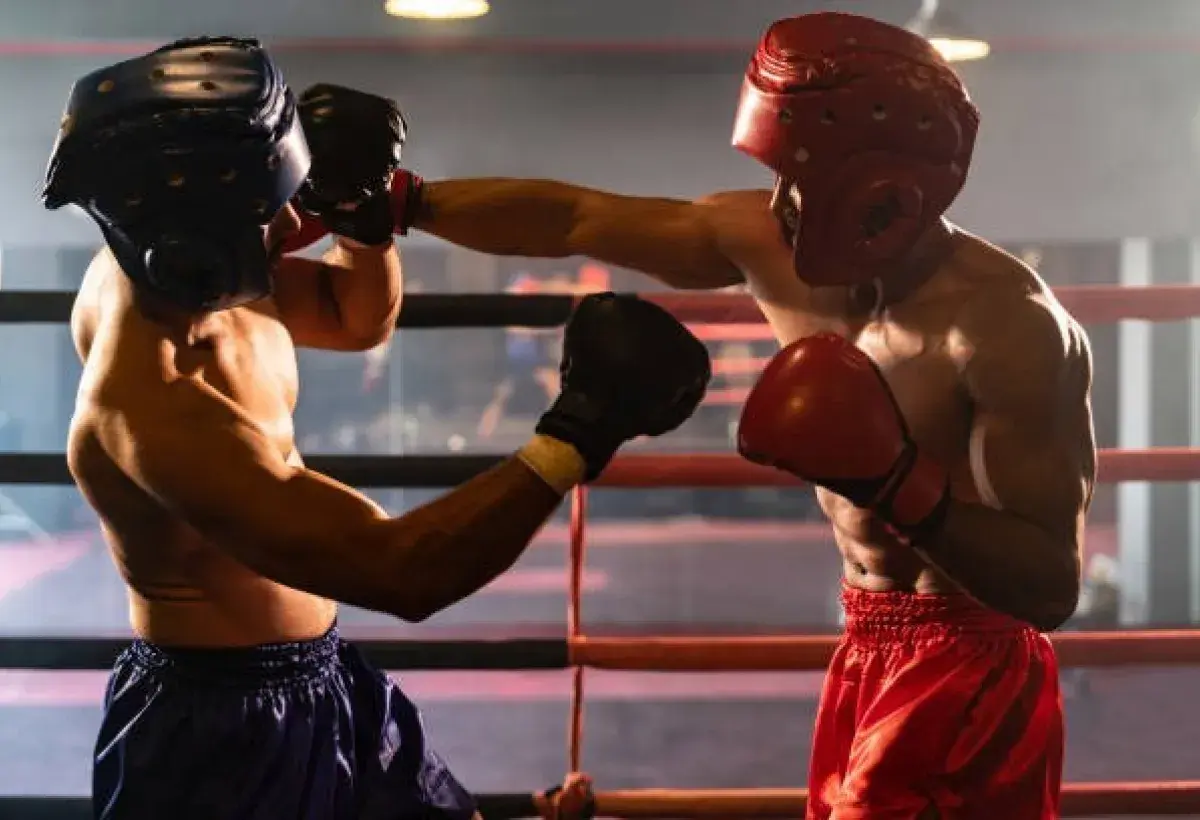
Boxing remains one of the oldest organized combat sports still relevant in modern entertainment. Boxing fascinates because it translates personal struggle into physical confrontation. A boxer trains alone, relies on mental toughness, and enters the ring accompanied only by a small coaching team. The sport generates cinematic tension. Audiences feel adrenaline during walkouts. Every exchange symbolizes risk. Knockouts provide dramatic endings. Judges shape controversial outcomes.
Historically boxing created cultural icons. Muhammad Ali transformed boxing into a vehicle for political expression. Mike Tyson became a figure of intimidation. Oscar De La Hoya generated Latino pride. Manny Pacquiao united the Philippines and created global enthusiasm. Floyd Mayweather exemplified defensive mastery and business strategy. Heavyweight eras produced mythology around power. Lower weight classes delivered speed and precision.
Modern boxing intersects with marketing. Streaming platforms sponsor pay per view cards. Influencer events introduce nontraditional spectators. Critics argue that entertainment sometimes overshadows technique. However boxing still produces tactical masterpieces through elite athletes. Fans dissect footwork, head movement, combinations, defensive counters, and coaching adjustments.
Boxing remains important in Latin America, the Philippines, the United States, the United Kingdom, and Mexico. Gyms serve as spaces for discipline and economic opportunity. Many fighters come from hardship and pursue boxing as a path out of poverty. The sport provides emotional redemption narratives.
New challenges arise as mixed martial arts gains popularity. Yet boxing remains distinct because of its historical heritage. The sweet science prioritizes technical purity of punching. Many fans appreciate the elegance of jab control and ring generalship. Promoters continue building global super fights. The sport leverages nostalgia while grooming new stars. Boxing will always attract fans who admire courage, drama, and human vulnerability.
Global sports continue evolving through digital accessibility, cross border commerce, and the streaming era. Fans can follow athletes through social media and global broadcast networks. Athletes can speak directly to audiences without relying entirely on traditional marketing. This new environment increases fan loyalty. It also introduces competition between sports for attention. Yet the fundamental truth remains. Humans crave collective emotional experiences and sports deliver these experiences with unmatched intensity.
The ten sports featured here combine vast population outreach with emotional depth. Some rely on national identity. Others promote individualized hero narratives. Some exist in tropical environments while others depend on frozen arenas. Some operate through team systems while others isolate personal excellence. All deliver drama and ritual. These sports provide numerous pathways for cultural connection. A fan in Nairobi can discuss Lionel Messi with a fan in Manila. A viewer in London can debate LeBron James with a viewer in Jakarta. A supporter in Mumbai can reminisce about Sachin Tendulkar with another in Melbourne.
The evolution of sports reflects economic globalization. Youth academies recruit across national boundaries. Sponsorships influence player branding. Fan culture drives merchandise revenue. Governments invest in national programs because sports symbolize political strength and unity. Streaming platforms normalize international viewership. Sports personalities shape identity among younger demographics who idolize athletic excellence as a benchmark for confidence.
Even in a world marked by rapid change and digital distraction, sports remain perennial sources of hope, entertainment, and catharsis. These ten sports anchor global conversation and sustain emotional investment. They ensure that competition remains a form of storytelling. Fans continue to dream through athletes who chase perfection. The stadium and arena will always represent one of humanity’s greatest emotional theaters.