

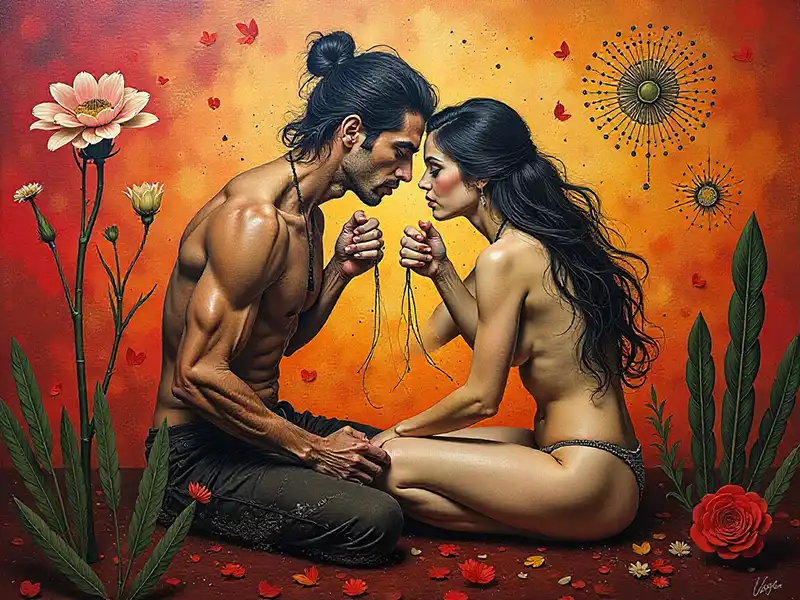
Sex has fascinated, inspired, and terrified humans for thousands of years. From the earliest civilizations to more recent societies, intimate relationships and sexual practices were often intertwined with religion, culture, and superstition. Ancient cultures developed complex myths about sex that reflected their understanding of the world, their values, and their fears. These myths were not simply stories meant to entertain; they were lessons, warnings, and attempts to explain the mysteries of human desire. They shaped social norms and influenced personal behaviors, offering insight into how people viewed morality, gender, and power.
In many cases, these myths were based on observation mixed with imagination. Fertility rituals, ceremonial practices, and symbolic art often conveyed ideas about sexuality that modern perspectives might find surprising or even shocking. At the same time, some beliefs persisted because of the lack of scientific understanding about reproduction, anatomy, and human psychology. People looked for patterns in nature, celestial cycles, and bodily functions, and these patterns often led to elaborate explanations for why certain behaviors were considered desirable, taboo, or magical.
As time passed, some of these myths were codified into law or social practice, while others remained part of folklore, influencing generations in subtle ways. The fascination with erotic stories, the use of symbolic objects, and the creation of elaborate rituals highlight how deeply sexuality was woven into the cultural fabric of ancient societies. Exploring these myths today offers not only entertainment but also a lens through which we can examine human creativity, curiosity, and the ongoing struggle to understand intimacy.
Each myth demonstrates a mix of imagination, misunderstanding, and cultural values that shaped human behavior in profound ways. By separating fact from fiction, we gain insight into how ancient people viewed love, desire, and morality and how those views continue to influence us today.
Myth: Greek Gods Were the Ideal of Love
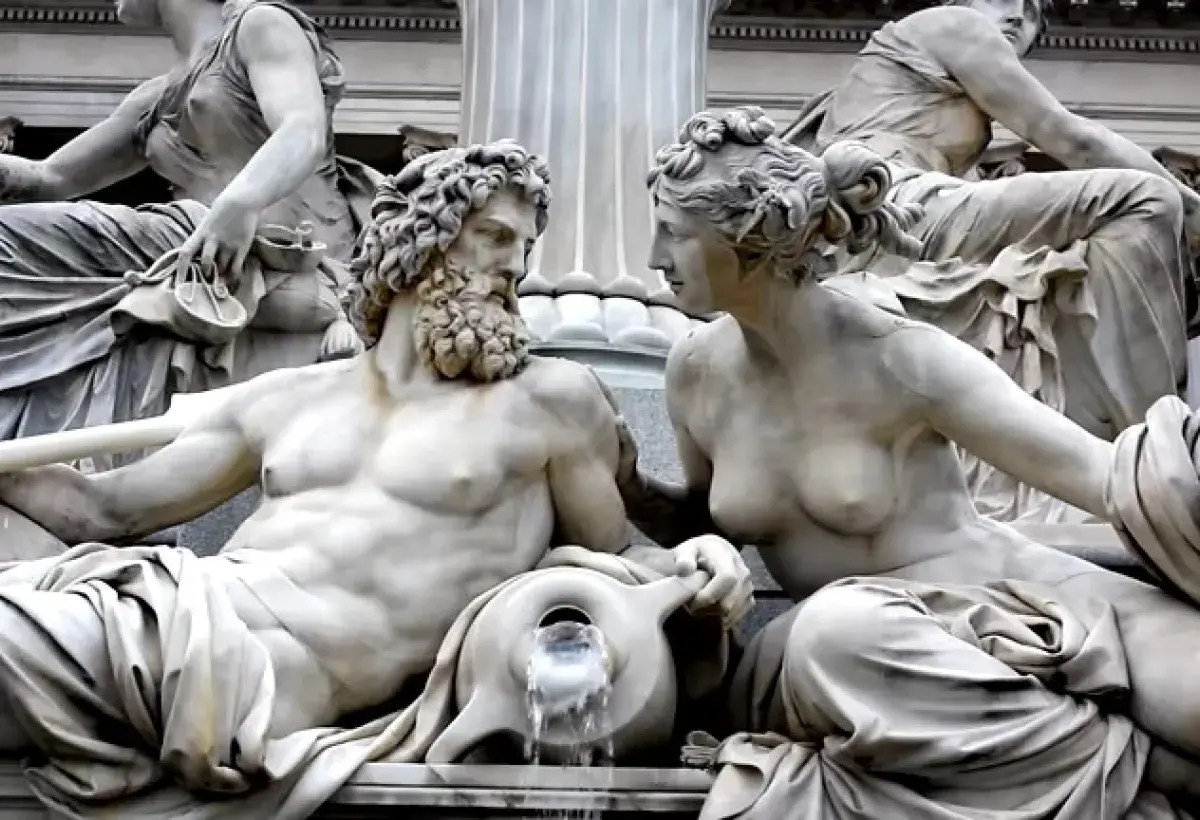
Ancient Greek mythology is often romanticized in popular culture as a celebration of idealized love and beauty. Stories of Zeus, Aphrodite, and other gods are frequently interpreted as models for human relationships. However, the reality is much more complex and morally ambiguous. Greek myths are filled with tales of gods acting in selfish, violent, and chaotic ways. They seduced mortals, abducted women, and engaged in morally questionable acts, which are often portrayed as cautionary tales rather than examples to emulate.
The Greeks used these stories to explore human emotions and behaviors, including jealousy, desire, and vengeance. Love and attraction were rarely simple or idealized. For example, Zeus frequently transformed into various creatures to pursue his desires, demonstrating that power and cunning often outweighed moral considerations in matters of intimacy. Aphrodite, the goddess of love and beauty, was both admired and feared because her influence could lead to passion as well as destruction. These narratives reveal that Greek culture viewed sex and love as forces capable of producing both joy and chaos, reflecting the complexity of human experience rather than a perfect model of romance.
Ancient Greek literature also emphasizes the importance of consent and social hierarchy in relationships. Many myths illustrate the consequences of violating societal norms or disregarding divine authority. In essence, Greek mythology shows that love and sexuality were intertwined with power, reputation, and morality. By understanding these stories in their historical context, it becomes clear that the gods served as mirrors for human desires and fears, not as idealized embodiments of perfect love.
Image
Myth: Full Moons Boost Fertility
Many ancient cultures associated the moon with female fertility and reproduction. The lunar cycle and menstrual cycle share a similar duration, which likely contributed to the belief that the full moon could enhance fertility. Cultures around the world held rituals during specific lunar phases to increase the chances of conception or to celebrate fertility. In some societies, midwives and healers timed certain practices based on the moon’s phases, believing that lunar energy could influence the human body.
However, modern scientific research does not support a direct link between moonlight or lunar phases and fertility. While the alignment of menstrual and lunar cycles may seem significant, it is largely coincidental and does not cause physiological changes that affect conception. Fertility is influenced by a range of factors including hormonal levels, age, health, and lifestyle, rather than celestial events.
Despite the lack of scientific evidence, the myth of lunar influence persisted for centuries and shaped cultural practices related to childbirth and sexual activity. The enduring appeal of this belief demonstrates the human tendency to find patterns in nature and to attribute supernatural significance to observable cycles. In ancient times, connecting human fertility to the cosmos reflected a desire to harmonize life with the rhythms of the natural world.
Image

Myth: Snake Symbolism Was Always Erotic
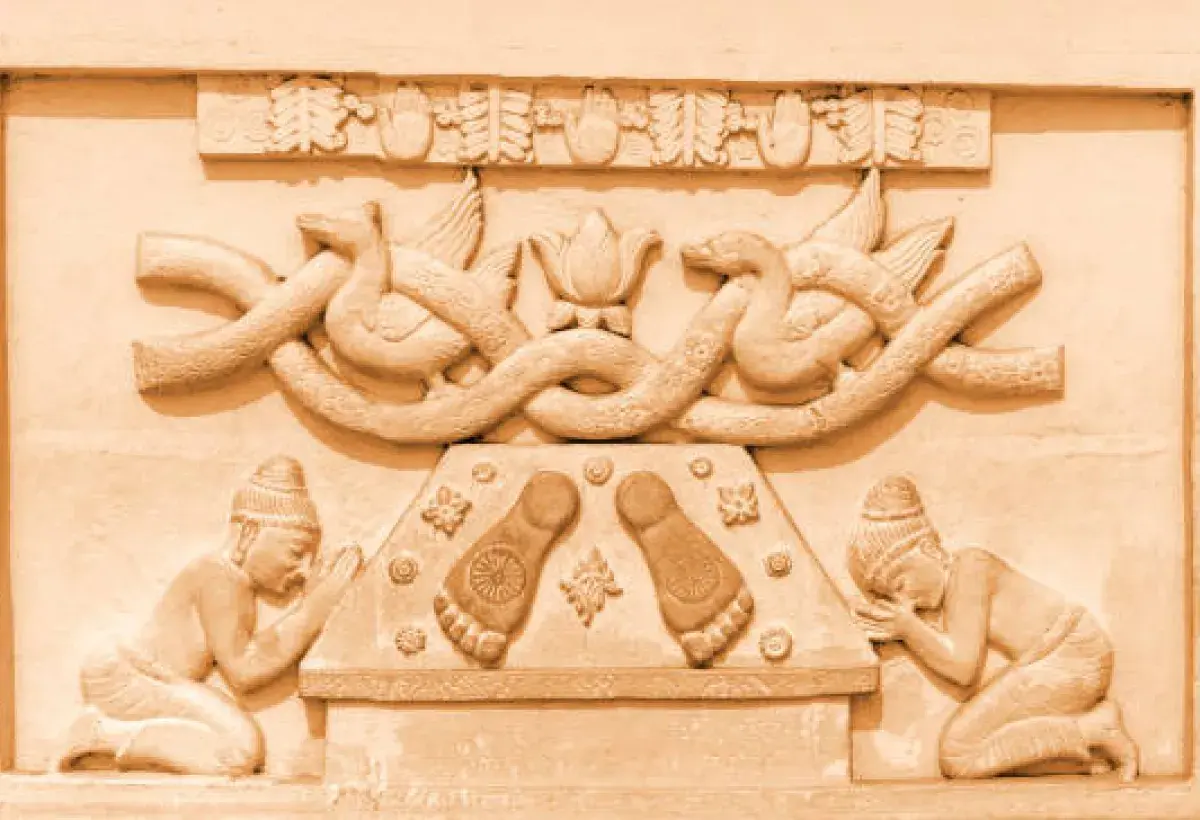
Snakes have held complex symbolism in many ancient cultures. Some myths linked them to eroticism and fertility, while others associated them with wisdom, danger, or evil. In some civilizations, serpents represented the life force or regenerative power due to their ability to shed skin. This symbolism could extend to reproductive energy, linking snakes to concepts of sexuality and creation.
In contrast, other cultures emphasized the dual nature of snakes, portraying them as protectors or as malevolent forces. For example, in Mesopotamia, snakes appeared in myths of healing and knowledge, while in European folklore, they were often considered symbols of temptation or danger. The erotic connotation was not universal but rather one interpretation among many.
The diversity of snake symbolism shows how cultural context influenced the meaning assigned to symbols. Erotic interpretation was sometimes present, but it was always intertwined with ideas of power, transformation, or morality. Ancient people used symbolic animals to communicate complex concepts about life, desire, and spirituality, which cannot be reduced to a single meaning. Understanding the multifaceted role of snakes in myth highlights the rich tapestry of symbolic thinking in ancient societies.
Image
Myth: Virginity Belts in the Middle Ages
Stories of virginity belts are often cited as evidence of medieval control over female sexuality, suggesting that women were restrained from sexual activity through metal devices. While these tales are widely known, historical research shows that most of the virginity belts displayed in museums are later inventions from the eighteenth and nineteenth centuries. There is little evidence to suggest widespread use in medieval times.
The myth likely emerged due to a combination of sensationalist storytelling and misinterpretation of historical artifacts. Some artifacts were created as curiosities for collectors rather than functional devices. Chroniclers and moralists may have exaggerated concerns about chastity, contributing to the belief that such devices were common.
In reality, social and religious norms governed female sexuality more effectively than any physical restraint. Marriage, dowries, family honor, and religious instruction played a significant role in shaping sexual behavior. The persistence of the virginity belt myth demonstrates how historical inaccuracies can solidify into popular imagination and influence modern perceptions of the past.
Image

Myth: Wine Always Meant Wild Orgies
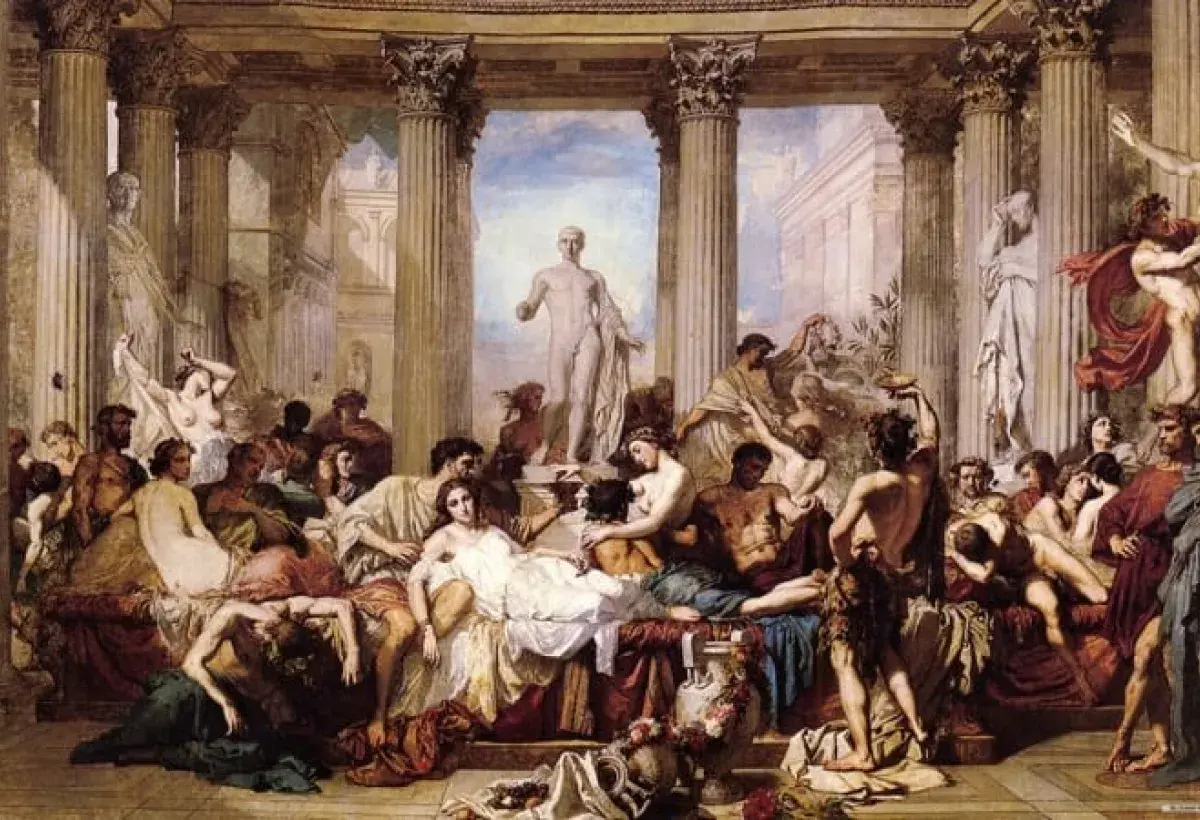
Ancient banquets and symposia are often portrayed as decadent affairs filled with wine and sexual excess. While alcohol and entertainment were central to social gatherings in ancient Greece and Rome, the idea that wine always led to wild orgies is exaggerated. Many gatherings were structured, with rituals, speeches, and philosophical discussion alongside drinking.
Wine did play a role in loosening social inhibitions, but most events had clear social rules and expectations. Excessive indulgence could be frowned upon, and status played a role in determining acceptable behavior. Religious ceremonies sometimes included wine, but these were meant for ritual significance rather than erotic indulgence.
The myth of constant debauchery likely emerged from a combination of selective storytelling and later moral judgments. Art and literature often highlighted extreme cases, which gave rise to stereotypes. Recognizing the broader context of wine consumption in ancient societies allows for a more accurate understanding of cultural practices and social norms.
Image
Myth: Ancient Romans Had No Sexual Taboos
The perception that ancient Romans were completely unrestricted in sexual behavior is misleading. Roman society had a complex set of rules regarding sexual conduct. Art and literature often display nudity and erotic themes, but social hierarchy and gender roles influenced what was acceptable. Certain behaviors were frowned upon or punished depending on status, citizenship, and public reputation.
For instance, citizens were expected to uphold family honor and adhere to laws regulating adultery and sexual exploitation. Slaves and women had different social freedoms and constraints, highlighting the unequal distribution of sexual agency. Public morality and private indulgence coexisted, with legal and social expectations shaping behavior as much as personal desire.
Understanding Roman sexual norms requires looking beyond art and literature to law, social practice, and daily life. The myth of complete permissiveness oversimplifies a nuanced and regulated society. Romans celebrated sexuality within defined boundaries, balancing desire with duty and reputation.
Image
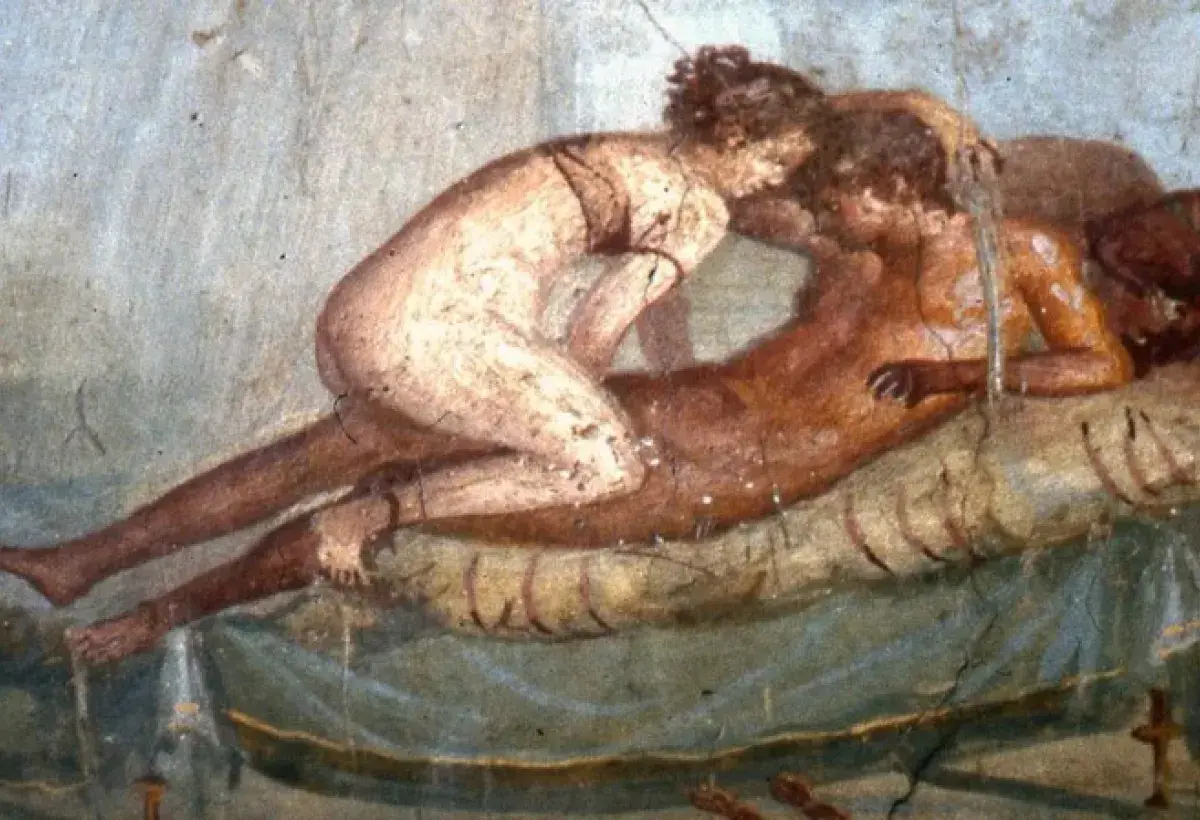
Myth: Herbal Love Potions Were Magic
Ancient texts often describe recipes for herbal love potions believed to spark desire and passion. Ingredients included plants like ginseng, saffron, and various roots thought to have aphrodisiac properties. Some herbs may have had mild physiological effects, but much of the perceived magic came from belief and ritual rather than chemistry.
Placebo effects played a large role, with people believing in the power of these potions often reporting heightened desire or emotional connection. Symbolic and ceremonial practices accompanied the use of potions, reinforcing their perceived effectiveness. Love potions were sometimes part of religious or cultural rituals, where their symbolic meaning mattered as much as any physiological effect.
The persistence of these myths illustrates the human desire to influence love and attraction through tangible means. While modern science does not support most claims of magical properties, the historical use of herbal potions shows the creativity and hope that guided ancient approaches to romance and sexual desire.
Image

Myth: Ancient Cultures Fully Understood Reproduction
Before the advent of modern biology, many societies had only limited understanding of human reproduction. Some myths suggested that women could conceive through magical or symbolic means, such as sleeping near sacred objects or drinking certain waters. Others believed that spirits or divine intervention controlled conception entirely.
Observations of pregnancy and birth were often interpreted through cultural and religious lenses, leading to incomplete or inaccurate explanations. Despite the lack of scientific knowledge, ancient cultures developed complex rituals and beliefs surrounding fertility and conception. These practices reflected an attempt to exert control over uncertainty and to protect and promote life in a world full of risks.
The belief that ancient people fully understood reproduction is a misconception. Their knowledge was practical in terms of childbirth and midwifery but lacked modern scientific insight. Understanding this gap helps contextualize myths and rituals that may seem strange or magical today.
Image
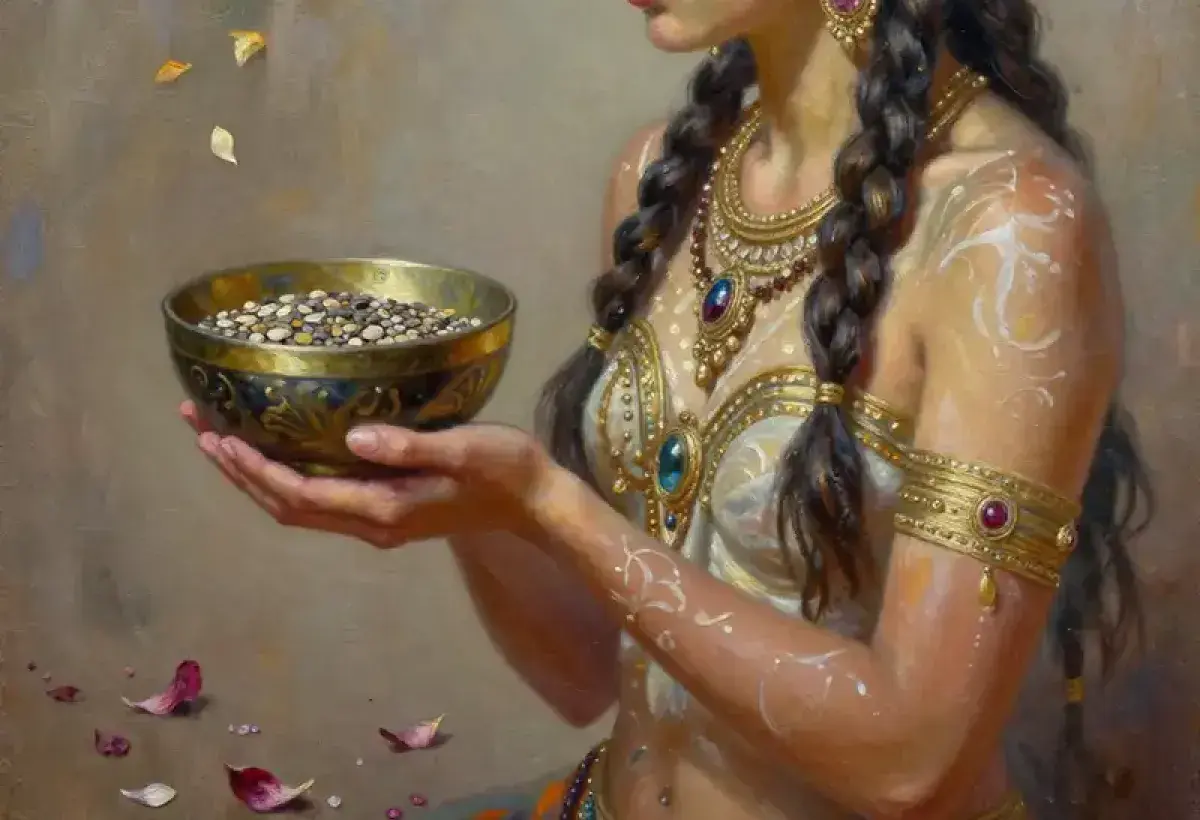
Myth: Sex Was Always Secret and Shameful
Sexuality was not universally hidden or considered shameful in ancient societies. In ancient Greece and parts of India, sexual education and erotic art were integrated into daily life. Temples and public spaces often displayed erotic imagery for educational, religious, or cultural purposes. Young people were sometimes instructed in sexual knowledge openly as part of social and religious preparation for adulthood.
Conversely, other societies, including medieval Europe, placed sexuality behind closed doors and associated it with guilt or sin. These differences highlight how cultural values shaped attitudes toward intimacy. The secrecy and shame surrounding sex were not universal but culturally specific, influenced by religion, law, and social norms.
Examining these variations reveals that sex can be perceived in many ways, from a natural and celebrated aspect of life to something to be controlled or hidden. Recognizing this complexity challenges modern assumptions about historical attitudes toward sexuality.
Image
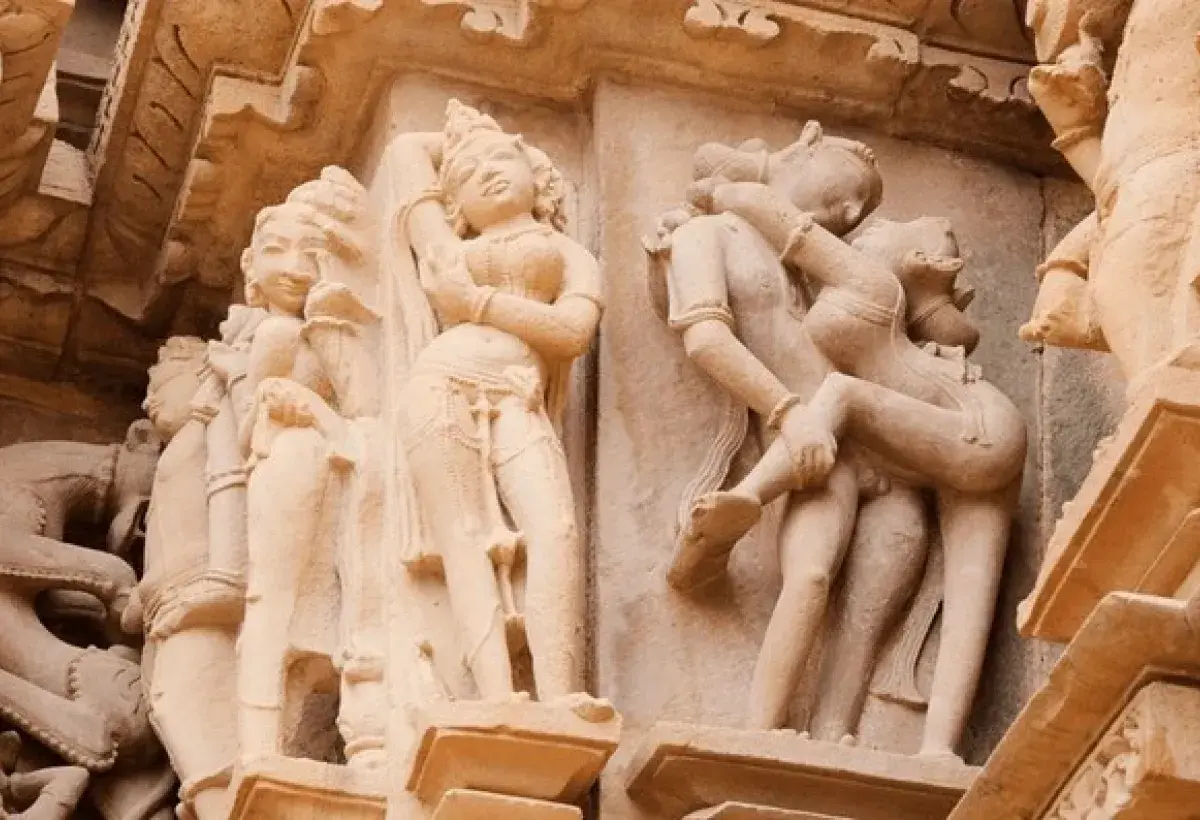
Myth: Erotic Art Meant Immorality
Ancient erotic art was not always intended to be immoral or scandalous. In many cases, it had religious, protective, or educational purposes. Temples and sacred spaces often contained erotic carvings as part of rituals invoking fertility, abundance, or divine favor. Art was also used to instruct young people about human anatomy, relationships, and social conduct.
The modern association of erotic imagery with immorality projects contemporary values onto historical contexts. Ancient creators often intended their work to serve symbolic, spiritual, or practical functions. Understanding the role of context, audience, and cultural meaning allows us to appreciate the purpose behind erotic art beyond mere titillation.
By examining erotic art through historical lenses, we recognize its contribution to cultural expression, religious practice, and social education rather than dismissing it as evidence of moral laxity.
Image
Exploring ancient sex myths reveals the fascinating intersection of culture, imagination, and human behavior. These myths were shaped by observation, ritual, and storytelling, reflecting the values and concerns of the societies that created them. While some myths persist today as popular tales or sensational stories, their original context often differs greatly from modern interpretation. Myths about Greek gods, fertility, erotic art, and magical potions were not simply fantasies. They offered guidance, warnings, and symbolic meaning to communities trying to understand the complexities of human desire and reproduction.
Understanding these myths provides insight into the social norms, moral structures, and spiritual beliefs of ancient cultures. It also challenges assumptions about the universality of attitudes toward sex, highlighting that openness, secrecy, ritual, and education varied widely across time and place. Ancient people used narrative, symbolism, and ritual to navigate the challenges of intimacy, creating stories that entertained, instructed, and influenced generations.
By separating myth from reality, we gain not only historical knowledge but also a deeper appreciation for the creativity and resourcefulness of human beings as they sought to understand love, sexuality, and reproduction. These ancient beliefs, whether accurate or symbolic, reflect the enduring human desire to make sense of one of life’s most powerful and mysterious forces.