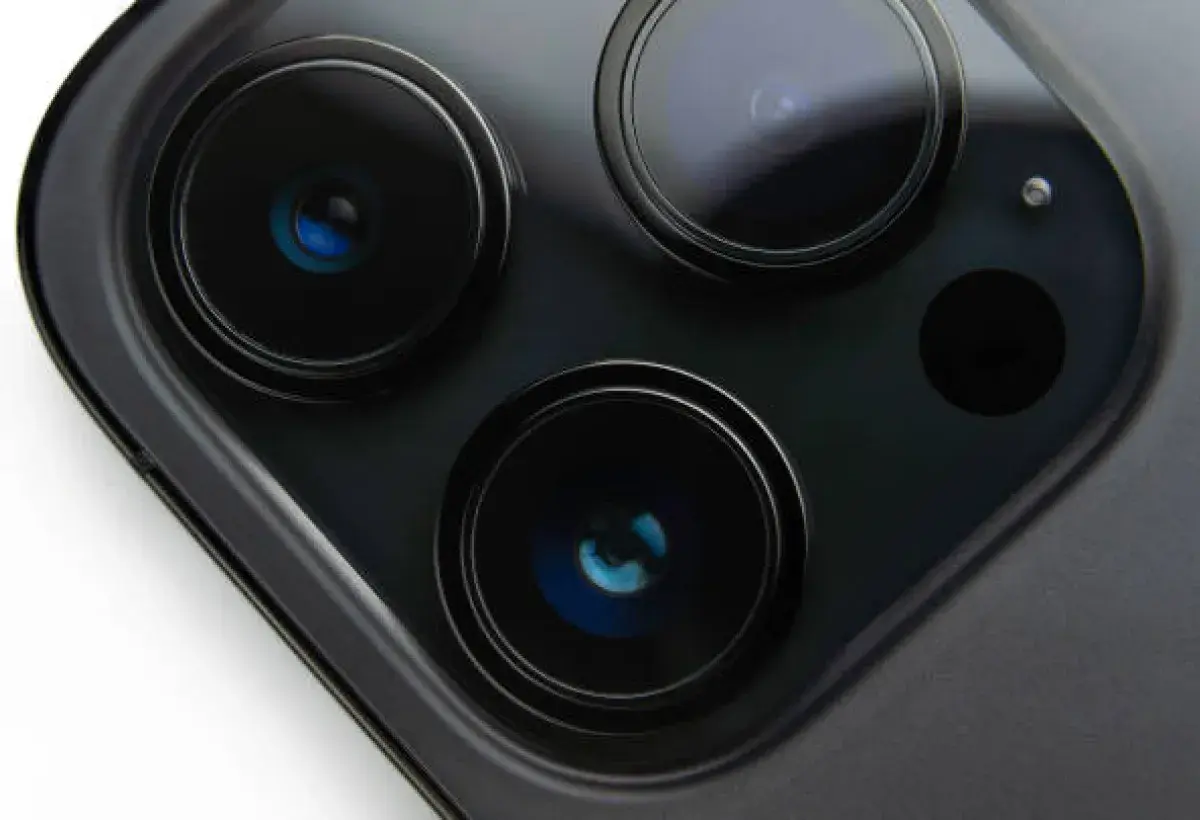

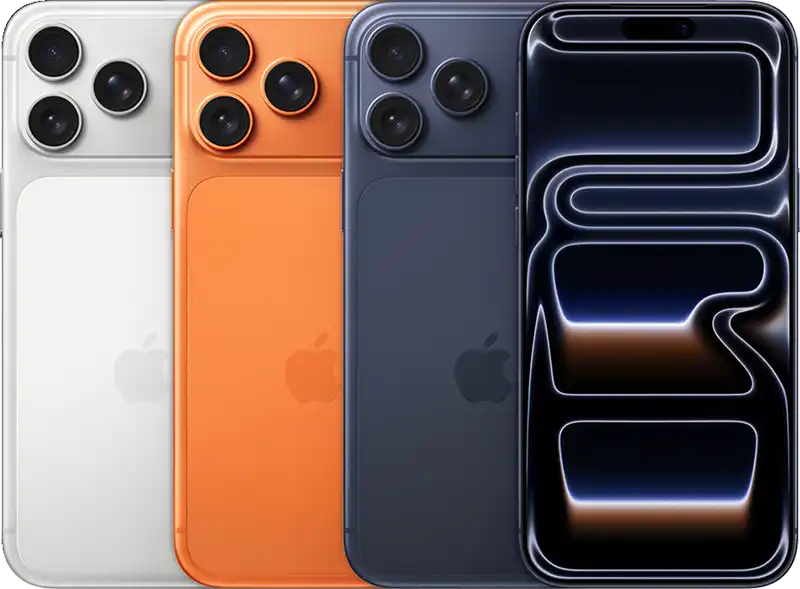
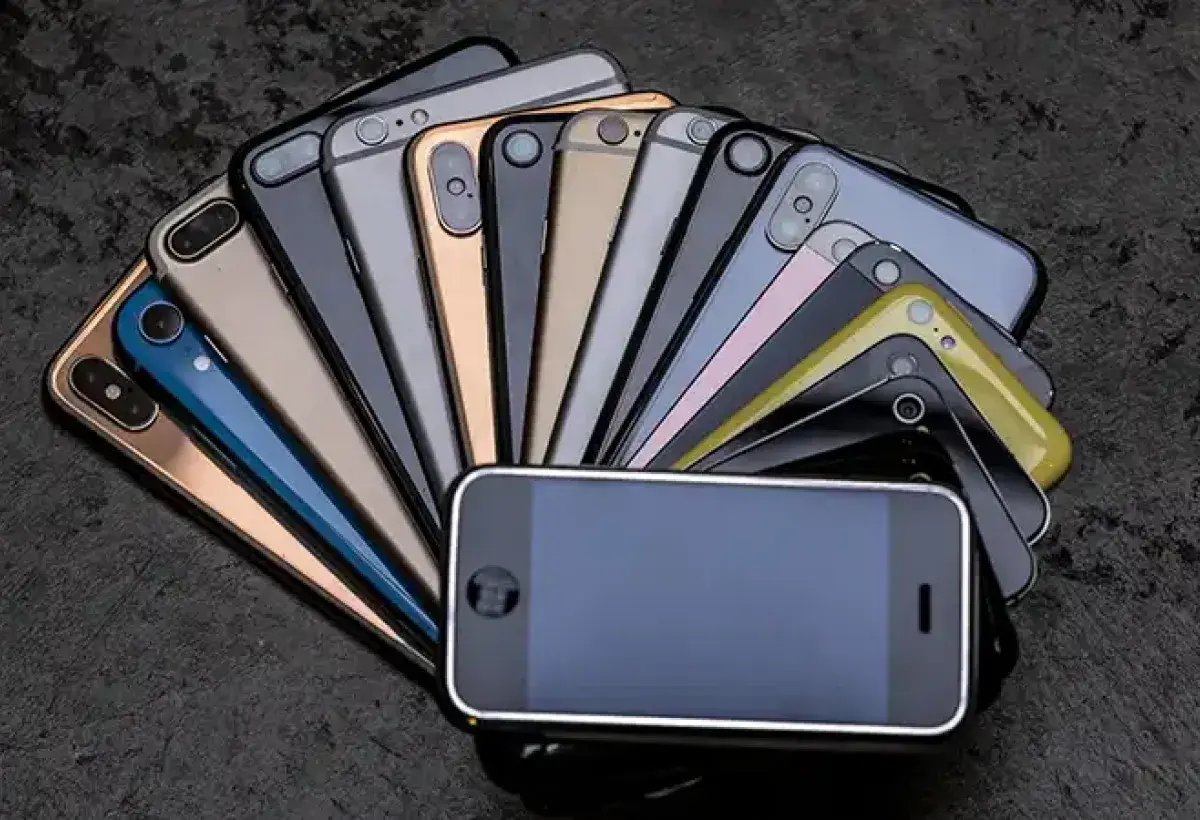
The iPhone may be one of the most recognizable products in the history of technology, yet most users only interact with its outer features and conveniences without ever discovering the fascinating history behind its development. For many owners the iPhone is a daily life companion that wakes them up in the morning keeps them connected to their friends and loved ones stores their favorite images and videos and gives them access to entertainment and news from anywhere in the world. It is easy to feel as if the iPhone has always existed because it is so firmly embedded in modern culture. However the story behind its evolution contains layers of secrecy surprising partnerships bold risks and clever marketing decisions that shaped the course of digital communication.
Long before it became an object of desire the iPhone was a guarded internal experiment. Apple engineers worked in a space that was informally transformed into a creative bunker where only a small group of trusted personnel were allowed to enter. Many of these engineers would later speak about the immense pressure and excitement of being part of a device that could overturn the world of mobile phones. Before the iPhone arrived most consumers relied on keyboards and styluses and the idea of navigating a phone entirely through a multi touch screen seemed nearly impossible. Apple wanted a machine that felt alive in the hand something ultra personal and capable of turning complex computing into a fluid sensory moment.
When Steve Jobs first presented the iPhone to the world he knew that he was revealing more than another consumer electronic device. He was inviting audiences into a new era of pocket computers that blended phone functions with media players and internet navigation in one seamless experience. Through every generation Apple has continued to enhance the original vision by introducing stronger processors more advanced cameras improved displays and creative software tools that allow anyone to work create and communicate faster than ever before.
Each fact highlights a surprising angle from mysterious codenames to hidden internal features to record breaking sales milestones. Whether you have owned an iPhone for years or you are simply curious about its influence these insights offer a chance to explore how a single device transformed personal technology and inspired a completely new culture of mobile life.
Image
1. Secret codename
During its earliest development the original iPhone was known only by the codename Purple. This name did not appear in official schedules or external communication. Instead employees who were assigned to the project worked in a hidden section of Apple headquarters known quietly as the Purple Dorm. The engineers lived much of their lives inside this restricted space often spending long nights refining software and testing screen responsiveness. The name Purple eventually became an internal badge of honor since only a handful of trusted people were invited to contribute.
The purpose of keeping this codename was to shield the project from leaks. Apple had encountered competition before and leaders understood that revealing their mobile intentions could trigger other companies to rush the market first. The Purple initiative was so private that even some executives whose clearances were high were not informed about the true nature of the project. Individuals who worked on Purple later stated that they were told only to focus on specific tasks rather than any full picture. They were forced to assemble an understanding based on fragments which encouraged concentration and secrecy at the same time.
Keeping the project under a playful color label also helped detach it from any expectation. If anyone overheard the term Purple there was no reason to suspect a revolutionary mobile computer. At the time Apple was still known primarily for computers and media players so the shift into phones was perceived as risky. More than one executive doubted that consumers would adopt touch interaction. Yet the Purple team believed that once screens became sensitive and accurate enough they could replace buttons entirely.
By the time the iPhone reached its unveiling Apple marketing did not reference Purple at all. The name served its purpose and disappeared into internal lore. Today it stands as a reminder that world changing ideas often begin in quiet protected corners. Great products require both courage and controlled silence and in the case of the iPhone Purple was the energy that protected vision from interference.
Image

2. First reveal
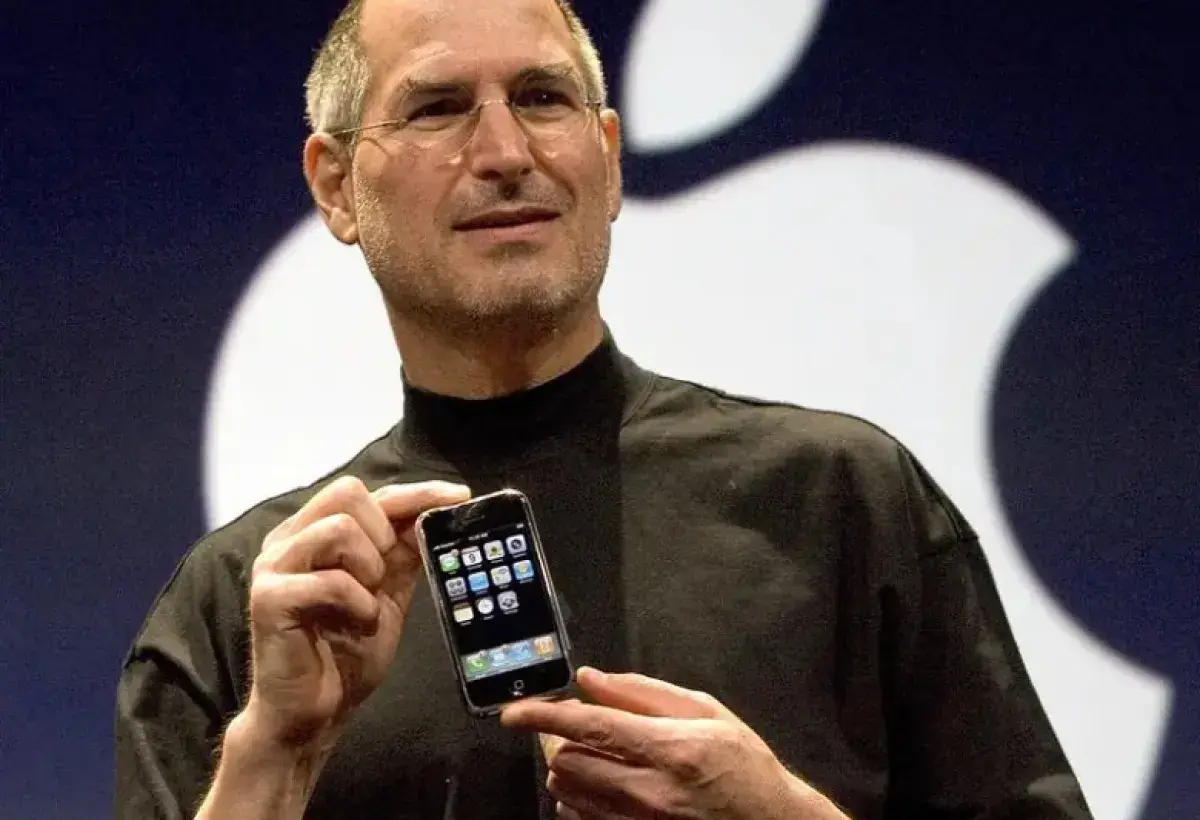
When Steve Jobs walked onto the stage on January 9 2007 he introduced what he described as three separate products in one. There was an iPod with touch controls a phone and an internet communications device. As the audience listened they began to realize that he was not describing three gadgets but a single unified product that could outperform everything that existed at that time. The reveal became one of the most analyzed moments in technology presentations because Jobs delivered it as theater. He teased curiosity took his time and demonstrated the power of the interface using familiar actions rather than technical explanations.
For the audience the revelation required a mental adjustment. The mobile phone industry was dominated by companies that believed users preferred physical keyboards. BlackBerry and Nokia executives asserted that email and texting efficiency came from buttons. Apple completely reversed the assumption. Jobs showed that scrolling could be done with a finger that photos could be enlarged with a pinch and that audio playback could be controlled on screen without mechanical switches. The crowd responded with loud enthusiasm because the demonstration felt magical.
Behind that stage moment were months of carefully prepared rehearsals. Jobs was known for his intense standards and he pushed the team to ensure the device would not freeze or lag. At an earlier stage the software had been unstable. During one rehearsal the phone struggled to maintain a sequence of actions which caused visible frustration. Engineers began coding and modifying late into the night to guarantee a flawless public experience.
The reveal changed the identity of the smartphone. Instead of being a business tool or a utilitarian convenience it became an entertainment gateway a communication hub and a miniature computer. Jobs gave consumers permission to expect more from their pockets. He promised that integrations previously found only on laptops could become mobile. This psychological shift set the foundation for the modern app economy social media mobility and continuous online browsing.
In retrospect the reveal was not simply a product announcement. It was the moment when technology culture recognized that hardware could merge with artistry. Jobs invited humanity to touch software directly which transformed expectations for industry design worldwide.
Image
3. No App Store yet
When the first iPhone launched in 2007 it did not include an App Store. Instead Apple relied on a concept of web apps that could run through the browser. Jobs believed developers would create programs using web standards and users would access them through Safari. However this idea clashed with consumer behavior. People did not want temporary windows. They wanted installed programs that loaded instantly and stored data locally.
Developers quickly voiced frustration because browser limitations restricted creativity. They wanted access to hardware features and deeper system controls. Apple initially resisted partly because opening software controls introduced potential security problems. Allowing outside code to run freely on the phone meant Apple could not guarantee performance consistency. Yet demand was impossible to ignore. Competitors saw an opening and began creating app ecosystems.
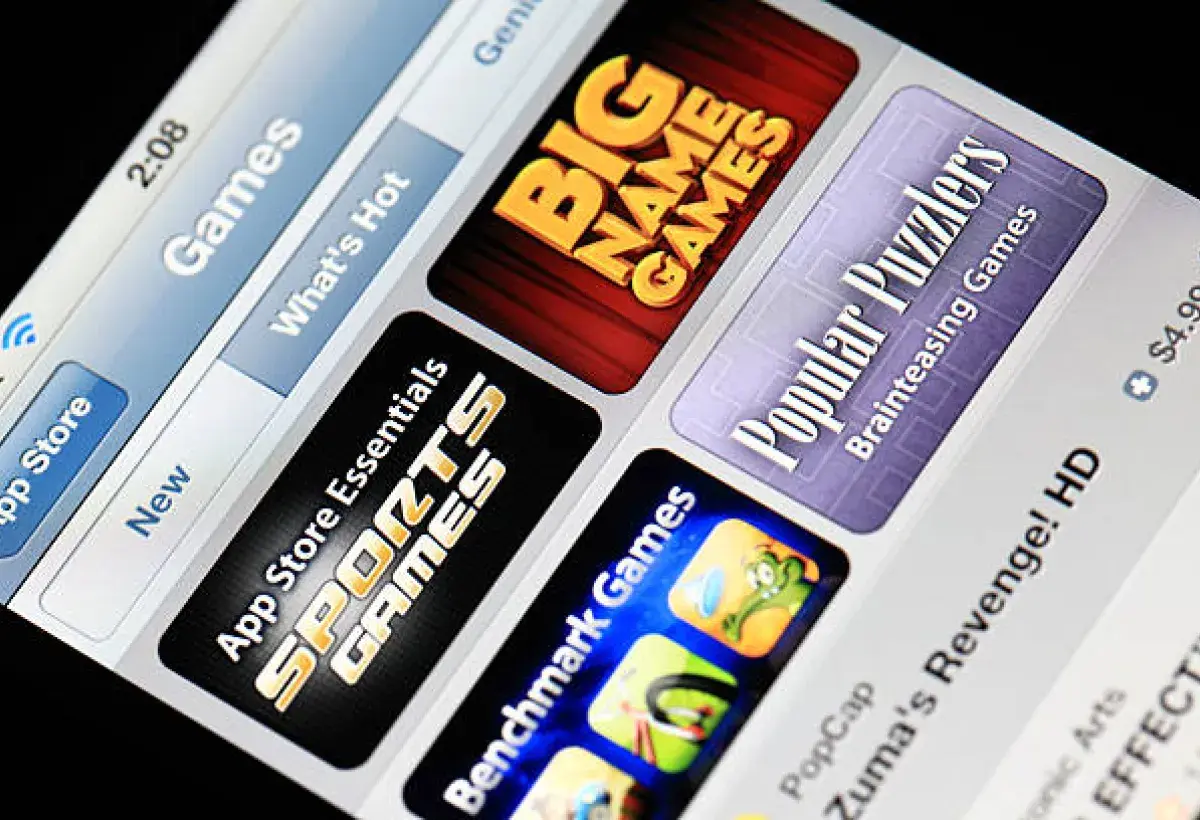
By mid 2008 Apple reversed its structure and released the App Store with iPhone OS 2. The decision triggered a boom in software innovation. Small developers without massive funding suddenly had the opportunity to build programs that could reach millions of users. Personalized tools fitness trackers social networks and games formed a global digital marketplace. Apple took a percentage of every purchase which created a new business model based on digital distribution.
The App Store eventually changed more than revenue models. It changed how humans spent time. Digital interactions expanded from occasional browsing to constant engagement. Entertainment moved into pockets. Banking became mobile. Creativity apps allowed anyone to edit video or music without studio equipment.
That early hesitation to support applications now looks ironic because app culture is one of the most defining features of the smartphone era. The delay also shows that even industry leaders must react to user expectations. Apple listened and transformed criticism into opportunity.
Image
4. Hidden magnifier
Your iPhone can transform into a magnifying glass by activating the Magnifier tool within Accessibility settings. Many individuals discover this only by accident. The Magnifier allows users to zoom a physical surface through the camera which helps with reading labels observing small text or examining textures. The feature was created to support people with vision limitations but its usefulness extends to anyone who needs clarity in low light or tight space.
To activate it users can access the Accessibility panel and enable Magnifier as a shortcut. Once engaged the screen will behave like a digital lens. Brightness can be increased instantly. Contrast can be raised. Colors can be inverted. All of these settings assist with visibility. The Magnifier also contains freeze frame functionality so users can capture a static snapshot and view it without holding the phone close to the object.
The feature reflects Apple philosophy of embedding subtle benefits that enhance independence. Rather than forcing someone to purchase a specialized tool the company integrates visual assistance into mainstream hardware. Over time Apple improved Magnifier by adding precise zoom sliders and better stabilization. Now people can inspect jewelry detail or examine a serial number with immediate accuracy.
The Magnifier also helped normalize accessibility engineering across the industry. Competing companies noticed how Apple marketed inclusion and began building their own solutions. In this way a small feature can influence social responsibility. Allowing individuals to read medical labels shop confidently or analyze instructions supports self reliance.
The hidden nature of the feature also highlights how deep the software truly is. Most owners use only a small percentage of capability. Beneath familiar icons there are layers of adjustments designed to support comfort and task efficiency. Magnifier stands as proof that innovation is not always a dramatic revelation. Sometimes it is a quiet tool that makes life easier.
Image

5. Gold rush
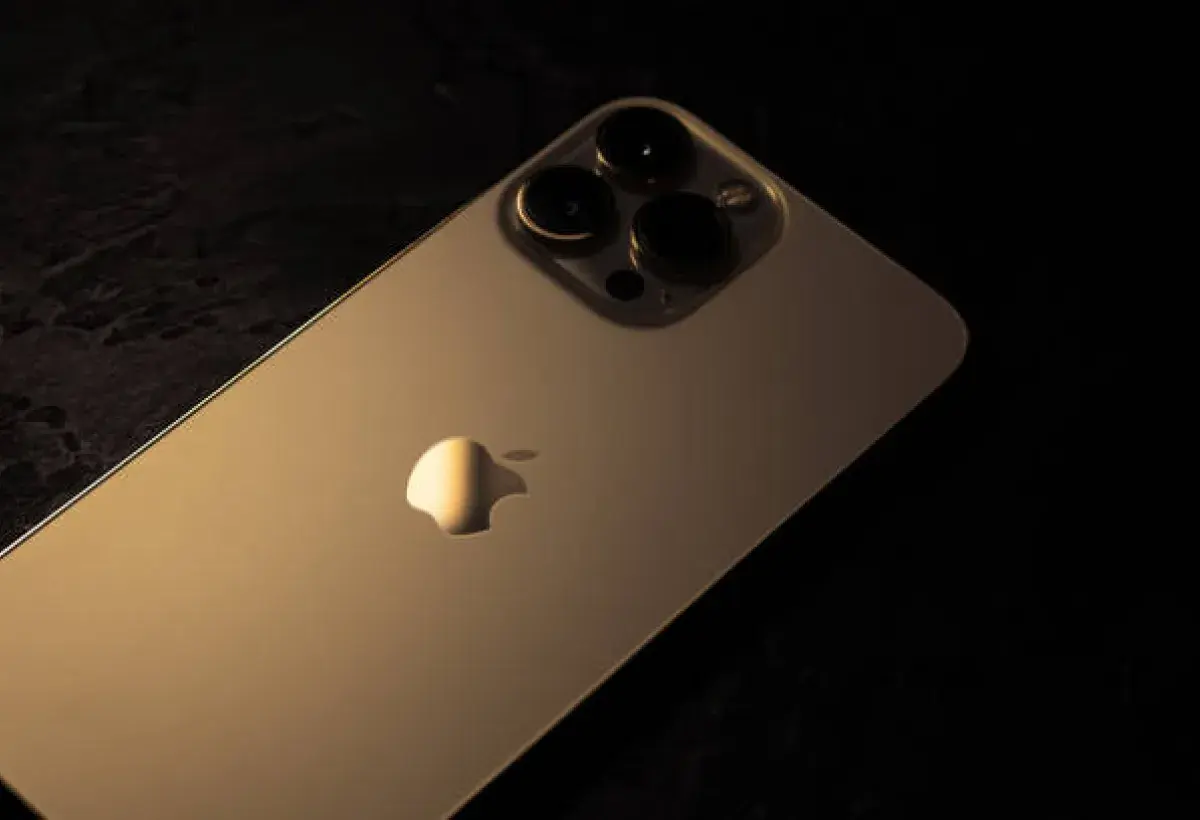
When Apple released the gold colored iPhone 5s in 2013 it instantly became a focus of attention. Until that point Apple had favored minimal color choices and metallic silvers. The addition of gold signaled a new approach to emotional design. The phone was not simply a device. It became a symbol of luxury aspiration and personal style. Many consumers felt that gold represented success and exclusivity which triggered enormous demand.
Within minutes of availability the gold configurations sold out online. Retailers received minimal quantities and customers lined up hoping to secure one. Secondary markets formed where individuals resold gold models at inflated prices. In regions where gold carries cultural celebration such as parts of Asia the phone became a social indicator. Having a gold device communicated status.
Apple observed that demand and continued expanding color categories. Rose gold followed. Midnight green followed later. Subtle tones became branding statements. Consumers began choosing phones that matched wardrobe or accessories. This was a shift from purely tech motivated purchasing to aesthetic self expression.
The introduction of gold also signaled how Apple anticipated fashion trends. Technology began moving into lifestyle territory. The iPhone could operate as a jewel like object with careful aluminum tinting and polished surfaces. From a materials engineering standpoint the gold finish required precise anodizing techniques that prevented scratches while maintaining reflective qualities.
Gold also awakened accessory industries. Case makers started designing transparent frames that showcased the color instead of covering it. Advertising shifted to emphasize texture and visual drama. Apple realized that emotional appeal could be as powerful as technical specifications.
In cultural terms gold iPhones appeared in music videos celebrity events and television series. They carried narrative weight. The device could symbolize wealth humor or identity depending on the medium. That level of cultural penetration proved that smartphones could transcend function and enter symbolism.
The gold moment helped trigger ongoing consumer anticipation for new color waves. Buyers now look forward to annual shade reveals. The psychology behind the color shows how simple design variations can create frenzy and stimulate desire.
Image
6. The i mystery
The naming convention of Apple products featuring i originated in 1998 when the company introduced the iMac. During that presentation Jobs explained that the i represented internet because the Mac was designed for easy online access. However he also listed a set of inspirational words that included individual inform instruct and inspire. These terms reflected his belief that computers were tools for personal empowerment.
When the iPhone arrived the branding continued that pattern. The lowercase letter reinforced a sleek modern personality while reminding consumers of a lineage. The letter also symbolized simplicity. Short words are easier to remember and easier to pronounce globally. Marketers understand that concise visuals print stronger in memory.
There has been speculation that Apple would one day retire the i prefix but its emotional value remains strong. Consumers associate it with portability and elegance. The naming also allows consistent product families such as iPad and iTunes. Even when Apple rebranded iTunes into separate apps the legacy remained recognizable.
The i prefix also influenced competitors. Companies launched products like iHome and iRiver in hopes of capturing attention. Some were forced to discontinue names because of trademark pressure. Apple guarded its naming architecture aggressively.
Despite cultural guessing the true meaning of the letter is flexible. Jobs was known for layered messaging. Internet represented connectivity. Individual represented ownership. Inform and instruct represented education. Inspire represented creativity. By grouping these meanings he encouraged a broad identity. Users could define i by how they used the device.
This strategy reflects marketing excellence. Rather than tie branding to a narrow function Apple connected it to aspiration. People love definitions they can personalize. The naming allowed the audience to participate in myth making. As a result the prefix became a cultural marker rather than a literal abbreviation.
Image
7. Samsung inside
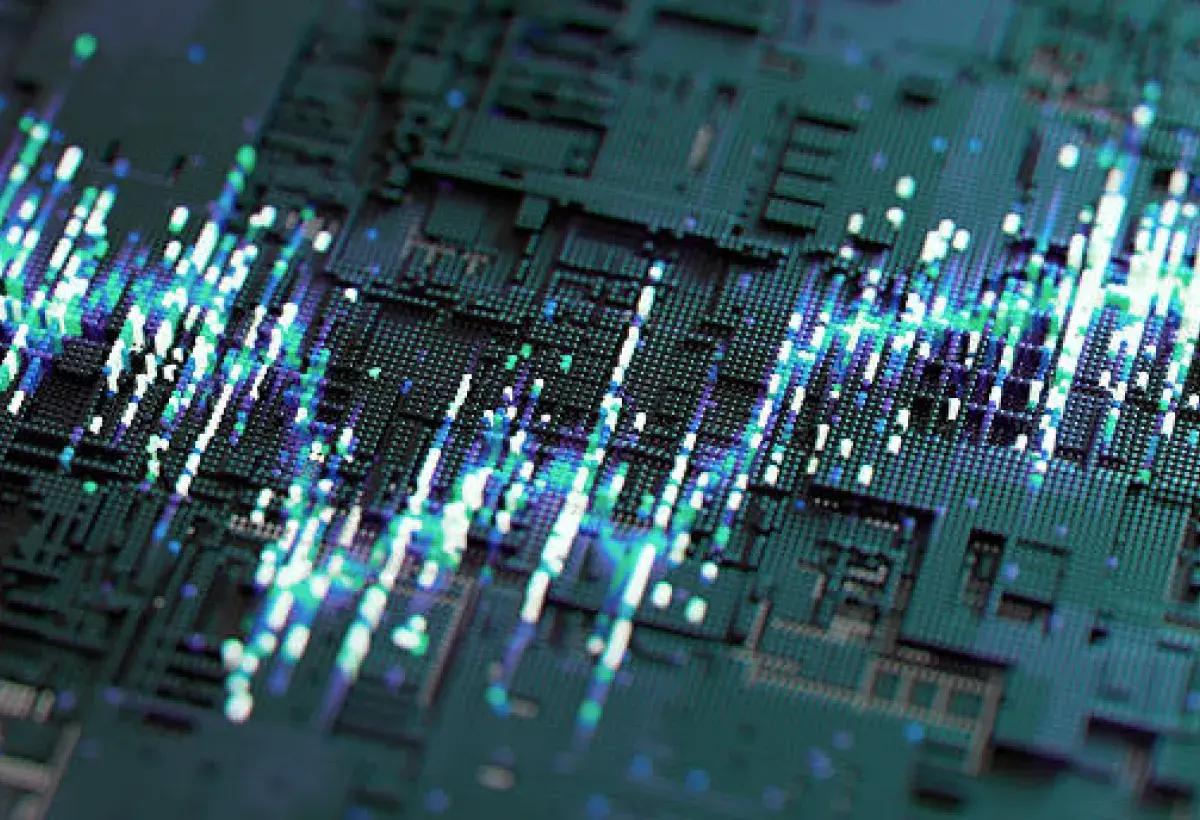
Early iPhones used processors that were designed by Apple but manufactured by Samsung. The cooperation surprised some observers because the companies were viewed as rivals in the smartphone market. However technology supply chains often require collaboration among competitors. Manufacturing chipsets demands precision factories billions in infrastructure and reliable yields. Samsung possessed advanced semiconductor fabrication capabilities and Apple leveraged that expertise.
The partnership did not imply shared design secrets. Apple created its own chip architectures to customize performance for its software ecosystem. Samsung simply handled physical production. This division of labor is common in electronics because a company that excels in design might not excel in mass silicon fabrication.
As competition escalated Apple began reducing reliance on Samsung. Still the early relationship helped Apple accelerate development schedules. Without Samsung participation timelines might have slowed and device reliability could have suffered.
The public fascination with this partnership demonstrates how consumers often assume fierce rivals operate separately. In reality global technology requires cross participation. Screens memory modules batteries sensors and lenses often come from multiple suppliers including companies that compete in parallel markets.
By controlling chip design Apple eventually unlocked massive performance advantages. Their custom silicon optimized for iOS allowed energy efficiency and long battery life. Yet in the earliest stages Samsung manufacturing was a crucial stepping stone.
Image
8. Billion club
In 2016 Apple announced the sale of its one billionth iPhone. This milestone occurred less than ten years after the original launch. The rate of adoption demonstrated how quickly smartphones became essential. Few products in consumer history reached that level of penetration so rapidly.
Sales momentum resulted from global expansion. As Apple entered additional countries availability increased. Carrier subsidies played a role. Customers could acquire phones through monthly plans instead of paying full price upfront. Advertising reinforced desirability. Camera improvements convinced people to upgrade. App ecosystems fostered constant device relevance.
Selling a billion devices also meant billions of active cameras microphones and sensors traveling worldwide. This influenced business models built on mobile search mapping cloud storage messaging and photo sharing. Entire social networks were constructed on the assumption that users carried capable smartphones.
Apple stated that the billion unit marker was symbolic rather than final. It represented customer loyalty and enduring excitement. Generations of iPhone models continued to release regularly and each cycle triggered buying patterns in both new and returning consumers.
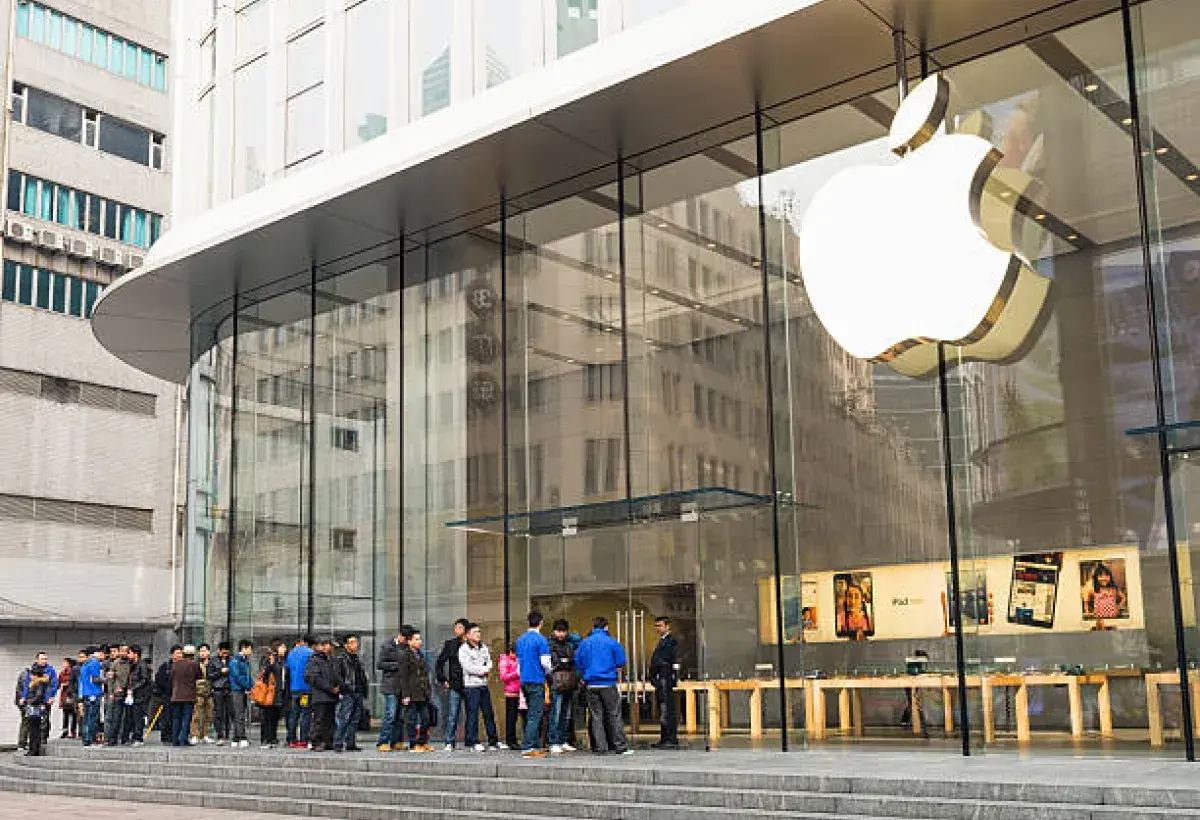
No other hardware line matched the profit velocity. Even when newer rivals entered the field the cultural attachment to Apple remained strong. Fans lined up outside stores for new releases.
Image
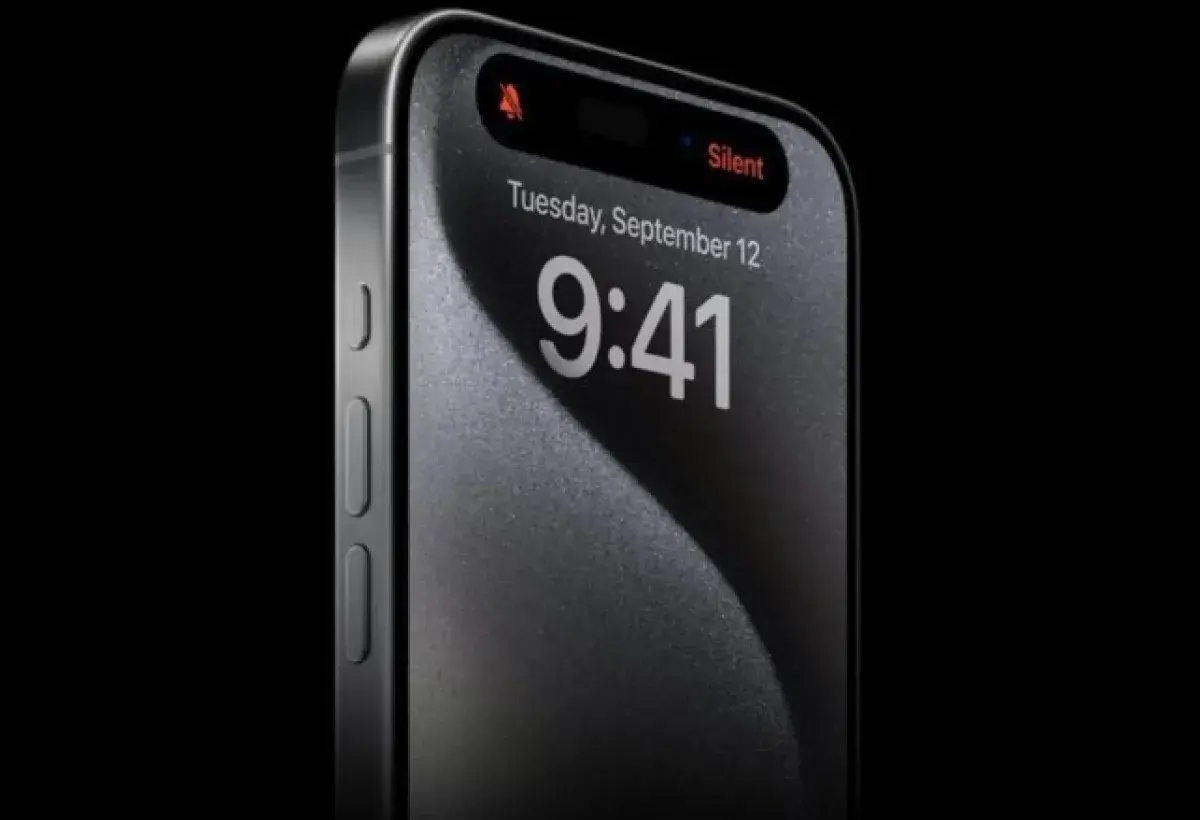
9. Always a clock
On every Apple promotional image the iPhone clock reads 9:41 AM. This specific time marks the moment Steve Jobs unveiled the first iPhone during the 2007 keynote. Apple marketers love subtle storytelling so they replicated the time as a permanent tribute.
Before 9:41 the company used 9:42 for earlier marketing tied to the iPhone introduction timeline. Eventually they adjusted to 9:41 because it most closely reflected the precise reveal moment.
This time stamp demonstrates how Apple carefully manages visual consistency. Every billboard reflects it. Every product rendering displays it. These small touches contribute to brand harmony. They send a silent message that Apple values narrative continuity.
Many consumers never notice. Yet for those who do the detail builds affection. It proves that marketing does not need loud gestures. Quiet symbolism can be equally powerful.
In psychological terms the recurring time becomes signature memory. It transports viewers back to a cultural beginning.
Image
10. Huge profit share
Apple produces a smaller percentage of global smartphones compared to the total industry. Yet some years its financial reports reveal that the company captures more than eighty percent of overall smartphone profits. This is due to pricing strategy brand loyalty premium hardware and software control. Apple rarely discounts aggressively. Customers routinely pay for higher storage. Cases and accessories generate further revenue. App Store purchases produce additional income.
High profit share is also driven by the vertical integration of design and software. Apple controls the operating system and the hardware so performance optimization is tight. Consumers associate quality with reliability and that encourages repeat purchases. High resale value contributes.
Because profit share does not require majority volume Apple can remain selective. Instead of chasing budget markets they aim for sustainable premium design. This strategy creates a sense of exclusivity. Competitors battle among themselves in lower margins.
Apple has also built emotional trust. Families often operate within an ecosystem of iMessage FaceTime AirDrop and shared devices. Once consumers enter that network they often stay because benefits are cumulative. Profit share reflects this ecosystem lock in.
Image

The story of the iPhone is a story about possibility. It began as a discreet internal experiment inside a protected zone identified only by a playful color label. It evolved into a handheld computer that altered human habits. It created global anticipation where each yearly announcement became an event. It inspired developers to build careers and companies from tiny screens. The iPhone unified communication entertainment navigation and creativity. It changed how families share memories and how professionals work from any location.
What makes the iPhone particularly influential is not the hardware alone but the layered philosophy that encourages emotional connection. Apple positioned the phone as a companion that responds to touch and intuition. Many users describe their devices as extensions of themselves. When Apple expanded colors the phone became fashion. When Apple refined cameras the phone became a documentary tool. When Apple integrated accessibility features the phone became inclusive.
The iPhone invited consumers into a future where digital relationships are immediate. Even criticisms about screen dependence confirm its cultural power. The device reshaped expectations around convenience. It established a universal language of tapping swiping and pinching. It built a marketplace of apps that supply daily function.
These ten facts illustrate how much depth exists behind a device most people take for granted. The iPhone is not merely a product. It is a phenomenon still evolving. The next innovation will arrive soon and when it does it will follow the legacy of secrecy daring and curiosity that brought the first generation into the world.
Image