
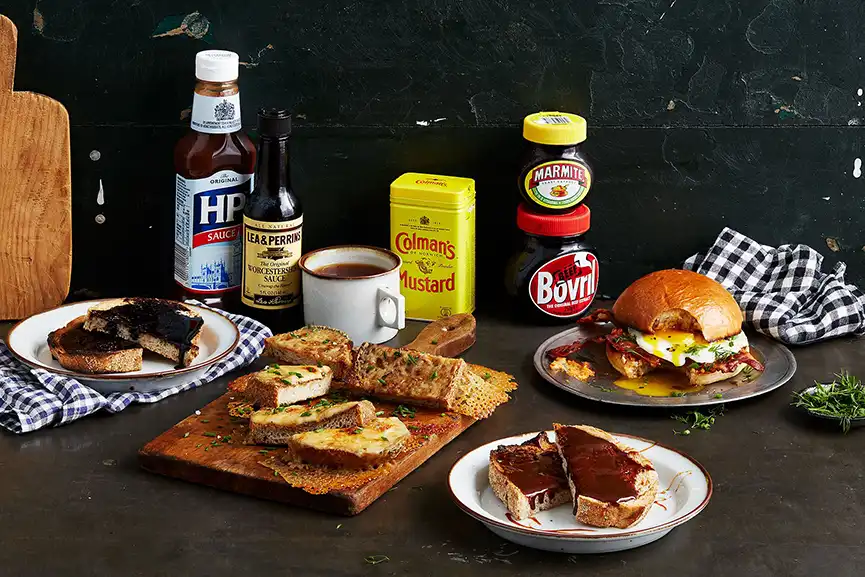
Whether you drizzle it generously over a bacon butty or carefully spoon it beside sausages and eggs HP Sauce has earned a permanent place on British tables. For many households it is not just a condiment but a comforting presence tied to routine tradition and national identity. Its bold tangy flavor instantly evokes memories of weekend breakfasts cozy cafes and family meals shared across generations. While many sauces come and go HP Sauce has endured for well over a century maintaining its reputation as a staple rather than a trend.
What makes HP Sauce particularly fascinating is that its appeal goes far beyond taste. Behind every bottle lies a story rooted in British history politics and global trade. From its association with Parliament to its surprising use of ingredients inspired by international cuisines HP Sauce reflects the evolution of British food culture itself. It represents a time when sauces were crafted to elevate simple hearty meals rather than overwhelm them and when branding told a story as meaningful as the flavor inside the bottle.
For food lovers HP Sauce offers more than a familiar kick of sharp sweetness. It provides insight into how condiments shape culinary habits and cultural identity. It shows how a simple sauce can bridge social classes appearing both in humble homes and historic institutions. It also highlights how food products adapt to changing times while still holding onto their original character.
This collection of savory facts dives into the origins ingredients rivalries and global influence of HP Sauce. Each item builds on the last offering a deeper appreciation for why this sauce continues to inspire loyalty among fans. Whether you grew up with it or discovered it later these facts may change how you see the next bottle you reach for.
1. HP Stands for Houses of Parliament
The name HP Sauce is deeply tied to British political history and national symbolism. HP stands for Houses of Parliament a connection that immediately gives the sauce an air of authority tradition and prestige. The association comes from claims that the sauce was once served in the dining rooms of Parliament in London where lawmakers gathered for meals between debates. While the exact details of this claim remain part fact and part legend it has long been embraced as part of the brand identity.
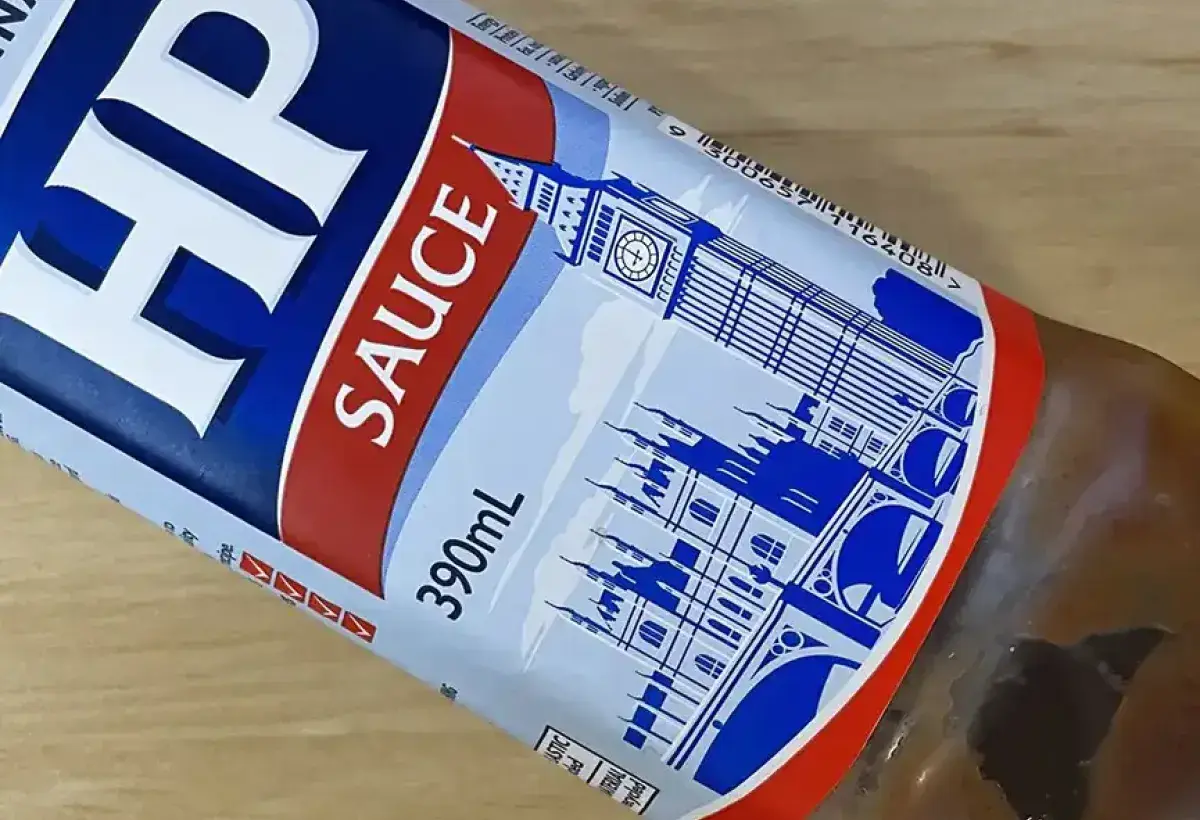
The iconic label reinforces this connection by prominently featuring the clock tower commonly known as Big Ben. This instantly recognizable landmark anchors the sauce in British culture and helps distinguish it from other condiments. For consumers the image suggests reliability heritage and a sense of timelessness. It implies that if the sauce is good enough for Parliament it is good enough for the home table.
This clever naming also reflects a period when food branding often leaned on symbols of national pride. Associating a product with the heart of British governance elevated its status and built trust among consumers. At a time when packaged foods were becoming more common this kind of branding reassured buyers of quality and authenticity.
Today the Houses of Parliament connection remains one of the most talked about facts regarding HP Sauce. It continues to spark curiosity and conversation especially among visitors and younger generations discovering the brand for the first time. The name alone tells a story that blends food history with political tradition making HP Sauce far more than just another bottle on the shelf.
Image
2. It Is a Tangy Blend of Fruits and Spices
One of the defining qualities of HP Sauce is its complex flavor profile which sets it apart from simpler condiments. Rather than relying on a single dominant ingredient the sauce is crafted from a carefully balanced blend of fruits spices and vinegar. This combination creates a taste that is sharp sweet and savory all at once making it versatile enough for a wide range of dishes.
Key ingredients include tomatoes malt vinegar molasses dates tamarind extract and a selection of spices. Each component plays a specific role. The vinegar delivers acidity that cuts through rich foods while molasses adds depth and a subtle sweetness. Dates contribute a natural fruitiness and body that helps give the sauce its signature thickness. Tamarind brings a distinctive tang that lingers on the palate and ties the flavors together.
What makes this blend especially impressive is how well it complements hearty meals. HP Sauce enhances rather than masks the flavors of sausages bacon and meat pies. It works equally well as a dipping sauce or as a finishing touch added directly to the plate. The balance ensures that no single note overwhelms the others which is why fans often describe it as addictive.
This thoughtful approach to flavor reflects an era when sauces were designed to elevate everyday cooking. The result is a condiment that feels robust yet refined and familiar yet intriguing. It is a reminder that even a humble bottle of sauce can be the product of careful culinary craftsmanship.
Image

3. It Was First Made in the Nineteen Nineties
HP Sauce traces its origins back to the late nineteenth century a time when food preservation and commercial production were rapidly evolving. The sauce was originally created by Frederick Gibson Garton a grocer from Nottingham who experimented with recipes that could enhance everyday meals. His creation quickly stood out for its bold taste and shelf stability.
Recognizing its potential Garton sold the recipe to Edwin Samson Moore who saw an opportunity to bring the sauce to a wider audience. Moore established production and marketing efforts that transformed HP Sauce from a local curiosity into a nationally recognized product. Bottling and branding allowed it to reach homes across the country at a time when ready made condiments were becoming increasingly popular.
This period marked a shift in how people cooked and ate. Industrialization meant more families relied on purchased foods rather than homemade sauces. HP Sauce fit perfectly into this change offering consistent flavor and convenience without sacrificing quality. Its success demonstrated how traditional tastes could adapt to modern production methods.
Over time the recipe and branding evolved but the core identity remained intact. Knowing that HP Sauce has been enjoyed for well over a century adds to its appeal. Each bottle represents continuity linking present day meals with the tastes of past generations.
Image

4. It Is a British Culinary Icon
Few condiments are as closely associated with British food culture as HP Sauce. It has earned the title of a national icon through decades of consistent presence at the table. From cafes to households it is a familiar sight often sitting beside salt and pepper as an essential rather than an optional extra.
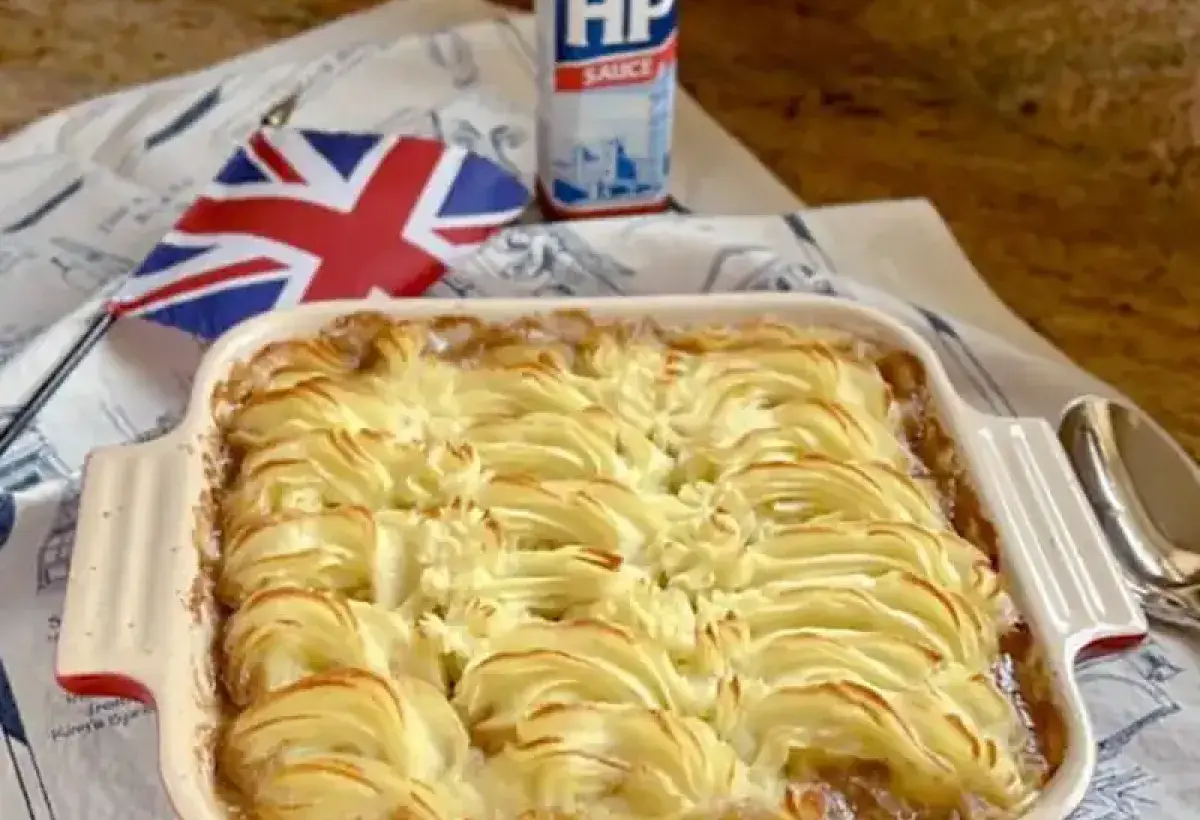
Its popularity is rooted in how well it pairs with traditional British dishes. Meat pies sausages bacon roasts and sandwiches all benefit from its bold flavor. HP Sauce enhances the hearty comforting nature of these foods making them feel complete. For many people the taste is inseparable from the meals themselves.
Culturally the sauce represents more than flavor. It symbolizes routine comfort and tradition. The act of reaching for HP Sauce can feel automatic passed down through family habits rather than conscious choice. This deep integration into daily life is what elevates it from product to cultural marker.
Despite changes in food trends HP Sauce has maintained its relevance. While new condiments come and go HP Sauce continues to appeal across generations. Its status as a British culinary icon is secure not because it is flashy but because it is dependable familiar and deeply rooted in shared experience.
Image
5. It Once Had a Rival Called Daddies Sauce
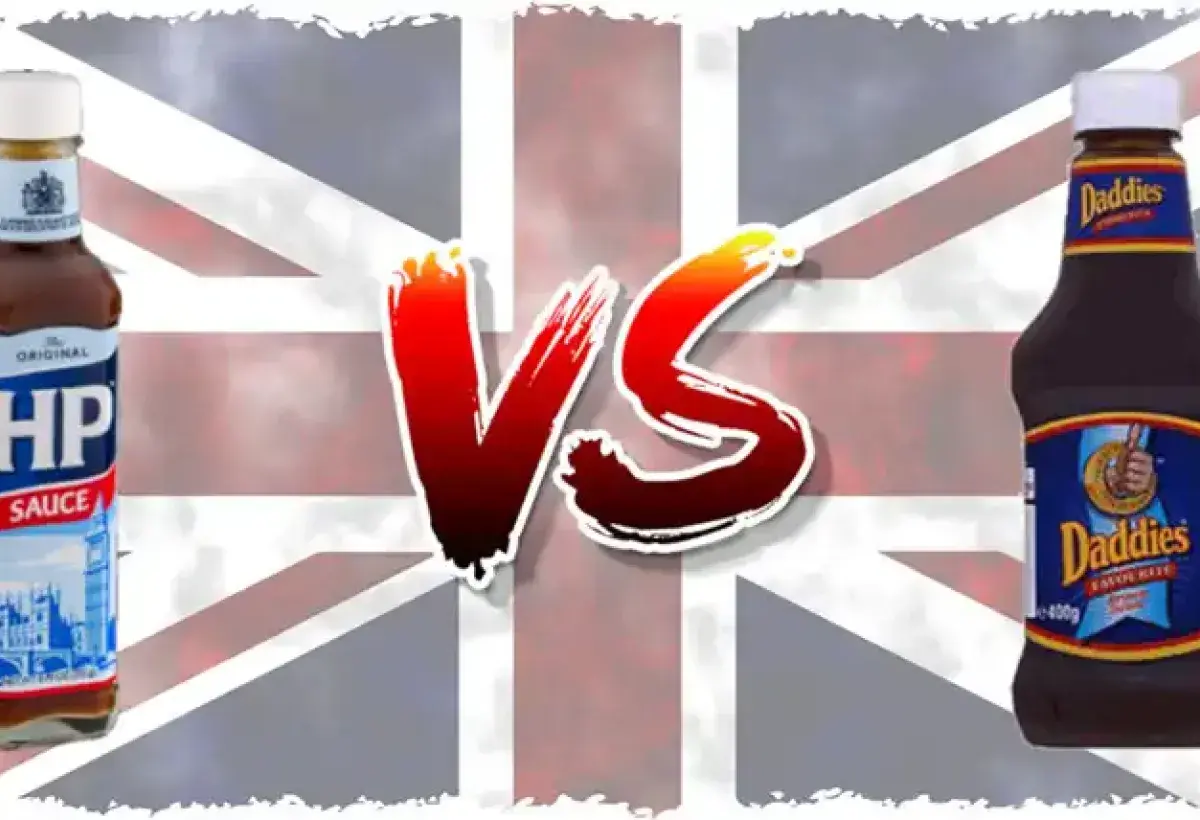
The British condiment market was once home to an intense rivalry between HP Sauce and Daddies Sauce. Both were brown sauces with loyal followings and strong brand identities. Households often favored one over the other and debates over which tasted better were common.
Daddies Sauce offered a slightly different flavor profile which appealed to those who preferred a milder taste. HP Sauce on the other hand was known for its sharper tang and deeper complexity. This contrast helped both brands carve out distinct identities and fueled healthy competition.
Over time market changes and corporate acquisitions altered the landscape. Eventually both brands came under the ownership of the same parent company Heinz. Despite this shared ownership they remain separate products with different recipes packaging and audiences.
The rivalry is now part of British food lore. It reflects a time when condiments inspired loyalty similar to sports teams. Even today longtime fans can recall which sauce their family preferred making this competition a nostalgic chapter in culinary history.
Image
6. A Staple of the English Breakfast
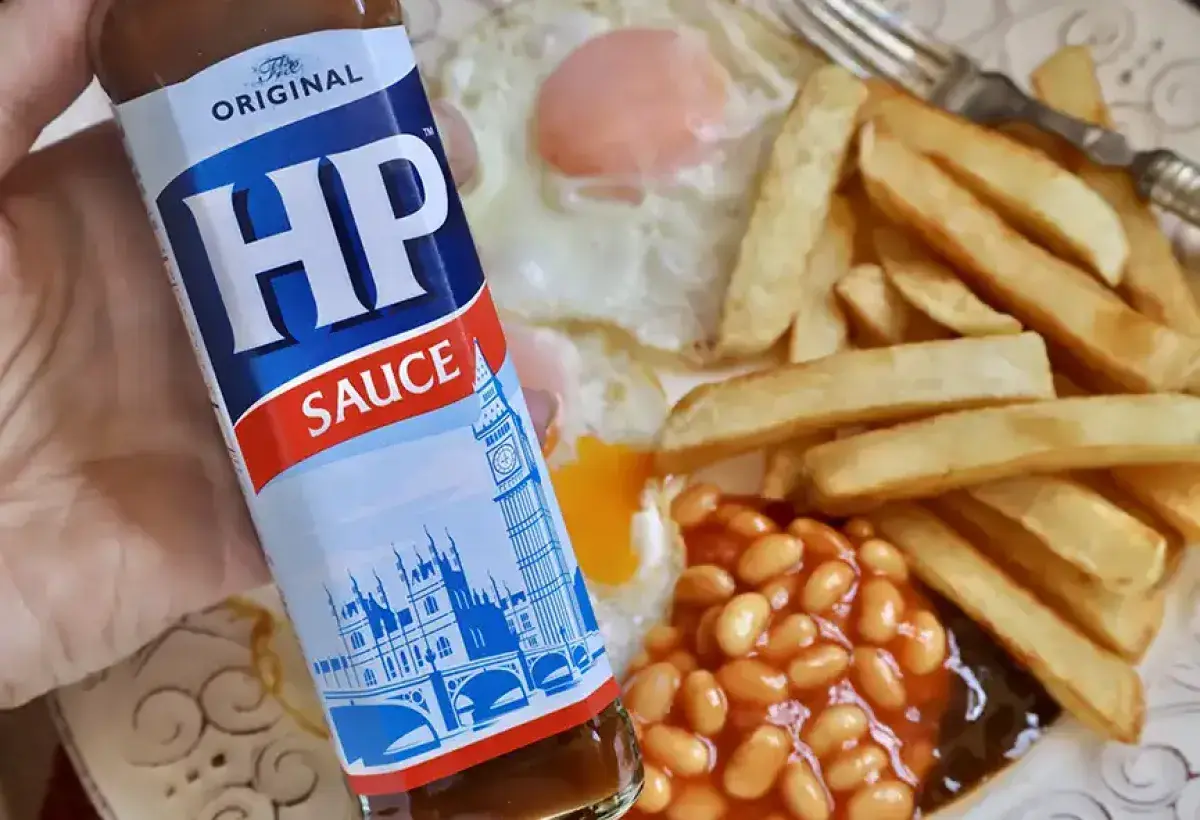
The full English breakfast is one of the most recognizable meals in British cuisine and HP Sauce plays a key supporting role. Served alongside eggs sausages bacon beans and toast the sauce adds contrast and balance to the richness of the plate.
Many people consider it essential. Without HP Sauce the meal can feel incomplete lacking that sharp note that cuts through fat and salt. A small splash on sausages or mixed with beans transforms familiar ingredients into something more satisfying.
This association has helped cement HP Sauce in breakfast culture. Cafes diners and homes alike keep bottles within easy reach during morning meals. For visitors it often becomes part of the authentic experience of eating a traditional breakfast.
The enduring link between HP Sauce and breakfast highlights its role in everyday rituals. It is not reserved for special occasions but woven into daily life reinforcing its place as a true staple.
Image
7. Originally Made in Aston Birmingham
For over a century HP Sauce was produced in Aston Birmingham an area known for its industrial heritage. The factory became closely associated with the brand providing jobs and contributing to the local economy.
The Birmingham connection strengthened the sauce identity as a proudly British product. Many consumers took comfort in knowing it was made locally using traditional methods. The factory itself became a symbol of continuity and craftsmanship.
In two thousand seven production moved to the Netherlands a decision that sparked public outcry. Fans expressed disappointment feeling that something distinctly British had been lost. Despite assurances that the recipe remained unchanged the move carried emotional weight.
This reaction highlights how deeply people connect food with place. HP Sauce was not just about taste but about where it came from. The Aston factory remains an important chapter in the sauce history even after production moved elsewhere.
Image

8. It Is Popular Worldwide Especially in Canada
While HP Sauce is most closely associated with the United Kingdom its popularity extends far beyond British borders. One of its strongest international markets is Canada where it has become a familiar condiment in many households.
Canadian consumers often use HP Sauce with grilled meats burgers and sandwiches. Its bold flavor pairs well with outdoor cooking and casual meals. For some it offers a taste of British heritage while for others it is simply a versatile sauce.
The success of HP Sauce abroad demonstrates its adaptability. Despite being rooted in British tradition it resonates with diverse food cultures. This global reach speaks to the universal appeal of its flavor.
Its presence on international shelves ensures that HP Sauce continues to gain new fans while maintaining its core identity. It remains recognizably British yet widely appreciated.
Image

9. The Original Recipe Included Tamarind Rare for British Sauces
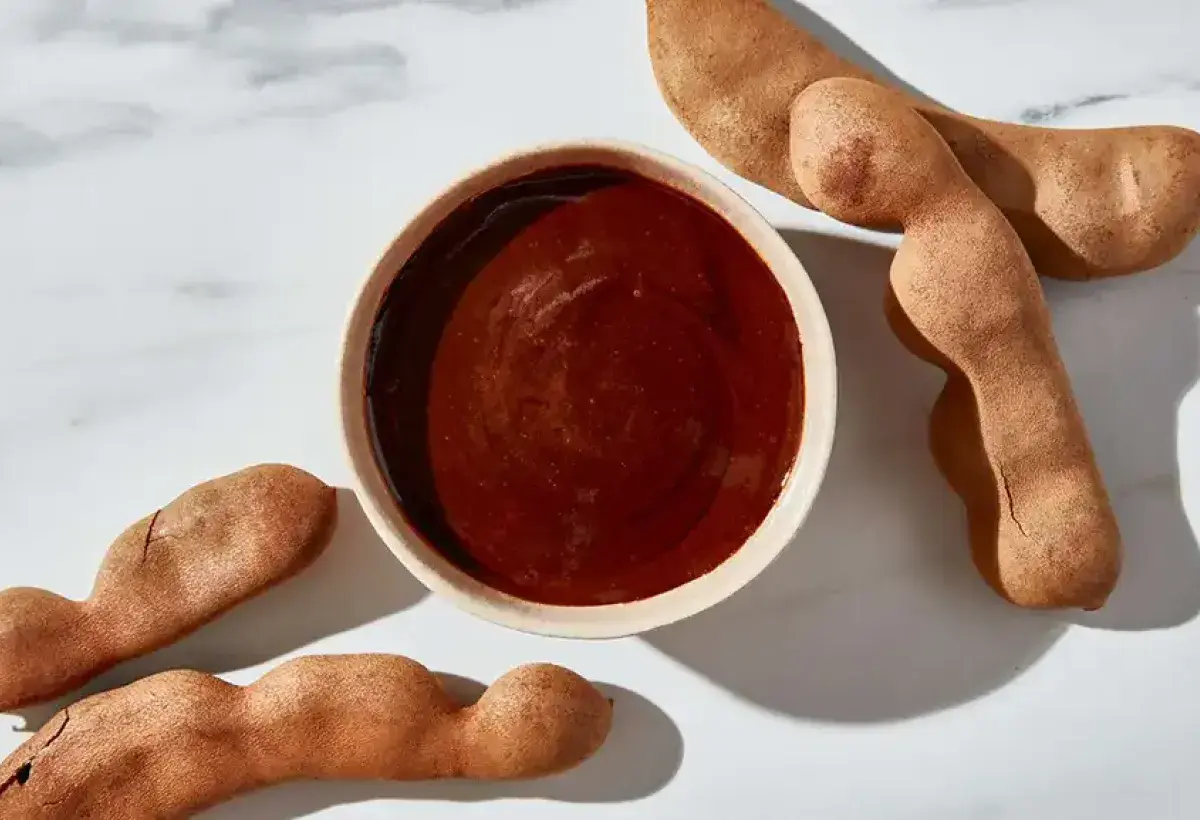
One of the most distinctive ingredients in HP Sauce is tamarind which was uncommon in British cooking at the time of its creation. Tamarind is more often associated with South Asian and tropical cuisines bringing a sweet sour depth.
Including tamarind gave HP Sauce a unique edge. It contributed complexity and a lingering tang that set it apart from other sauces. This choice reflected global trade influences and an openness to international flavors.
At a time when British food was often considered conservative this ingredient was surprisingly adventurous. It demonstrated how global ingredients could be incorporated into local traditions.
Today tamarind remains a key part of the sauce character. Its presence connects HP Sauce to a broader culinary world while still fitting comfortably into British meals.
Image
10. It Has Been Endorsed by Politicians and Royals
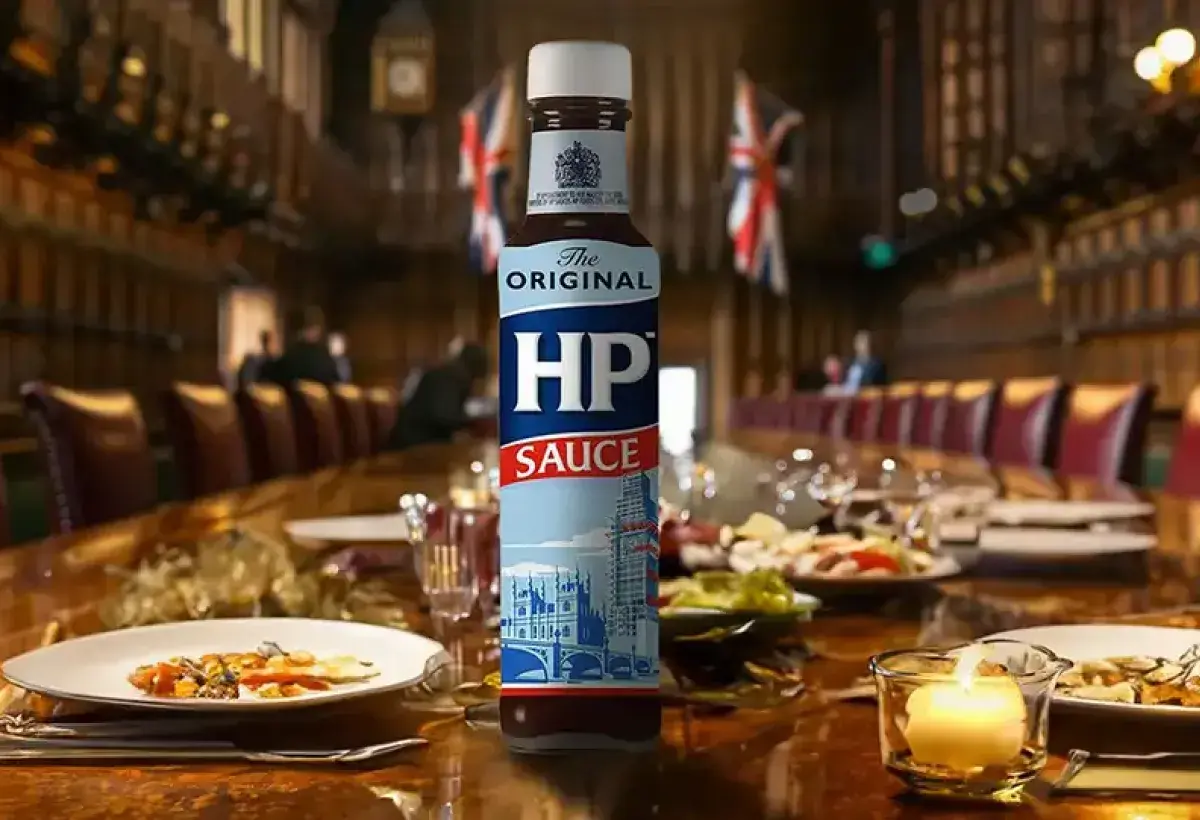
Over the years HP Sauce has gained a reputation as a favorite among politicians and public figures. Stories have circulated about Members of Parliament enjoying it in Westminster dining rooms adding to its legendary status.
Perhaps the most famous rumored fan is Winston Churchill whose fondness for hearty food aligns well with the sauce bold character. While such endorsements are often anecdotal they contribute to the mystique surrounding the brand.
Royal associations and political sightings reinforce the idea that HP Sauce transcends class. It appears in humble kitchens and prestigious settings alike. This broad appeal is part of its enduring charm.
Whether or not every story is true the perception matters. HP Sauce is seen as a condiment that belongs everywhere from everyday meals to historic halls.
Image
HP Sauce is far more than a brown sauce tucked away in the fridge. It is a product shaped by history culture and changing tastes yet anchored firmly in tradition. Each fact reveals another layer of why it continues to inspire loyalty and affection among food lovers.
From its Parliament inspired name to its global reach HP Sauce tells a story of British identity expressed through flavor. It shows how a condiment can become a cultural symbol without losing its everyday usefulness. Its balance of familiarity and depth ensures it remains relevant in kitchens old and new.
For foodies appreciating HP Sauce means understanding the journey behind the taste. It means recognizing how simple pleasures are often built on rich histories. The next time you reach for a bottle you may find yourself savoring not just the flavor but the story that comes with it.