

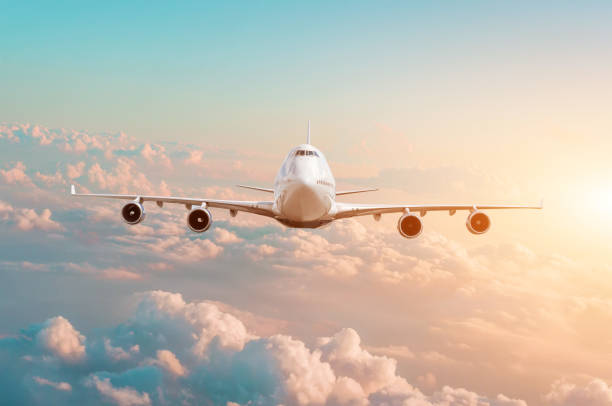
Airplanes are some of the most astonishing creations in modern human history and most travelers rarely think about the complexity at play every time a flight leaves the ground. A typical journey begins with a boarding announcement and ends when the wheels reconnect to the runway but everything in between involves thousands of decisions that keep passengers safe comfortable and moving across continents in hours. Flight results from physics, machinery, and intense human coordination. Even the seats the overhead bins the trays and the windows come from decades of experiments and safety upgrades.
What surprises many people is how much mystery still exists inside a machine that so many people regularly use. Aviation experts talk about how passengers see only a small portion of what is really happening. Under the cabin floor there are wires hydraulics and fuel lines. Inside the cockpit pilots guide a machine that responds to every adjustment with remarkable precision. Even the air that passengers breathe is a carefully managed mixture that keeps pressure steady while cruising at altitudes that would normally be impossible for the human body.
Airplanes represent not only technology but also imagination. People once needed weeks to cross oceans. Now friends families students business travelers and tourists watch movies sip drinks listen to music and arrive on the other side of the world before the day changes. It feels ordinary but the process is extraordinary. The sky becomes a highway and engines push metal bodies through thin air faster than any car or train.
There are countless facts that remain unknown to most passengers. Why do some windows have a tiny hole. Why do wings bend without snapping. Why do cabin lights dim during takeoff and landing. Why are pilots able to rest on very long journeys without sitting in normal seats. These details reveal an entire hidden world built for efficiency and safety.
The ten facts below show how creative and scientific aviation has become. Some discoveries emerged through tragedy and improvement. Some came through curiosity and testing. Others are clever solutions designed to keep everyone secure while traveling above oceans and mountains. Once you learn the truth behind these systems you may never look at a flight the same way again. So lean back imagine the roar of engines and enjoy a guided tour into the sky.
1. Secret Crew Bunks
Image
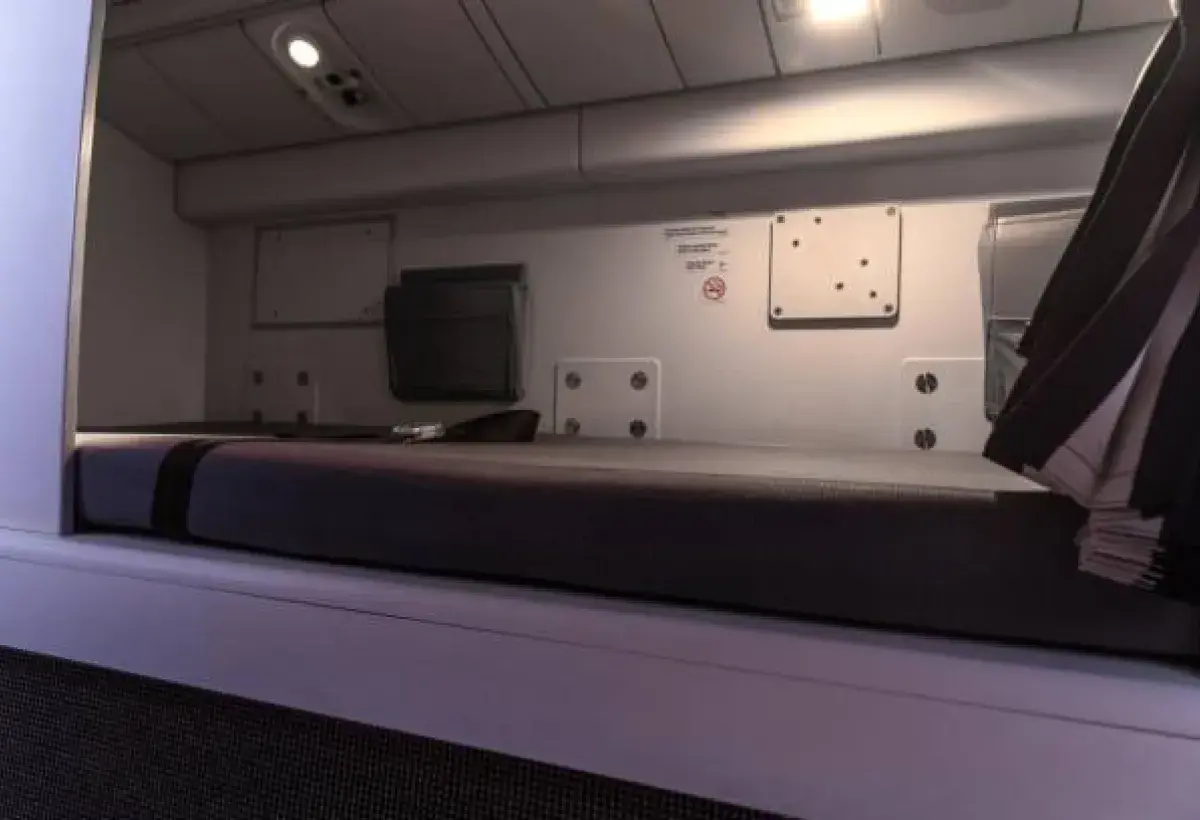
Most passengers assume that flight attendants and pilots remain awake in their seats for every minute of a long international flight. In reality long duration flights include mandatory rest time to keep crew alert and compliant with strict aviation standards. To make that possible many large aircraft have hidden rest spaces built directly into the structure of the plane.
These rest areas are usually located above the main cabin or below it depending on aircraft design. They are not marked for passengers and entry is usually through a small locked panel or a narrow staircase. Inside there are small beds blankets reading lights and sometimes temperature controls. The design is not luxurious but it provides privacy and a horizontal surface which is critical for genuine rest.
Pilots also have their own separate rest area when regulations require it. On extremely long flights one flight crew operates the controls while another rests and then they switch so alertness remains constant. Most passengers never notice this exchange happening because the access point is subtle and easy to overlook. Flight safety depends heavily on clear minded pilots and rested cabin crew because exhaustion increases risk.
The existence of these rest spaces also demonstrates clever use of aircraft structure. Engineers must use space that does not interfere with luggage passengers wiring or aerodynamic form. Every inch inside a modern aircraft is planned and optimized. What may appear to be an empty ceiling cavity is actually an essential employee sleeping zone. After learning this detail some travelers look upward during boarding and imagine the quiet rooms hidden above their heads while crossing oceans at night.
2. Lightning Proof Design
Image
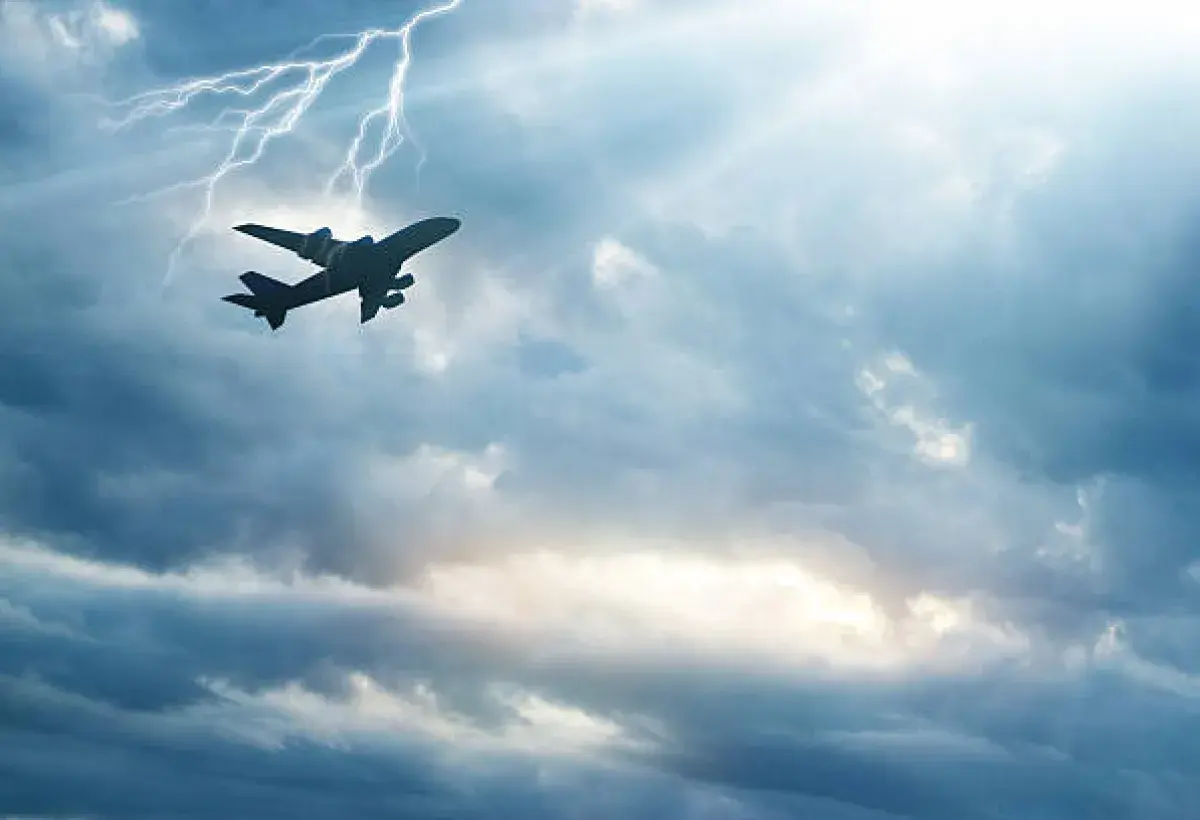
Passengers sometimes worry when they see dark clouds ahead and lightning outside the window. The sound of thunder on the ground can be intimidating so people assume lightning in the air is a major threat. However airplanes are built with a metal exterior that conducts electricity around the cabin instead of letting it inside. Engineers expect each aircraft to be hit by lightning roughly once per year and design for that reality.
A lightning strike usually attaches to one point on the aircraft and exits through another creating a harmless electrical path. Sensitive electronics are shielded and fuel systems are protected. When lightning does strike an aircraft there may be a brief flash or sound but passengers remain safe. Any marks left outside are checked by maintenance teams but rarely require major repairs.
This feature developed over decades of testing and accident review. Aviation scientists studied how electricity forces itself through metal frames and redesigned airplanes so current stays on the surface. The goal is always to protect the cabin and cockpit. Even radar and navigation equipment are insulated.
The next time lightning appears near a flight passengers can remember that the aircraft is one of the safest places to be during a storm. On the ground a strike can injure or kill. In the air the machine becomes a controlled pathway for energy. Innovative engineering turns a natural threat into a predictable event.
3. Round Windows Save Lives
Image
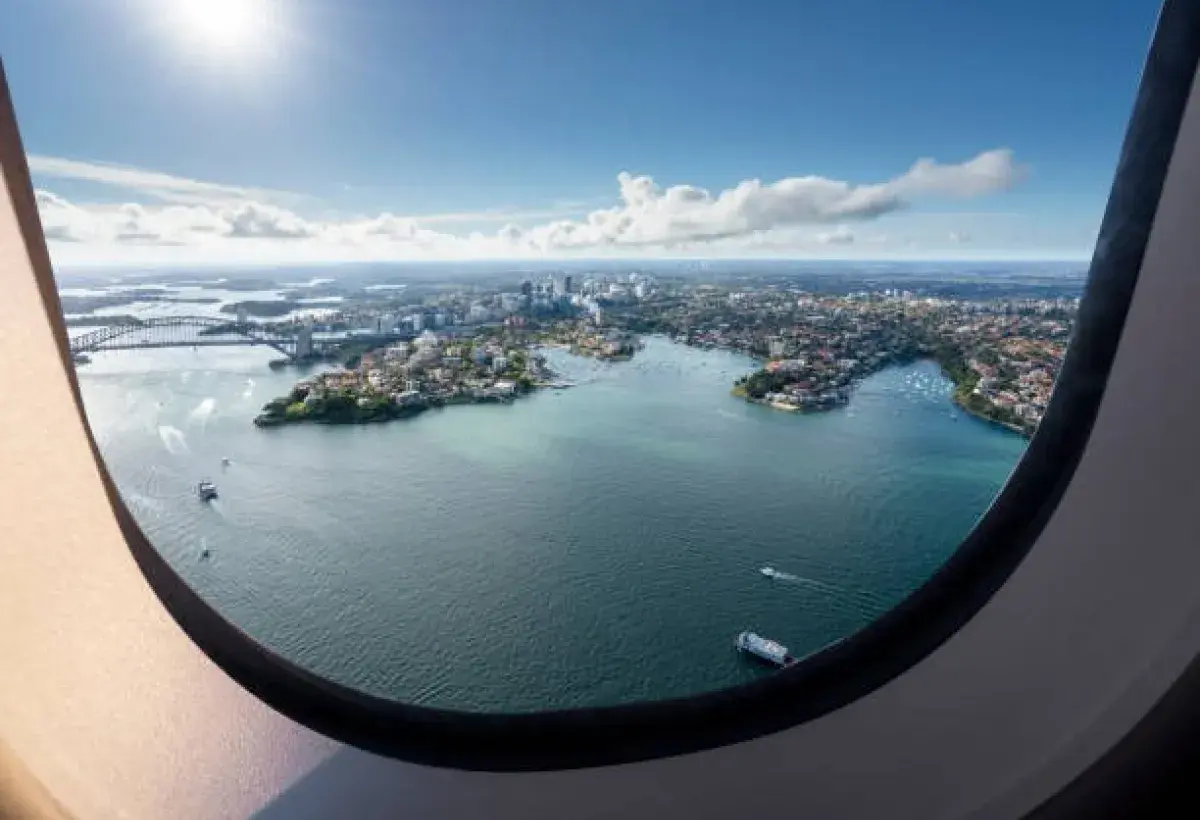
Early aviation attempted square shaped windows because aircraft cabins resembled buildings. However high altitude pressure stressed every corner and cracks formed that eventually caused catastrophic failures. Engineers realized that corners create stress points while curves distribute pressure more evenly.
The adoption of round windows transformed aviation safety. A circular frame eliminates intense pressure points because stress travels smoothly across the shape. This design also prevents small cracks from expanding rapidly across the fuselage. Round windows became the universal standard for every passenger aircraft.
Even the tiny hole near the bottom of each window has a purpose. It allows the outer pane to absorb most pressure while the inner pane handles cabin conditions. This equalization protects the window layers from breaking. Without that small feature the air pressure difference could become dangerous.
Passengers rarely think about window frames while staring at clouds or city lights below. Yet that simple circular shape has saved countless lives over decades. The solution did not come from guesswork but from investigation science and a commitment to safety.
4. Air Is Not as Fresh as You Think
Image
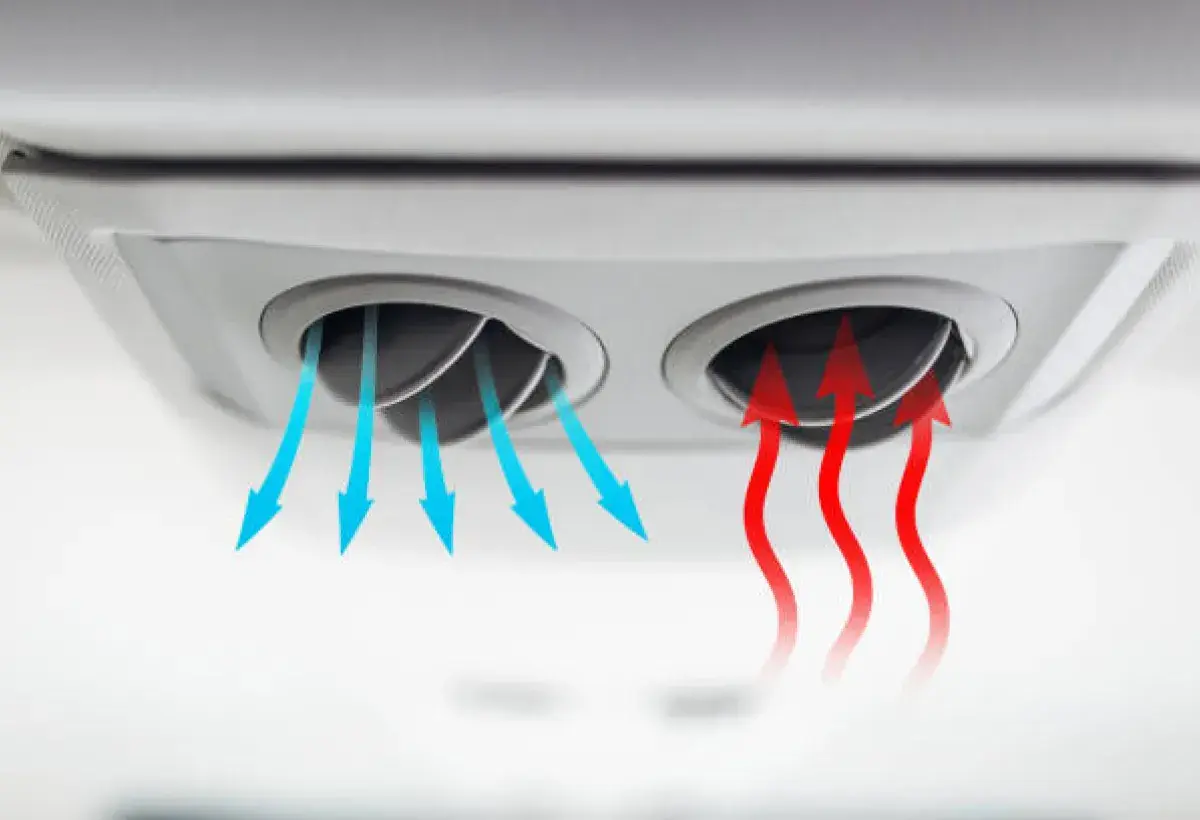
Many people assume cabin air is constantly pumped from outside but the truth is more balanced. Around half of the air in the cabin is recirculated and half comes from compressed air taken from outside the aircraft. Recirculation might sound unhealthy but aviation air systems are extremely advanced.
Outside air at cruising altitude is too thin and cold for human breathing so it is compressed heated and blended into the cabin. Meanwhile existing cabin air passes through filters that remove particles on a continuous cycle. The mixture keeps humidity low which reduces corrosion in the aircraft and prevents condensation that might damage electrical components.
Passengers sometimes believe that stale air increases illness. In truth illnesses spread mostly from surface contact and close personal interaction not simple air contact. The filtration systems used in modern aircraft are comparable to hospital grade environments. They remove bacteria viruses and micro particles at a rate difficult to achieve in buildings restaurants or public transportation.
Once travelers learn how air is handled in flight they often appreciate the balance between efficiency and health. It is not fresh mountain air and it is not stagnant. It is a mechanically prepared atmosphere designed for human survival and aircraft longevity.
5. Wings Can Flex Amazingly
Image
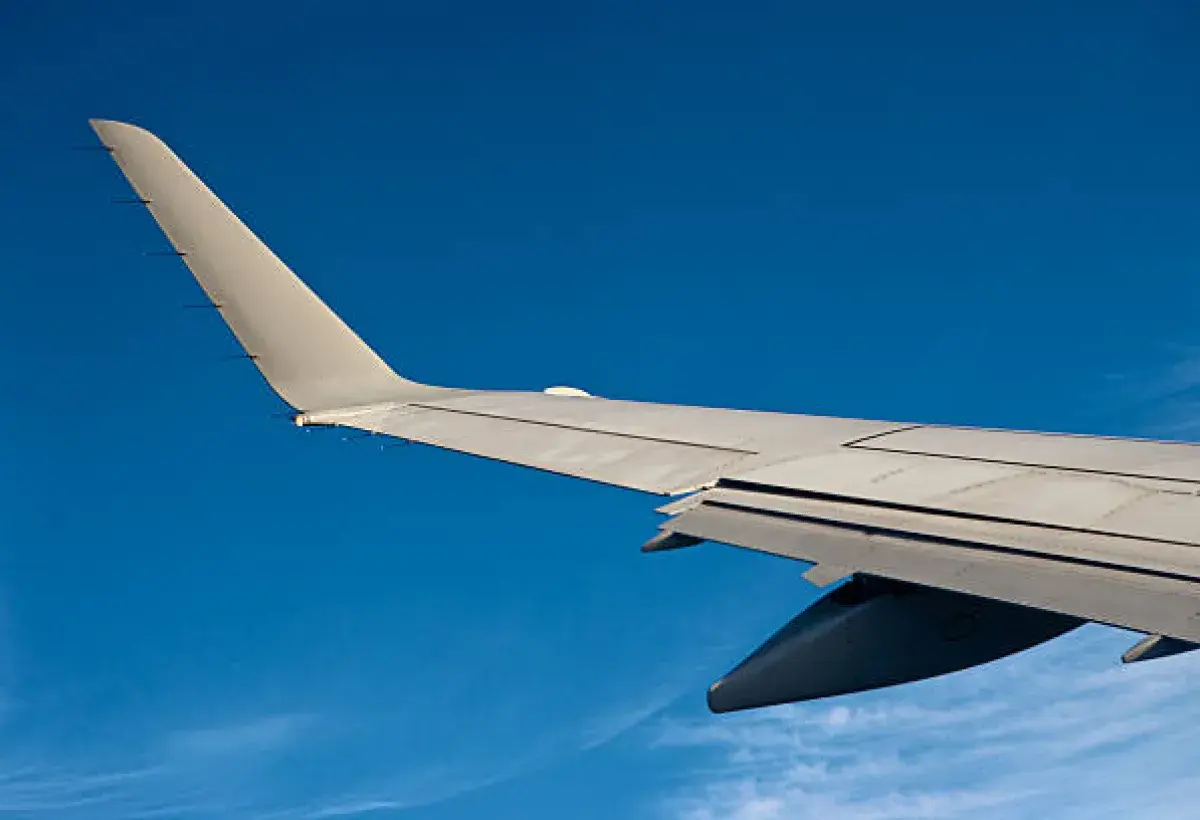
To the first time flyer the sight of a wing bending upward during turbulence can feel terrifying. Yet wing flexibility is intentional. Modern aircraft wings are constructed with composite materials aluminum and internal structures that allow controlled bending without fracture. Some wings may flex as high as twenty five feet upward depending on the aircraft.
Flex reduces fatigue in the metal and dissipates energy from strong winds. Instead of snapping the wing absorbs motion like a spring. Engineers test wings in laboratories by forcing them into extreme angles until materials approach breaking points. These stress tests ensure that actual flight conditions never come close to dangerous limits.
Flexibility also contributes to comfort. A rigid wing would pass every vibration into the fuselage making flights rough and unpleasant. By moving with air currents the aircraft stays smoother. Even the fuel stored inside the wings adds stability because liquid weight resists sudden shifts.
Next time a wing seems to wobble a traveler can relax. That motion is not a sign of danger but evidence of advanced structural science.
6. Fastest Commercial Plane
Image
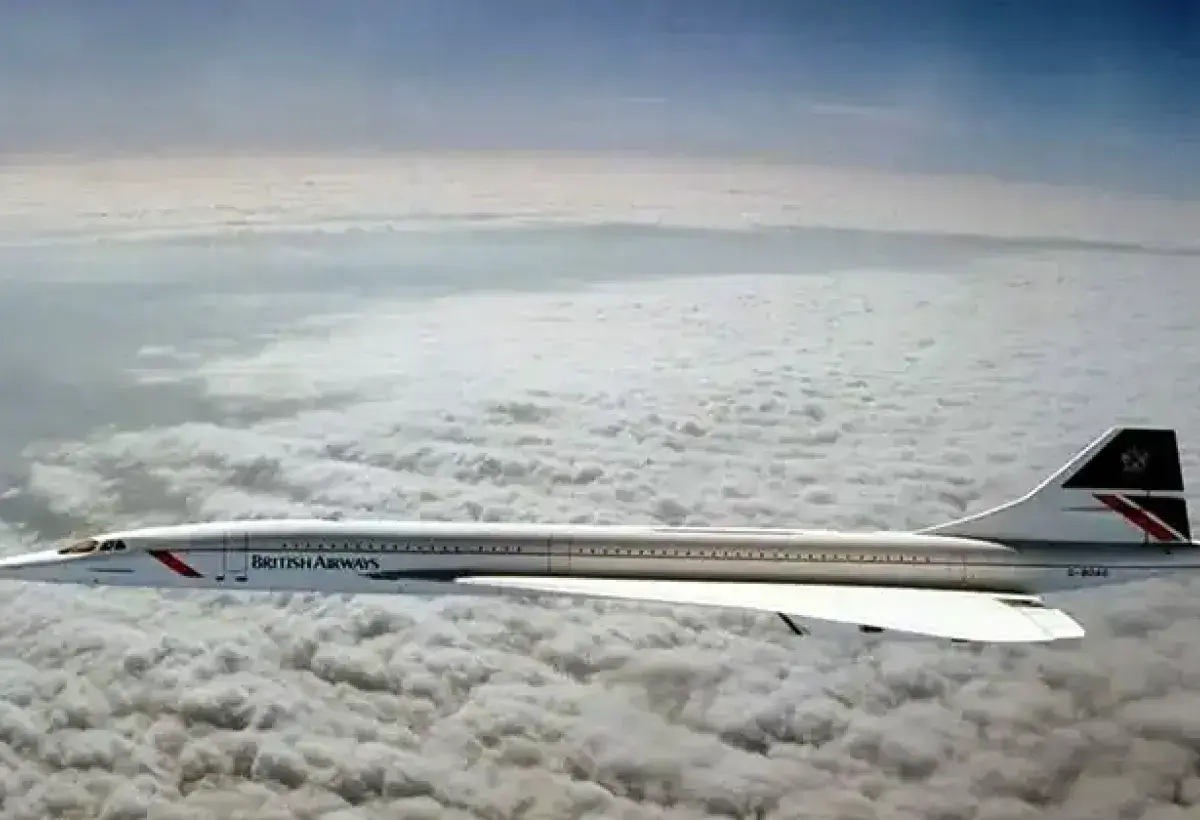
The Concorde remains a symbol of speed in commercial aviation. It crossed the Atlantic Ocean from New York to London in under three and a half hours which shattered expectations of long travel. Concorde cruised at speeds more than twice that of typical commercial aircraft and flew at altitudes rarely reached by other jets.
Passengers reported that the experience felt almost unreal. The cabin was narrow because the aircraft design focused on speed rather than spacious comfort. When Concorde reached cruising speed the cabin heated slightly from atmospheric friction. Drinks did not rattle because the ride was incredibly smooth at high altitude.
Despite its remarkable achievements Concorde required enormous fuel consumption and expensive maintenance. Ticket prices reflected that reality which meant only wealthy passengers could experience regular travel on it. Eventually rising costs and shifting priorities ended its commercial service.
Today aviation companies continue exploring supersonic travel ideas. Engineers study noise reduction fuel efficiency and safety improvements. The dream of rapid international flight has not vanished. Concorde proved that human transportation can break barriers when imagination and engineering unite.
7. Tiny Triangles on the Wall
Image
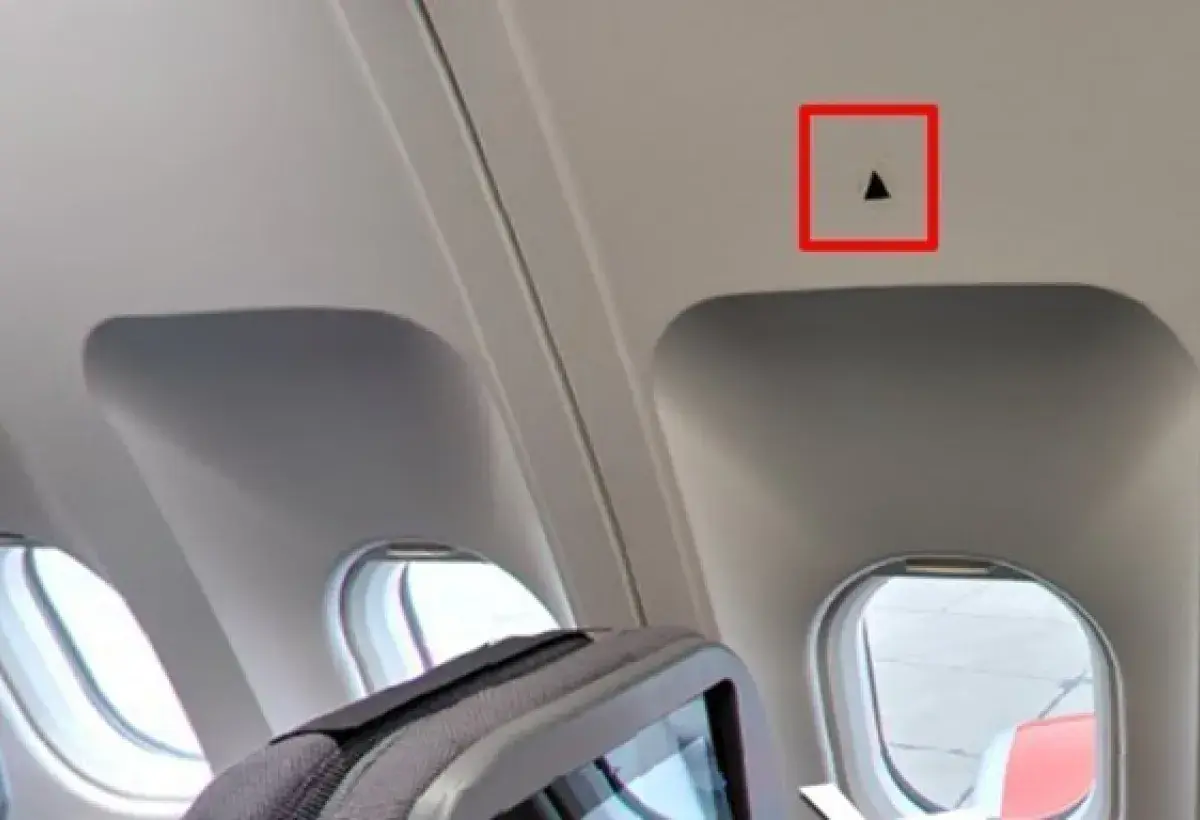
Passengers occasionally notice small black triangle stickers on the cabin walls near certain windows and wonder about their purpose. These triangles identify locations where the crew can look outside to align sight with the wings. Certain procedures require a fast visual check especially involving flaps and slats during takeoff or landing.
If the cabin crew needs to confirm icing or mechanical issues these triangles guide them to the window that provides the correct angle. Instead of guessing they move directly to the marker and view the situation quickly. On crowded flights every second counts when assessing a possible hazard.
These triangles are subtle because they are for internal operational guidance not for branding or entertainment. Most travelers never hear an explanation unless they ask a flight attendant directly. Yet this tiny piece of adhesive represents efficient procedure planning.
Once a passenger knows the secret meaning of the little black shape it becomes impossible to ignore. The next time a flight takes off the simple sticker becomes proof of thoughtful aviation design.
8. Why Cabin Lights Dim
Image
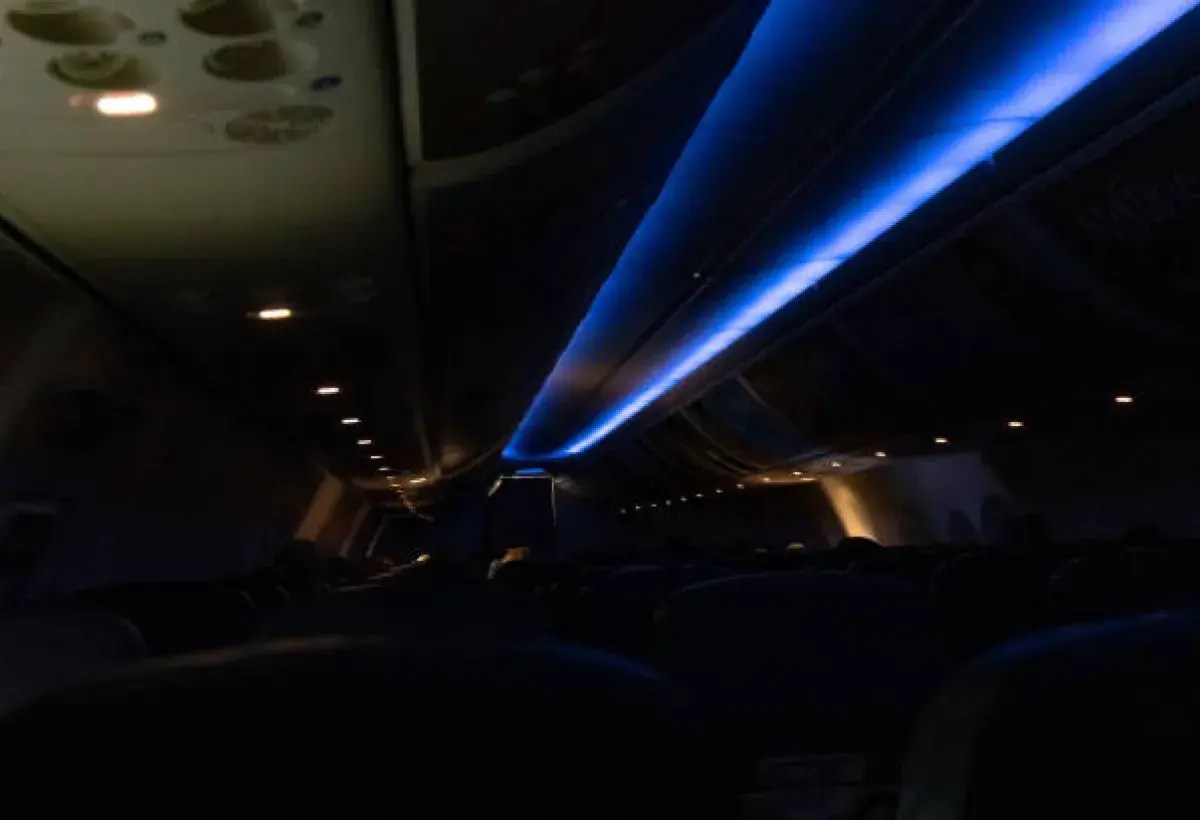
During takeoff and landing the cabin lights are intentionally dimmed. The goal is not romance presentation or relaxation. It is a safety protocol. If an emergency evacuation becomes necessary the passengers eyes must already be adjusted to lower light. Sudden shifts from bright cabin lighting to a dark emergency slide outside could slow reaction times.
Dim lighting also helps flight attendants view outside conditions through windows without reflection. They must be able to evaluate obstacles fire or debris. A brightly lit cabin creates glare that interferes with assessment.
Even floor lighting becomes visible once the cabin lights dim. Those illuminated strips guide passengers toward exits in smoke or darkness. The dimming step ensures that safety lighting stands out.
Most passengers never think about these subtle safety preparations. Aviation operates through layers of prevention rather than reliance on luck. Light becomes a tool for survival rather than decoration.
9. Brake Free Takeoffs
Image
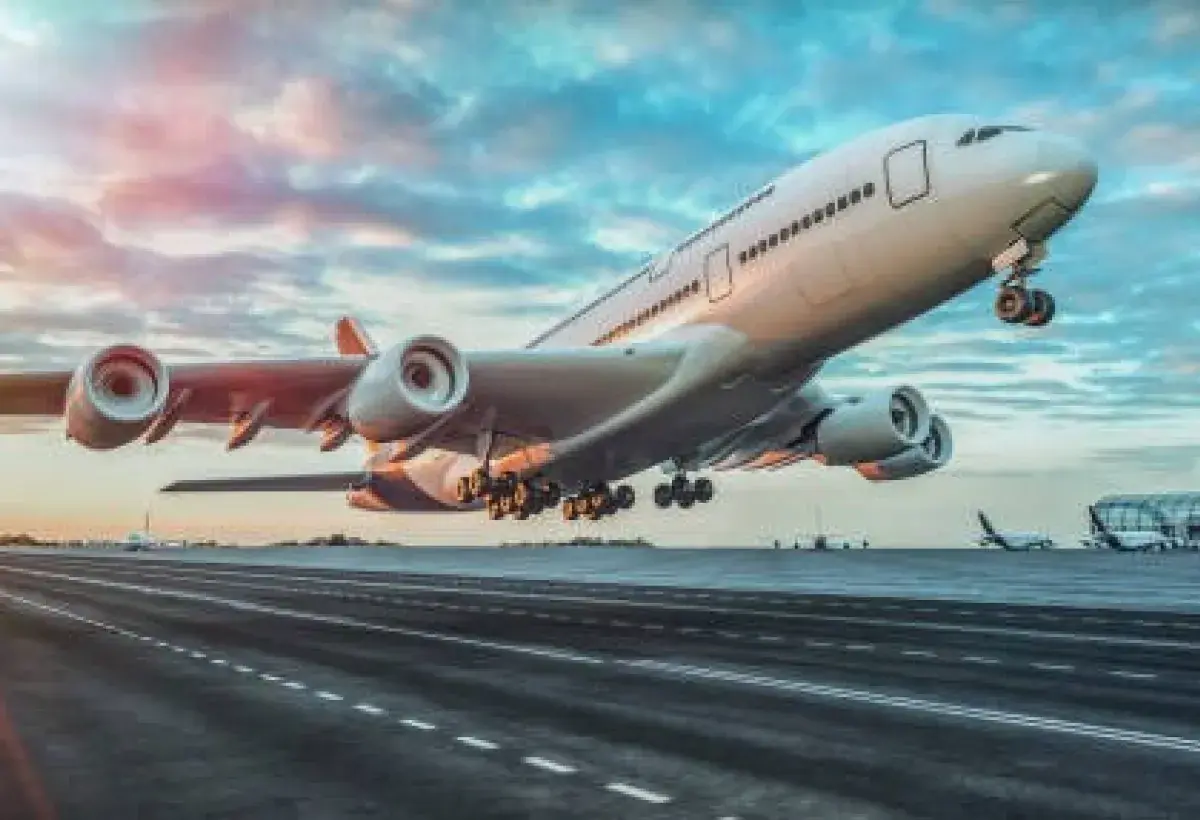
When a commercial jet begins its takeoff roll the engines supply all forward motion. The wheels do not need brakes to increase speed. Brakes are used mainly to stop and to control position during taxi. Once cleared for departure pilots push the thrust levels forward. Engines create tremendous momentum and the aircraft begins rolling.
Releasing brakes lets the aircraft accelerate faster and prevents unnecessary heat buildup in the braking systems. At high speeds brakes are not useful anyway because aerodynamic forces matter much more. Lift begins overcoming weight and the aircraft transitions into flight.
During rejected takeoff procedures pilots do rely on brakes but only in emergency decisions before reaching a critical speed. At that point they can safely halt the aircraft. After that speed they must continue because stopping becomes more dangerous than flying.
This process shows how trust in physics shapes aviation. Brakes stop. Engines launch. The wing takes over. Human hands guide each phase.
10. Planes Are Cleaner Than You Think
Image
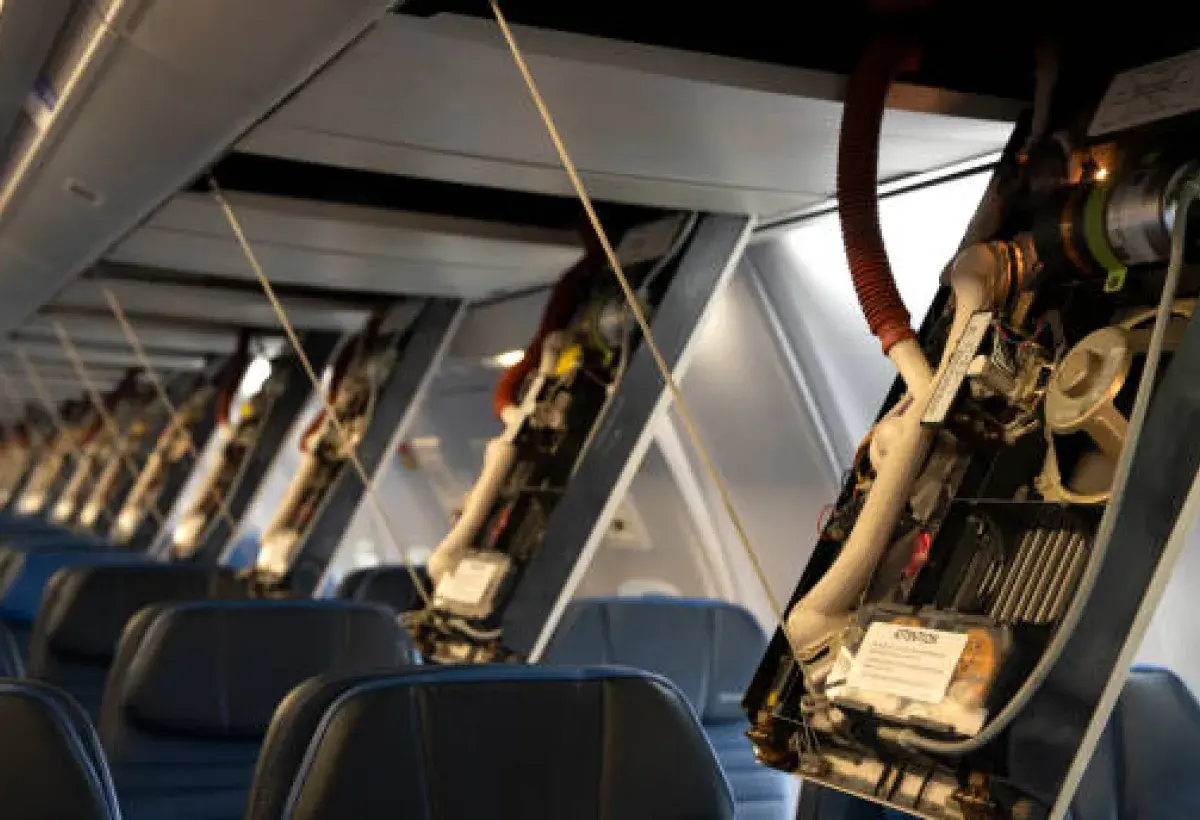
Many travelers assume airplanes are germ filled environments. They imagine trapped air circulating illness throughout the cabin. In truth modern jets use HEPA filtration systems that remove almost all airborne bacteria and viruses. Air inside the cabin is exchanged completely every few minutes which is far more frequent than most office buildings or shopping centers.
These filters function like medical devices and trap particles at microscopic levels. Fresh air from outside blends with filtered air to maintain pressure and cleanliness. Cabin air moves vertically rather than horizontally which reduces the spread of particles between rows. Most contamination in air travel results from touching tray tables armrests or restroom surfaces rather than breathing circulated air.
The idea that airplanes are crawling with airborne disease comes from lack of understanding. Aviation systems are designed to protect health while balancing fuel efficiency. Engineers continuously refine airflow patterns and materials.
If passengers wash hands avoid touching their faces and allow the filtration system to work they experience a very clean controlled environment. The sky may appear chaotic but inside the cabin there is strict order.
Airplanes are far more than machines that carry people from one place to another. They are concentrated examples of mathematics physics biology aerodynamics material engineering and practical psychology. Every panel every chair every hinge and every light switch is the result of many decisions. Engineers combine safety data with creative invention. Regulators demand compliance. Pilots and crew provide human judgment that technology cannot replace.
The facts in this list show how aviation solves problems with elegance. Secret rest areas protect human performance. Circular windows protect structural integrity. Lightning becomes harmless. Bending wings embrace stress. Air flows through sophisticated cleaning filters. Nothing is left to chance because the risks of mistake are too high.
Travelers may sit with a movie or meal and feel as if flight is simple. In reality they participate in one of humanitys greatest achievements. The sky becomes navigable. Continents shrink. Global culture becomes accessible. Business and tourism accelerate. People discover new relationships and opportunities.
The next time someone boards a flight they might pause for a small moment of respect. Not fear. Not anxiety. Simply appreciation. They enter an environment that merges machinery and imagination. The world draws closer because airplanes exist. And all those hidden details make the journey safer than ever.