

Lettuce may seem simple at first glance, but its story stretches across thousands of years and continents. While it often appears as the base of a salad or the crunch inside a sandwich, lettuce carries a rich history of cultural symbolism, agricultural innovation, and scientific curiosity. Many people think of lettuce as a modern convenience food because of its presence in supermarkets, fast food chains, and health conscious recipes. However, lettuce began its journey long before it entered commercial farming. Its path includes ancient civilizations, mythology, royalty, global trade routes, and even space missions. This makes lettuce far more fascinating than its quiet presence on the dinner table suggests.
Across cultures, lettuce has served purposes beyond nourishment. In some ancient societies, it appeared not only on plates but also in religious rituals and artistic depictions. It was connected to ideas of fertility, calmness, prosperity, and healing. Over time, lettuce evolved through selective cultivation, leading to a remarkable range of varieties that differ in shape, texture, color, and flavor. Today, lettuce is grown in countless climates, from small home gardens to advanced hydroponic farms and international space research facilities. Its adaptability illustrates how a seemingly fragile plant can withstand both the challenges of ancient agriculture and the extreme conditions of outer space.
Modern science continues exploring lettuce because of its quick growth cycle, lightweight structure, and nutritional value. Although it is mostly water, lettuce contains essential vitamins and minerals that contribute to a balanced diet. It offers hydration, dietary fiber, and a refreshing texture that complements many meals. People enjoy lettuce raw, cooked, blended, and even fermented in various global cuisines. Lettuce has become a universal food, accessible and loved across culinary traditions.
Each fact reveals a different part of lettuce’s identity, from its sacred role in ancient Egypt to its ability to grow aboard the International Space Station. Whether you are a salad lover, a gardening enthusiast, a trivia fan, or simply curious, these expanded insights will give you a deeper appreciation for one of the world’s most familiar vegetables.
1. Lettuce Dates Back to Ancient Egypt
Image
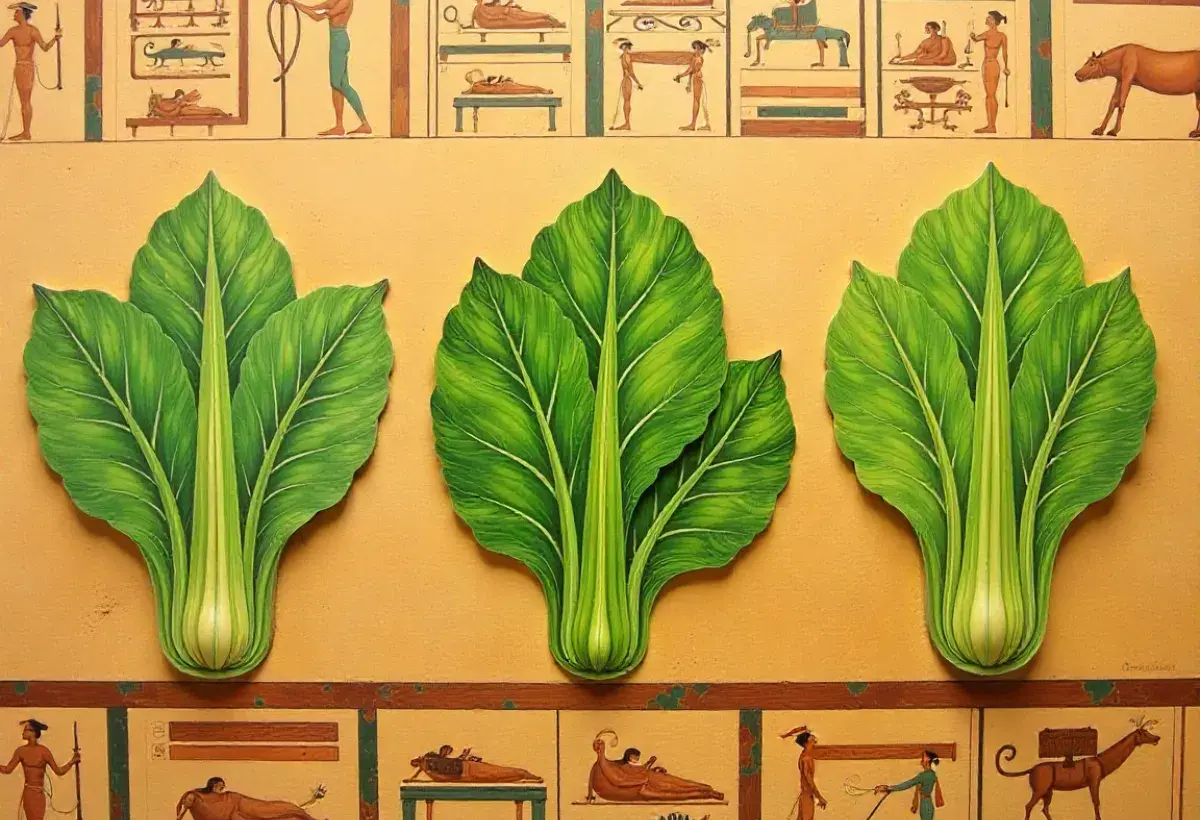
Lettuce holds one of the longest documented histories among leafy vegetables, reaching back more than four thousand five hundred years in ancient Egypt. Archaeological findings reveal that Egyptians cultivated early forms of lettuce not only for consumption but also for religious and symbolic purposes. Unlike the modern varieties we enjoy today, early Egyptian lettuce was taller, bitter, and primarily valued for its oily seeds. These seeds produced a rich oil used in cooking, medicine, and rituals. The plant was intricately connected to Min, the Egyptian god associated with fertility and regeneration. Depictions of lettuce can be found in tomb paintings, temple carvings, and papyrus illustrations, demonstrating that lettuce played a meaningful role in daily life and ceremonial practice.
The symbolic significance of lettuce derived from its upright growth and prolific seeding ability, which ancient Egyptians viewed as symbols of vitality and life force. As the plant became more integrated into their culture, Egyptians began cultivating lettuce for its leaves, gradually developing varieties with softer textures and milder flavors. This process helped shape the future of lettuce cultivation and eventually influenced agricultural practices in neighboring regions.
Through trade and cultural exchange, lettuce traveled from Egypt to Greece, where its soothing qualities gained appreciation. Greek physicians wrote about lettuce’s supposed medicinal benefits, especially its potential to calm the digestive system. From Greece, lettuce moved into Roman culture, where it became a staple food. Romans embraced lettuce with great enthusiasm, breeding diverse varieties and expanding its culinary uses. They also played a major role in introducing lettuce to broader parts of Europe through trade routes and agricultural expansion.
By the Middle Ages, lettuce was firmly established in European diets and gardens. New cultivars continued to emerge, setting the stage for the rich diversity we see today. The journey from ancient Egypt to modern salad bowls reflects how a humble leafy plant became a global agricultural icon through cultural significance, trade, and continuous cultivation.
2. The Name Lettuce Comes From Latin
Image
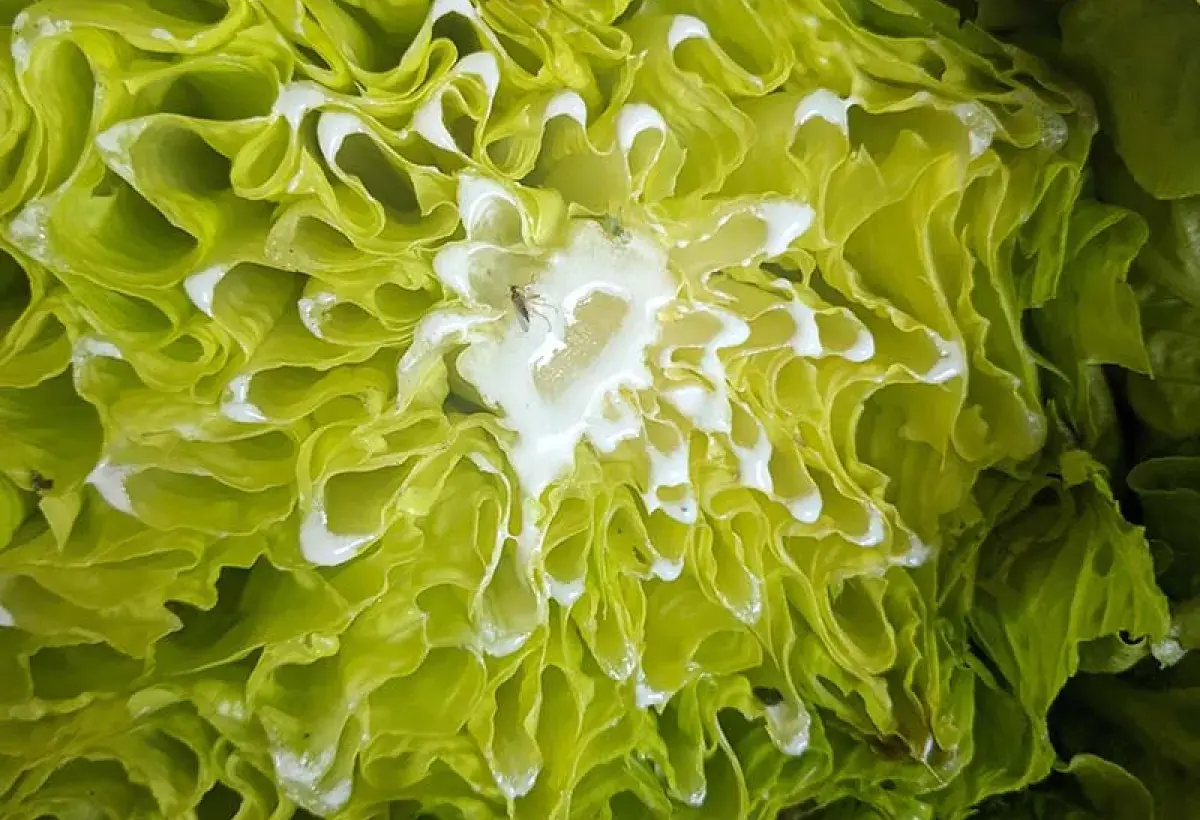
The name lettuce originates from the Latin word lactuca, which itself comes from lac, meaning milk. This name describes the milky white sap that appears when a lettuce stem is broken or cut. The sap is a natural part of the plant’s structure and plays a role in its defense system. Although the sap is harmless to humans, it has a slightly bitter taste that becomes more pronounced in older or less fresh leaves.
In ancient times, this sap held great significance. Herbalists, physicians, and scholars believed it possessed medicinal qualities. Early Greek and Roman texts describe lettuce as a calming food that could aid digestion and encourage restful sleep. The sap was thought to have mild sedative properties, leading to its use in natural remedies. Some historical accounts mention that the sap was collected, dried, and used in early forms of herbal medicine.
The linguistic history of lettuce shows how the plant’s physical characteristics influenced cultural interpretation. The milky sap was symbolic of nourishment, healing, and natural purity. As the plant spread across Europe, the Latin name lactuca evolved into various forms, eventually becoming lettuce in English. This transformation occurred alongside the plant’s adaptation into different regional cuisines and agricultural systems.
Even today, the sap remains visible when handling fresh lettuce, especially near the base of the stem. This serves as a reminder of the plant’s ancient linguistic and medicinal legacy. While modern lettuce varieties contain lower levels of the compounds responsible for the sap’s effects, the historical beliefs surrounding it continue to influence herbal traditions. The name lettuce reflects both botanical identity and the cultural perceptions that shaped its early history, connecting modern consumers to ancient knowledge each time a head of lettuce is sliced.
3. Lettuce Was Once Considered a Sleep Aid
Image

In ancient Greece and Rome, lettuce was strongly associated with rest and relaxation. Historical writings recount how certain varieties, particularly wild lettuce, contained compounds that acted as gentle natural relaxants. These compounds, found in the milky sap, led people to believe that lettuce possessed calming properties capable of preparing the body for sleep. Greek physicians often recommended lettuce as part of evening meals to promote tranquility after a long day.
Roman culture expanded this belief even further. The Roman Emperor Domitian famously served lettuce at the conclusion of banquets to encourage guests to settle down rather than continue celebrating late into the night. This practice was based on the idea that lettuce helped ease tension and quiet the mind. The plant became so associated with relaxation that it developed a reputation as a natural sleep remedy in various forms of herbal medicine.
Wild lettuce, known scientifically as Lactuca virosa, contains higher concentrations of the compounds believed to contribute to sedative effects. Although wild lettuce should not be confused with the varieties sold in grocery stores, it played a major role in shaping historical views of the entire lettuce family. Traditional healers used wild lettuce extracts in tinctures, teas, and ointments intended to relieve stress and discomfort. These remedies were passed down for generations and continue to appear in some herbal practices.
Although modern lettuce contains much lower concentrations of these compounds, the plant still carries a gentle association with calmness. People often describe salads as refreshing and soothing, especially at the end of a busy day. This perception may be influenced by lettuce’s clean flavor, hydrating qualities, and long standing place in relaxing meals. The historical connection between lettuce and rest reveals how deeply cultural beliefs can shape the meaning of a simple vegetable. Even today, lettuce carries a subtle sense of tranquility that reflects its ancient legacy as a nighttime companion.
4. There Are Hundreds of Lettuce Varieties
Image
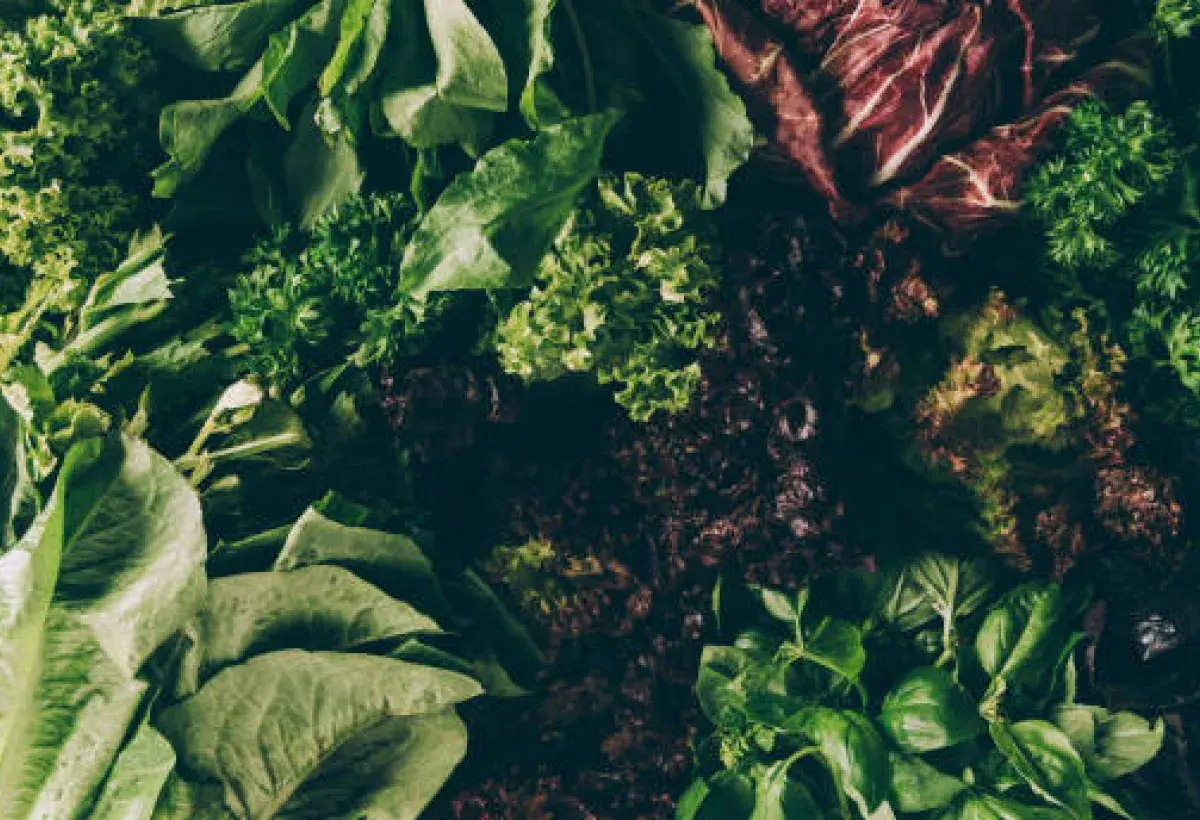
Many people recognize only a few common types of lettuce such as romaine, iceberg, butterhead, or loose leaf. However, the world of lettuce is far more diverse. There are hundreds of cultivars grown across different climates, each offering distinct characteristics. Lettuce varieties differ in color, shape, firmness, sweetness, and nutritional content. Some leaves are deep purple, others are speckled, while some varieties grow in compact heads and others form loose, fragrant clusters.
Lettuce can be broadly categorized into four main groups. Crisphead lettuces, such as iceberg, grow in tight round heads with crunchy leaves. Romaine lettuces grow upright and offer elongated leaves with strong texture and rich flavor. Loose leaf lettuces grow in open clusters with soft leaves that vary in visual appeal and taste. Butterhead lettuces, including bibb and Boston varieties, produce tender leaves with a delicate buttery texture that is popular in gourmet dishes.
Farmers and gardeners continually experiment with new cultivars designed to meet different environmental conditions. Some varieties are grown for heat tolerance, allowing them to flourish in warm climates where other lettuces may wilt or turn bitter. Others are bred for pest resistance, enhanced coloration, or improved sweetness. This ongoing innovation reflects the global interest in lettuce as both a staple crop and a specialty ingredient.
Consumers today have more access to diverse lettuce than at any point in history. Farmers’ markets, grocery stores, hydroponic farms, and home gardens provide opportunities to explore uncommon varieties such as oak leaf lettuce, speckled trout lettuce, red butterhead, or lolla rossa. Each variety offers unique culinary potential, from decorative garnishes to robust salad bases.
The wide range of lettuce types highlights the plant’s versatility. Whether someone desires a crisp bite, a tender leaf, or a visually striking ingredient, there is a lettuce variety suited for nearly every culinary need. This diversity is a testament to centuries of cultivation, curiosity, and agricultural craftsmanship.
5. Iceberg Lettuce Dominated the United States for Decades
Image
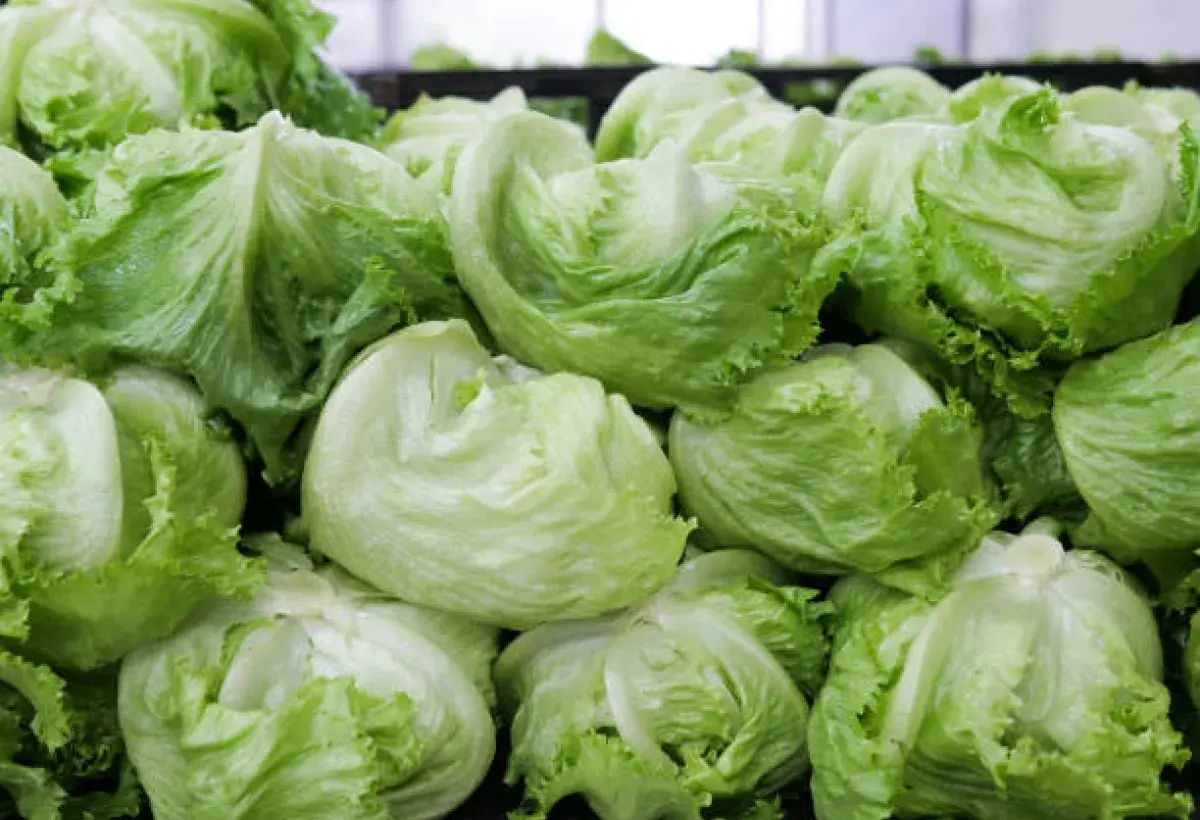
Iceberg lettuce became one of the most recognizable vegetables in the United States during the twentieth century. Its rise to popularity was shaped by practical advantages rather than culinary complexity. Iceberg lettuce contains a high water content, giving it a crisp and refreshing texture that appealed to American tastes. However, the primary reason for its dominance was its durability. Iceberg lettuce travels exceptionally well, thanks to its tightly packed structure that protects the leaves during transport.
Before modern refrigeration, transporting produce across long distances was challenging. Many leafy greens spoiled quickly, but iceberg lettuce could survive long journeys by train and later by truck. Its resilience allowed it to become widely available across the country, reaching diners, restaurants, and grocery stores in large quantities. This accessibility helped make salads a common part of American meals, influencing nutritional habits nationwide.
Throughout much of the twentieth century, iceberg lettuce was a staple in burgers, sandwiches, and salad bars. Its mild flavor complemented many dishes without overpowering other ingredients. As a result, iceberg became the default lettuce for household meals and commercial kitchens. Marketing campaigns also emphasized its crispness and refreshing quality, further increasing its popularity.
In recent decades, consumers have embraced a wider range of lettuces with deeper flavors and higher nutrient density. Romaine, butterhead, and mixed greens have gained prominence, especially among health conscious shoppers. Nonetheless, iceberg lettuce continues to hold its own as a nostalgic favorite with a satisfying crunch. Its role in American food history remains significant, as it helped shape how vegetables were distributed, marketed, and enjoyed across the country.
Iceberg lettuce stands as a reminder that food trends often depend not only on flavor but also on agricultural logistics, transportation innovation, and cultural preferences. It remains a beloved classic with a legacy that continues to influence salad culture today.
6. Lettuce Can Grow in Space
Image

In 2015, NASA achieved a historic milestone when astronauts aboard the International Space Station successfully grew and consumed red romaine lettuce. This event was part of NASA’s Veggie project, a research initiative designed to study plant growth in microgravity. Fresh produce is essential for long term space missions because it provides vitamins, minerals, hydration, and psychological comfort. Eating fresh greens can improve morale, especially during missions that last months or even years.
Lettuce was chosen for this experiment for several reasons. It grows quickly, requires relatively few resources, and can be eaten raw without complex preparation. Its lightweight nature makes it suitable for space transport, and its structure adapts well to controlled environments. Scientists developed specialized LED lighting and root containment systems to help the plants grow successfully in microgravity.
The successful harvest marked a new chapter in space agriculture. Astronauts described the experience as both exciting and meaningful, emphasizing the emotional and nutritional value of growing food so far from Earth. The lettuce grown on the space station was tested for safety before consumption and was found to be completely safe and nutritious.
This achievement helps pave the way for future missions, including potential journeys to Mars or long term habitation on the Moon. Growing fresh food in space reduces reliance on packaged supplies and increases sustainability. Lettuce is now one of several crops being tested, alongside radishes, chili peppers, and dwarf tomatoes.
Space grown lettuce demonstrates the resilience of plants and the creativity of scientists working to support human exploration. It also highlights how a humble leafy vegetable can play a significant role in advancing space science and improving astronaut wellbeing.
7. China Produces the Most Lettuce in the World
Image

China is the global leader in lettuce production, responsible for more than half of the world’s supply. Lettuce is widely consumed across Chinese cuisine, not only in salads but also in cooked dishes. In China, lettuce is frequently stir fried, steamed, or added to soups, offering a mild and refreshing complement to bolder flavors. The vegetable’s adaptability has made it a staple ingredient in both traditional and modern recipes.
Lettuce also carries cultural significance. In Cantonese, the word for lettuce sounds similar to a phrase that means growing wealth. This association makes lettuce a popular food during Lunar New Year celebrations, symbolizing prosperity and good fortune. Many families prepare lettuce wraps or lettuce based dishes as part of holiday feasts.
China’s climate supports large scale lettuce cultivation, with farms ranging from small family plots to expansive agricultural fields. Advances in greenhouse technology, hydroponics, and climate controlled farming have contributed to the country’s ability to produce lettuce year round. This consistency supports both domestic consumption and export markets.
The importance of lettuce in Chinese cuisine extends beyond nutrition. It also reflects cultural values related to abundance, success, and harmony. The vegetable appears in celebratory meals, banquet dishes, and even symbolic offerings. Its mild flavor allows it to pair seamlessly with sauces, spices, and proteins commonly used in Chinese cooking.
China’s leadership in lettuce production showcases the global influence of a simple vegetable that has become integral to culinary traditions, agriculture, and cultural symbolism. The combination of demand, climate, and cultural appreciation helps maintain China’s position as the world’s largest producer of lettuce.
8. Lettuce Contains More Water Than You Think
Image

Lettuce is composed of approximately ninety five percent water, making it one of the most hydrating vegetables available. This high water content contributes to its crisp texture and refreshing taste. It also explains why lettuce is low in calories while offering a satisfying volume in meals. The hydrating nature of lettuce makes it an ideal food for warm weather, helping the body maintain fluid balance during hot seasons.
The high moisture level also affects the shelf life of lettuce. While firm varieties like iceberg store well, more delicate lettuces such as butterhead wilt quickly once removed from their growing environment. Proper storage techniques, such as refrigeration and minimal handling, help preserve freshness. Storing lettuce in breathable containers or wrapping it in slightly damp cloth can extend its usable lifespan.
Despite its high water content, lettuce still contributes essential nutrients. It contains vitamins A and K, small amounts of vitamin C, and minerals such as folate and potassium. These nutrients support eye health, bone strength, immune function, and hydration. Lettuce also provides dietary fiber, which aids digestion and promotes satiety.
Lettuce’s water rich nature makes it versatile in culinary use. It can lighten heavier dishes, add moisture to wraps and sandwiches, and provide a refreshing contrast to richer ingredients. Many chefs use lettuce bowls as edible serving vessels, pairing crunchy leaves with flavorful fillings.
The hydrating quality of lettuce reflects its natural adaptation to cooler climates and moist soil. Its crispness is a result of its ability to retain water within its cellular structure. This characteristic helps make lettuce a popular choice for people seeking light, refreshing, and low calorie foods that still deliver nutritional value.
9. Lettuce Has Made Its Mark in Pop Culture
Image

Although lettuce may not seem like a natural symbol of entertainment, it has made memorable appearances in pop culture over the years. Lettuce has been featured in cartoons, comedy sketches, advertising campaigns, and even musical references. This presence often plays on its reputation as a simple and widely recognized food, making it a versatile prop for humor, symbolism, or commentary.
In the nineteen eighties, a brief weight loss trend called the lettuce diet gained attention. Although not nutritionally sustainable, it became a talking point in magazines, television shows, and lifestyle discussions. The idea of eating mostly lettuce was appealing to some because of its low calorie content, but it also became a source of humor due to its impracticality.
Lettuce also holds symbolic meaning in cultural depictions. It can represent health, cleanliness, and freshness, especially in advertising aimed at promoting natural or wholesome products. Conversely, it can symbolize blandness or predictability, making it a playful target in comedic settings. Animated shows occasionally use lettuce as a prop to exaggerate characters’ eating habits or to humorously illustrate dietary choices.
In music, lettuce has inspired band names such as the funk group called Lettuce. Their name adds a quirky and memorable touch that reflects their energetic and playful musical style. Lettuce also appears in song lyrics, creative writing, and internet memes, often adding a lighthearted tone to otherwise serious subjects.
The recurring presence of lettuce in popular culture demonstrates how everyday foods gain cultural significance beyond their culinary roles. Lettuce is simple, recognizable, and visually distinct, making it a convenient symbol for artists and comedians. Its pop culture legacy shows that even the most ordinary vegetables can become surprisingly influential.
10. Wild Lettuce Has Medicinal Uses
Image
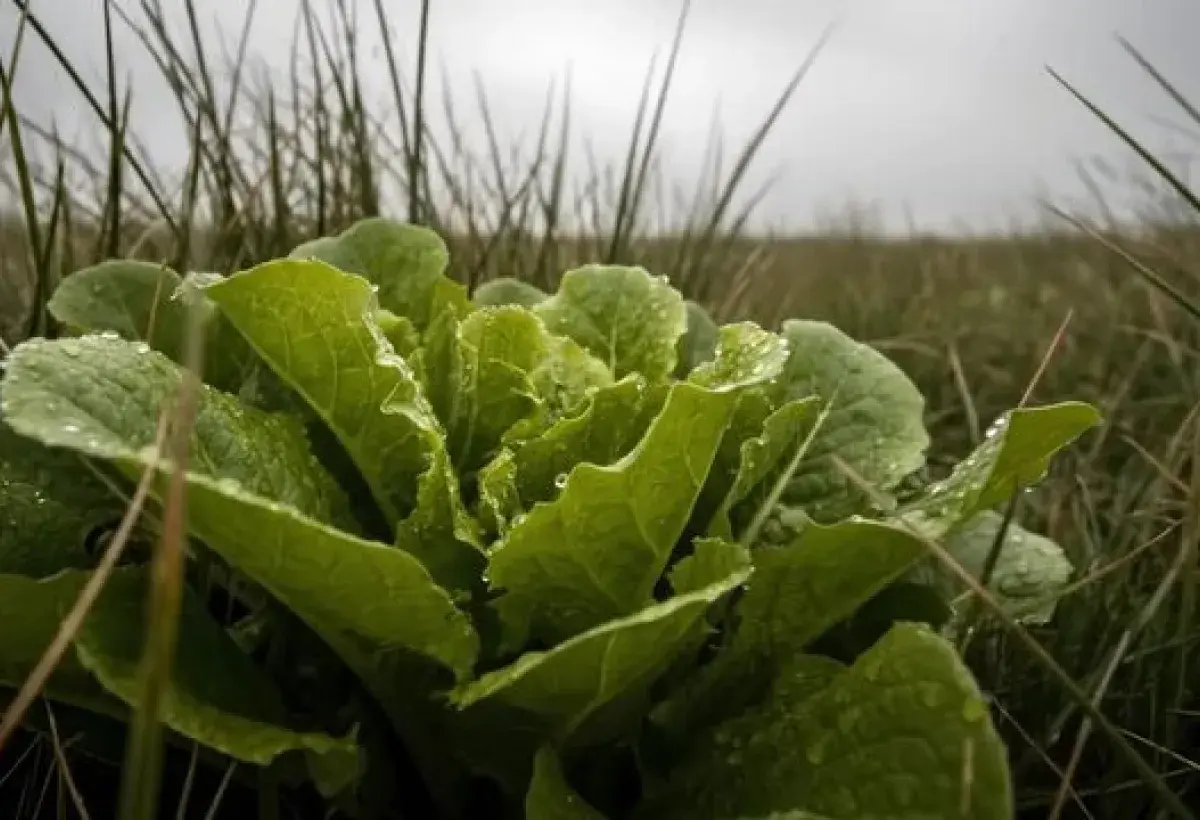
Wild lettuce, scientifically known as Lactuca virosa, is a distant relative of the lettuce varieties commonly found in stores. This plant has been used for centuries in traditional herbal medicine, often referred to as lettuce opium due to its mildly calming effects. Although it contains no real opiates, wild lettuce produces a stronger milky sap than cultivated varieties. This sap contains natural compounds that were believed to support relaxation and ease discomfort.
Historical records describe the use of wild lettuce in teas, tinctures, and poultices. It was sometimes recommended for coughs, headaches, and mild insomnia. In nineteenth century Europe, wild lettuce extracts appeared in herbal manuals and early pharmacological references. The plant’s association with relaxation persisted across folk traditions and influenced later herbal practices.
Modern interest in wild lettuce continues in some herbal communities. However, the plant is far less common in mainstream healthcare because scientific research on its effects remains limited. Its natural compounds can vary widely in strength depending on the growing conditions and preparation method. For this reason, it is important for people to approach wild lettuce with caution and seek reliable information before attempting to use it medicinally.
Wild lettuce differs significantly from the crisp and tender leaves used in salads. Its appearance is more rugged, with taller stalks and more pronounced bitterness. Despite these differences, it shares an ancient lineage with cultivated lettuce. Its historical use highlights the wide range of roles the lettuce family has played across cultures, extending far beyond culinary use.
The story of wild lettuce illustrates how traditional knowledge can shape the understanding of plants. It reveals the diverse potential found within a single plant family and demonstrates how ancient beliefs can influence modern curiosity.
Lettuce has earned a place in kitchens around the world, but its story goes far beyond the salad bowl. As this collection of facts shows, lettuce carries a fascinating legacy that spans continents, civilizations, and even outer space. From its sacred role in ancient Egypt to its symbolic meaning in Chinese culture, lettuce has influenced history in ways most people never imagine. Its evolution led to hundreds of varieties, each uniquely adapted to different climates, culinary traditions, and agricultural practices.
Lettuce’s modern journey continues in innovative directions. It is grown in high tech hydroponic farms, research laboratories, and the International Space Station. Its hydrating nature and nutrient content make it popular among health conscious consumers. Its appearance in pop culture highlights the vegetable’s lasting presence in the public imagination. Lettuce may seem simple, but its cultural depth, agricultural importance, and scientific value reveal a surprisingly rich identity.
Understanding the origins and significance of everyday foods deepens appreciation for the meals we enjoy. Lettuce is more than an ingredient. It is a symbol of history, growth, adaptation, and discovery. By exploring its past and present, we gain a greater connection to the natural world and the traditions that shaped global cuisine. Whether enjoyed raw, cooked, or even grown in space, lettuce remains a remarkable part of the human experience.