

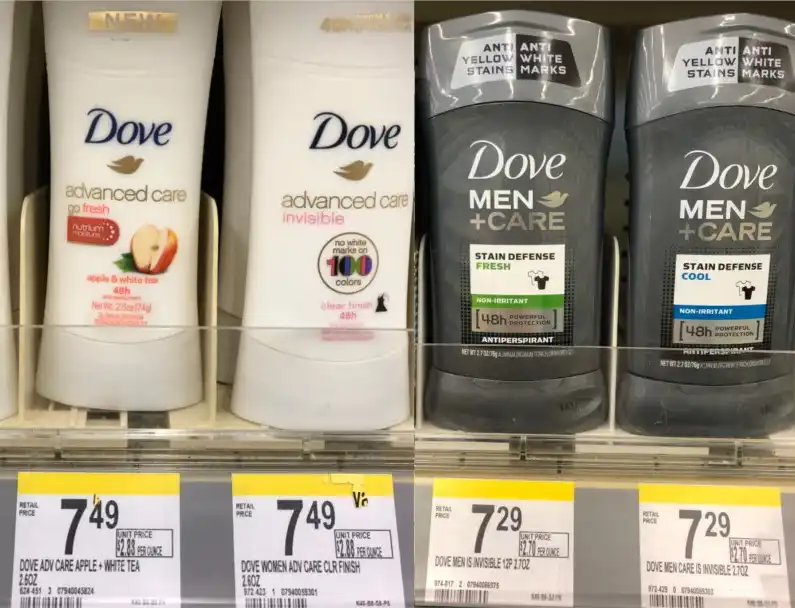
Walk through any major store in the United States and compare similar products marketed to men and women. The difference is often subtle in appearance but significant at the register. Razors, deodorants, shampoos, clothing, personal care items, and even basic services are frequently priced higher when they are marketed toward women. This pattern has become widely known as the gender pricing gap, though many consumers only notice it after years of paying more without questioning why.
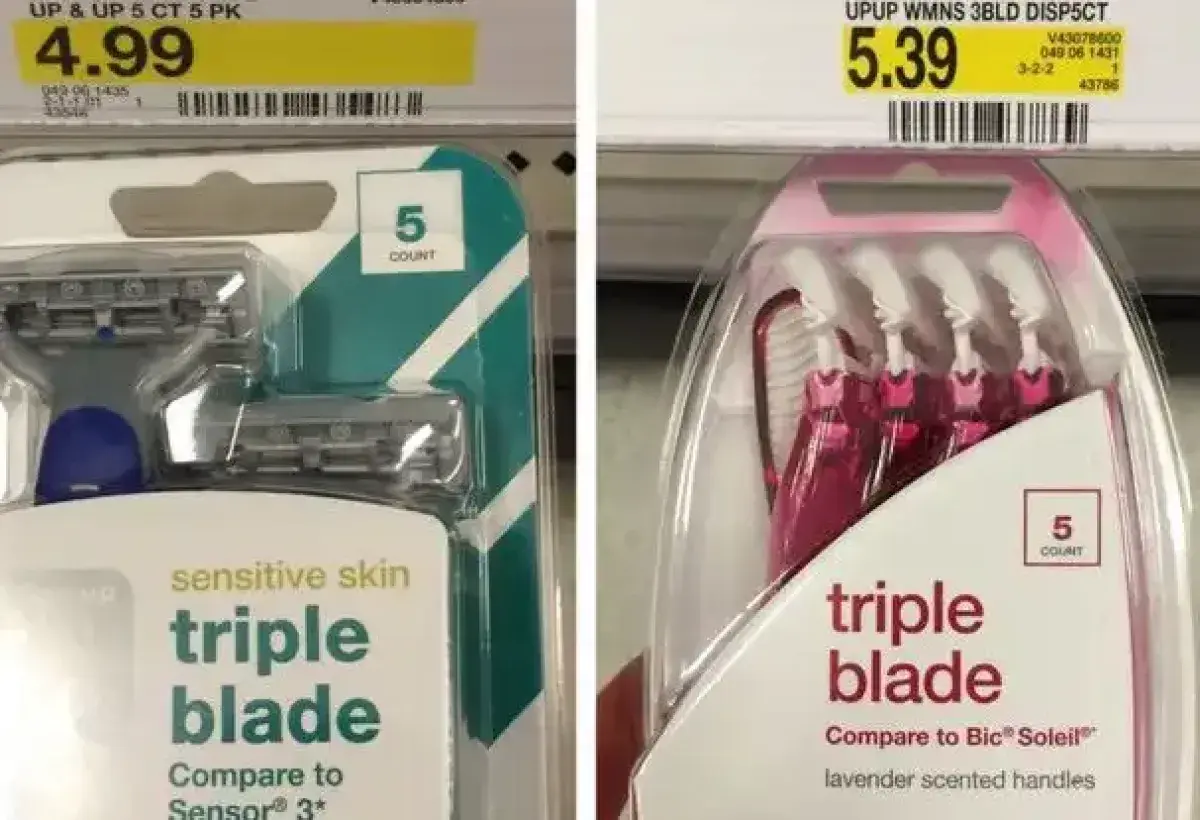
The issue is not limited to luxury goods or premium brands. Everyday essentials show consistent price differences even when the ingredients, materials, or functions are nearly identical. A pink razor with fewer blades can cost more than a blue razor with added features. A smaller bottle of lotion labeled for women can be priced higher than a larger bottle designed for men. These pricing patterns raise questions about fairness, transparency, and consumer awareness.
Companies often justify the price differences by pointing to research and development, packaging design, fragrance formulation, or marketing expenses. However, consumer advocates and economists argue that these explanations do not fully account for the widespread and persistent price gap. In many cases, the production costs are nearly the same, while the retail price is adjusted based on perceived willingness to pay rather than actual value.
Cultural expectations also play a role. Women are often expected to maintain certain beauty and grooming standards in professional and social environments. These expectations create pressure to purchase specific products that promise smoother skin, shinier hair, or a more polished appearance. Over time, this pressure turns into a profitable pricing strategy that targets women as loyal and repeat customers.
The impact of higher prices goes beyond individual purchases. Over a lifetime, women may spend thousands of extra dollars on basic necessities simply because of how products are labeled and marketed. This issue also intersects with income inequality, since women on average earn less than men in many industries, making the added costs even more burdensome.
Explore ten key reasons why women’s products cost more than men’s products in America. Each reason highlights a different aspect of pricing strategy, consumer behavior, and cultural influence that contributes to this ongoing issue.
1. Gender Based Marketing Strategies
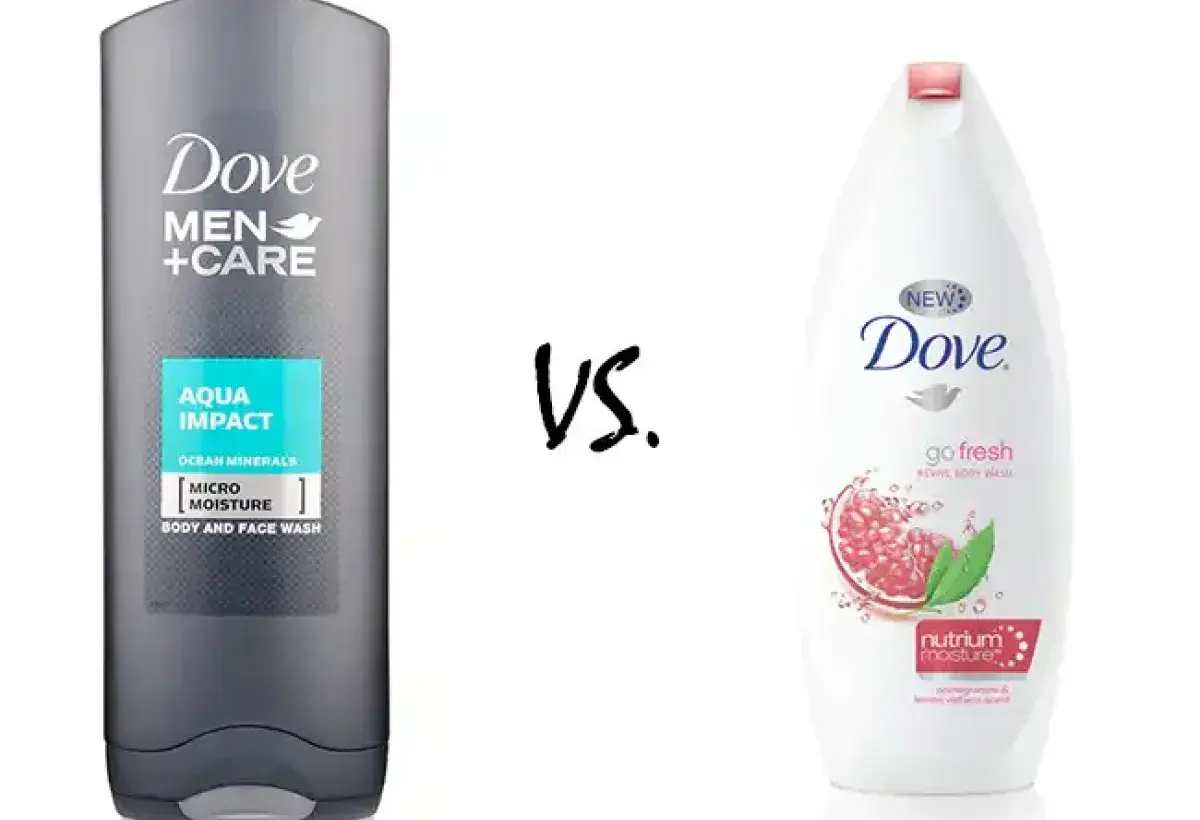
One of the strongest drivers behind higher prices for women’s products in America is gender based marketing. Companies do not simply sell products. They sell identities, lifestyles, and emotional experiences. When a product is marketed to women, it is often positioned as something that enhances confidence, self worth, beauty, or personal care standards. This emotional framing allows companies to charge more without changing the core function of the item.
Packaging is one of the most visible elements of this strategy. Women’s products tend to use softer color palettes, decorative fonts, and carefully curated visual aesthetics. These design choices require branding teams, graphic designers, and marketing research, all of which add cost that is ultimately reflected in the retail price. However, the increased price is rarely due to better ingredients or materials. Instead, it reflects the expense of creating a distinct identity that appeals to women as a target demographic.
Advertising reinforces this approach. Women are exposed to a higher volume of marketing messages related to beauty, grooming, and personal care than men. Television commercials, social media campaigns, influencer partnerships, and lifestyle branding are heavily focused on female consumers. These campaigns often emphasize transformation and emotional fulfillment rather than utility. While effective, they significantly increase marketing budgets, which companies recover through higher pricing.
Product differentiation also plays a role. By creating separate versions of similar products, companies avoid direct price comparison. A men’s product may emphasize speed or strength, while a women’s product highlights nourishment or elegance. Even if the ingredients or performance are nearly identical, the narrative surrounding the women’s product positions it as more refined or specialized.
This strategy relies on consumer psychology. Many shoppers associate attractive packaging and emotional storytelling with higher quality. As a result, women are often willing to pay more for products that feel thoughtfully designed or personally relevant. Companies understand this behavior and price products accordingly, reinforcing a cycle where branding rather than function determines cost.
Image
2. Higher Expectations for Appearance and Grooming
Cultural expectations surrounding appearance play a major role in why women’s products cost more. From an early age, women are conditioned to believe that their appearance is closely tied to social acceptance, professional success, and self confidence. This expectation creates a powerful demand for grooming and beauty products, which companies readily monetize.
Women are often encouraged to maintain smooth skin, styled hair, coordinated outfits, and polished makeup in daily life. These standards are reinforced by media, workplace norms, and social interactions. As a result, grooming products are not viewed as optional but as essential tools for meeting societal expectations. This mindset reduces price sensitivity and makes higher costs easier to accept.
Manufacturers respond by offering highly targeted products that promise specific results. Instead of one basic cleanser, women are marketed separate products for hydration, brightening, firming, exfoliating, and anti aging. Each item claims to address a unique concern, which creates the impression that multiple products are necessary. The more steps involved, the higher the total cost.
Men, by contrast, face fewer appearance based expectations. Simplicity is often socially acceptable, and minimal grooming does not carry the same stigma. This allows companies to sell men’s products as practical and efficient, often at lower prices.
Professional environments further intensify the issue. Women may feel pressure to present a polished image to be taken seriously at work. This makes grooming products feel like investments rather than discretionary purchases. When a product is perceived as necessary for success or credibility, consumers are less likely to question its price.
Image

3. The Pink Tax Effect
The pink tax refers to the higher prices women pay for similar goods and services compared to men. While not an official tax, it operates as a consistent financial burden that affects women across many areas of daily life. The effect is especially noticeable in personal care, clothing, and household products.
Studies have repeatedly shown that products marketed to women cost more even when they are functionally identical to men’s versions. Differences may be limited to color, scent, or packaging, yet prices remain higher. Companies rely on branding to justify these differences, even though production costs are often the same.
Consumer behavior plays a significant role. Many women are reluctant to purchase men’s products due to social norms or personal preferences. This reluctance reduces competitive pressure and allows companies to maintain higher prices for women’s versions without losing customers.
The pink tax extends beyond physical products. Services such as haircuts, dry cleaning, and tailoring are often priced higher for women. Pricing structures are frequently based on gender rather than time or effort, resulting in consistent disparities.
Over time, these added costs accumulate. What may seem like small price differences become significant when multiplied over years and decades. This long term impact disproportionately affects women, especially those with lower incomes.
Image
4. Smaller Sizes With Higher Prices
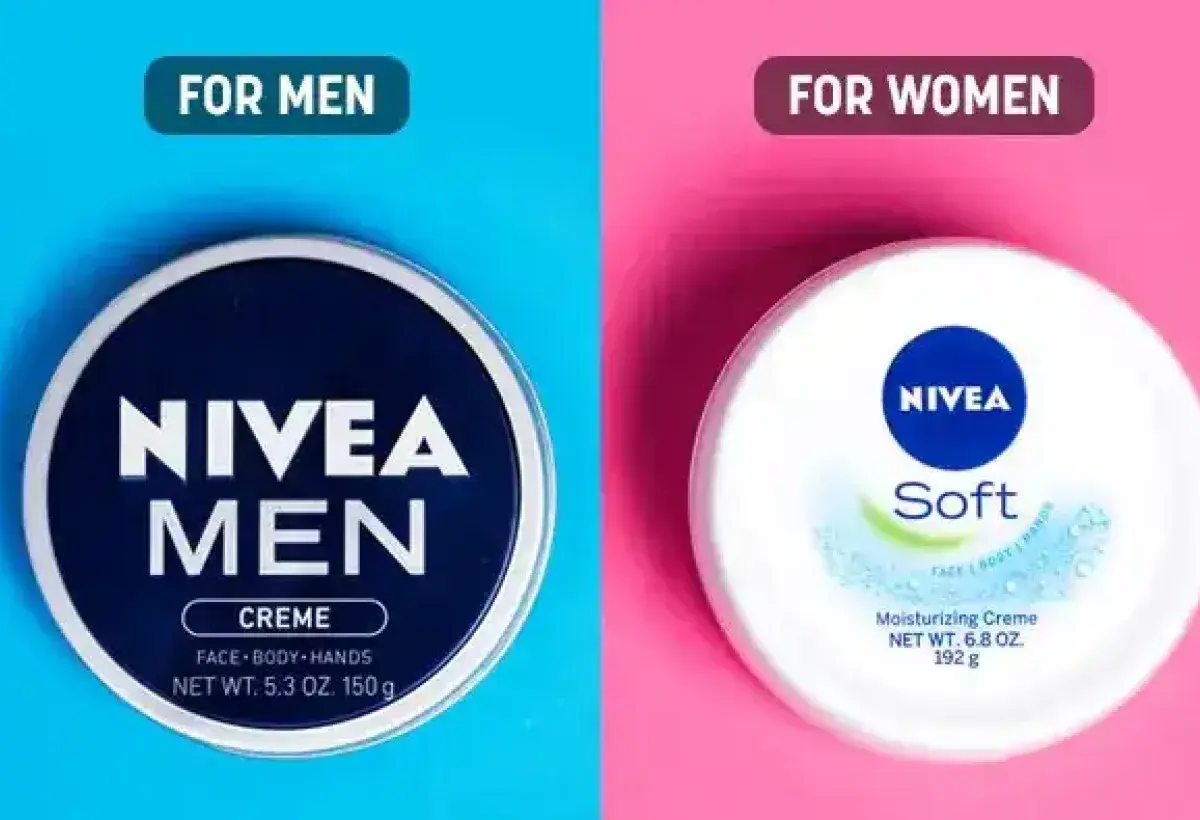
A common but overlooked pricing tactic is selling women’s products in smaller sizes at higher prices. This practice increases the cost per unit while making the price difference less obvious. Consumers often focus on the shelf price rather than the amount of product they receive.
Women’s products are frequently packaged in slimmer or more compact containers. While visually appealing, these packages often contain less product than men’s versions. When compared by volume or weight, women’s products almost always cost more.
Smaller sizes also lead to faster consumption. Products run out more quickly, requiring more frequent repurchases. This increases long term spending without consumers consciously realizing it.
Marketing reinforces this approach by associating smaller packaging with elegance, portability, and sophistication. These associations shift attention away from value and toward aesthetics.
Image
5. Product Segmentation and Specialization Claims
Product segmentation is one of the most effective ways companies increase prices on women’s products without changing the core value of what is being sold. Instead of offering one broadly functional product, manufacturers divide women’s needs into many narrowly defined categories. Each category is marketed as essential, specialized, and non interchangeable. This approach creates the perception that women require more customized solutions than men.
In personal care and beauty, this segmentation is especially visible. A single basic moisturizer could theoretically meet many needs, yet women are encouraged to buy separate products for hydration, brightening, firming, anti aging, sensitive skin, and overnight repair. Each label suggests a scientific or cosmetic necessity, even when the underlying formulas share many of the same ingredients. By fragmenting the market this way, companies multiply sales opportunities while charging premium prices for each variation.
Language plays a powerful role in reinforcing specialization claims. Words such as advanced, clinically tested, targeted, and dermatologist approved suggest higher quality and precision. These claims increase perceived value, even when regulatory standards for such language are minimal. Consumers often assume that a more specialized product must be more expensive to produce, which is not always the case.
Men’s products are rarely segmented to the same degree. A single men’s shampoo may claim to cleanse, strengthen, and refresh all at once. This simplicity reduces the total number of products men feel they need to buy and keeps prices lower overall. The contrast reinforces the idea that women’s care is inherently more complex and therefore more costly.
This segmentation strategy benefits companies by increasing both unit prices and total consumption. Women may feel that skipping a specialized product could lead to visible consequences such as dull skin or damaged hair. That fear encourages repeat purchases and brand loyalty, even at higher prices. Over time, what begins as marketing differentiation becomes normalized behavior that quietly raises the cost of everyday care.
Image
6. Fashion Industry Pricing Differences
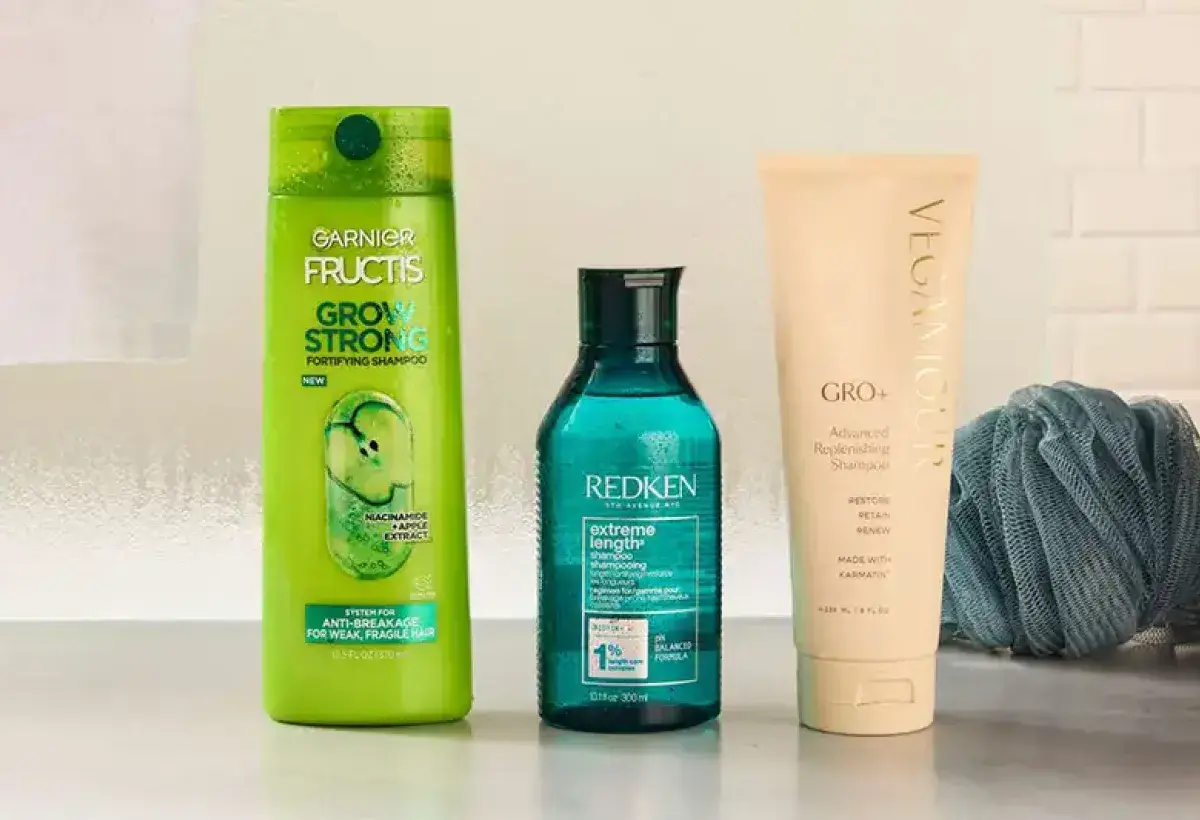
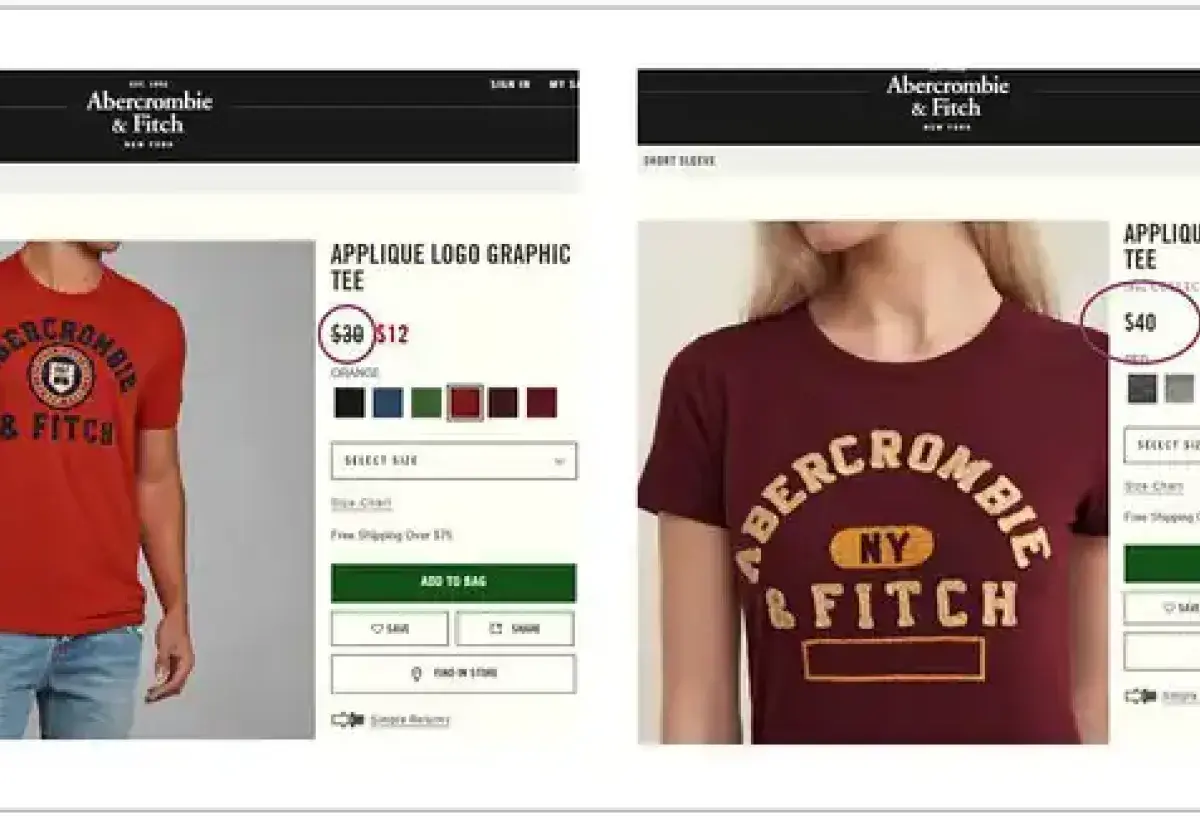
The fashion industry is a major contributor to the higher cost of women’s products in America. Women’s clothing is often priced higher than men’s clothing even when similar fabrics, construction methods, and production locations are used. This pricing gap is driven less by material cost and more by industry assumptions about demand and consumer behavior.
Women’s fashion is built around rapid trend cycles. New styles, colors, and silhouettes are introduced frequently, creating pressure to update wardrobes more often. Retailers anticipate this demand and price items accordingly. Fast turnover allows companies to justify higher prices by framing women’s clothing as fashion forward rather than functional.
Marketing reinforces the idea that variety is essential. Women are encouraged to own different outfits for work, social events, fitness, and casual wear. Even within these categories, changes in season or trend are presented as reasons to buy new items. Men’s clothing, by contrast, is often marketed as timeless and durable, reducing the perceived need for constant replacement.
Ironically, women’s clothing often lacks functional features despite higher prices. Items may be made with thinner fabrics, less durable stitching, or impractical designs such as shallow pockets. These design choices prioritize appearance over longevity, which can lead to more frequent replacements and higher long term spending.
Retail pricing strategies also reflect assumptions about willingness to pay. Brands often believe women are more emotionally engaged with fashion and therefore more accepting of higher prices. This belief allows companies to raise prices without significant loss of sales.
Image
7. Service Pricing Inequality
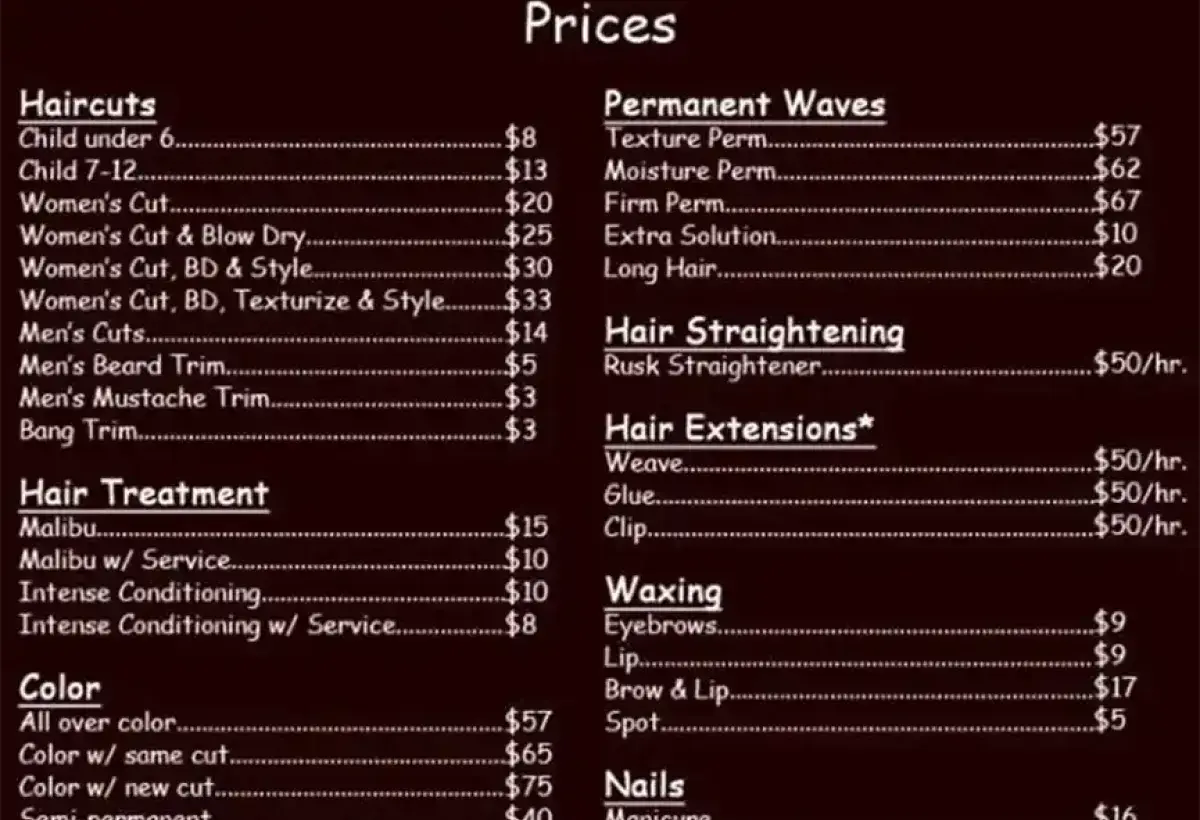
Service pricing inequality is another area where women consistently pay more than men. This disparity is most noticeable in services such as haircuts, dry cleaning, tailoring, and personal grooming. In many cases, prices are determined by gender rather than the actual time, effort, or skill required.
Hair salons often list separate prices for men and women, even for basic haircuts. While longer hair can require more work, the higher price frequently applies regardless of hair length or style complexity. A woman with short hair may still pay more than a man with longer hair receiving a similar cut.
Dry cleaning and laundry services show similar patterns. Women’s garments are often priced higher even when they are made from the same materials as men’s clothing. The justification often centers on garment shape or detailing, though the pricing difference is often standardized rather than evaluated on a case by case basis.
These practices persist because pricing structures have been normalized over time. Consumers may accept higher prices as standard, and service providers face little pressure to change. In many states, laws prohibit gender based pricing for services, but enforcement is inconsistent and awareness is limited.
The cumulative impact of service pricing inequality can be significant. Regular grooming and clothing maintenance are ongoing expenses, and higher costs compound over time. For many women, these services are not optional but necessary for professional and social participation.
Image
8. Brand Loyalty and Emotional Marketing
Emotional marketing is a powerful tool that significantly influences pricing for women’s products. Brands often build narratives around empowerment, self care, confidence, and identity. These messages resonate deeply and create strong emotional bonds between consumers and products.
Once emotional loyalty is established, price becomes a secondary concern. Consumers may continue purchasing the same brand even as prices increase, because the product feels familiar, comforting, or personally meaningful. Companies recognize this loyalty and factor it into their pricing strategies.
Women are frequently targeted with storytelling that links products to life moments or emotional states. Advertisements may suggest that a product represents self respect, relaxation, or personal growth. This framing elevates the product beyond its functional purpose and justifies a higher price in the consumer’s mind.
Men’s marketing tends to emphasize performance, efficiency, or durability. While effective, these messages are less emotionally immersive and often lead to more price comparison behavior. As a result, men’s products face stronger price competition.
Emotional branding creates long term customer relationships, but it also reinforces pricing disparities. When consumers feel emotionally invested, they are less likely to question whether a product is truly worth the cost.
Image

9. Limited Regulation and Oversight
One reason pricing disparities persist is the lack of comprehensive regulation addressing gender based price differences in consumer products. While some laws prohibit discriminatory pricing in services, product pricing remains largely unregulated at the federal level.
Companies are free to price products based on branding, marketing, and perceived demand. As long as prices are applied consistently within a product category, there is little legal incentive to address gender disparities. This regulatory gap allows pricing practices to continue largely unchecked.
Consumer advocacy groups have raised awareness, but enforcement mechanisms are limited. Without clear guidelines or penalties, companies face minimal risk in maintaining higher prices for women’s products.
The complexity of proving discrimination also plays a role. Price differences are often justified by branding or packaging changes, even when functional differences are negligible. This makes regulation difficult to implement and enforce.
As a result, responsibility often shifts to consumers rather than institutions. Women must navigate pricing disparities individually rather than relying on systemic protections.
Image
10. Consumer Awareness and Purchasing Habits
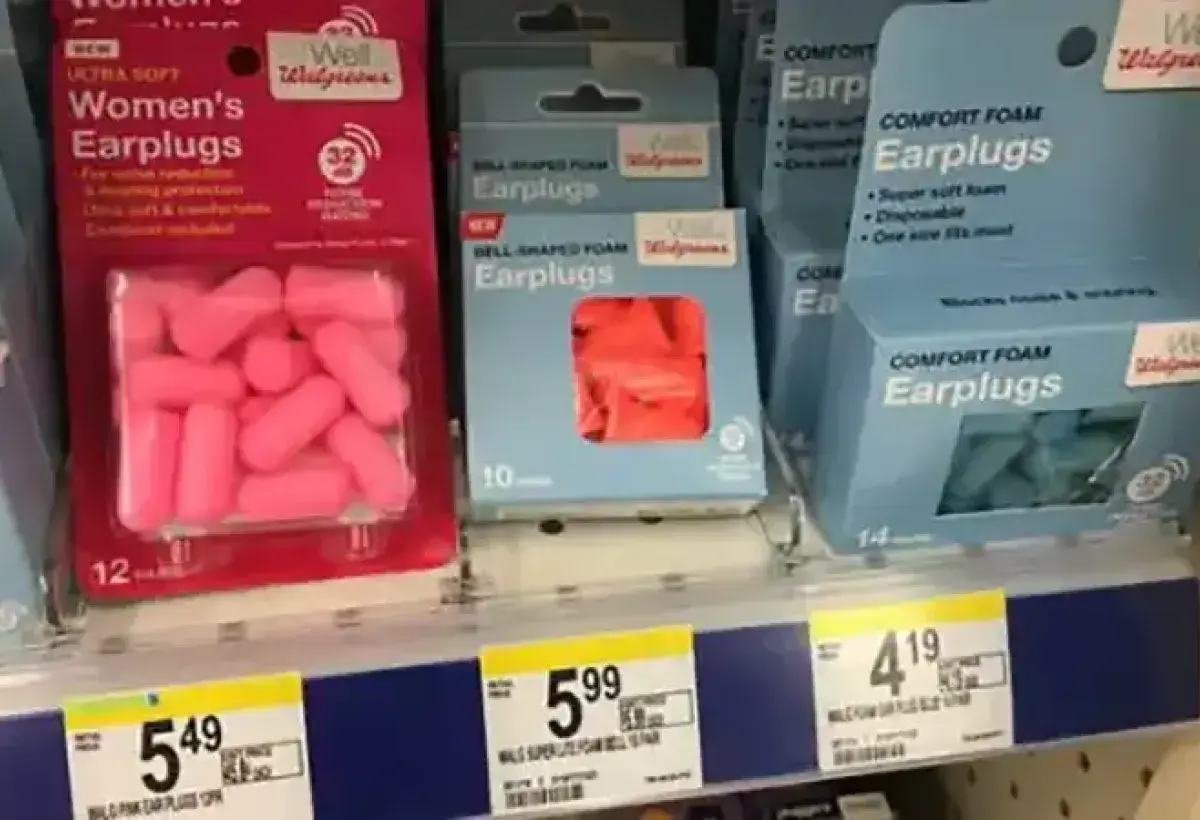
Consumer habits play a significant role in sustaining higher prices for women’s products. Many shoppers are unaware of pricing disparities or do not actively compare unit prices. Habit, convenience, and branding often outweigh cost considerations.
Women may continue buying familiar products without reassessing value. Brand trust and routine purchasing reduce the likelihood of switching to cheaper alternatives, even when those alternatives offer similar performance.
Social norms also influence behavior. Some women may feel uncomfortable purchasing products labeled for men, even when they are functionally identical and less expensive. This reluctance limits competitive pressure and allows higher prices to persist.
Education and awareness can lead to change, but habits are difficult to break. Shopping decisions are often made quickly and emotionally rather than analytically. Over time, these small decisions reinforce broader pricing patterns.
Greater transparency and conscious comparison can help reduce unnecessary spending. However, lasting change will likely require both consumer awareness and structural shifts in how products are marketed and priced.
Image

The higher cost of women’s products in America is not the result of a single factor. It is the outcome of marketing strategies, cultural expectations, consumer behavior, and limited oversight working together over time. While companies often justify higher prices with branding and specialization claims, the actual differences between men’s and women’s products are frequently minimal.
Understanding these factors empowers consumers to make more informed choices. Comparing unit prices, questioning marketing claims, and considering alternatives can help reduce unnecessary spending. Awareness also encourages broader conversations about fairness and transparency in pricing.
As more consumers recognize these patterns, pressure may grow for companies to adopt more equitable pricing practices. Until then, the responsibility often falls on individuals to navigate a marketplace where labels and colors can significantly impact cost.