

Arthritis can affect every part of daily life. It influences how a person moves, how they sleep, and even how they plan their day. While there is no single solution that instantly removes the experience of joint discomfort, science continues to show that certain food choices can help the body manage inflammation more naturally. Fruits are among the most effective options because they contain vitamins, minerals, fiber, antioxidants, and plant compounds that support joint function and overall wellness.
People often look at fruit as a simple snack or a sweet treat at the end of a meal. However, fruit is much more powerful than that. Many fruits work inside the body to calm inflammatory pathways, protect cells from oxidative stress, and supply nutrients that nourish cartilage and tissue. When eaten consistently, these benefits can add up to meaningful improvement in how the joints feel and move. This makes fruit an accessible and enjoyable part of an arthritis friendly lifestyle.
The fruits highlighted in this article were chosen because scientific research and nutritional analysis show clear potential for supporting joint health. Each fruit brings something unique to the table. Some provide high levels of vitamin C, which helps support collagen. Others offer antioxidants that neutralize free radicals. A few contain natural enzymes that assist the body in managing swelling. When combined with a balanced diet and healthy habits, these fruits can make a positive difference for individuals looking to reduce discomfort and maintain better mobility.
What makes fruit especially appealing is that it fits easily into almost any eating pattern. It can be enjoyed fresh, blended, sliced, juiced, or added to meals and snacks. The key is consistency. By including a variety of anti inflammatory fruits every week, the body receives ongoing support that can complement medical treatments, physical activity, and lifestyle changes. Below are ten fruits that stand out for their potential to help ease inflammation related to arthritis, along with suggestions for how to enjoy them in daily life.
1. Cherries
Image

Cherries, especially tart cherries, are often highlighted as one of the most powerful fruits for people with arthritis. This is because they contain naturally occurring plant pigments known as anthocyanins. These compounds give cherries their deep red color while also providing strong antioxidant properties that help the body manage inflammation. Several studies have explored how tart cherry juice or whole tart cherries can assist individuals who experience joint discomfort or swelling.
One of the reasons cherries stand out is their connection to gout, a painful form of arthritis caused by high levels of uric acid. Research has shown that consuming cherries may help lower uric acid levels and reduce the frequency of gout flare ups. This effect is believed to come from both the antioxidant activity and the way cherries influence inflammation pathways in the body. Individuals who regularly include cherries in their diet often report improvements in stiffness and tenderness.
Cherries can also help the body recover after physical activity. Even people who do not have arthritis can benefit from the muscle soothing qualities of tart cherry juice. For arthritis sufferers, this means cherries may offer support not only for pain reduction but also for daily recovery. Fresh cherries are enjoyable during their seasonal availability, but tart cherry juice and frozen cherries provide year round options.
This fruit can be used in oatmeal, smoothies, yogurt bowls, or eaten on its own. A small serving can deliver powerful nourishment while remaining enjoyable to eat. For individuals exploring natural ways to complement their arthritis management plan, cherries offer a delicious and scientifically supported option.
2. Strawberries
Image

Strawberries are well known for their bright flavor and vibrant color, but they are also among the most nutrient dense fruits available. They contain high levels of vitamin C, which plays a key role in supporting collagen. Collagen is vital for joint cartilage and connective tissue, which means strawberries help nourish the structures that maintain joint flexibility.
Another major benefit of strawberries is their ability to help reduce levels of C reactive protein. This protein is a marker used to measure inflammation in the body. Higher levels often appear in people with arthritis or chronic inflammation. Regular consumption of strawberries has been linked to improvements in these markers, which means they can contribute to an overall reduction in inflammatory stress.
Strawberries also contain polyphenols, which are natural plant compounds known for supporting immune function and protecting cells from damage. These compounds work alongside antioxidants to neutralize free radicals that can worsen joint discomfort or stiffness. When strawberries are eaten frequently, the body may experience more stable inflammatory control.
They are extremely versatile and easy to include in both meals and snacks. They can be sliced into salads, blended into smoothies, added to cereal, or enjoyed fresh. Strawberries also pair well with other anti inflammatory foods such as nuts, seeds, and yogurt. Their natural sweetness makes them an appealing alternative to processed desserts, which often contain ingredients that promote inflammation. For individuals seeking a refreshing and supportive fruit to add to their dietary routine, strawberries are a perfect choice.
3. Blueberries
Image

Blueberries are often called one of the healthiest fruits on the planet, and for good reason. They offer an impressive range of antioxidants and bioactive compounds that support cellular health and help manage inflammation. This makes them especially beneficial for individuals dealing with arthritis or joint discomfort. The antioxidants in blueberries protect the body from oxidative stress, which occurs when free radicals damage cells and tissue. Oxidative stress can worsen inflammation and contribute to joint degeneration.
These small berries contain anthocyanins, the same powerful pigments found in cherries. These compounds help reduce inflammatory markers and support vascular health, which may improve nutrient delivery to joint tissues. Better circulation means the body can repair itself more efficiently and maintain healthier connective tissue. Blueberries may also help support cognitive health, which is an added benefit for overall wellness.
Blueberries are simple to incorporate into any diet. They can be added to breakfast, blended into smoothies, sprinkled over yogurt, or eaten as a convenient snack. Frozen blueberries work just as well as fresh ones, and they can be stored for long periods without losing their nutritional value. This makes them a practical option for everyday eating.
Their mild flavor also allows them to mix well with many other fruits, making it easy to create anti inflammatory fruit blends. People who regularly include blueberries in their meals often report feeling more energized and balanced due to the fruit’s high nutrient density. For arthritis sufferers, blueberries offer powerful support in a small and delicious package.
4. Oranges
Image

Oranges are famous for their vitamin C content, but this nutrient does far more than support the immune system. Vitamin C is essential for the production of collagen, the protein responsible for maintaining joint cartilage and connective tissues. When the body has adequate collagen, the joints stay more cushioned and flexible, which can help reduce discomfort associated with arthritis.
Oranges also offer antioxidants that help the body combat inflammation and oxidative stress. These antioxidants work to neutralize harmful molecules that can damage cells and trigger inflammatory responses. Many people with arthritis find that increasing their intake of vitamin C rich fruits helps support better joint function and overall comfort.
In addition to vitamin C, oranges contain fiber, potassium, and folate. These nutrients contribute to heart health and help regulate inflammation throughout the body. A healthy cardiovascular system plays a significant role in nutrient delivery to the joints. Better circulation can support tissue repair and reduce stiffness.
Oranges can be enjoyed in many forms. They can be eaten whole, added to salads, blended into smoothies, or juiced for a refreshing drink. However, whole oranges provide more fiber compared to juice. The fiber content helps stabilize blood sugar levels and supports digestive health, which indirectly influences inflammation control. For individuals searching for a fruit that supports both general health and joint wellness, oranges are a simple and valuable addition to the daily diet.
5. Pineapple
Image

Pineapple stands out from other fruits because it contains bromelain, a natural enzyme that has been studied for its potential to reduce swelling and ease discomfort associated with arthritis. Bromelain works by supporting the body’s ability to regulate inflammatory pathways. This makes pineapple a unique and powerful fruit for individuals seeking natural relief from joint pain.
Researchers have explored the use of bromelain supplements as an alternative approach for managing inflammation, especially in cases of osteoarthritis. While supplements exist, consuming pineapple provides a natural and enjoyable way to access this compound along with additional vitamins and minerals. Pineapple is rich in vitamin C, manganese, and antioxidants, which all contribute to tissue health and immune support.
The fruit’s juicy sweetness makes it easy to include in smoothies, fruit bowls, or savory dishes such as salads and stir fries. It can be eaten fresh or frozen. Fresh pineapple contains the most active bromelain, but frozen pineapple remains nutritious and convenient.
It is best to enjoy pineapple in moderation since it contains natural fruit sugars and citric acid. However, when included as part of a balanced diet, pineapple offers excellent support for inflammation management. Many people find that including pineapple regularly helps them feel more comfortable and mobile. This tropical fruit is both refreshing and functional, making it a perfect choice for arthritis friendly eating.
6. Apples
Image

Apples are one of the most accessible fruits available, and they offer impressive nutritional benefits for people with arthritis. They contain a variety of antioxidants, including quercetin, which has been studied for its potential anti inflammatory effects. These antioxidants help protect the body from oxidative stress, reducing the wear on joint tissues and promoting long term mobility.
Apples are also an excellent source of dietary fiber. Fiber supports digestive health, which influences inflammation throughout the body. When the gut is healthy, the immune system functions more effectively, and inflammatory responses remain more balanced. Eating apples with the peel is especially beneficial because the peel contains much of the fruit’s antioxidant content.
Apples come in many varieties, each offering a slightly different flavor and texture. This makes them easy to include in meals or snacks. They can be eaten fresh, added to salads, baked into healthy desserts, or paired with nuts for a satisfying combination of fiber and protein. Apples also travel well, making them a convenient on the go option for busy individuals.
Their natural sweetness makes apples a great alternative to sugary processed snacks that may contribute to inflammation. Apples deliver steady energy and nourishment without artificial additives. For individuals looking to make simple dietary choices that support joint health, apples remain one of the most reliable and well rounded fruits available.
7. Grapes
Image

Grapes are well known for containing resveratrol, a powerful compound that has gained attention for its anti inflammatory and anti aging properties. Resveratrol helps protect joint tissues by supporting healthy cellular function and reducing inflammatory responses. It also offers antioxidant benefits that shield the body from oxidative stress.
Grapes contain several other beneficial nutrients, including vitamin C, vitamin K, and various phytonutrients that support heart health and circulation. Proper circulation is essential for maintaining healthy joints because it ensures that nutrients reach the tissues that need them most. People who experience arthritis often benefit from improved blood flow, which can help reduce stiffness and enhance mobility.
Both red and green grapes provide valuable nutrients, but red grapes typically contain higher levels of resveratrol. Grapes can be eaten fresh, frozen for a refreshing treat, or added to salads and snack plates. They are naturally sweet, making them a healthier alternative to processed sweets.
Grape juice and red wine also contain resveratrol. However, whole grapes supply fiber and are a more balanced option for supporting joint health. For individuals looking for an easy and refreshing fruit to include in their diet, grapes offer delicious and versatile nourishment.
8. Pomegranates
Image
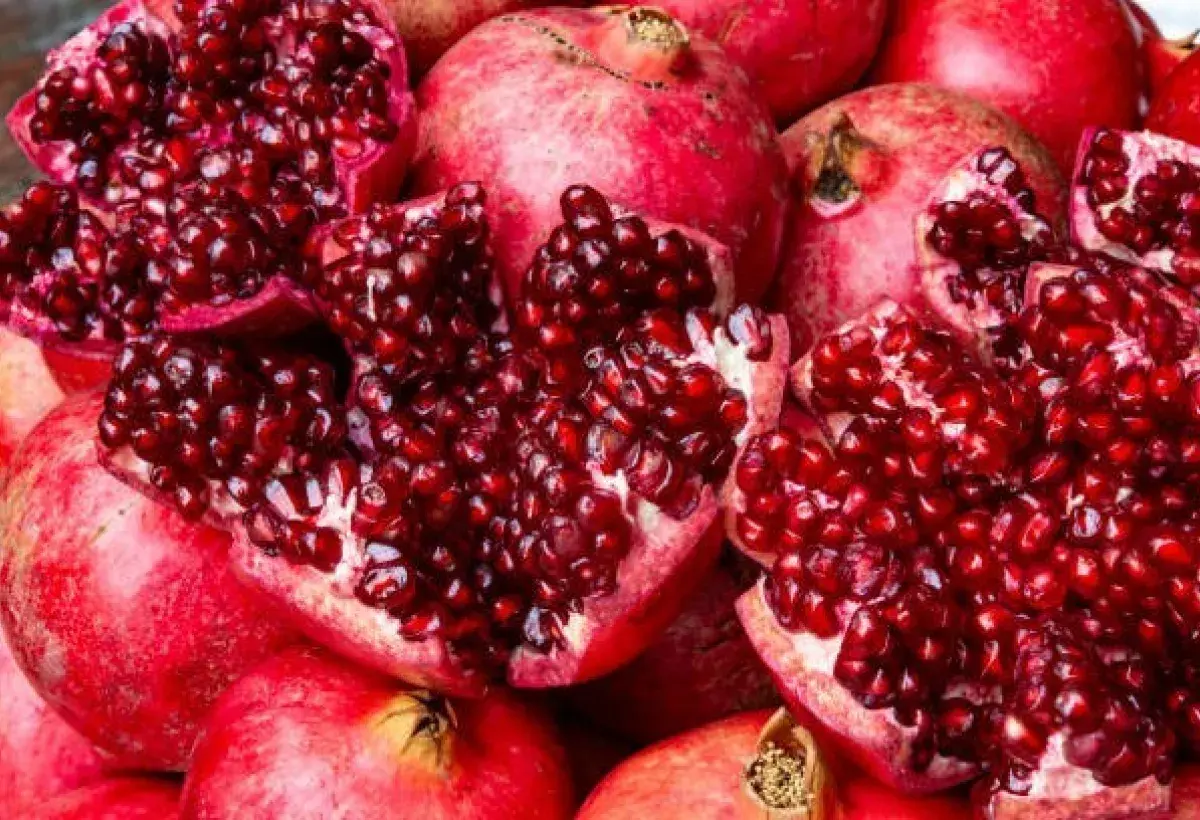
Pomegranates are widely recognized for their high polyphenol content. These powerful antioxidants can help reduce markers of inflammation and support healthier joint function. Pomegranate extract has been studied for its potential to reduce symptoms of arthritis, including tenderness, stiffness, and swelling.
The fruit contains compounds that support cartilage protection by decreasing enzymes that break down tissue. This makes pomegranates particularly valuable for individuals with osteoarthritis. Their antioxidant properties also help shield the body from oxidative damage that can worsen joint conditions over time.
Pomegranates can be enjoyed by eating the arils, which are the juicy seed filled jewels inside the fruit. They add a sweet and tart burst of flavor to salads, yogurt bowls, or smoothies. Pomegranate juice is another option, but the whole arils provide fiber that helps support digestive health and stable inflammation levels.
While pomegranates may take a little effort to open, the nutritional payoff is significant. Their bright flavor and substantial health benefits make them an excellent fruit to include regularly for joint support and overall wellness.
9. Kiwi
Image
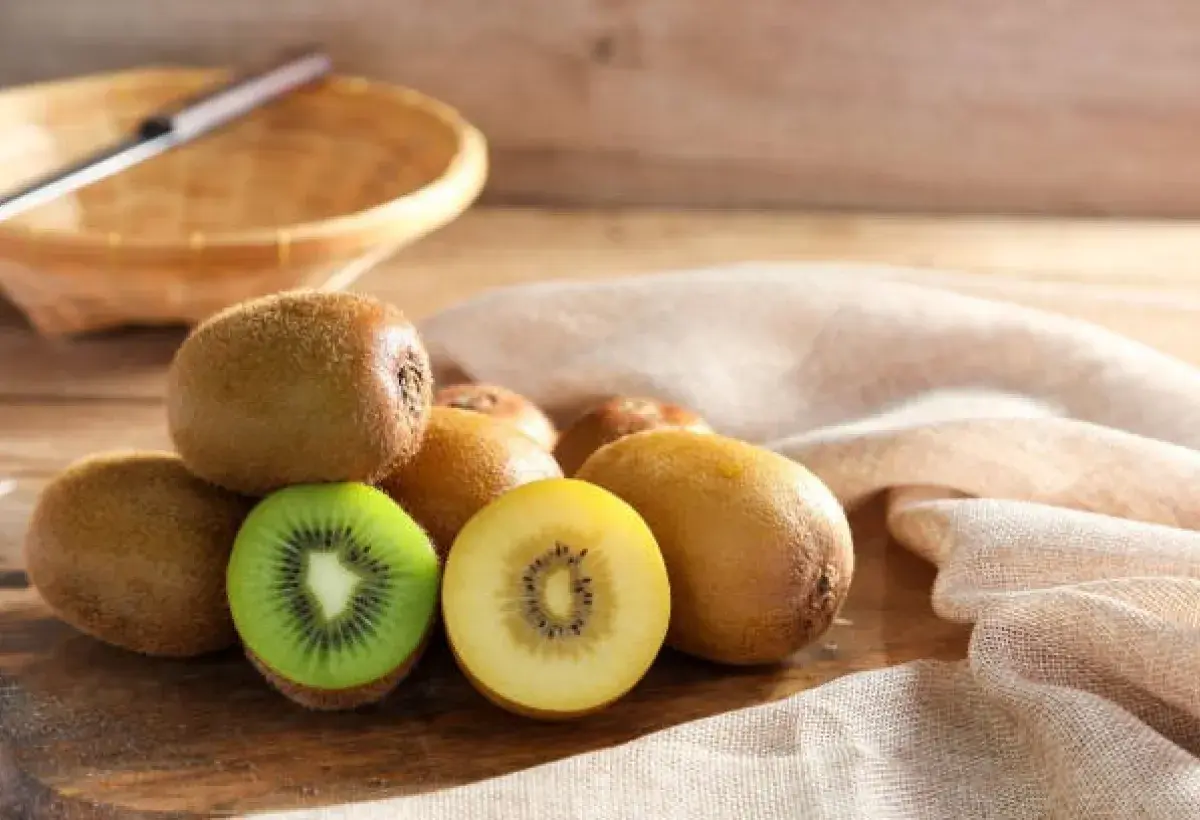
Kiwi is a nutrient dense fruit that offers remarkable levels of vitamin C along with antioxidants that support inflammation control. Vitamin C contributes to collagen synthesis, which helps maintain strong cartilage and joint structures. This makes kiwi a supportive choice for individuals seeking to preserve mobility and reduce discomfort associated with arthritis.
In addition to vitamin C, kiwi contains vitamin K, potassium, and fiber. These nutrients contribute to heart health, digestive function, and immune support. Proper immune balance is essential for managing inflammation. Kiwi’s antioxidants help prevent oxidative stress and support healing processes within the body.
Kiwi has a refreshing flavor and a soft, juicy texture. It can be eaten on its own, added to fruit salads, blended into smoothies, or used as a topping for yogurt or oatmeal. Some people even enjoy eating the skin, which contains additional fiber. For individuals looking for a vibrant and highly nutritious fruit that supports joint comfort, kiwi is an excellent choice.
10. Papaya
Image
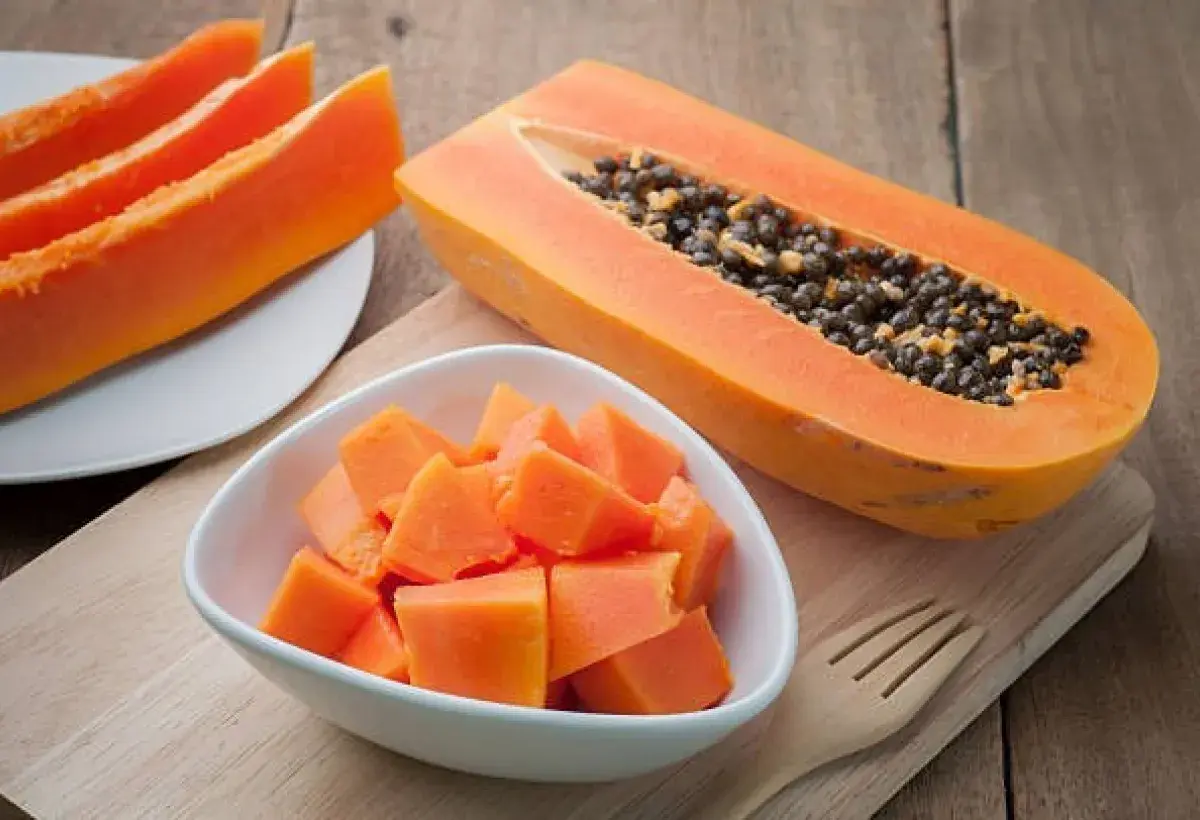
Papaya is a tropical fruit known for its impressive vitamin C content and its natural enzyme called papain. Papain supports the body’s ability to manage inflammation by assisting with protein digestion and reducing swelling. This makes papaya a valuable fruit for individuals experiencing arthritis related discomfort.
Like pineapple’s bromelain, papain has been studied for its potential role in easing inflammation. When consumed regularly, papaya may help promote smoother movement and reduced stiffness. The fruit also contains vitamin A, folate, and antioxidants that support immune health, vision, and tissue repair.
Papaya has a smooth, creamy texture and a naturally sweet flavor. It can be eaten fresh, blended into smoothies, or added to salads. It pairs well with lime juice, which enhances its flavor and adds additional vitamin C. Papaya is also gentle on digestion, making it a good choice for individuals with sensitive stomachs.
Its combination of enzymes, vitamins, and antioxidants makes papaya one of the most well rounded fruits for managing inflammation naturally. For individuals seeking a supportive and delicious addition to their arthritis friendly diet, papaya is a standout option.
Incorporating fruit into a daily routine is a simple yet powerful way to support joint health and overall wellness. The ten fruits highlighted in this article offer a wide range of antioxidants, vitamins, plant compounds, and natural enzymes that work together to help the body manage inflammation more effectively. While no single fruit can cure arthritis, consistent nutritional support creates conditions that promote better movement, reduced stiffness, and greater comfort.
A diet rich in these fruits can complement medical treatments, physical activity, and healthy lifestyle habits. Each fruit offers its own unique benefits, from the anthocyanins in cherries and blueberries to the natural enzymes in pineapple and papaya. These nutrients help protect cells, support cartilage, reduce inflammatory markers, and promote tissue repair. When eaten regularly, they can contribute to long lasting improvements in joint comfort.
Choosing a variety of fruits ensures that the body receives a wide spectrum of nutrients. This variety also makes mealtime enjoyable and satisfying. Eating these fruits fresh, blended, sliced, or combined in creative recipes allows for flexibility and consistency, which are essential for long term wellness.
Arthritis does not have to limit life. With thoughtful food choices and a focus on nourishing the body from within, people can experience meaningful improvements in how they feel each day. These fruits are not only delicious but also powerful allies in the journey toward healthier joints and better overall wellbeing.